Perioral DermatitisSymptoms, Doctors, Treatments, Advances & More
Learn About Perioral Dermatitis
Perioral dermatitis is a common skin condition that can cause persistent rashes or bumps around the mouth, nose, or eyes. It is often confused with acne or eczema but requires a different approach to care. The condition can be frustrating, as it may appear suddenly, last for weeks or months, and worsen with the wrong treatments—especially with steroid creams or heavy skincare products.
While its exact causes are not always clear, perioral dermatitis can be triggered by a variety of factors including skincare habits, hormonal changes, environmental conditions, and certain products. The good news is that it is treatable. With proper management, symptoms can improve significantly, helping restore comfort and confidence.
Perioral dermatitis is a skin condition that usually appears around the mouth but can also extend to the nose and eyes. It presents as a red rash with small bumps, sometimes accompanied by dry or flaky skin. The rash often spares the area immediately around the lips, which can help distinguish it from other conditions.
Key features:
- Red or pink bumps.
- Dry or flaky patches.
- Possible itching or burning.
- Clear space around the lip line.
Unlike acne, the bumps are often more irritated than oily, and unlike eczema, they usually appear in a specific facial pattern.
The development of perioral dermatitis does not stem from a single cause. Instead, it often arises from a combination of triggers that irritate or disrupt the skin barrier. Recognizing these factors can help in preventing and managing the condition.
Common causes and triggers:
- Use of topical steroid creams, even mild ones like hydrocortisone.
- Heavy face creams or moisturizers.
- Fluoride-containing toothpaste.
- Hormonal changes (menstrual cycles, pregnancy, or birth control use).
- Nasal sprays containing steroids.
- Environmental exposure to sun, wind, or heat.
- Excessive face washing or exfoliation.
Anything that irritates the skin or disrupts its natural balance can contribute to perioral dermatitis.
Perioral dermatitis is not contagious. Instead, it tends to occur when the skin barrier is weakened or irritated by various internal and external factors. Anyone can develop it, though certain behaviors and conditions increase risk.
Key contributing factors:
- Overuse of steroid creams, which thin the skin and disturb its natural defenses.
- Harsh cleansing routines or strong skincare products that strip away natural oils.
- Heavy makeup or moisturizers that clog pores and trap irritants.
- Hormonal fluctuations that increase sensitivity and oil production.
- Irritants in toothpaste such as fluoride or sodium lauryl sulfate.
Because multiple factors are often involved, identifying the specific trigger can be challenging. Dermatologists sometimes recommend simplifying the skincare routine and reintroducing products gradually to find the cause.
Symptoms of perioral dermatitis vary but usually follow a recognizable pattern. These signs can help distinguish it from acne, eczema, or other skin conditions.
Typical features include:
- Small red or pink bumps around the mouth, nose, or eyes.
- Dry, flaky patches that may itch or burn.
- A tight or sensitive feeling in the skin.
- Worsening of the rash with steroid creams.
- A clear space between the rash and the lip line.
In some cases, the bumps may contain pus, which adds to the confusion with acne. However, the overall irritated appearance is more characteristic of perioral dermatitis.
Diagnosis is usually straightforward and based on clinical examination. Dermatologists often identify perioral dermatitis by appearance and medical history without needing extensive tests.
Diagnostic steps may include:
- Reviewing use of steroid creams, skincare, and toothpaste.
- Evaluating when the rash began and how it has changed.
- Asking about associated symptoms such as itching, burning, or sensitivity.
- Performing a skin swab in rare cases to rule out infection.
Being open about skincare habits and treatments helps doctors identify potential triggers.
Treatment requires patience and consistency. While the rash often worsens before it improves, following a proper plan usually leads to recovery.
Steps in management:
- Stop topical steroids: This is the most important step. Symptoms may flare initially but will improve over time.
- Simplify skincare: Use a gentle, fragrance-free cleanser and avoid harsh scrubs or heavy moisturizers.
- Topical antibiotics: Medications like metronidazole or clindamycin creams may be prescribed.
- Oral antibiotics: For more severe cases, options like doxycycline or tetracycline may be used short-term.
- Adjust habits: Switch to fluoride-free toothpaste and reduce use of heavy makeup.
- Be patient: Healing can take several weeks to months, but persistence pays off.
Perioral dermatitis can be confusing and discouraging, especially because it affects the face. However, it is manageable and often improves significantly with the right care. The key is to identify and avoid triggers, stop steroid creams, and simplify skincare. With patience and proper treatment, the skin can fully recover.
Remember: this condition does not define your appearance or confidence. Healing takes time, but clear and comfortable skin is possible.
- American Academy of Dermatology (aad.org)
- Mayo Clinic (mayoclinic.org)
- National Eczema Association (nationaleczema.org)
- WebMD (webmd.com)
Iva Fercek practices practicing medicine in Zabok, Croatia. Ms. Fercek is rated as an Elite expert by MediFind in the treatment of Perioral Dermatitis. She is also highly rated in 2 other conditions, according to our data. Her clinical expertise encompasses Perioral Dermatitis, Rosacea, Gingivostomatitis, and Chronic Spontaneous Urticaria (CSU).

Avera Medical Group Dermatology — Mitchell
Mandi Greenway is a Dermatologist practicing medicine in Mitchell, South Dakota. Dr. Greenway is rated as an Experienced provider by MediFind in the treatment of Perioral Dermatitis. She is also highly rated in 34 other conditions, according to our data. Her clinical expertise encompasses Actinic Keratosis, Warts, Seborrheic Keratosis, and Melanoma. Dr. Greenway is board certified in American Board Of Dermatology. Dr. Greenway is currently accepting new patients.
Indian River Health Services Inc
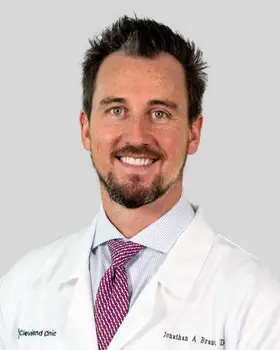
Jonathan Braue is a Dermatologist practicing medicine in Vero Beach, Florida. Dr. Braue is rated as an Experienced provider by MediFind in the treatment of Perioral Dermatitis. He is also highly rated in 56 other conditions, according to our data. His clinical expertise encompasses Sunburn, Actinic Keratosis, Warts, and Seborrheic Keratosis. Dr. Braue is board certified in American Board Of Dermatology, 2019. Dr. Braue is currently accepting new patients.