Primary T Cell ImmunodeficiencySymptoms, Doctors, Treatments, Advances & More
Learn About Primary T Cell Immunodeficiency
Condition 101 content is not available at this time, but we are continually updating the site. Please check back.
However, there may be experts who have treated this or similar conditions in our Find a Doctor section and research may be available in our Latest Advances section.
Mayo Clinic Building Scottsdale
John Lewis is an Internal Medicine provider practicing medicine in Scottsdale, Arizona. He has been practicing medicine for over 44 years. Dr. Lewis is rated as a Distinguished provider by MediFind in the treatment of Primary T Cell Immunodeficiency. He is also highly rated in 10 other conditions, according to our data. His clinical expertise encompasses Mast Cell Activation Syndrome (MCAS), ICF Syndrome, Leukocyte Adhesion Deficiency Type 1, and Primary T Cell Immunodeficiency.

Endeavor Health Medical Group
James M. Moss, MD, an allergist and clinical immunologist at Endeavor Health, treats conditions such as allergies, asthma, sinus disease and immune deficiencies. He takes a collaborative, educational approach to care—helping patients understand their condition and choose from a range of advanced treatment options. Dr. Moss is known for taking time with patients and using immunology to solve complex, long-standing health problems. Dr. Moss is rated as an Advanced provider by MediFind in the treatment of Primary T Cell Immunodeficiency. He is also highly rated in 10 other conditions, according to our data. His clinical expertise encompasses Immunodeficiency with Hyper IgM Type 1, ICF Syndrome, Primary T Cell Immunodeficiency, and Leukocyte Adhesion Deficiency Type 1. Dr. Moss is board certified in American Board Of Internal Medicine and American Board Of Allergy Immunology.
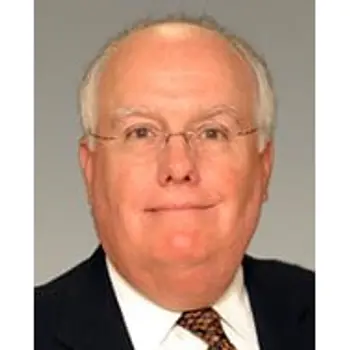
Bradley Chipps is an Allergy and Immunologist practicing medicine in Sacramento, California. Dr. Chipps is rated as an Advanced provider by MediFind in the treatment of Primary T Cell Immunodeficiency. He is also highly rated in 24 other conditions, according to our data. His clinical expertise encompasses Asthma, Allergic Rhinitis, Eosinophilic Asthma, and Sinusitis. Dr. Chipps is board certified in Allergy And Immunology American Board Of Pediatrics - Subspecialty In Pediatric Pulmonology. Dr. Chipps is currently accepting new patients.
Background: Allogeneic blood or marrow transplant is when stem cells are taken from one person s blood or bone marrow and given to another person. Researchers think this may help people with immune system problems.
Background: During a transplant, blood stem cells from one person are given to someone else. The cells grow into the different cells that make up the immune system. This can cure people with certain immunodeficiencies. But transplant has many risks and complications.