Prothrombin DeficiencySymptoms, Doctors, Treatments, Advances & More
Learn About Prothrombin Deficiency
Prothrombin deficiency is a bleeding disorder that slows the blood clotting process. People with this condition often experience prolonged bleeding following an injury, surgery, or having a tooth pulled. In severe cases of prothrombin deficiency, heavy bleeding occurs after minor trauma or even in the absence of injury (spontaneous bleeding). Women with prothrombin deficiency can have prolonged and sometimes abnormally heavy menstrual bleeding. Serious complications can result from bleeding into the joints, muscles, brain, or other internal organs. Milder forms of prothrombin deficiency do not involve spontaneous bleeding, and the condition may only become apparent following surgery or a serious injury.
Mutations in the F2 gene cause prothrombin deficiency. The F2 gene provides instructions for making the prothrombin protein (also called coagulation factor II), which plays a critical role in the formation of blood clots in response to injury. Prothrombin is the precursor to thrombin, a protein that initiates a series of chemical reactions to form a blood clot. After an injury, clots protect the body by sealing off damaged blood vessels and preventing further blood loss.
Prothrombin deficiency is very rare; it is estimated to affect 1 in 2 million people in the general population.
This condition is inherited in an autosomal recessive pattern, which means both copies of the gene in each cell have mutations. The parents of an individual with an autosomal recessive condition each carry one copy of the mutated gene, but they typically do not show signs and symptoms of the condition.
Masahiro Ieko practices practicing medicine in Sapporo, Japan. Mr. Ieko is rated as an Elite expert by MediFind in the treatment of Prothrombin Deficiency. He is also highly rated in 7 other conditions, according to our data. His clinical expertise encompasses Prothrombin Deficiency, Acquired Hemophilia, Antiphospholipid Syndrome, and Blood Clots.

Tower Health Medical Group Family Medicine - Sinking Spring
Thomas Kohl is a primary care provider, practicing in Family Medicine in Sinking Spring, Pennsylvania. Dr. Kohl is rated as an Experienced provider by MediFind in the treatment of Prothrombin Deficiency. He is also highly rated in 9 other conditions, according to our data. His clinical expertise encompasses Type 2 Diabetes (T2D), Maturity Onset Diabetes of the Young, Familial Hypertension, and Hypertension. Dr. Kohl is board certified in American Board Of Family Medicine.
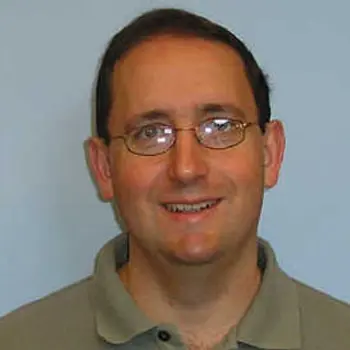
Johnson City Internal Medicine
Kevin Sweet is a primary care provider, practicing in Internal Medicine in Johnson City, Tennessee. Dr. Sweet is rated as an Experienced provider by MediFind in the treatment of Prothrombin Deficiency. He is also highly rated in 15 other conditions, according to our data. His clinical expertise encompasses Sitosterolemia, Type 2 Diabetes (T2D), Osteomyelitis in Children, and Hypertension. Dr. Sweet is board certified in American Board Of Internal Medicine. Dr. Sweet is currently accepting new patients.
Summary: Primary purpose : Compare the sensitivity of several thromboplastin reagents of various origins to prothrombin time and factor II, V, VII and X assays in two different populations of patients : * Patients with an isolated extrinsic pathway deficiency (acquired or congenital) of factor II or V or VII or X. * Patients with an hepatocellular insufficiency generally associated with coagulopathy (with ...
Summary: Primary purpose : Compare the sensitivity of several thromboplastin reagents of various origins to prothrombin time and factor II, V, VII and X assays in two different populations of patients : * Patients with an isolated extrinsic pathway deficiency (acquired or congenital) of factor II or V or VII or X. * Patients with an hepatocellular insufficiency generally associated with coagulopathy (with ...
Published Date: November 01, 2013
Published By: National Institutes of Health