Rothmund-Thomson SyndromeSymptoms, Doctors, Treatments, Advances & More
Learn About Rothmund-Thomson Syndrome
Rothmund-Thomson syndrome is a rare condition that affects many parts of the body, especially the skin. People with this condition typically develop redness on the cheeks between ages 3 months and 6 months. Over time the rash spreads to the arms and legs, causing patchy changes in skin coloring, areas of thinning skin (atrophy), and small clusters of blood vessels just under the skin (telangiectases). These skin problems persist for life and are collectively known as poikiloderma.
Mutations in the RECQL4 gene cause about two-thirds of all cases of Rothmund-Thomson syndrome. This gene provides instructions for making one member of a protein family called RecQ helicases. Helicases are enzymes that bind to DNA and temporarily unwind the two spiral strands (double helix) of the DNA molecule. This unwinding is necessary for copying (replicating) DNA in preparation for cell division, and for repairing damaged DNA. The RECQL4 protein helps stabilize genetic information in the body's cells and plays a role in replicating and repairing DNA.
Rothmund-Thomson syndrome is a rare disorder; its incidence is unknown. About 300 people with this condition have been reported worldwide in scientific studies.
This condition is inherited in an autosomal recessive pattern, which means both copies of the gene in each cell have mutations. The parents of an individual with an autosomal recessive condition each carry one copy of the mutated gene, but they typically do not show signs and symptoms of the condition.
Bassett Oneonta Specialty Services
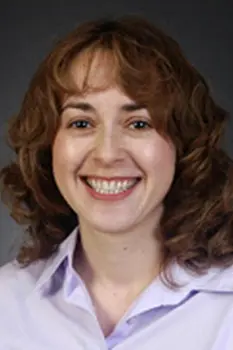
Marina Bravin is a Dermatologist practicing medicine in Oneonta, New York. Dr. Bravin is rated as an Advanced provider by MediFind in the treatment of Rothmund-Thomson Syndrome. She is also highly rated in 59 other conditions, according to our data. Her clinical expertise encompasses Actinic Keratosis, Melanoma, Warts, and Psoriasis. Dr. Bravin is board certified in Internal Medicine, American Board Of Internal Medicine.
Elisa Colombo practices practicing medicine in Milan, Italy. Ms. Colombo is rated as an Elite expert by MediFind in the treatment of Rothmund-Thomson Syndrome. She is also highly rated in 7 other conditions, according to our data. Her clinical expertise encompasses Rothmund-Thomson Syndrome, PARC Syndrome, Rubinstein-Taybi Syndrome, and Roberts Syndrome.
Laurence Faivre practices practicing medicine in Dijon, France. Mr. Faivre is rated as an Elite expert by MediFind in the treatment of Rothmund-Thomson Syndrome. He is also highly rated in 111 other conditions, according to our data. His clinical expertise encompasses Cohen Syndrome, Achalasia Microcephaly Syndrome, Microcephaly, Hypotonia, and Orchiectomy.
Summary: NOTE: This is a research study and is not meant to be a substitute for clinical genetic testing. Families may never receive results from the study or may receive results many years from the time they enroll. If you are interested in clinical testing please consider seeing a local genetic counselor or other genetics professional. If you have already had clinical genetic testing and meet eligibility...
Published Date: August 01, 2013
Published By: National Institutes of Health