SarcoidosisSymptoms, Doctors, Treatments, Advances & More
Learn About Sarcoidosis
Sarcoidosis is a disease in which inflammation occurs in the lymph nodes, lungs, liver, eyes, skin, and other tissues.
The exact cause of sarcoidosis is unknown. What is known is that when a person has the disease, tiny clumps of abnormal tissue (granulomas) form in certain organs of the body. Granulomas are clusters of immune cells and are a type of inflammation.
The disease can affect almost any organ. It most commonly affects the lungs.
Health experts think that having certain genes makes it more likely for a person to develop sarcoidosis. Things that may trigger the disease include infections with bacteria or viruses. Contact with dust or chemicals may also be triggers.
The disease is more common in African Americans and White people of Scandinavian heritage. More women than men have the disease.
The disease often begins between ages 20 and 40. Sarcoidosis is rare in young children.
A person with a close blood relative who has sarcoidosis is nearly 5 times as likely to develop the condition.
There may be no symptoms. When symptoms do occur, they can involve almost any body part or organ system.
Almost all people affected by sarcoidosis have lung or chest symptoms:
- Chest pain (most often behind the breast bone)
- Dry cough
- Shortness of breath
- Coughing up blood (rare, but serious)
Symptoms of general discomfort may include:
- Fatigue
- Fever
- Joint ache or pain (arthralgia)
- Weight loss
Skin symptoms may include:
- Hair loss
- Raised, red, firm skin sores (erythema nodosum), almost always on the front part of the lower legs
- Rash
- Scars that become raised or inflamed
Nervous system symptoms may include:
- Headache
- Seizures
- Weakness on one side of the face
Eye symptoms may include:
- Burning, itching, discharge from the eye
- Dry eyes
- Pain
- Vision loss
Other symptoms of this disease may include:
- Dry mouth
- Fainting spells, if the heart is involved
- Nosebleed
- Swelling in the upper part of the abdomen
- Liver disease
- Swelling of the legs if heart and lungs are involved
- Abnormal heart rhythm if the heart is involved
Sarcoidosis symptoms will often get better without treatment, especially if there are only small lung abnormalities.
If the eyes, heart, nervous system, or lungs are affected, corticosteroids are usually prescribed. This medicine may need to be taken for 1 to 2 years.
Medicines that suppress the immune system are sometimes also needed.
In rare cases, people with very severe heart or lung damage (end-stage disease) may need an organ transplant.
With sarcoidosis that affects the heart, an implantable cardioverter-defibrillator (ICD) may be needed to treat heart rhythm problems.

Interstitial Lung Disease (ILD) Program
Laura Koth is a Pulmonary Medicine provider practicing medicine in San Francisco, California. Dr. Koth is rated as an Elite provider by MediFind in the treatment of Sarcoidosis. She is also highly rated in 12 other conditions, according to our data. Her clinical expertise encompasses Sarcoidosis, Hypersensitivity Pneumonitis, Acute Interstitial Pneumonia, Idiopathic Pulmonary Fibrosis, and Lung Transplant. Dr. Koth is board certified in American Board Of Internal Med/Pulmonary Disease, Pulmonary Disease. Dr. Koth is currently accepting new patients.

MUSC Health Cardiology At Ashley River Tower
Brian Houston is a Transplant Surgeon practicing medicine in Charleston, South Carolina. Dr. Houston is rated as an Elite provider by MediFind in the treatment of Sarcoidosis. He is also highly rated in 6 other conditions, according to our data. His clinical expertise encompasses Sarcoidosis, Arrhythmogenic Right Ventricular Cardiomyopathy, Cardiomyopathy, Heart Transplant, and Lung Transplant. Dr. Houston is currently accepting new patients.
Cleveland Clinic Main Campus
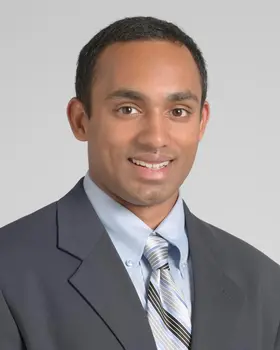
Joseph Parambil is a Pulmonary Medicine provider practicing medicine in Cleveland, Ohio. Dr. Parambil is rated as an Elite provider by MediFind in the treatment of Sarcoidosis. He is also highly rated in 23 other conditions, according to our data. His clinical expertise encompasses Sarcoidosis, Acute Interstitial Pneumonia, Pulmonary Hypertension, Endoscopy, and Lung Transplant. Dr. Parambil is board certified in American Board Of Internal Medicine, 2005. Dr. Parambil is currently accepting new patients.
Many people with sarcoidosis are not seriously ill, and get better without treatment. Up to half of all people with the disease get better in 3 years without treatment. People whose lungs are affected may develop lung damage.
Overall the death rate from sarcoidosis is less than 5%. Causes of death include:
- Bleeding from the lung tissue
- Heart damage, leading to heart failure and abnormal heart rhythms
- Lung scarring (pulmonary fibrosis)
Sarcoidosis may lead to these health problems:
- Fungal lung infections (aspergillosis)
- Glaucoma and blindness from uveitis (rare)
- Kidney stones from high calcium levels in the urine
- Osteoporosis and other complications of taking corticosteroids for long periods of time
- High blood pressure in the arteries of the lungs (pulmonary hypertension)
Contact your provider promptly if you have:
- Difficulty breathing
- Irregular heartbeat
- Vision changes
- Other symptoms of this disorder
Summary: This study evaluates the relationship between vitamin-D status and severity of sarcoidosis, and the effects of vitamin-D repletion in vitamin-D insufficient patients with sarcoidosis. Half the patients with sarcoidosis who are vitamin-D insufficient will receive standard vitamin-D supplementation via standard regimen while the other half will receive a placebo. Sarcoidosis patients who are vitamin...
Summary: This study will evaluate the clinical safety and efficacy of oral brepocitinib in participants with cutaneous sarcoidosis.
Published Date: April 10, 2025
Published By: Allen J. Blaivas, DO, Division of Pulmonary, Critical Care, and Sleep Medicine, VA New Jersey Health Care System, Clinical Assistant Professor, Rutgers New Jersey Medical School, East Orange, NJ. Review provided by VeriMed Healthcare Network. Also reviewed by David C. Dugdale, MD, Medical Director, Brenda Conaway, Editorial Director, and the A.D.A.M. Editorial team.
Crouser ED, Maier LA, Wilson KC, et al. Diagnosis and detection of sarcoidosis. an official American Thoracic Society clinical practice guideline. Am J Respir Crit Care Med. 2020;201(8):e26-e51. PMID: 32293205 pubmed.ncbi.nlm.nih.gov/32293205/.
Iannuzzi MC. Sarcoidosis. Goldman L, Cooney KA, eds. Goldman-Cecil Medicine. 27th ed. Philadelphia, PA: Elsevier; 2024:chap 83.
Judson MA, Koth LL, Baughman RP. Sarcoidosis. In: Broaddus VC, Ernst JD, King TE, et al, eds. Murray & Nadel's Textbook of Respiratory Medicine. 7th ed. Philadelphia, PA: Elsevier; 2022:chap 93.