SciaticaSymptoms, Doctors, Treatments, Advances & More
Learn About Sciatica
Sciatica refers to pain, weakness, numbness, or tingling in the leg. It is caused by injury to or pressure on the sciatic nerve. Sciatica is a symptom of a medical problem. It is not a medical condition by itself.
Neuropathy - sciatic nerve; Sciatic nerve dysfunction; Low back pain - sciatica; LBP - sciatica; Lumbar radiculopathy - sciatica
Sciatica occurs when there is pressure on or damage to the sciatic nerve. This nerve starts in the lower back and runs down the back of each leg. This nerve regulates the muscles of the back of the knee and lower leg. It also provides sensation to the back of the thigh, the outer and back part of the lower leg, and the sole of the foot.
Common causes of sciatica include:
- Slipped or herniated disk
- Spinal stenosis
- Piriformis syndrome (a pain disorder involving the narrow muscle in the buttocks)
- Pelvic injury or fracture
- Tumors
- Spondylolisthesis
Men age 30 and 50 years are more likely to have sciatica.
Sciatica pain can vary widely. It may feel like a mild tingling, dull ache, or burning sensation. In some cases, the pain is severe enough to make a person unable to move.
The pain most often occurs on one side of the body. Some people have sharp pain in one part of the leg or hip and numbness in other parts. The pain or numbness may also be felt on the back of the calf or on the sole of the foot. The affected leg may feel weak. Sometimes, your foot gets caught on the ground when walking.
The pain may start slowly. It may get worse:
- After standing or sitting
- During certain times of the day, such as at night
- When sneezing, coughing, or laughing, especially if caused by a herniated disk
- When bending backward or walking more than a few yards or meters, especially if caused by spinal stenosis
- When straining or holding your breath, such as during a bowel movement
As sciatica is a symptom of a more specific medical condition, the underlying cause should be identified and treated.
In most cases, no surgical treatment is required and recovery occurs with conservative treatment.
Conservative (non-surgical) treatment is best in many cases. Your provider may recommend the following steps to reduce your symptoms:
- Take over-the-counter pain relievers such as ibuprofen (Advil, Motrin IB) or acetaminophen (Tylenol).
- Apply heat or ice to the painful area. Try ice for the first 48 to 72 hours, then use heat.
Measures to take care of your back at home may include:
- Bed rest is not recommended.
- Back exercises are recommended early on to strengthen your back.
- Start exercising again after 2 to 3 weeks. Include exercises to strengthen your abdominal (core) muscles and improve the flexibility of your spine.
- Reduce your activity for the first couple of days. Then, slowly start your usual activities.
- Do not do heavy lifting or twisting of your back for the first 6 weeks after the pain begins.
Your provider may also suggest physical therapy to help you learn an exercise program. Additional treatments depend on the condition that is causing the sciatica.
If these measures do not help, your provider may recommend injections of certain medicines to reduce swelling around the nerve. Other medicines may be prescribed to help reduce the stabbing pains due to nerve irritation.
Nerve pain may be very difficult to treat. If you have ongoing problems with pain, you may want to see a physiatrist (specialist in rehabilitation) or a pain specialist to ensure that you have access to the widest range of treatment options.
Surgery can be performed to relieve the compression of your spinal nerves, however, it is usually the last resort for treatment.
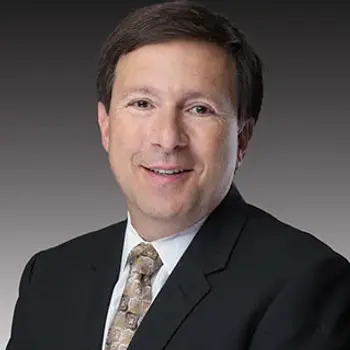
Aligned Orthopedic Partners
A graduate of Queens College and Georgetown University School of Medicine, Dr. Fisch trained in orthopedic surgery at the Montefiore/ Albert Einstein College of Medicine in New York. He received spine training at the Spinecare/ St. Mary’s/ Stanford University Combined Spine Fellowship Program. His areas of special interest include surgery of the cervical, lumbar, and thoracic spine. As a diplomate of the American Board of Orthopaedic Surgery and a Fellow of the American Academy of Orthopaedic Surgeons, Dr. Fisch is trained in all aspects of spine surgery instrumentation, using anterior and posterior approaches. In addition, he is a leader in state-of-the-art spine injections, which frequently enable patients to avoid surgery.SpecialtiesCervical, Thoracic, and Lumbar SpinePrivilegesDr. Fisch performs surgery at Surgical Specialty Center of Mid-Atlantic, Suburban Hospital and the Surgery Center of Rockville. Dr. Fisch is rated as a Distinguished provider by MediFind in the treatment of Sciatica. He is also highly rated in 19 other conditions, according to our data. His clinical expertise encompasses Sciatica, Invertebral Disc Disease, Diffuse Idiopathic Skeletal Hyperostosis, Microdiscectomy, and Herniated Disc Surgery. Dr. Fisch is board certified in Abos. Dr. Fisch is currently accepting new patients.

Texas Health Spine Specialists
"For more than 15 years, Michael Catino, M.D., has specialized in orthopedic spine surgery. He is board-certified by the American Board of Orthopaedic Surgery, and received his medical degree from the University of Pittsburgh. After completing his general surgery internship and orthopedic residency at the University of Pittsburgh Medical Center in Pittsburgh, Pa., Catino finished his fellowship at Maryland Spine Fellowship in Towson, M.D., where he trained with world-renowned surgeon Dr. Paul McAfee. He has co-authored numerous research papers, and is one of the Dallas/Fort Worth area's foremost experts on orthopedic spine surgery.Catino specializes in spine surgery, with an emphasis on complex revision spine surgery. He has a special interest in treating injuries and conditions related to the cervical spine. He takes a conservative approach to spinal care pursuing non-surgical treatment options prior to considering surgery. When surgery is necessary, he employs minimally-invasive techniques whenever possible.Catino joined physical medicine and rehabilitation specialist Dr. Jennifer Zahn</a> at Texas Health Presbyterian Hospital Denton to form the Neck and Back Center, prior to practicing privately and co-founding North Texas Neck and Back.In his earlier years, Catino played college football on a full scholarship. As a defensive player, he learned the importance of staying physically fit. He continues to stay physically active and participates in various endurance events.WATCH NOW:</h5>Patient Testimonial: North Texas Neck and Back (Michael A. Catino, M.D.)</a>". Dr. Catino is rated as a Distinguished provider by MediFind in the treatment of Sciatica. He is also highly rated in 18 other conditions, according to our data. His clinical expertise encompasses Spinal Stenosis, Scoliosis, Cervical Spondylosis, Vertebroplasty, and Bone Graft.
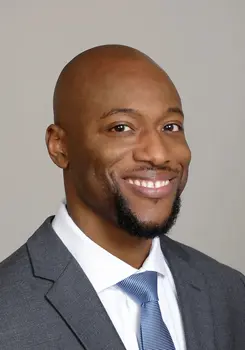
Texas Health Family Care
Antonio Barksdale is a primary care provider, practicing in Family Medicine in Forney, Texas. He has been practicing medicine for over 17 years. Dr. Barksdale is rated as an Advanced provider by MediFind in the treatment of Sciatica. He is also highly rated in 13 other conditions, according to our data. His clinical expertise encompasses Sciatica, Glucocorticoid-Remediable Aldosteronism, Familial Hypertension, and Hypertension.
Often, sciatica gets better on its own. But it is common for it to return.
More serious complications depend on the cause of sciatica, such as slipped disk or spinal stenosis. Sciatica can lead to permanent numbness or weakness of your leg.
Contact your provider right away if you have:
- Unexplained fever with back pain
- Back pain after a severe blow or fall
- Redness or swelling on the back or spine
- Pain traveling down your legs below the knee
- Weakness or numbness in your buttocks, thigh, leg, or pelvis
- Burning with urination or blood in your urine
- Pain that is worse when you lie down, or awakens you at night
- Severe pain and you cannot get comfortable
- Loss of control of urine or stool (incontinence)
Also contact your provider if:
- You have been losing weight unintentionally (not on purpose)
- You use steroids or inject illicit drugs
- You have had back pain before, but this episode is different and feels worse
- This episode of back pain has lasted longer than 4 weeks
Prevention varies, depending on the cause of the nerve damage. Avoid prolonged sitting or lying with pressure on the buttocks.
Having strong back and abdominal muscles is important to avoid sciatica. As you get older, it's a good idea to do exercises to strengthen your core.
Summary: objective of this randomized controlled trial is to examine the efficacy of both tensioner and slider neurodynamic approaches in patients suffering from sciatica. This study seeks to establish which approach is more efficacious in alleviating pain intensity, disability functional, and mobility. The results of this study will assist physical therapists in making an informed decision on the type of ...
Summary: Chronic low back pain is a common and disabling condition that affects millions of people in the United States. Many people with chronic low back pain do not get enough relief from current treatments. Cannabis may help reduce pain, but researchers do not fully understand how it affects the brain in people with chronic pain. The purpose of this study is to examine how inhaled cannabis changes brain...
Published Date: August 27, 2024
Published By: C. Benjamin Ma, MD, Professor, Chief, Sports Medicine and Shoulder Service, UCSF Department of Orthopaedic Surgery, San Francisco, CA. Also reviewed by David C. Dugdale, MD, Medical Director, Brenda Conaway, Editorial Director, and the A.D.A.M. Editorial team.
Ibrahim M, Hurlbert RJ. Nonsurgical and postsurgical management of low back pain. In: Winn HR, ed. Youmans and Winn Neurological Surgery. 8th ed. Philadelphia, PA: Elsevier; 2023:chap 312.
Marques DR, Carroll WE. Neurology. In: Rakel RE, Rakel DP, eds. Textbook of Family Medicine. 9th ed. Philadelphia, PA: Elsevier Saunders; 2016:chap 41.