Spinal TumorSymptoms, Doctors, Treatments, Advances & More
Learn About Spinal Tumor
A spinal tumor is a growth of cells (mass) in or around the spinal cord.
Tumor - spinal cord
Any type of tumor may occur in the spine, including primary and secondary tumors.
Primary tumors: most of these tumors are benign and slow growing.
- Astrocytoma: a tumor of the supporting cells inside the spinal cord
- Meningioma: tumor of the tissue that covers the spinal cord
- Schwannoma: a tumor of the cells surrounding the nerve fibers
- Ependymoma: a tumor of the cells that line the cavities of the brain
- Lipoma: a tumor of the fat cells
Secondary tumors or metastasis: these tumors are cancer cells coming from other areas of the body.
- Prostate, lung, breast, thyroid, and kidney cancer tend to spread to the bones including the spine
- Leukemia: a blood cancer that starts in the white cells in the bone marrow
- Lymphoma: a cancer of the lymph tissue
- Myeloma: a blood cancer that starts in the plasma cells of the bone marrow
The cause of primary spinal tumors is unknown. Some primary spinal tumors occur with certain inherited gene mutations.
Spinal tumors can be located:
- Inside the spinal cord (intramedullary)
- In the membranes (meninges) covering the spinal cord (extramedullary - intradural)
- Between the meninges and bones of the spine (extradural)
- In the spine bones (vertebrae)
As it grows, the tumor can affect the:
- Blood vessels
- Bones of the spine
- Meninges
- Nerve roots
- Spinal cord cells
The tumor may press on the spinal cord or nerve roots, causing damage. With time, the damage may become permanent.
The symptoms depend on the location, type of tumor, and your general health. Secondary tumors that have spread to the spine from another site (metastatic tumors) often progress quickly. Primary tumors often progress slowly over weeks to years.
Symptoms may include:
- Abnormal sensations or loss of sensation, especially in the legs
- Back pain that gets worse over time, is often in the middle or lower back, is usually severe and not relieved by pain medicine, gets worse when lying down or straining (such as during a cough or sneeze), and may extend to the hips or legs
- Loss of bowel control, bladder leakage
- Muscle contractions,twitches, or spasms
- Muscle weakness (decreased muscle strength) in the legs that causes falls, makes walking difficult, and may get worse (progressive) and lead to paralysis
The goal of treatment is to reduce or prevent nerve damage caused by pressure on (compression of) the spinal cord and ensure that you can walk.
Treatment should be given quickly. The more quickly symptoms develop, the sooner treatment is needed to prevent permanent injury. Any new or unexplained back pain in a person with cancer should be promptly and thoroughly investigated.
Treatments may include:
- Corticosteroids (dexamethasone) may be given to reduce inflammation and swelling around the spinal cord.
- Emergency surgery may be needed to relieve compression on the spinal cord. Some tumors can be completely removed. In other cases, part of the tumor may be removed to relieve pressure on the spinal cord.
- Radiation therapy may be used with, or instead of, surgery.
- Chemotherapy has not been proven effective against most primary spinal tumors, but it may be recommended in some cases, depending on the type of tumor.
- Physical therapy may be needed to improve muscle strength and the ability to function independently.
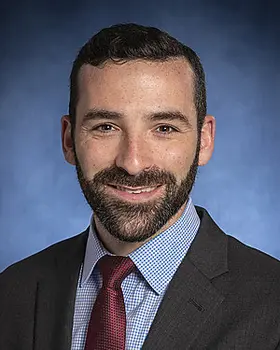
Johns Hopkins Bayview Medical Center
Daniel Lubelski is a General Surgeon and an Oncologist practicing medicine in Baltimore, Maryland. Dr. Lubelski is rated as an Elite provider by MediFind in the treatment of Spinal Tumor. He is also highly rated in 23 other conditions, according to our data. His clinical expertise encompasses Spinal Tumor, Chordoma, Spinal Stenosis, Spinal Fusion, and Laminectomy. Dr. Lubelski is board certified in American Board Of Neurological Surgery. Dr. Lubelski is currently accepting new patients.

Johns Hopkins Outpatient Center
Mari Groves is a Neurosurgery specialist and a General Surgeon practicing medicine in Baltimore, Maryland. Dr. Groves is rated as an Elite provider by MediFind in the treatment of Spinal Tumor. She is also highly rated in 7 other conditions, according to our data. Her clinical expertise encompasses Spinal Tumor, Myelomeningocele, Tethered Cord Syndrome, Osteotomy, and Laminectomy. Dr. Groves is board certified in American Board Of Neurological Surgery and American Board Of Pediatric Neurological Surgery. Dr. Groves is currently accepting new patients.
Jean-paul Wolinsky is a Neurosurgery provider practicing medicine in Chicago, Illinois. Dr. Wolinsky is rated as a Distinguished provider by MediFind in the treatment of Spinal Tumor. He is also highly rated in 12 other conditions, according to our data. His clinical expertise encompasses Chordoma, Bone Tumor, Spinal Tumor, Spinal Fusion, and Laminectomy. Dr. Wolinsky is board certified in American Board Of Neurological Surgery - Neurological Surgery (Certified). Dr. Wolinsky is currently accepting new patients.
The outcome varies depending on the tumor. Early diagnosis and treatment usually leads to a better outcome.
Nerve damage often continues, even after surgery. Although some amount of permanent disability is likely, early treatment may delay major disability and death.
Contact your provider if you have a history of cancer and develop severe back pain that is sudden or gets worse.
Go to the emergency room or call 911 or the local emergency number if you develop new symptoms, or your symptoms get worse during the treatment of a spinal tumor.
Summary: Objective With this prospective natural experiment trial on neurofibromatosis type 2 (NF2) study, we hope to understand the factors leading to tumor progression and neurological disease burden in NF2. Study Population A total of 269 participants, ages 8-75, with a clinical or genetic diagnosis of NF2 will participate in this study. Design Study participants will be evaluated with a thorough physic...
Background: About 90,000 new cases of brain and spinal cord tumors are diagnosed annually in the United States. Most of these tumors are benign; however, about 30% are malignant, and 35% of people with malignant tumors in the brain and spinal cord will die within 5 years. Many of these people have changes in certain genes (MYC or MYCN) that drive the development of their cancers.
Published Date: July 29, 2024
Published By: Warren Brenner, MD, Oncologist, Lynn Cancer Institute, Boca Raton, FL. Review provided by VeriMed Healthcare Network. Also reviewed by David C. Dugdale, MD, Medical Director, Brenda Conaway, Editorial Director, and the A.D.A.M. Editorial team.
Fatima N, Massaad E, Shankar GM, Shin JH. Spinal tumors. In: Steinmetz MP, Berven SH, Benzel EC, eds. Benzel's Spine Surgery. 5th ed. Philadelphia, PA: Elsevier; 2022:chap 70.
Jakubovic R, Ruschin M, Tseng CL, Pejovic-Milic A, Sahgal A, Yang VXD. Surgical resection with radiation treatment planning of spinal tumors. Neurosurgery. 2019;84(6):1242-1250. PMID: 29796646 pubmed.ncbi.nlm.nih.gov/29796646/.
Mellinghoff IK, DeAngelis LM. Tumors of the central nervous system. In: Goldman L, Cooney KA, eds. Goldman-Cecil Medicine. 27th ed. Philadelphia, PA: Elsevier; 2024:chap 175.
Niglas M, Tseng C-L, Dea N, Chang E, Lo S, Sahgal A. Spinal cord compression. In: Niederhuber JE, Armitage JO, Kastan MB, Doroshow JH, Tepper JE, eds. Abeloff's Clinical Oncology. 6th ed. Philadelphia, PA: Elsevier; 2020:chap 54.
Soliman H, Fridely J, Oyelese A, Gokaslan ZL. Management of spinal metastatic tumors. In: Ellenbogen RG, Sekhar LN, Kitchen ND, da Silva Hb, eds. Principles of Neurological Surgery. 4th ed. Philadelphia, PA: Elsevier; 2018:chap 32.