The 20 Best Spinocerebellar Ataxia Type 11 Doctors Near Me in Maryland, US
Find the Top Spinocerebellar Ataxia Type 11 Experts and Specialists

Johns Hopkins Outpatient Center
As the director of the Johns Hopkins Movement Disorders Division, Dr. Kelly Mills cares for patients who have movement disorders such as Parkinson’s disease, atypical parkinsonism, dystonia, ataxia, tremor and Huntington’s disease. He also evaluates and manages patients needing deep brain stimulation to manage their movement symptoms and provides botulinum toxin treatment for various disorders. In his research, Dr. Mills explores the cognitive dysfunction that can occur in movement disorders such as Parkinson’s disease. He is particularly interested in describing the role of the basal ganglia in cognition, especially in the context of various diseases that can affect this structure. His work focuses on clarifying how certain treatments might impact cognitive and psychiatric problems. For instance, Dr. Mills studies how deep brain stimulation, when used to treat movement symptoms, can impact cognitive function such as attention, memory or impulsivity. Dr. Mills is a Maryland native and a graduate of the University of Maryland School of Medicine, where he developed an interest in neurology and movement disorders. He trained at the University of California, San Francisco, where he completed his neurology residency as well as a clinical and research fellowship in movement disorders, with a particular emphasis on deep brain stimulation to treat Parkinson’s disease, tremor and dystonia. Dr. Mills is rated as an Advanced provider by MediFind in the treatment of Spinocerebellar Ataxia Type 11. He is also highly rated in 21 other conditions, according to our data. His clinical expertise encompasses Parkinson's Disease, Movement Disorders, Drug Induced Dyskinesia, Deep Brain Stimulation, and Knee Replacement.
Johns Hopkins Outpatient Center
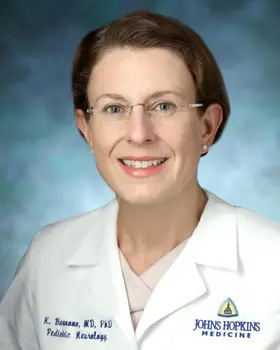
Dr. Barañano earned her M.D. and Ph.D. degrees from the Johns Hopkins University School of Medicine, where she also completed residencies in pediatrics and neurology, along with a fellowship in neurogenetics at the Kennedy Krieger Institute. Dr. Barañano is an Associate Professor of Clinical Neurology. She specializes in the diagnosis and management of rare neurogenetic disorders. She has a particular interest in the genetic control and function of the cerebellum and expertise in childhood-onset and inherited ataxias. She is a member of the multidisciplinary Fetal Management group and is available for prenatal consultations. Dr. Barañano's research includes collaborative efforts with the Johns Hopkins Department of Genetic Medicine and the Division of Neurogenetics at the Kennedy Krieger Institute. Dr. Baranano is rated as an Advanced provider by MediFind in the treatment of Spinocerebellar Ataxia Type 11. She is also highly rated in 22 other conditions, according to our data. Her clinical expertise encompasses Hypotonia, Ohdo Syndrome, Say-Barber-Biesecker-Young-Simpson Variant, Focal or Multifocal Malformations in Neuronal Migration, and Spinocerebellar Ataxia Type 3. Dr. Baranano is board certified in American Board Of Psychiatry And Neurology.

Johns Hopkins Health Care & Surgery Center - Green Spring Station, Lutherville
Liana Rosenthal, M.D. is an Assistant Professor in the Department of Neurology at Johns Hopkins University School of Medicine in Baltimore, Maryland. Dr. Rosenthal completed medical school at Johns Hopkins with an internship at Johns Hopkins Bayview Medical Center. She completed her neurology residency and movement disorder fellowship at The Johns Hopkins Hospital. Dr. Rosenthal is rated as an Advanced provider by MediFind in the treatment of Spinocerebellar Ataxia Type 11. She is also highly rated in 28 other conditions, according to our data. Her clinical expertise encompasses Movement Disorders, Parkinson's Disease, Olivopontocerebellar Atrophy, and Spinocerebellar Ataxia. Dr. Rosenthal is board certified in American Board Of Psychiatry And Neurology.
Johns Hopkins Outpatient Center
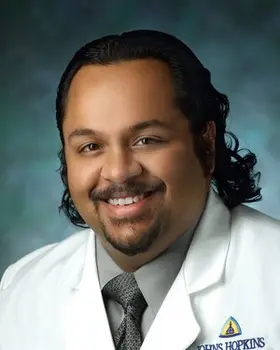
Dr. Ankur Butala specializes in the care of persons with complex neuropsychiatric conditions, including persons with advanced Parkinson Disease or other movement or neurodegenerative disorders. Upon graduating from a selective Physician-Scientist program at Albany Medical College, he joined the University of Massachusetts in an uncommon residency in both Neurology and Psychiatry. Dual-trained neuropsychiatrists such as Dr. Butala have experience with: Parkinson Disease and atypical Parkinsonism, Huntington Disease, Ataxia, Dystonia, early-onset dementia, traumatic brain injury and chronic traumatic encephalopathy, autism spectrum disorders, medication refractory mood and psychotic disorders, epilepsy and functional neurological disorders. In residency, he developed an interest in circuit models of brain function and how non-pharmacological approaches such as Neuromodulation and brain stimulation may be used to address treatment-resistant conditions. Consequently, he joined Johns Hopkins University School of Medicine as a Clinical and Research Fellow from 2015 to 2018, where he developed a skill set including deep brain stimulation, non-invasive brain stimulation (tDCS), and measurement of eye movements. Currently, Dr. Butala's clinical and research interests are in diagnosing and managing persons with advanced Parkinson's Disease, movement disorders, and neuropsychiatric conditions using neuromodulation, cannabinoids, and entheogens. He has ongoing multidisciplinary collaborations with colleagues at the Whiting School of Engineering - Center of Speech & Language Processing in using Machine-Learning Models and Artificial Intelligence to improve the detection and diagnosis of Movement and Neuropsychiatric disorders. LinkedIn https://www.linkedin.com/in/ankurbutalamd Videos Neurology: Junior Faculty Spotlight. Dr. Butala is rated as an Advanced provider by MediFind in the treatment of Spinocerebellar Ataxia Type 11. He is also highly rated in 42 other conditions, according to our data. His clinical expertise encompasses Parkinson's Disease, Corticobasal Degeneration, Movement Disorders, Drug Induced Dyskinesia, and Deep Brain Stimulation. Dr. Butala is board certified in American Board Of Psychiatry And Neurology.

Johns Hopkins Outpatient Center
Dr. Alexander Pantelyat cares for patients with movement disorders such as Parkinson's disease and related syndromes, essential tremor, dystonia, chorea and normal pressure hydrocephalus. He also provides botulinum toxin injections for movement disorders and is involved in deep brain stimulation programming and intraoperative neurophysiological monitoring.His research explores atypical parkinsonian disorders, such as dementia with Lewy bodies, progressive supranuclear palsy, corticobasal syndrome/degeneration and multiple system atrophy; cognitive aspects of movement disorders; and music-based rehabilitation of neurodegenerative diseases.Dr. Pantelyat earned his medical degree from Temple University School of Medicine in Philadelphia, where he was elected a member of the Alpha Omega Alpha Honor Medical Society and received the Matthew T. Moore Prize in Neurology. He completed his residency training in Neurology at the University of Pennsylvania in Philadelphia, and a fellowship in movement disorders at the University of Pennsylvania/Philadelphia VA Medical Center. As part of his fellowship, Dr. Pantelyat also completed the Clinical Research Certificate Program at the Center for Clinical Epidemiology and Biostatistics. He is a 2013 American Academy of Neurology Palatucci Advocacy Leader and grant recipient. Dr. Pantelyat is rated as an Advanced provider by MediFind in the treatment of Spinocerebellar Ataxia Type 11. He is also highly rated in 39 other conditions, according to our data. His clinical expertise encompasses Progressive Supranuclear Palsy Atypical, Progressive Supranuclear Palsy, Supranuclear Ophthalmoplegia, and Movement Disorders.

Johns Hopkins Outpatient Center
Dr. Moukheiber trained in neurology at Tufts Medical Center and completed his fellowship in movement disorders at Johns Hopkins. His primary interests include using telehealth/teleneurology to help bridge the gap between tertiary care available in well-funded facilities and the dearth of it in significantly underserved and remote areas; especially pertaining to movement disorders in general and ataxia in particular. He has worked with a number of non-government organizations and founded his own entity that provides home health care in the form of advanced nursing, physical therapy and occupational therapy to underserved communities in third world countries, with particular emphasis on neurodegenerative diseases. Dr. Moukheiber is rated as an Advanced provider by MediFind in the treatment of Spinocerebellar Ataxia Type 11. He is also highly rated in 22 other conditions, according to our data. His clinical expertise encompasses Stiff Person Syndrome, Movement Disorders, Parkinson's Disease, and Drug Induced Dyskinesia. Dr. Moukheiber is board certified in American Board Of Psychiatry And Neurology.

Johns Hopkins Outpatient Center
With fellowship training in neuro-ophthalmology and additional training in neuro-vestibular disorders, Dr. Daniel Gold sees patients with neuro-ophthalmic disorders (affecting vision, eyelids, pupils, or causing nystagmus or double vision) in addition to oto-neurologic disorders (causing dizziness and vertigo). Videos 2018 Best Consulting Physician Award Tele-(Dizzy) Medicine. Dr. Gold is rated as an Experienced provider by MediFind in the treatment of Spinocerebellar Ataxia Type 11. He is also highly rated in 12 other conditions, according to our data. His clinical expertise encompasses Vertigo, Benign Paroxysmal Positional Vertigo, Brown Syndrome, and Stiff Person Syndrome. Dr. Gold is board certified in American Board Of Psychiatry And Neurology.

Johns Hopkins Outpatient Center
Neurologist Ashley Paul specializes in movement disorders and also serves as a clinician educator. Dr. Paul has expertise in Parkinson's Disease, atypical parkinsonism, tremors, chorea, dystonia, ataxia, restless leg syndrome, rapid eye movement sleep behavioral disorders, periodic limb movement of sleep and deep brain stimulation. She offers botulinum toxin injections for the treatment of dystonia. Dr. Paul is rated as an Experienced provider by MediFind in the treatment of Spinocerebellar Ataxia Type 11. Her clinical expertise encompasses Hereditary Ataxia, Corticobasal Degeneration, Parkinson's Disease, and Movement Disorders. Dr. Paul is board certified in American Board Of Psychiatry And Neurology.

Johns Hopkins Outpatient Center
Dr. Argye Hillis is a professor of Neurology, with joint faculty appointments in Physical Medicine and Rehabilitation and in Cognitive Science. She is also the Sheikh Khalifa Stroke Institute Professor of Acute Stroke Diagnoses and Management. Prior to medical training and neurology residency, Dr. Hillis worked as a speech-language pathologist, and conducted clinical research focusing on understanding and treating aphasia and hemispatial neglect. She has brought these areas of experience to impact on her clinical research in neurology, which involves cognitive and neuroimaging studies of aphasia and hemispatial neglect due to acute stroke and focal dementias. She has published extensively on these topics in journals and textbooks. Dr. Hillis is Associate Editor of Stroke and has served as Associate editor of Brain, Annals of Neurology, Aphasiology, American Journal of Speech-Language Pathology, Neurocase, Cognitive Neuropsychology, and Language and Cognitive Processes and served as co-Editor and Chief of Behavioral Neurology. Dr. Hillis serves as the Executive Vice Chair of the Department of Neurology and the Director of the Cerebrovascular Division of Neurology at Johns Hopkins. Dr. Hillis is rated as an Experienced provider by MediFind in the treatment of Spinocerebellar Ataxia Type 11. She is also highly rated in 11 other conditions, according to our data. Her clinical expertise encompasses Primary Progressive Aphasia, Stroke, Frontotemporal Dementia, Thrombectomy, and Gastrostomy. Dr. Hillis is board certified in American Board Of Psychiatry And Neurology.
Kennedy Krieger Institute
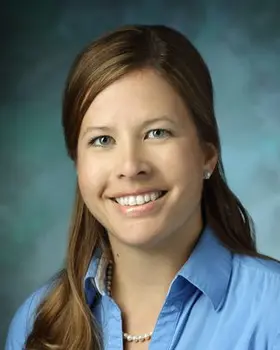
Sarah Korth, M.D. is an instructor at the Johns Hopkins Department of Physical Medicine and Rehabilitation. She serves as an attending physician at The Johns Hopkins Hospital and the Kennedy Krieger Institute. Dr. Korth’s interests include neuroplasticity of the developing brain, maximizing mobility, spasticity management, neurogenic bowel and bladder management, and a whole-person approach to management of children and adults with congenital conditions, including cerebral palsy and spina bifida. Dr. Korth’s rehabilitation-focused care aims to help people with congenital and acquired disabilities reach their maximum function. Dr. Korth also has an ongoing interest in methods of decreasing health disparities in developing countries. While in medical school, Dr. Korth initiated and developed a sustainable-changes health program called The Paraiso Project in rural Dominican Republic that she actively continues to direct. Dr. Korth is rated as an Experienced provider by MediFind in the treatment of Spinocerebellar Ataxia Type 11. She is also highly rated in 7 other conditions, according to our data. Her clinical expertise encompasses Myelomeningocele, Hydrocele, Cerebral Palsy, and Neurogenic Bowel. Dr. Korth is board certified in American Board Of Physical Medicine And Rehabilitation and American Board Of Pediatrics.

Johns Hopkins Outpatient Center
Dr. Jee Bang cares for patients with disorders of cognition and movement, such as Huntington disease, progressive supranuclear palsy, corticobasal degeneration, multiple system atrophy, dementia with Lewy bodies, frontotemporal dementia, and Alzheimer disease. Dr. Bang is rated as an Experienced provider by MediFind in the treatment of Spinocerebellar Ataxia Type 11. She is also highly rated in 7 other conditions, according to our data. Her clinical expertise encompasses Mcleod Neuroacanthocytosis Syndrome, Huntington Disease, Progressive Supranuclear Palsy, and Supranuclear Ocular Palsy. Dr. Bang is board certified in American Board Of Psychiatry And Neurology.
Kennedy Krieger Associates
Dr. Hilary E. Gwynn is an instructor on the medical staff at Kennedy Krieger Institute in the Division of Neurology and Developmental Medicine. She teaches medical trainees and provides patient care at the Center for Development and Learning and on the Pediatric Rehabilitation Unit. She is also the site coordinator for the Johns Hopkins pediatric resident developmental disabilities rotation at the Kennedy Krieger Institute. Dr. Gwynn earned her medical degree at the University of Maryland School of Medicine in Baltimore, Maryland in 2000 and completed her pediatrics residency there in 2003. She subsequently joined the Kennedy Krieger Institute in 2003 to attend the fellowship in neurodevelopmental disabilities through the Kennedy Krieger Institute and Johns Hopkins University School of Medicine. Since graduation from the fellowship program in 2007, she has been an active member of the medical staff at Kennedy Krieger Institute. She teaches medical trainees and provides patient care at the Center for Development and Learning and on the Pediatric Rehabilitation Unit. She is also a member of the clinical staff of the Department of Pediatrics at Johns Hopkins School of Medicine. Contact for Research Inquiries 801 N. Broadway Baltimore, MD 21205 Phone: (443) 923-3246 Research Summary Dr. Gwynn's clinical and research interests include diagnosis and treatment of the child with developmental disability. She is also investigating medical training methodology as it applies to resident and fellow training in the practice of developmental medicine and child neurology. Dr. Gwynn is rated as an Experienced provider by MediFind in the treatment of Spinocerebellar Ataxia Type 11. She is also highly rated in 15 other conditions, according to our data. Her clinical expertise encompasses Cerebral Palsy, Focal Dystonia, Spastic Diplegia Infantile Type, and Moebius Syndrome.
Neurological Medicine P.A.
Lawrence Whicker is a Neurologist practicing medicine in Greenbelt, Maryland. Dr. Whicker is rated as an Experienced provider by MediFind in the treatment of Spinocerebellar Ataxia Type 11. He is also highly rated in 35 other conditions, according to our data. His clinical expertise encompasses Autosomal Dominant Partial Epilepsy with Auditory Features, Memory Loss, Seizures, and Peripheral Neuropathy.
Office
Joseph Savitt is a Neurologist practicing medicine in Baltimore, Maryland. Dr. Savitt is rated as an Advanced provider by MediFind in the treatment of Spinocerebellar Ataxia Type 11. He is also highly rated in 42 other conditions, according to our data. His clinical expertise encompasses Parkinson's Disease, Movement Disorders, Supranuclear Ocular Palsy, Progressive Supranuclear Palsy Atypical, and Gastrostomy.
TidalHealth Specialty Care LLC
Robert Paschall is a Neurologist practicing medicine in Salisbury, Maryland. Dr. Paschall is rated as an Advanced provider by MediFind in the treatment of Spinocerebellar Ataxia Type 11. He is also highly rated in 83 other conditions, according to our data. His clinical expertise encompasses Epilepsy, Stroke, Memory Loss, Seizures, and Gastrostomy.
University Of Maryland Pediatric Associates PA
Stephen Reich is a Neurologist practicing medicine in Baltimore, Maryland. Dr. Reich is rated as an Advanced provider by MediFind in the treatment of Spinocerebellar Ataxia Type 11. He is also highly rated in 30 other conditions, according to our data. His clinical expertise encompasses Movement Disorders, Parkinson's Disease, Supranuclear Ophthalmoplegia, Deep Brain Stimulation, and Gastrostomy.
Johns Hopkins Hospital
David Zee is a Neurologist practicing medicine in Baltimore, Maryland. Dr. Zee is rated as an Advanced provider by MediFind in the treatment of Spinocerebellar Ataxia Type 11. He is also highly rated in 23 other conditions, according to our data. His clinical expertise encompasses Vertigo, Brown Syndrome, Benign Paroxysmal Positional Vertigo, and Cerebelloparenchymal Disorder 3.

Johns Hopkins Outpatient Center
Dr. Ricardo Roda earned a combined MD/PhD degree from University of Rochester and completed an adult neurology residency, followed by a clinical neuromuscular fellowship at Johns Hopkins University School of Medicine. During residency, Dr. Roda developed a special interest in both auto-immune disorders and genetic disorders. Following residency, he spent three years in neurogenetics branch of National Institute of Neurological Disorders and Stroke (NINDS) working with Dr. Craig Blackstone, focusing on the use of the newer DNA sequencing techniques in genetic diagnosis, and in establishing genotype/phenotype correlations neuromuscular disorders. His current clinical interests include developing testing strategies for undiagnosed genetic disorders and myasthenia gravis. Dr. Roda is rated as an Experienced provider by MediFind in the treatment of Spinocerebellar Ataxia Type 11. He is also highly rated in 22 other conditions, according to our data. His clinical expertise encompasses Spastic Paraplegia Type 7, Myasthenia Gravis, Spastic Paraplegia Type 2, and Hereditary Spastic Paraparesis. Dr. Roda is board certified in American Board Of Psychiatry And Neurology.

Prince George's County
Laura Tochen, MD, is a pediatric neurologist with specialized training in pediatric movement disorders. She treats children with tics, Tourette Syndrome, dystonia, ataxia, chorea, cerebral palsy and inherited conditions that may cause involuntary movements. Dr. Tochen has a particular interest in the use of deep brain stimulation to treat pediatric movement disorders. Her research interests include investigating the anatomical mechanisms underlying movement disorders and improvements in treatment options. In her spare time, Dr. Tochen enjoys spending time with family, crafting, and cooking. Publications Google Scholar. Dr. Tochen is rated as an Experienced provider by MediFind in the treatment of Spinocerebellar Ataxia Type 11. She is also highly rated in 16 other conditions, according to our data. Her clinical expertise encompasses CACH Syndrome, Stereotypic Movement Disorder, Tourette Syndrome, Chorea, and Deep Brain Stimulation. Dr. Tochen is board certified in American Board Of Psychiatry And Neurology, 2014.

Johns Hopkins Outpatient Center
Dr. Probasco is a professor at the Johns Hopkins University School of Medicine Department of Neurology. He is the Vice Chair for Quality, Safety, and Service for the department. He also serves as the Director of the Johns Hopkins Division of Advanced Clinical Neurology as well as the Medical Director of the Johns Hopkins Inpatient General Neurology Service. He co-directs the Johns Hopkins Encephalitis Center and the Johns Hopkins Center for Refractory Status Epilepticus and Neuroinflammation. He cares for general neurology inpatients and outpatients, specializing in autoimmune and paraneoplastic syndromes as well as neurological immune-related adverse events following immunotherapies for cancer. After completing his undergraduate studies in biochemistry at the University of New Mexico, Dr. Probasco attended the University of Oxford as a Rhodes Scholar and earned a second undergraduate degree in psychology, philosophy and physiology. He went on to earn his medical degree at the University of California, San Francisco. He completed an internship in internal medicine at Johns Hopkins Bayview Medical Center and a residency in neurology at Johns Hopkins, where he was the faculty liaison/executive chief resident. He went on to complete an instructorship in inpatient general neurology at Johns Hopkins. Dr. Probasco’s research interests include increasing care value through improving outcomes, incorporation of patient experience of disease and treatment, the efficiency of care delivery, and diagnostic test utilization in general and specifically in relation to autoimmune and paraneoplastic neurological syndromes, including encephalitis. Finally, he is interested in the management of neurological immune-related adverse events following immunotherapies for the treatment of cancer. Dr. Probasco has been recognized at the departmental, institutional, and national levels for teaching and clinical excellence, including the American Academy of Neurology’s A.B. Baker Teacher Recognition Award and the Frank L. Coulson, Jr. Award from the Johns Hopkins Medicine Miller-Coulson Academy of Clinical Excellence. He is a past graduate of the Johns Hopkins Armstrong Institute Resident Scholars (AIRS) program in Patient Safety and Quality. As a faculty member, he was inducted into the Miller-Coulson Academy of Clinical Excellence in 2019. He serves as Editor-in-Chief of NEJM Journal Watch Neurology. Videos The impact of COVID-19 on the Department of Neurology‚Äôs clinical care and medical education programs. Dr. Probasco is rated as an Experienced provider by MediFind in the treatment of Spinocerebellar Ataxia Type 11. He is also highly rated in 7 other conditions, according to our data. His clinical expertise encompasses Encephalitis, Anti-NMDA Receptor Encephalitis, Status Epilepticus, Creutzfeldt-Jakob Disease, and Gastrostomy. Dr. Probasco is board certified in American Board Of Psychiatry And Neurology.
Last Updated: 06/30/2026