Trichorhinophalangeal Syndrome Type 2Symptoms, Doctors, Treatments, Advances & More
Learn About Trichorhinophalangeal Syndrome Type 2
Trichorhinophalangeal syndrome type II (TRPS II) is a condition that causes bone and joint malformations; distinctive facial features; intellectual disability; and abnormalities of the skin, hair, teeth, sweat glands, and nails. The name of the condition describes some of the areas of the body that are commonly affected: hair (tricho-), nose (rhino-), and fingers and toes (phalangeal).
TRPS II is caused by the deletion of genetic material on the long arm (q) of chromosome 8. The size of the deletion varies among affected individuals; studies suggest that larger deletions tend to result in a greater number of features than do smaller deletions.
TRPS II is a rare condition; its prevalence is unknown.
Most cases of TRPS II are not inherited, but occur as random events during the formation of reproductive cells (eggs or sperm) in a parent of an affected individual. These cases occur in people with no history of the disorder in their family. In a very small number of cases, people with TRPS II have inherited the chromosomal deletion from a parent with the condition.
Maria Bonati practices practicing medicine in Trieste, Italy. Ms. Bonati is rated as an Elite expert by MediFind in the treatment of Trichorhinophalangeal Syndrome Type 2. She is also highly rated in 7 other conditions, according to our data. Her clinical expertise encompasses Trichorhinophalangeal Syndrome Type 2, Boucher-Neuhauser Syndrome, Russell-Silver Dwarfism, and Occipital Horn Syndrome.
Yutaka Shimomura practices practicing medicine in Ube, Japan. Mr. Shimomura is rated as an Elite expert by MediFind in the treatment of Trichorhinophalangeal Syndrome Type 2. He is also highly rated in 34 other conditions, according to our data. His clinical expertise encompasses Woolly Hair Syndrome, Trichorhinophalangeal Syndrome Type 2, Monilethrix, Autosomal Recessive Hypotrichosis, and Pancreaticoduodenectomy.
Indian River Health Services Inc
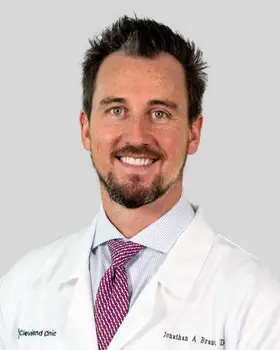
Jonathan Braue is a Dermatologist practicing medicine in Vero Beach, Florida. Dr. Braue is rated as an Experienced provider by MediFind in the treatment of Trichorhinophalangeal Syndrome Type 2. He is also highly rated in 56 other conditions, according to our data. His clinical expertise encompasses Sunburn, Actinic Keratosis, Warts, and Seborrheic Keratosis. Dr. Braue is board certified in American Board Of Dermatology, 2019. Dr. Braue is currently accepting new patients.
Published Date: June 01, 2017
Published By: National Institutes of Health