Triple A SyndromeSymptoms, Doctors, Treatments, Advances & More
Learn About Triple A Syndrome
Triple A syndrome, also called Allgrove syndrome, is an inherited condition that gets its name from three specific features: achalasia, adrenal insufficiency, and alacrima. Most people with triple A syndrome have all three of these features, although some have only two.
Variants (also called mutations) in the AAAS gene cause triple A syndrome. This gene provides instructions for making a protein called ALADIN. ALADIN appears to be very active in the cells of the adrenal glands, brain, and digestive system. ALADIN is located in the nuclear envelope, which is the structure that surrounds the nucleus and separates it from the rest of the cell. ALADIN helps determine which molecules can enter and exit the nucleus.
Triple A syndrome is a rare condition; it is estimated to affect 1 in 1 million individuals. However, it is likely that many people with this condition never receive a diagnosis.
This condition is inherited in an autosomal recessive pattern, which means both copies of the gene in each cell must have a variant to cause the disorder. The parents of an individual with an autosomal recessive condition each carry one copy of the altered gene, but they typically do not show signs and symptoms of the condition.
Candelas Clinic - Diabetes & Endocrinology & Education
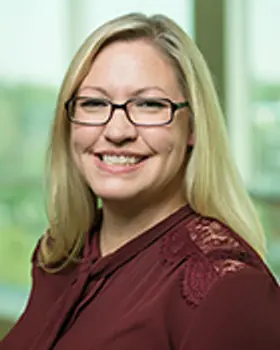
Originally from Sioux Falls, South Dakota, Dr. O'Day earned her medical degree from the University of Minnesota Medical School in the Twin Cities. She completed an internship and residency in internal medicine at Brigham and women's Hospital in Boston, and a fellowship in endocrinology, diabetes and metabolism at the New York University School of Medicine in New York. Dr. O'Day is board certified in internal medicine and endocrinology, diabetes and metabolism.Dr. O'Day has a special interest in diabetes management, cystic fibrosis related diabetes, thyroid disorders, thyroid cancer, pituitary disorders, polycystic ovarian syndrome, osteoporosis and adrenal disorders. Prior to relocating to Denver, Dr. O'Day was working as an endocrinologist in Minnesota, in the Twin Cities area.Dr. O'Day and her family moved from Minneapolis to Denver for the sunshine and the mountains. During her free time she enjoys hiking with her husband and son, and all things Disney. Dr. O'day is rated as an Advanced provider by MediFind in the treatment of Triple A Syndrome. She is also highly rated in 23 other conditions, according to our data. Her clinical expertise encompasses Addison's Disease, Secondary Adrenal Insufficiency, Triple A Syndrome, and Adrenal Insufficiency Pediatric. Dr. O'day is board certified in American Board Of Radiology. Dr. O'day is currently accepting new patients.

Swedish Edmonds Specialty Clinic
An endocrinologist is a physician who specializes in diagnosing and managing hormone imbalances – diseases that affect your glands. This can include many conditions related to obesity such as diabetes, lipid disorders and thyroid disease. Dr. Geamanu believes in partnering with patients to first fully educate them about hormone imbalances and diseases caused by obesity, and then to develop individualized treatments plans that may include diet, exercise and prescribed medications when appropriate. “Obesity is our greatest health concern,” says Dr. Geamanu. “My goal is to help educate patients about how to prevent obesity through diet and exercise. Prevention is the key to success.”. Dr. Geamanu is rated as an Advanced provider by MediFind in the treatment of Triple A Syndrome. She is also highly rated in 33 other conditions, according to our data. Her clinical expertise encompasses Type 2 Diabetes (T2D), Hyperparathyroidism, Triple A Syndrome, and Hypothyroidism. Dr. Geamanu is board certified in American Board Of Internal Medicine. Dr. Geamanu is currently accepting new patients.

Reading Hospital Endocrinology & Diabetes Center Wyomissing
Vinita Singh is an Internal Medicine specialist and an Endocrinologist practicing medicine in Wyomissing, Pennsylvania. Dr. Singh is rated as an Advanced provider by MediFind in the treatment of Triple A Syndrome. She is also highly rated in 35 other conditions, according to our data. Her clinical expertise encompasses Thyroid Storm, Addison's Disease, Hyperthyroidism, and Hyperparathyroidism. Dr. Singh is board certified in American Board Of Internal Medicine.
Summary: CoRDS, or the Coordination of Rare Diseases at Sanford, is based at Sanford Research in Sioux Falls, South Dakota. It provides researchers with a centralized, international patient registry for all rare diseases. This program allows patients and researchers to connect as easily as possible to help advance treatments and cures for rare diseases. The CoRDS team works with patient advocacy groups, in...
Published Date: August 22, 2025
Published By: National Institutes of Health