Trisomy 18Symptoms, Doctors, Treatments, Advances & More
Learn About Trisomy 18
Trisomy 18, also called Edwards syndrome, is a chromosomal condition associated with abnormalities in many parts of the body. Individuals with trisomy 18 often have slow growth before birth (intrauterine growth retardation) and a low birth weight. Affected individuals may have heart defects and abnormalities of other organs that develop before birth. Other features of trisomy 18 include a small, abnormally shaped head; a small jaw and mouth; and clenched fists with overlapping fingers. Due to the presence of several life-threatening medical problems, many individuals with trisomy 18 die before birth or within their first month. Five to 10 percent of children with this condition live past their first year, and these children often have severe intellectual disability.
Most cases of trisomy 18 result from having three copies of chromosome 18 in each cell in the body instead of the usual two copies. The extra genetic material disrupts the normal course of development, causing the characteristic features of trisomy 18.
Trisomy 18 occurs in about 1 in 5,000 live-born infants; it is more common in pregnancy, but many affected fetuses do not survive to term. Although women of all ages can have a child with trisomy 18, the chance of having a child with this condition increases as a woman gets older.
Most cases of trisomy 18 are not inherited, but occur as random events during the formation of eggs and sperm. An error in cell division called nondisjunction results in a reproductive cell with an abnormal number of chromosomes. For example, an egg or sperm cell may gain an extra copy of chromosome 18. If one of these atypical reproductive cells contributes to the genetic makeup of a child, the child will have an extra chromosome 18 in each of the body's cells.
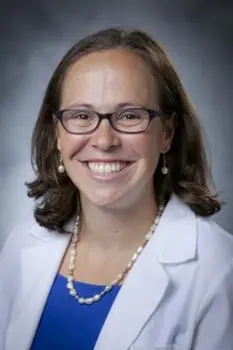
Duke Perinatal Consultants Of Cary
Sarah Dotters-Katz is a Neonatologist and an Obstetrics and Gynecologist practicing medicine in Cary, North Carolina. Dr. Dotters-Katz is rated as an Elite provider by MediFind in the treatment of Trisomy 18. She is also highly rated in 14 other conditions, according to our data. Her clinical expertise encompasses Trisomy 13, Chromosome 13q Duplication, Trisomy 18, Hysterectomy, and Tubal Ligation. Dr. Dotters-Katz is board certified in American Board Of Obstetrics/Gynecology, Obstetrics & Gynecology and American Board Of Preventative Medicine, Maternal & Fetal Medicine. Dr. Dotters-Katz is currently accepting new patients.

Center For Complex Obstetric Medicine
Mary Norton is a Neonatologist and a Medical Genetics provider practicing medicine in San Francisco, California. Dr. Norton is rated as a Distinguished provider by MediFind in the treatment of Trisomy 18. She is also highly rated in 20 other conditions, according to our data. Her clinical expertise encompasses Fetal Edema, Hydrops Fetalis, Alpha Thalassemia, and Hemolytic Disease of the Newborn. Dr. Norton is board certified in American Board Of Obstetrics And Gynecology, Obstetrics & Gynecology, American Board Of Medical Genetics And Genomics, Clinical Genetics And Genomics, and American Board Of Obstetrics And Gynecology, Maternal-Fetal Medicine. Dr. Norton is currently accepting new patients.
OHSU Hospital
Aaron Caughey is a Neonatologist and an Obstetrics and Gynecologist practicing medicine in Portland, Oregon. Dr. Caughey is rated as an Elite provider by MediFind in the treatment of Trisomy 18. He is also highly rated in 36 other conditions, according to our data. His clinical expertise encompasses Gestational Diabetes, Endometritis, Preeclampsia, Intrauterine Device Insertion, and Hysterectomy. Dr. Caughey is currently accepting new patients.
Summary: The goal of the ADVANCE (Assay Development and Validation for Pre-Natal and Obstetric Conditions) study is to compare the concordance of results of a novel non-invasive circulating fetal cell (CFC) assay to the results of prenatal invasive diagnostic testing or postnatal genetic and clinical diagnosis of the resulting neonate. This is a prospective study of pregnant individuals.
Published Date: February 16, 2021
Published By: National Institutes of Health