MediFind found 82 doctor with experience in Cortical Dysplasia near Maryland, US. Of these, 67 are Experienced, 13 are Advanced, 1 are Distinguished and 1 are Elite.
University Of Maryland Neurology Associates PA
Peter Crino is a Neurologist in Baltimore, Maryland. Dr. Crino is rated as an Elite provider by MediFind in the treatment of Cortical Dysplasia. His top areas of expertise are Tuberous Sclerosis, Tuberous Sclerosis Complex, Cortical Dysplasia, Increased Head Circumference, and Gastrostomy. Dr. Crino is currently accepting new patients.

Rubenstein Child Health Building
Dr. Julie Hoover-Fong is a Professor of Genetic Medicine and Pediatrics and Director of the Greenberg Center for Skeletal Dysplasias at Johns Hopkins University. Dr. Hoover-Fong holds a bachelor’s degree in Human Nutrition from The Ohio State University, where she also completed her medical degree. She received her Ph.D. in the Graduate Training Program in Clinical Investigation at the Johns Hopkins University School of Medicine and Bloomberg School of Public Health. Dr. Hoover-Fong completed a pediatric internship and residency at Washington University in St. Louis and a fellowship in medical genetics at Johns Hopkins University in Baltimore. She joined the Johns Hopkins University faculty in 2002 and progressed to Professor of Genetic Medicine and Pediatrics in 2019. She practices and oversees the clinical operations, research and educational ventures for the patients, families and healthcare providers served by the Greenberg Center. Her clinical team develops and improves diagnostic and treatment guidelines for comprehensive care of patients with all types of bone conditions including dwarfism, orofacial clefting, craniosynostosis and more. Dr. Hoover-Fong also mentors and teaches medical students, residents and genetic medicine trainees. As an active clinical researcher, Dr. Hoover-Fong is the Principal Investigator of multiple global clinical trials for achondroplasia, the first multi-center, investigator-initiated natural history study for achondroplasia, and multiple clinical studies for patients with orofacial clefting, hypophosphatasia and other conditions. She is also a co-investigator on the ELSI and Phenotype Review Committees for the Mendel Project, a whole exome sequencing venture to identify the genetic cause of Mendelian conditions. From an institutional service perspective, Dr. Hoover-Fong serves on the Johns Hopkins Associate Professor Promotions Committee and the Advisory Committee for the Graduate Training Program in Clinical Investigation. She serves on the Medical Advisory Board of the Little People of America, is a member of the Miller-Coulson Academy of Clinical Excellence at Johns Hopkins University and is a charter member of the International Skeletal Dysplasia Management Consortium, publishing best practice guidelines for patients with skeletal dysplasias. Dr. Hoover is rated as an Advanced provider by MediFind in the treatment of Cortical Dysplasia. Her top areas of expertise are Achondroplasia, Rhizomelic Syndrome, Spondyloepimetaphyseal Dysplasia Strudwick Type, Adenoidectomy, and Myringotomy.

Rubenstein Child Health Building
Dr. Nara Lygia De Macena Sobreira is an assistant professor at the McKusick-Nathans Department of Genetic Medicine at Johns Hopkins University School of Medicine. Her area of expertise is rare Mendelian phenotypes, analysis of next-generation sequencing, and functional testing of candidate causative variants. She earned her M.D. at the University of Pernambuco in Brazil. She finished her Ph.D. in Human Genetics at Johns Hopkins followed by a one-year postdoc also at Johns Hopkins School of Medicine. During her Ph.D., she worked with Dr. David Valle using next-generation sequencing to elucidate the molecular basis of rare Mendelian phenotypes and in 2010 she discovered PTPN11 as the gene responsible for metachondromatosis by using whole-genome sequencing. She completed residencies in clinical genetics at both Universidade Federal de Sao Paulo and Johns Hopkins. Her main clinical and research focus is on identifying the genetic bases of rare phenotypes, mainly, phenotypes associated with cartilage tumors and vascular anomalies (including Ollier disease and Maffucci syndrome), and on understanding the physiopathology of these phenotypes to identify pharmacological strategies to treat them. She has worked extensively on developing strategies to better analyze the variants identified by next-generation sequencing and on novel strategies for data sharing. She participated on the development of PhenoDB, a phenotypic and genomic database, and created PhenoDB Variant Analysis Tool used worldwide. She is also one of the creators of GeneMatcher, VariantMatcher, and one of the co-founders of the Matchmaker Exchange, all intended to share next-generation sequencing data. She has also worked extensively on functional studies that evaluate the possible pathogenic effects of the candidate causative variants. Recent News Articles and Media Coverage Living the Hopkins Mission Honorees, Johns Hopkins Medicine Successes in Characterizing Genes through GeneMatcher with Nara L. M. Sobreira, MD, PhD, Ambry Genetics (April 30, 2018) Enfermedades raras: el desafio es encontrar otros pacientes que tienen el mismo mal, Lun (26 de septiembre de 2019) 2021 Science Writers' Boot Camp, Johns Hopkins Medicine (June 7, 2021) Making the Perfect Match, Johns Hopkins Medicine (February 1, 2020). Dr. De Macena Sobreira is rated as an Advanced provider by MediFind in the treatment of Cortical Dysplasia. Her top areas of expertise are Spondyloepimetaphyseal Dysplasia Strudwick Type, Greenberg Dysplasia, Blepharophimosis, and Early Infantile Epileptic Encephalopathy.

Charter Radiology LLC
Dr. Kathuria received his medical degree and completed his radiology residency training from Pt. B.D. Sharma Postgraduate Institute of Medical Sciences in India. To understand the impact of diseases, their prevention and cure at broad population level, he spent two years pursuing a masters in public health at University at Buffalo, SUNY. He then completed three fellowship trainings including diagnostic neuroradiology, interventional neuroradiology and advanced neuroimaging from University of Rochester, NY. He joined Johns Hopkins as a faculty member in April 2008. He went on to complete three fellowship trainings including diagnostic neuroradiology, interventional neuroradiology and advanced neuroimaging from University of Rochester, NY. He then served as a Johns Hopkins faculty member before leaving Johns Hopkins to work in a private practice. Dr. Kathuria has been recognized with awards including the 2010 Best Scientific Exhibit Award at the ASSR Annual Symposium for Percutaneous Technique in Approaching Anterior Epidural Space for Diagnosis and Therapeutic Interventions and a 2007 Certificate of Merit for diffusion tensor imaging and fiber tracking in Wallerian degeneration at the American Roentgen Ray Society Annual Meeting. Dr. Kathuria is rated as an Advanced provider by MediFind in the treatment of Cortical Dysplasia. His top areas of expertise are Herniated Disk, Scoliosis, Familial Porencephaly, Choroid Plexus Cyst, and Vertebroplasty.
Johns Hopkins Outpatient Center
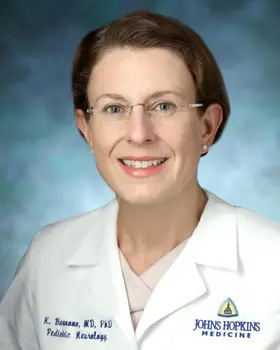
Dr. Barañano earned her M.D. and Ph.D. degrees from the Johns Hopkins University School of Medicine, where she also completed residencies in pediatrics and neurology, along with a fellowship in neurogenetics at the Kennedy Krieger Institute. Dr. Barañano is an Associate Professor of Clinical Neurology. She specializes in the diagnosis and management of rare neurogenetic disorders. She has a particular interest in the genetic control and function of the cerebellum and expertise in childhood-onset and inherited ataxias. She is a member of the multidisciplinary Fetal Management group and is available for prenatal consultations. Dr. Barañano's research includes collaborative efforts with the Johns Hopkins Department of Genetic Medicine and the Division of Neurogenetics at the Kennedy Krieger Institute. Dr. Baranano is rated as an Advanced provider by MediFind in the treatment of Cortical Dysplasia. Her top areas of expertise are Hypotonia, Ohdo Syndrome, Say-Barber-Biesecker-Young-Simpson Variant, Focal or Multifocal Malformations in Neuronal Migration, and Hereditary Ataxia.

Rubenstein Child Health Building
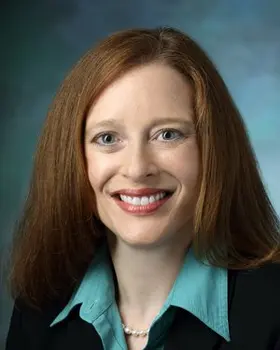
Sonja Rasmussen, MD, MS is Professor in the Department of Genetic Medicine at Johns Hopkins School of Medicine. She joined Johns Hopkins after 4 years at the University of Florida (UF) College of Medicine and College of Public Health and Health Professions where she served as a Professor in the Departments of Pediatrics, Epidemiology, and Obstetrics and Gynecology and as the Director of UF’s Precision Health Program. Before joining University of Florida in 2018, she served for 20 years at the Centers for Disease Control and Prevention (CDC) in Atlanta, where she held several scientific leadership roles. She served in leadership roles during several CDC responses to public health emergencies, including 2009 H1N1 influenza, H7N9 influenza, Middle East Respiratory Syndrome (MERS), and Zika virus. Dr. Rasmussen is an author on >300 peer-reviewed publications and is the lead editor of The CDC Field Epidemiology Manual, released by Oxford University Press in 2019. Her research interests focus on understanding the effects of infections and medications during pregnancy, genetic and environmental risk factors for birth defects, and morbidity and mortality associated with genetic conditions. Dr. Rasmussen is rated as an Advanced provider by MediFind in the treatment of Cortical Dysplasia. Her top areas of expertise are Microcephaly, Achalasia Microcephaly Syndrome, Gastroschisis, and Cortical Dysplasia.
Rubenstein Child Health Building
Dr. Jill A. Fahrner is an assistant professor in the Departments of Genetic Medicine and Pediatrics at the Johns Hopkins University School of Medicine. Her area of clinical expertise is medical genetics. Dr. Fahrner earned her Ph.D. from Johns Hopkins University and her M.D. from the University of North Carolina. She completed pediatrics residency training at Duke University Medical Center. She joined the McKusick-Nathans Institute of Genetic Medicine as a genetic medicine resident in 2009 and completed her training in 2012. She stayed on as chief resident from 2012-2013 and then joined the faculty as an assistant professor in the Department of Pediatrics within the McKusick-Nathans Institute of Genetic Medicine in 2013. Her current primary appointment is Assistant Professor in the Department of Genetic Medicine, where she is Director of the multidisciplinary Epigenetics and Chromatin Clinic. She is a physician-scientist with a long-standing interest in epigenetic mechanisms of disease. Her clinical focus is on caring for individuals with epigenetic and chromatin disorders, specifically Mendelian disorders of the epigenetic machinery, or chromatin modifying disorders. She has seen hundreds of individuals with congenital disorders involving disrupted epigenetics, most of which exhibit neurodevelopmental disabilities and abnormal growth. Her laboratory research is focused on understanding disease mechanisms and developing therapies for select Mendelian disorders of the epigenetic machinery. She is a member of the American Society of Human Genetics (ASHG), having won an ASHG Reviewer’s Choice Abstract Award for her work on growth retardation in Kabuki syndrome 1. She has received a Johns Hopkins School of Medicine Clinician Scientist Award, a Johns Hopkins School of Medicine Musculoskeletal Pilot and Feasibility Award, a William and Ella Owens Medical Research Foundation Award, the Margaret Ellen Nielsen Fellowship Award, and the Alice and YT Chen Travel Award while at Johns Hopkins. She is the recipient of a prestigious Hartwell Foundation Individual Biomedical Research Award and also has ongoing research funding from the National Institutes of Health. Dr. Fahrner is rated as an Advanced provider by MediFind in the treatment of Cortical Dysplasia. Her top areas of expertise are Weaver Syndrome, Sotos Syndrome, Kabuki Syndrome, and Marshall-Smith Syndrome.
William Gahl is a Medical Genetics specialist and a Pediatrics provider in Bethesda, Maryland. Dr. Gahl is rated as a Distinguished provider by MediFind in the treatment of Cortical Dysplasia. His top areas of expertise are Oculocutaneous Albinism Type 2, Hermansky-Pudlak Syndrome, Oculocutaneous Albinism Type 1, Oculocutaneous Albinism, and Deep Brain Stimulation.
Children's National Hospital
Tesfaye Zelleke is a Neurologist in Silver Spring, Maryland. Dr. Zelleke is rated as an Advanced provider by MediFind in the treatment of Cortical Dysplasia. His top areas of expertise are Epilepsy, Seizures, Cortical Dysplasia, and Absence Seizure.

Johns Hopkins Outpatient Center
Catherine Chu is the director of the Division of Pediatric Neurology and the John M. Freeman Pediatric Epilepsy Center in the Johns Hopkins Department of Neurology, as well as the vice president of child neurology at the Kennedy Krieger Institute. As a child neurologist, epileptologist and clinical neurophysiologist, Dr. Chu cares for children diagnosed with epilepsy and disorders of the nervous system (neurophysiology). She specializes in electroencephalogram (also known as EEG) analysis, seizure localization, surgical planning and neuromodulation for adult and pediatric patients with difficult to control epilepsy. She is nationally and internationally recognized for her work identifying causes of and treatment options for cognitive dysfunction and seizures in epilepsy and neurodevelopmental disorders. Dr. Chu’s team specializes in identifying and developing tools to detect and understand brain rhythms that support complex cognitive functions throughout development, including how these rhythms are disrupted by seizures and neurodevelopmental disorders. Dr. Chu earned her medical degree and a master’s degree in social anthropology from Harvard University. She completed an internship in pediatrics at Massachusetts General Hospital, and then a residency in neurology and child neurology at Massachusetts General and Brigham and Women’s Hospital. After completing two fellowships at Massachusetts General, one in epilepsy and another in clinical neurophysiology, Dr. Chu earned a master’s degree in medical science, focused on clinical investigation, from Harvard Medical School. Dr. Chu is rated as an Experienced provider by MediFind in the treatment of Cortical Dysplasia. Her top areas of expertise are Benign Rolandic Epilepsy, Epilepsy in Children, Seizures, and Epilepsy.

Gynecology And Obstetrics - Nelson/Harvey Building
Jeanne Sheffield is an Infectious Disease specialist and a Neonatologist in Baltimore, Maryland. Dr. Sheffield is rated as an Experienced provider by MediFind in the treatment of Cortical Dysplasia. Her top areas of expertise are Congenital Syphilis, Placenta Previa, Zika Virus Disease, Microcephaly, and Hysterectomy.

Johns Hopkins Outpatient Center
Dr. Adam Hartman is an Adjunct Associate Professor of Neurology and Pediatrics at Johns Hopkins School of Medicine. He focuses on treating children with epilepsy, with an emphasis on those whose seizures have not been adequately controlled with medication. He evaluates and manages patients in his clinic who may be candidates for epilepsy surgery, including those with Rasmussen syndrome, brain malformations, and perinatal strokes. Patients who may not be surgery candidates due to inborn errors of metabolism (particularly mitochondrial disorders) also are a special interest for Dr. Hartman. Dr. Hartman is currently a Physician at NINDS/NIH, serving as a Program Director in the Division of Clinical Research. Previously, Dr. Hartman was the Associate Program Director for the Pediatric Neurology Residency at Johns Hopkins Hospital. He also was the Co-Director of the Neurology Intensive Care Nursery and an Attending Physician on the Pediatric Neurology Inpatient Service at Johns Hopkins Hospital. Dr. Hartman’s prior laboratory work was funded by National Institute of Neurological Disorders and Stroke (NIH), Technology Development Corporation (State of Maryland), a Johns Hopkins University School of Medicine Clinician Scientist Award, the Pakula Family, and the Becker Family. Dr. Hartman received his medical degree from Northwestern University Medical School. After completing his residency in Pediatrics in the National Capital Uniformed Services Pediatric Residency Program (National Naval Medical Center, Walter Reed Army Medical Center), he served as a general pediatrician in the US Navy for five years (the last as division head of general pediatrics at Naval Medical Center San Diego). He completed his residency in pediatric neurology and a fellowship in clinical neurophysiology/pediatric epilepsy, both at Johns Hopkins. Dr. Hartman is rated as an Experienced provider by MediFind in the treatment of Cortical Dysplasia. His top areas of expertise are Hemimegalencephaly, Seizures, Epilepsy, and Increased Head Circumference.

Johns Hopkins Outpatient Center
Carl E. Stafstrom is a pediatric neurologist, caring for children with epilepsy. Dr. Stafstrom received his medical degree from the University of Washington School of Medicine in Seattle, with residencies at the University of Washington Medical Center and Tufts New England Medical Center, as well as fellowships at Harvard for neurology research and Boston Children’s Hospital in clinical neurophysiology, electroencephalography, and epilepsy. Dr. Stafstrom previously served as Professor of Neurology and Pediatrics at the University of Wisconsin-Madison School of Medicine and Public Health and Chief of Pediatric Neurology at American Family Children’s Hospital at UW Madison. Dr. Stafstrom is rated as an Experienced provider by MediFind in the treatment of Cortical Dysplasia. His top areas of expertise are Epilepsy, Seizures, West Syndrome, Endovascular Embolization, and Deep Brain Stimulation.
The Kennedy Krieger Institute
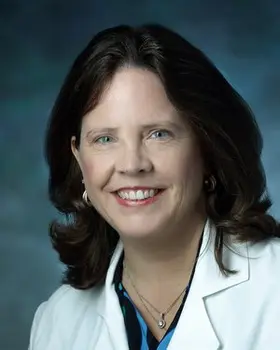
Dr. Comi graduated from SUNY Buffalo School of Medicine and received her training in pediatrics at the Children's Hospital of Buffalo and her child neurology training at Johns Hopkins Medicine. Her clinical specialization is in the treatment of the neurological aspects of Sturge-Weber syndrome and other disorders related to capillary malformation. Dr. Comi's clinical research interests focus on improving the early diagnosis and treatment of brain involvement in Sturge-Weber syndrome in order to prevent ischemic brain injury in affected infants and young children, and on studies to understand what causes Sturge-Weber syndrome. Her laboratory research work deals with the pathogenesis of Sturge-Weber syndrome, recently shown to be caused by a somatic mutation, and on developing new drug targets, screening assays, models and therapeutic strategies for Sturge-Weber syndrome. Her lab group also works on developing better neuroprotective and neuroregenerative responses to brain injury resulting from impaired blood flow to the brain. Dr. Comi is rated as an Experienced provider by MediFind in the treatment of Cortical Dysplasia. Her top areas of expertise are Sturge-Weber Syndrome, Parkes Weber Syndrome, Stork Bite, Epilepsy in Children, and Endovascular Embolization.

Johns Hopkins Outpatient Center
Brenda Banwell is the director of the Department of Pediatrics, as well as pediatrician-in-chief and co-director of Johns Hopkins Children’s Center, where she helps manage the hospital’s many clinical and research centers. Dr. Banwell is a renowned expert in the research and treatment of pediatric multiple sclerosis (MS) and other neuroimmune disorders. She specializes in and studies the use of neuroimaging to assess the clinical and cognitive impact of the conditions, as well as the function of the immune system in children with these disorders. She also created a standardized clinical care algorithm and clinical database in order to evaluate the clinical impact of MS. Dr. Banwell has published more than 250 manuscripts in high-impact journals, along with over 25 book chapters. In addition, she has over 200 national and international invited lectureships and visiting professorships. An advocate for pediatric multiple sclerosis needs and research, Dr. Banwell serves as chair of the International Medical and Scientific Board of the Multiple Sclerosis International Federation, and the Myelin Oligodendrocyte Glycoprotein Antibody–Associated Disease (MOGAD) International Research Consortium. She is also chair of the pediatric committee of the National Institutes of Health NeuroNEXT program, which conducts studies on treatments for neurological diseases through academic, private, and industry collaborations. Dr. Banwell currently serves as past-chair of the International Pediatric Multiple Sclerosis Study Group, Dr. Banwell earned her medical degree from the University of Western Ontario. She later completed a residency in pediatrics at the University of Western Ontario-Children's Hospital of Western Ontario and a second residency in pediatric neurology at University of Toronto – The Hospital for Sick Children. Her residencies were followed by a fellowship in neuromuscular research at Mayo Clinic. Dr. Banwell is rated as an Experienced provider by MediFind in the treatment of Cortical Dysplasia. Her top areas of expertise are Multiple Sclerosis (MS), CACH Syndrome, Optic Neuritis, and Transverse Myelitis.

Rubenstein Child Health Building
Dr. Ada Hamosh is the Dr. Frank V. Sutland Professor of Pediatric Genetics in the Departments of Genetic Medicine and Pediatrics. Since 2002, she has served as clinical director of the McKusick-Nathans Institute of Genetic Medicine, now Department of Genetic Medicine and scientific director of the Online Mendelian Inheritance in Man® (OMIM), a catalog of more than 16,800 human genes and genetic disorders created by Dr. Victor A. McKusick. Her research centers the molecular basis of Mendelian disorders, the integration of genetics into clinical practice and the diagnosis and management of inborn errors of metabolism. Dr. Hamosh earned a bachelor’s degree in biology from Wesleyan University, a medical degree from Georgetown University School of Medicine and a master’s of public health from Johns Hopkins University School of Public Health. She later completed a fellowship in medical and biochemical genetics from the Johns Hopkins School of Medicine, before joining the Johns Hopkins faculty in 1992. Dr. Hamosh began her genetics career focusing on cystic fibrosis, serving as coordinator of the International Cystic Fibrosis Genotype-Phenotype Consortium. She served as chair of the Maryland State Advisory Council for Hereditary & Congenital Disorders from 2001-2009, during which time she also served on the executive committee of the Genetic Counseling Training Program, run by Johns Hopkins University and the National Human Genome Research Institute. Dr. Hamosh has authored more than 128 publications on a variety of topics. In addition, she is a member of 16 professional associations and advisory committees including the American Society of Human Genetics, the Steering Committee of the Global Alliance for Genomics and Health, and the executive board of the Human Genome Organization, of which she will be President from 2023-2025. Dr. Hamosh was recognized in Baltimore magazine as one of the region’s top doctors in 2013, and 2016-2020. Dr. Hamosh is rated as an Experienced provider by MediFind in the treatment of Cortical Dysplasia. Her top areas of expertise are Methylmalonic Acidemia, Maple Syrup Urine Disease, Ornithine Transcarbamylase Deficiency, Phenylketonuria (PKU), and Deep Brain Stimulation.

Rubenstein Child Health Building
Dr. Hilary Vernon is a Professor of Genetic Medicine and pediatrics at the Johns Hopkins University School of Medicine. She is also an attending physician at Kennedy Krieger Institute. Hilary Vernon has expertise in treating inborn errors of metabolism and mitochondrial disorders. She is the director of the Mitochondrial Care Center at The Johns Hopkins Hospital and the Barth Syndrome Interdisciplinary Clinic at the Kennedy Krieger Institute. Her research interests include understanding intermediary metabolism in Barth syndrome and in disorders of branch chain amino acid metabolism. Dr. Vernon also co-directs the Department of Genetic Medicine Clinical Trials Unit, and is the principal investigator on multiple clinical trials for rare diseases. Dr. Vernon received her medical degree and doctorate from Rutgers University, New Brunswick, New Jersey. She completed residencies in genetics and pediatrics at The Johns Hopkins University, and a fellowship in clinical laboratory biochemical genetics at The Johns Hopkins University. Dr. Vernon was recognized with the 2010 Francis F. Schwentker Award for Excellence in Research at Johns Hopkins University and the 2011 James B. Sidbury Jr. Fellowship in Biochemical Genetics at Johns Hopkins University. Dr. Vernon is rated as an Experienced provider by MediFind in the treatment of Cortical Dysplasia. Her top areas of expertise are Methylmalonic Acidemia, Propionic Acidemia, Infantile Neutropenia, Progressive External Ophthalmoplegia, and Gastrostomy.

Johns Hopkins Outpatient Center
Dr. Sarah Kelley focuses on treating children with epilepsy with an emphasis on those who continue to have seizures after trying multiple medications. Dr. Kelley is the director of the Pediatric Epilepsy Monitoring Unit where she oversees the evaluation and management of children with difficult to control or difficult to diagnose epilepsy. She evaluates and manages patients who may be candidates for epilepsy surgery. Dr. Kelley has additional expertise in the treatment of children with electrical status epilepticus of sleep (ESES). Dr. Kelley is also very involved with teaching and education and in addition to attending in the Epilepsy Monitoring Unit is one of the Attending Physicians on the Pediatric Neurology Inpatient Service. Dr. Kelley received her medical degree from SUNY at Buffalo Medical School in New York. She then went on to complete her pediatrics residency training followed by her Child Neurology training at The Johns Hopkins Hospital in Baltimore. She then completed her fellowship in clinical neurophysiology/pediatric epilepsy at Johns Hopkins. Dr. Kelley sees patients with seizures/epilepsy on Tuesday afternoons and Wednesday and Thursday mornings in the Johns Hopkins Outpatient Center. Telemedicine visits with Dr. Kelley are available in some circumstances. Dr. Kelley is rated as an Experienced provider by MediFind in the treatment of Cortical Dysplasia. Her top areas of expertise are West Syndrome, Status Epilepticus, Seizures, Epilepsy, and Endovascular Embolization.

Howard County Medical Pavilion
Dr. Couser obtained his bachelor’s degree from the University of Virginia and his Medical Doctorate from the Virginia Commonwealth University School of Medicine (VCU SOM). Dr. Couser’s ophthalmology residency was completed at Howard University where he served as co-chief resident in the last year of his residency. He received fellowship training in pediatric ophthalmology and adult strabismus at Emory University. Dr. Couser received a master’s degree in biotechnology from the Johns Hopkins University and completed a residency in clinical genetics at the University of North Carolina at Chapel Hill. He is one of only a few individuals currently board-certified by both the American Board of Ophthalmology and the American Board of Medical Genetics and Genomics. CV https://www.hopkinsmedicine.org/-/media/wilmer/documents/cvs/couser-cv Research Summary My primary research focus involves the identification and management of genetic eye diseases including rare inherited disorders affecting the eyes. Research and scholarly activities have been an integral component of my career path. I have been the principal investigator on 10 clinical trial/IRB studies and a co-investigator on others, participated with several committees or advisory panels related to research activities. I have been credited with over 120 book chapter, journal article and abstract publications. In addition, I served as the primary author/sole editor for a textbook titled Ophthalmic Genetic Diseases: A Quick Reference Guide to the Eye and External Ocular Adnexa Abnormalities, 1st Edition, published by Elsevier in 2018, which is one of only a few textbooks published in this subject area. I also served as a grant review panelist for the National Eye Institute Career Development Awards. Selected Publications *Couser NL, Masood MM, Strande NT, Foreman AKM, Crooks K, Weck KE, Lu M, Wilhelmsen KC, Roche M, Evans JP, Berg JS, Powell CM. 2015. The phenotype of multiple congenital anomalies- hypotonia-seizures syndrome 1: Report and review. Am J Med Genet Part A 9999A:1–6 *Couser NL, Lambert SR. Botulinum toxin: A treatment of consecutive esotropia in children. Strabismus 2012; 20(4):158-161 Couser NL, Lenhart PD, Hutchinson AK. Augmented Hummelsheim procedure to treat complete abducens nerve palsy. J AAPOS 2012;16(4):331-5 *Natario L. Couser, Maheer M. Masood, Arthur S. Aylsworth, and Roger E. Stevenson. Ocular manifestations in the X-linked intellectual disability syndromes. Ophthalmic Genet. 2017, Jan 23:1-12 *Couser NL, Brooks BP, Drack AV, Shankar SP. The evolving role of genetics in ophthalmology. Ophthalmic Genet. 2021 Jan 12:1-4. doi: 10.1080/13816810.2020.1868011. Dr. Couser is rated as an Experienced provider by MediFind in the treatment of Cortical Dysplasia. His top areas of expertise are Epicanthal Folds, Strabismus, Brown Syndrome, and Hypotonia.

The Johns Hopkins Hospital
Dr. Aylin Tekes is the Section Chief of Pediatric Neuroradiology at the Johns Hopkins Hospital, within the Department of Radiology and Radiological Science. Dr. Tekes primary expertise is in diagnostic pediatric neuroradiology encompassing all ages from fetus to young adolescents with particular interest in congenital anomalies, neonatal brain injury, brain tumors, seizure imaging. Utilization and application of advanced magnetic resonance imaging (MRI) techniques including diffusion-tensor (DTI), susceptibility-weighted imaging (SWI) as applied in hypoxic ischemic injury, brain injury in the premature brain, head trauma and ECMO well reflects in her publications. In addition to pediatric neuroimaging, Dr. Tekes is an expert in diagnosis and classification of soft tissue vascular anomalies and imaging of bladder exstrophy. Part of her research and daily activities involve QI processes, primarily targetted to reduce/eliminate radiation exposure in children when appropriate and improve workflow efficiency. She received her medical degree from Istanbul University and completed a residency in diagnostic radiology at Haydarpasa Research and Training Hospital in Istanbul, Turkey. She did clinical fellowships in Pediatric Radiology and Neuroradiology at The Johns Hopkins Hospital before joining faculty in 2008. Dr. Tekes is rated as an Experienced provider by MediFind in the treatment of Cortical Dysplasia. Her top areas of expertise are Exstrophy of the Bladder, Hydrocephalus, Skeletal-Extraskeletal Angiomatosis, Bladder Reconstruction, and Endovascular Embolization.
Last Updated: 01/09/2026