Esophageal VaricesSymptoms, Doctors, Treatments, Advances & More
Learn About Esophageal Varices
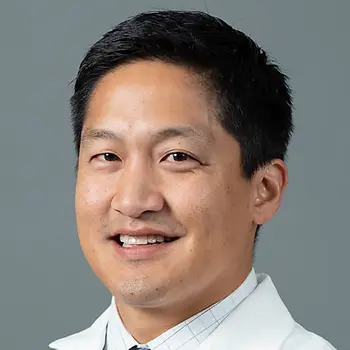
Brigham And Women's Crohn's And Colitis Center
Marvin Ryou is a Hepatologist and a Gastroenterologist in Chestnut Hill, Massachusetts. Dr. Ryou is rated as an Elite provider by MediFind in the treatment of Esophageal Varices. His top areas of expertise are Esophageal Varices, Portal Hypertension, Familial Pancreatic Cancer, Endoscopy, and Gastrostomy.
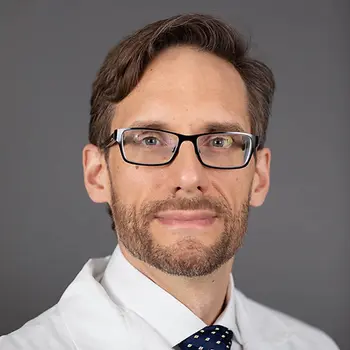
Brigham And Women's Crohn's And Colitis Center
Dr. Christopher C. Thompson is the Director of Endoscopy at Brigham and Women’s Hospital (BWH), Co-director of the Center for Weight Management and Wellness, and Professor of Medicine at Harvard Medical School. He is also the Advanced Endoscopy Fellowship Program Director and clinical faculty at Boston Children’s Hospital and the Dana-Farber Cancer Institute. Dr. Thompson’s clinical interests include endoscopic surgery applied to foregut conditions, with a focus on endoscopic treatment of obesity, GERD, Zenker’s diverticula, achalasia, gastroparesis, postsurgical complications, and pancreatobiliary disease. He spends the majority of his time performing these advanced endoscopic procedures and also cares for these patients in the ambulatory setting. The remainder of his time is devoted to research in endoscopic surgery, with a focus on device development, clinical outcomes, and endoscopic education. His research has resulted in numerous patents, development of new endoscopic procedures, and over 300 publications. He was awarded the Brigham and Women’s Physician Organization Clinical Innovation Award in 2007 for developing and performing the first endoscopic suturing procedure to treat obesity. He also invented anastomosis technology, which has been shown to treat type 2 diabetes effectively in early clinical trials. He was responsible for much of the early work in Bariatric Endoscopy, having been called the founding father of the field, and edited the first textbook and video atlas on the subject. Some of his other important clinical innovations include the development of new endoscopic techniques for treating pancreatic necrosis, gastric outlet obstruction, sleeve gastrectomy stenosis, pancreaticojejunal anastomotic strictures, and postsurgical complications. He also developed an endoscopic part-task simulator used by many fellowship programs (the TEST box).These accomplishments have led to a broad clinical referral base, and to national and international invitations for lectureships and live case demonstrations, including the American College of Gastroenterology (ACG) Blackwell Lectureship, ACG American Journal of Gastroenterology Lecture, American Gastroenterological Association (AGA) Presidential Plenary Lecture, American Society for Gastrointestinal Endoscopy (ASGE) J Edward Berk Presidential Plenary Lecture, ACG Edgar Achkar Visiting Professorship, all post-graduate education courses for the major US gastroenterology and surgical societies, and numerous respected courses throughout Europe, Asia, and South America. He has also mentored more than 20 fellows, many of whom have gone on to thrive in prestigious academic institutions, and he established the first Fellowship in Bariatric Endoscopy. Dr. Thompson is rated as an Elite provider by MediFind in the treatment of Esophageal Varices. His top areas of expertise are Obesity, Esophageal Varices, Gastrointestinal Fistula, Endoscopy, and Gastric Bypass.

Gastrointestinal Associates Of NE Tennessee, P.C.
. Dr. Reddy is rated as a Distinguished provider by MediFind in the treatment of Esophageal Varices. His top areas of expertise are Enlarged Liver, Visceromegaly, Esophageal Varices, Endoscopy, and Colonoscopy.
Summary: Acute variceal bleeding due to cirrhotic portal hypertension is a life-threatening emergency in gastroenterology. Current preventive strategies include non-selective β-blockers (e.g., carvedilol/propranolol), endoscopic therapy (sclerotherapy or band ligation), and transjugular intrahepatic portosystemic shunt (TIPS). While pharmacological and TIPS interventions directly reduce portal pressure, th...
Summary: The primary objective of this study is to evaluate the role of spleen shear wave elastography (SWE-SSM) for ruling in and ruling out clinically significant portal hypertension (CSPH) in patients with compensated advanced chronic liver disease (cACLD) and for ruling in and ruling out high-risk esophageal varices (HRV) in patients with CSPH. Secondary objectives of the study include the investigatio...