Urinary Tract Infection (UTI) Treatments

Find Urinary Tract Infection (UTI) Treatments

Brand Name

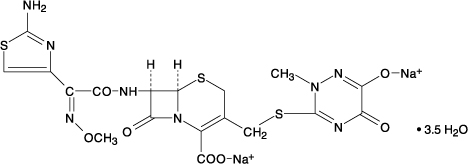
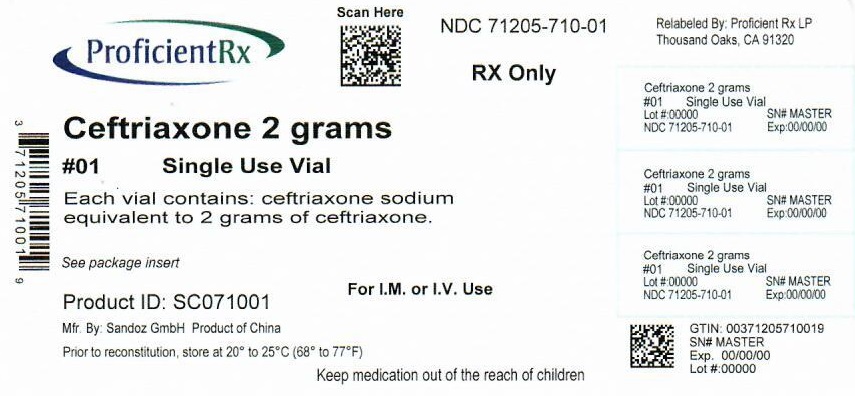
CefTRIAXone

View Brand Information
FDA approval date: April 20, 2005
Classification: Cephalosporin Antibacterial
Form: Injection

What is CefTRIAXone?

Before instituting treatment with ceftriaxone, appropriate specimens should be obtained for isolation of the causative organism and for determination of its susceptibility to the drug. Therapy may be instituted prior to obtaining results of susceptibility testing. To reduce the development of drug-resistant bacteria and maintain the effectiveness of ceftriaxone for injection, USP and other antibacterial drugs, ceftriaxone for injection, USP should be used only to treat or prevent infections that are proven or strongly suspected to be caused by susceptible bacteria. When culture and susceptibility information are available, they should be considered in selecting or modifying antibacterial therapy. In the absence of such data, local epidemiology and susceptibility patterns may contribute to the empiric selection of therapy. Ceftriaxone for injection, USP is indicated for the treatment of the following infections when caused by susceptible organisms: Lower Respiratory Tract Infections Caused by Streptococcus pneumoniae, Staphylococcus aureus, Haemophilus influenzae, Haemophilus parainfluenzae, Klebsiella pneumoniae, Escherichia coli, Enterobacter aerogenes, Proteus mirabilis or Serratia marcescens. Acute Bacterial Otitis Media Caused by Streptococcus pneumoniae, Haemophilus influenzae or Moraxella catarrhalis . NOTE: In one study lower clinical cure rates were observed with a single dose of ceftriaxone compared to 10 days of oral therapy. In a second study comparable cure rates were observed between single dose ceftriaxone and the comparator. The potentially lower clinical cure rate of ceftriaxone should be balanced against the potential advantages of parenteral therapy. Skin and Skin Structure Infections Caused by Staphylococcus aureus, Staphylococcus epidermidis, Streptococcus pyogenes, Viridans group streptococci, Escherichia coli, Enterobacter cloacae, Klebsiella oxytoca, Klebsiella pneumoniae, Proteus mirabilis, Morganella morganii*, Pseudomonas aeruginosa, Serratia marcescens, Acinetobacter calcoaceticus, Bacteroides fragilis * or Peptostreptococcus species. Urinary Tract Infections Caused by Escherichia coli, Proteus mirabilis, Proteus vulgaris, Morganella morganii or Klebsiella pneumoniae. Uncomplicated Gonorrhea Caused by Neisseria gonorrhoeae, including both penicillinase- and nonpenicillinase-producing strains, and pharyngeal gonorrhea caused by nonpenicillinase-producing strains of Neisseria gonorrhoeae. Pelvic Inflammatory Disease Caused by Neisseria gonorrhoeae. Ceftriaxone sodium, like other cephalosporins, has no activity against Chlamydia trachomatis. Therefore, when cephalosporins are used in the treatment of patients with pelvic inflammatory disease and Chlamydia trachomatis is one of the suspected pathogens, appropriate antichlamydial coverage should be added. Bacterial Septicemia Caused by Staphylococcus aureus, Streptococcus pneumoniae, Escherichia coli, Haemophilus influenzae or Klebsiella pneumoniae. Bone and Joint Infections Caused by Staphylococcus aureus, Streptococcus pneumoniae, Escherichia coli, Proteus mirabilis, Klebsiella pneumoniae or Enterobacter species. Intra-abdominal Infections Caused by Escherichia coli, Klebsiella pneumoniae, Bacteroides fragilis, Clostridium species or Peptostreptococcus species. Meningitis Caused by Haemophilus influenzae, Neisseria meningitidis or Streptococcus pneumoniae. Ceftriaxone has also been used successfully in a limited number of cases of meningitis and shunt infection caused by Staphylococcus epidermidis * and Escherichia coli*. * Efficacy for this organism in this organ system was studied in fewer than ten infections. Surgical Prophylaxis The preoperative administration of a single 1 g dose of ceftriaxone may reduce the incidence of postoperative infections in patients undergoing surgical procedures classified as contaminated or potentially contaminated and in surgical patients for whom infection at the operative site would present serious risk . Although ceftriaxone has been shown to have been as effective as cefazolin in the prevention of infection following coronary artery bypass surgery, no placebo-controlled trials have been conducted to evaluate any cephalosporin antibiotic in the prevention of infection following coronary artery bypass surgery. When administered prior to surgical procedures for which it is indicated, a single 1 g dose of ceftriaxone provides protection from most infections due to susceptible organisms throughout the course of the procedure.
Save this treatment for later
Sign Up
Not sure about your diagnosis?
Check Your Symptoms
Tired of the same old research?
Check Latest Advances

Related Clinical Trials

Early Oral Step-down Antibiotic Therapy Versus Continuing Intravenous Therapy for Uncomplicated Gram-negative Bacteraemia (the INVEST Trial)

Summary: Current management of uncomplicated Gram-negative bacteraemia entails prolong intravenous (IV) antibiotic therapy with limited evidence to guide oral conversion. This trial aim to evaluate the clinical efficacy and economic impact of early switch to oral antibiotics (within 72 hours from index blood culture collection) versus continuing standard of care IV therapy (for at least another 24 hours po...

Phase 1/2, Randomized, Double-Blind, Placebo-Controlled Trial of Pulse Dosed Ceftriaxone for Post-Treatment Lyme Disease

Summary: Lyme disease is a public health crisis in the US. It is estimated that over 400,000 cases occur every year with 10-20% of those infected going on to develop Post-Treatment Lyme disease Syndrome (PTLDS). The goal of this study is to investigate if giving Ceftriaxone every 5 days for about 6 weeks kills the organism that produces persistent Lyme infection. Enrolled participants will be randomized 1:...

A Comprehensive Clinical, Microbiological and Immunological Assessment of Patients With Suspected Post Treatment Lyme Disease Syndrome and Selected Control Populations

Summary: This study will determine whether patients who have been infected with the Lyme bacteria, Borrelia burgdorferi, and treated with antibiotics still have the bacteria alive inside them and whether it is causing their symptoms. The information from this study may serve as a basis for developing stringent diagnostic criteria for Lyme disease and the establishment of future treatment trials. Individual...