Weill-Marchesani SyndromeSymptoms, Doctors, Treatments, Advances & More
Learn About Weill-Marchesani Syndrome
Weill-Marchesani syndrome is a disorder of connective tissue. Connective tissue forms the body's supportive framework, providing structure and strength to the muscles, joints, organs, and skin.
Mutations in the ADAMTS10 and FBN1 genes can cause Weill-Marchesani syndrome. The ADAMTS10 gene provides instructions for making a protein whose function is unknown. This protein is important for normal growth before and after birth, and it appears to be involved in the development of the eyes, heart, and skeleton. Mutations in this gene disrupt the normal development of these structures, which leads to the specific features of Weill-Marchesani syndrome.
Weill-Marchesani syndrome appears to be rare; it has an estimated prevalence of 1 in 100,000 people.
Weill-Marchesani syndrome can be inherited in either an autosomal recessive or an autosomal dominant pattern.
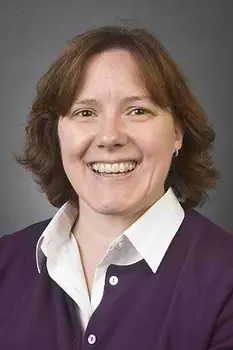
Bassett Health Center Little Falls Primary Care
Amy Grace is a primary care provider, practicing in Family Medicine in Little Falls, New York. Dr. Grace is rated as an Experienced provider by MediFind in the treatment of Weill-Marchesani Syndrome. She is also highly rated in 12 other conditions, according to our data. Her clinical expertise encompasses Hypothyroidism, Obesity in Children, Enlarged Prostate (BPH), and Familial Hypertension. Dr. Grace is currently accepting new patients.
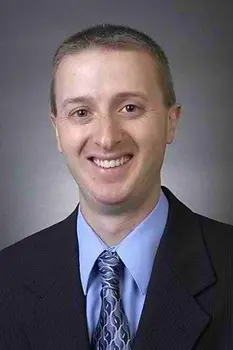
Bassett Health Center Cobleskill
John Novak is a primary care provider, practicing in Internal Medicine in Cobleskill, New York. Dr. Novak is rated as an Experienced provider by MediFind in the treatment of Weill-Marchesani Syndrome. He is also highly rated in 14 other conditions, according to our data. His clinical expertise encompasses Relapsing Multiple Sclerosis (RMS), Enlarged Prostate (BPH), Type 2 Diabetes (T2D), and Lymphangitis. Dr. Novak is currently accepting new patients.

Healthcare Associates
Hans Kim is a primary care provider, practicing in Internal Medicine in Boston, Massachusetts. Dr. Kim is rated as a Distinguished provider by MediFind in the treatment of Weill-Marchesani Syndrome. He is also highly rated in 42 other conditions, according to our data. His clinical expertise encompasses Marden-Walker Syndrome, Pitt-Hopkins Syndrome, Saethre-Chotzen Syndrome, and Ascher Syndrome. Dr. Kim is board certified in American Board Of Internal Medicine. Dr. Kim is currently accepting new patients.
Published Date: February 01, 2015
Published By: National Institutes of Health