Wiedemann-Rautenstrauch SyndromeSymptoms, Doctors, Treatments, Advances & More
Learn About Wiedemann-Rautenstrauch Syndrome
Wiedemann-Rautenstrauch syndrome is a type of progeria. People with progeria have certain features that make them look older than they are. The signs and symptoms of Wiedemann-Rautenstrauch syndrome begin before birth as affected individuals do not grow and gain weight at the expected rate (intrauterine growth restriction).
Wiedemann-Rautenstrauch syndrome is caused by variants (also called mutations) in the POLR3A gene. This gene provides instructions for making the largest piece (subunit) of an enzyme called RNA polymerase III. This enzyme is involved in the production of RNA, a chemical cousin of DNA. RNA polymerase III helps produce several forms of RNA, including those that assemble protein building blocks (amino acids) into proteins. This process is essential for the normal functioning and survival of cells in tissues throughout the body.
Wiedemann-Rautenstrauch syndrome is a rare disorder, though its exact prevalence is unknown. Fewer than 100 affected individuals have been described in the scientific literature.
This condition is inherited in an autosomal recessive pattern, which means both copies of the gene in each cell must have a variant to cause the disorder. The parents of an individual with an autosomal recessive condition each carry one copy of the altered gene, but they typically do not show signs and symptoms of the condition.
Texas Health Neurosurgery And Spine Specialists
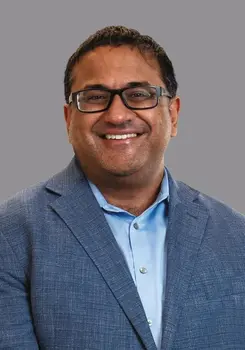
Dr. Moneeb Ehtesham is a fellowship-trained neurosurgeon with specialized expertise in cerebrovascular/endovascular neurosurgery and complex spinal surgery. He has served in teaching and senior academic research and leadership capacities for over two decades. Dr. Ehtesham currently serves as an Associate Professor at the TCU Burnett School of Medicine. His areas of special focus include open and endovascular surgery for aneurysms and other cerebrovascular conditions as well as spinal surgery. Additionally, he has been recognized for his research in the areas of stem cell therapies and brain tumors. He was a recipient of the Young Investigator Award from the American Association of Neurological Surgeons and Congress of Neurological Surgeons.Dr. Ehtesham completed his neurological surgery residency at Vanderbilt University Medical Center in Nashville, where he served as chief resident in his final year. He also completed his neurointerventional/ endovascular neurosurgery fellowship at Vanderbilt. Dr. Ehtesham is a Diplomate of the American Board of Neurological Surgery and a Fellow of the American Association of Neurological Surgeons and the American College of Surgeons. Dr. Ehtesham is rated as an Experienced provider by MediFind in the treatment of Wiedemann-Rautenstrauch Syndrome. He is also highly rated in 26 other conditions, according to our data. His clinical expertise encompasses Subarachnoid Hemorrhage, Stroke, Subdural Hematoma, Laminectomy, and Stent Placement.

Advocate Medical Group Neurosurgery
Juan Tejada is a Neurosurgery provider practicing medicine in Libertyville, Illinois. Dr. Tejada is rated as an Experienced provider by MediFind in the treatment of Wiedemann-Rautenstrauch Syndrome. He is also highly rated in 23 other conditions, according to our data. His clinical expertise encompasses Primitive Neuroectodermal Tumor (PNET), Posterior Fossa Tumor, Apoplexy, Awake Craniotomy, and Microdiscectomy. Dr. Tejada is board certified in American Board Of Neurological Surgery.
Novin World Corp
Sean Nikravan is an Endocrinologist practicing medicine in Newport Beach, California. Dr. Nikravan is rated as a Distinguished provider by MediFind in the treatment of Wiedemann-Rautenstrauch Syndrome. He is also highly rated in 36 other conditions, according to our data. His clinical expertise encompasses Progeria, Werner Syndrome, Wolfram Syndrome, and Wiedemann-Rautenstrauch Syndrome.
Published Date: November 12, 2024
Published By: National Institutes of Health