X-Linked Cardiac Valvular DysplasiaSymptoms, Doctors, Treatments, Advances & More
Learn About X-Linked Cardiac Valvular Dysplasia
X-linked cardiac valvular dysplasia is a condition characterized by the abnormal development (dysplasia) of heart (cardiac) valves. The normal heart has four valves, two on the left side of the heart and two on the right side, that allow blood to move through the heart and prevent blood from flowing backward. In X-linked cardiac valvular dysplasia, one or more of the four heart valves is thickened and cannot open and close completely when the heart beats and pumps blood. These malformed valves can cause abnormal blood flow and an irregular heart sound during a heartbeat (heart murmur).
X-linked cardiac valvular dysplasia is caused by mutations in the FLNA gene. This gene provides instructions for producing the protein filamin A, which helps build cells' extensive internal network of protein filaments called the cytoskeleton. The cytoskeleton gives structure to cells and allows them the flexibility to change shape. Filamin A primarily attaches (binds) to another protein called actin and helps it form the branching network of filaments that make up the cytoskeleton.
The prevalence of X-linked cardiac valvular dysplasia is unknown. Approximately 3 percent of the population has a heart valve defect, only a small fraction of which are associated with X-linked cardiac valvular dysplasia.
This condition is inherited in an X-linked pattern. A condition is considered X-linked if the mutated gene that causes the disorder is located on the X chromosome, one of the two sex chromosomes in each cell. In males, who have only one X chromosome, a mutation in the only copy of the gene in each cell is sufficient to cause the condition. In females, who have two copies of the X chromosome, one altered copy of the gene in each cell can lead to less severe features of the condition or may cause no signs or symptoms at all. A characteristic of X-linked inheritance is that fathers cannot pass X-linked traits to their sons.

ETSU Physicians & Associates- Pediatrics
Rajani Anand is a Pediatric Cardiologist practicing medicine in Johnson City, Tennessee. Dr. Anand is rated as an Experienced provider by MediFind in the treatment of X-Linked Cardiac Valvular Dysplasia. She is also highly rated in 18 other conditions, according to our data. Her clinical expertise encompasses Pulmonary Supravalvular Stenosis, Pulmonary Valve Stenosis, Patent Ductus Arteriosus, and Familial Dilated Cardiomyopathy. Dr. Anand is board certified in American Board Of Pediatrics.
OSF Children's Hospital Of Illinois - Congenital Heart Center
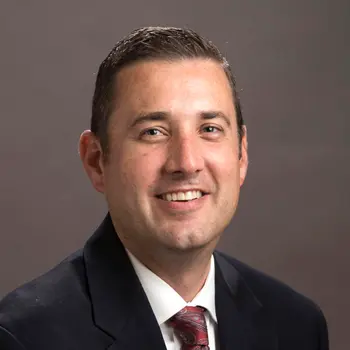
Marc Knepp is an Internal Medicine specialist and a Pediatrics provider practicing medicine in Peoria, Illinois. Dr. Knepp is rated as an Experienced provider by MediFind in the treatment of X-Linked Cardiac Valvular Dysplasia. He is also highly rated in 14 other conditions, according to our data. His clinical expertise encompasses Endocardial Cushion Defect, Atrioventricular Septal Defect, Partial Atrioventricular Canal, and Isthmian Coarctation. Dr. Knepp is board certified in American Board Of Internal Medicine and American Board Of Pediatrics.

Reading Hospital Cardiology - West Reading
Khaled Bachour is a Cardiologist and an Internal Medicine provider practicing medicine in West Reading, Pennsylvania. Dr. Bachour is rated as an Experienced provider by MediFind in the treatment of X-Linked Cardiac Valvular Dysplasia. He is also highly rated in 28 other conditions, according to our data. His clinical expertise encompasses Heart Failure, Pulmonary Edema, Heart Failure with Preserved Ejection Fraction (HFpEF), and Pediatric Myocarditis. Dr. Bachour is board certified in American Board Of Internal Medicine.
Summary: CoRDS, or the Coordination of Rare Diseases at Sanford, is based at Sanford Research in Sioux Falls, South Dakota. It provides researchers with a centralized, international patient registry for all rare diseases. This program allows patients and researchers to connect as easily as possible to help advance treatments and cures for rare diseases. The CoRDS team works with patient advocacy groups, in...
Published Date: March 01, 2018
Published By: National Institutes of Health