
Overview
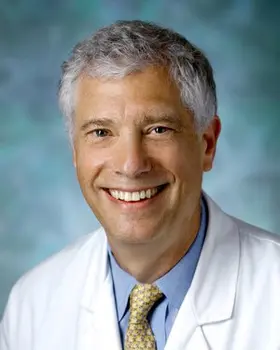
Dr. Rick Redett is the physician-in-chief for Johns Hopkins Medicine, vice dean for clinical affairs, and president of the Faculty Practice. As a professor of plastic and reconstructive surgery and pediatrics at the Johns Hopkins University School of Medicine, his areas of clinical expertise include pediatric plastic surgery, cleft lip and palate surgery, obstetric brachial plexus palsy reconstruction, facial paralysis, pediatric burn surgery and reconstruction and genital reconstruction. Dr. Redett serves as the director of the Cleft and Craniofacial Center, and the director of the Facial Paralysis and Pain Center at Johns Hopkins. Dr. Redett directs the genital transplant program at Johns Hopkins. He graduated from Dartmouth Medical School after earning his undergraduate degrees in biology and psychology at Emory University. He did his general surgery and plastic surgery training at The Johns Hopkins Hospital. After completing a one-year pediatric plastic surgery fellowship at the Hospital for Sick Children in Toronto, Canada, Dr. Redett joined the Johns Hopkins faculty. Dr. Redett lectures nationally on facial paralysis, genital reconstruction and many other pediatric plastic surgery topics. He is a member of many professional organizations including the American Cleft Palate – Craniofacial Association, American Association of Plastic Surgeons and the American Society of Plastic Surgeons. Dr. Redett has a strong commitment to international health and has done many teaching medical missions to Central and South America and Africa. Dr. Redett serves on the Board of ReSurge International, a 501(c)(3) not-for profit organization which provides reconstructive surgical care for poor children and adults who lack access and builds surgical capacity in developing countries. He and his wife Becky are the proud parents of three wonderful children.
Dr. Redett is highly rated in 2 conditions, according to our data. His clinical expertise encompasses Cleft Lip and Palate, Micrognathia, Recurrent Peripheral Facial Palsy, Facial Paralysis, and Gastric Bypass.
Dr. Redett is board certified in American Board Of Plastic Surgery.
Residency
Specialties
Licenses
Board Certifications
Fellowships
Hospital Affiliations
Languages Spoken
Gender
Insurance
Accepted insurance can change. Please verify directly with the provider.
Accepted insurance plans:
- EPO
- HMO
- POS
- PPO
- HMO
- POS
- PPO
- EPO
- HMO
- PPO
- INSURANCE PLAN
- MEDICARE PDP
- PPO
- HMO
- POS
- PPO
- HMO
- INDEMNITY
- POS
- PPO
- HMO
- MANAGED MEDICAID PLAN
- MEDICARE MAPD
- MEDICARE-MEDICAID PLAN
- INSURANCE PLAN
- MANAGED MEDICAID PLAN
- MEDICARE MAPD
- MEDICARE PDP
- MEDICARE SNP
- MEDICARE-MEDICAID PLAN
- OTHER MEDICARE PART D
- EPO
- HMO
- POS
- PPO
Locations
Floor 8, Baltimore, MD 21287
601 North Caroline Street, Floor 8, Baltimore, MD 21287
Johns Hopkins Hospital
Dorry Segev is a General Surgeon practicing medicine in Baltimore, Maryland. Dr. Segev is highly rated in 14 conditions, according to our data. His clinical expertise encompasses End-Stage Renal Disease (ESRD), Liver Failure, Hyperparathyroidism, Kidney Transplant, and Liver Transplant.
Johns Hopkins Outpatient Center
Dr. Allan Belzberg is a neurosurgeon specializing in surgery of the peripheral nervous system. As Director of Peripheral Nerve Surgery at Johns Hopkins in Baltimore, he treats tumors including schwannoma, neurofibroma and nerve sheath tumor. Dr. Belzberg performs surgical repair of nerve damage caused by trauma as well as neurosurgery on carpal tunnel, peroneal nerve and other peripheral nerve conditions. Dr. Belzberg also directs the Brachial Plexus and Peripheral Nerve Clinic at the Kennedy Krieger Institute and co-directs the Neurosurgery Pain Research Institute at Johns Hopkins Hospital. Dr. Belzberg currently sees patients at the Johns Hopkins Outpatient Center located in Baltimore on Wednesdays and the Green Spring Station location on Fridays. Dr. Belzberg is highly rated in 19 conditions, according to our data. His clinical expertise encompasses Schwannomatosis, Neurofibromatosis, Thoracic Outlet Syndrome, Rhizotomy, and Laminectomy. Dr. Belzberg is board certified in American Board Of Neurological Surgery.
University Of Maryland Pediatric Associates PA
Chandra Bhati is a General Surgeon practicing medicine in Baltimore, Maryland. Dr. Bhati is highly rated in 23 conditions, according to our data. His clinical expertise encompasses Liver Failure, Chronic Antibody-Mediated Rejection, Fibrolamellar Carcinoma, Liver Transplant, and Kidney Transplant.
Frequently Asked Questions about Dr. Rick Redett
How do I make an appointment with Dr. Rick Redett?
You can book an appointment with Dr. Rick Redett by calling their office at 443-997-9466. MediFind provides direct contact information so you can schedule visits, second opinions, or consultations without navigating third-party calendars.
Is Dr. Rick Redett a top-rated expert for Cleft Lip and Palate?
MediFind is an objective health platform that identifies experts based on real-world data. Dr. Rick Redett is classified as an Distinguished expert for Cleft Lip and Palate, meaning they are among the top experts in the country for this condition. This ranking is based on their volume of patients, published research, and peer connections.
What conditions does Dr. Rick Redett specialize in?
While Dr. Rick Redett is a General Surgery, they have specific expertise in Cleft Lip and Palate, Micrognathia, and Recurrent Peripheral Facial Palsy. MediFind analyzes a doctor's articles and referral patterns to identify their specific areas of focus within General Surgery.
Does Dr. Rick Redett accept my insurance?
Dr. Rick Redett accepts most major insurance plans, including Aetna and CareFirst. We recommend calling the office directly at 443-997-9466 to verify that your specific plan is currently accepted before your visit.
Areas of Expertise
MediFind evaluates expertise by pulling from factors such as number of articles a doctor has published in medical journals, participation in clinical trials, speaking at industry conferences, prescribing and referral patterns, and strength of connections with other experts in their field.
Learn more about MediFind’s expert tiers
- Distinguished
- Cleft Lip and PalateDr. Redett isDistinguished. Learn about Cleft Lip and Palate.
- Advanced
- MicrognathiaDr. Redett isAdvanced. Learn about Micrognathia.
- Experienced
- Facial ParalysisDr. Redett isExperienced. Learn about Facial Paralysis.
- Gastric BypassDr. Redett isExperienced. Learn about Gastric Bypass.
- Recurrent Peripheral Facial PalsyDr. Redett isExperienced. Learn about Recurrent Peripheral Facial Palsy.