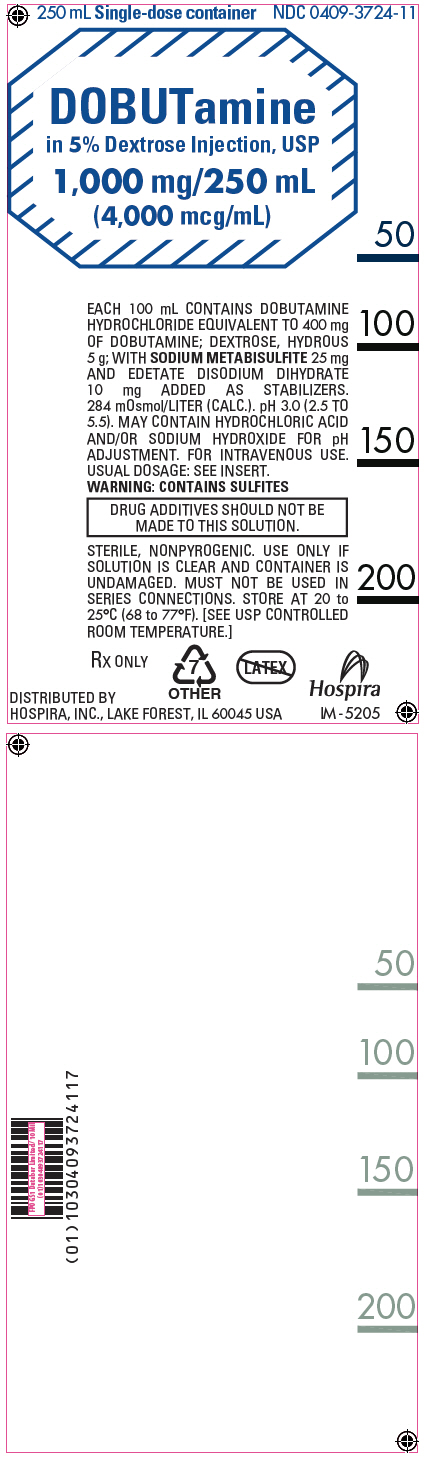
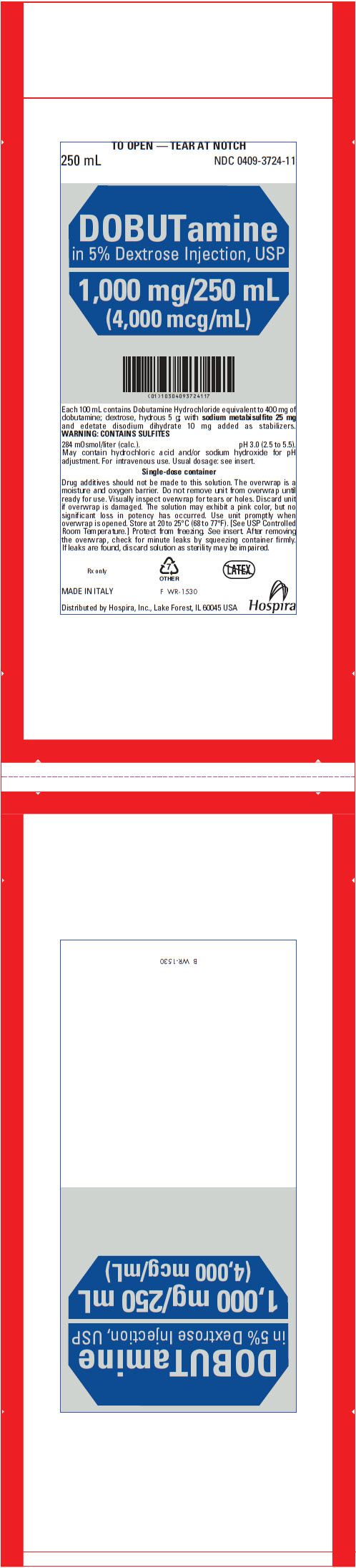
DOBUTamine
View Brand InformationWhat is DOBUTamine?
Approved To Treat
Top Global Experts


Related Clinical Trials
Summary: Prospective double blind randomized controlled trial. By randomizing patients undergoing kidney transplantation into a conventional catecholamine drug (dobutamine) blood pressure maintenance group and a terlipressin-complexed dobutamine group, the investigators compared the effect of intraoperative blood pressure maintenance and the dosage of the vasoactive drug, postoperative graft function, dela...
Summary: Sepsis is a dysregulated host response to infection that leads to life-threatening organ dysfunction and represents a major healthcare problem. Septic shock is the most severe form, characterized by increased capillary permeability and vasodilation, resulting in hypotension and tissue hypoxia. Early identification and treatment of tissue hypoperfusion are pivotal components of initial resuscitatio...
Summary: The goal of this clinical trial is to test the effects of the inotropic drug named dobutamine, in patients with wild-type Transthyretin Amyloid Cardiomyopathy (ATTRwt). The main questions it aims to answer are: * What are the effects of increasing dosages of dobutamine infusion on cardiac output and filling pressures in patients with symptomatic ATTRwt. * Safety of dobutamine infusion in this pati...
Related Latest Advances
Brand Information

- Close flow control clamp of administration set.
- Remove cover from outlet port at bottom of container.
- Insert piercing pin of administration set into port with a twisting motion until the set is firmly seated.
- Suspend container from hanger.
- Squeeze and release drip chamber to establish proper fluid level in chamber.
- Open flow control clamp and clear air from set. Close clamp.
- Attach set to venipuncture device. If device is not indwelling, prime and make venipuncture.
- Regulate rate of administration with flow control clamp.