Sleeve Gastrectomy ProcedureDescription, Latest Information and Doctors
Learn About Sleeve Gastrectomy
Vertical sleeve gastrectomy is surgery to help with weight loss. The surgeon removes a large portion of your stomach.
The new, smaller stomach is about the size of a banana. It limits the amount of food you can eat and makes you feel full after eating small amounts of food.
Gastrectomy - sleeve; Gastrectomy - greater curvature; Gastrectomy - parietal; Gastric reduction; Vertical gastroplasty
You will receive general anesthesia before this surgery. This is medicine that keeps you asleep and pain-free.
The surgery is usually done using a small camera that is placed in your belly. This type of surgery is called laparoscopy. The camera is called a laparoscope. It allows your surgeon to see inside your belly.
In this surgery:
- Your surgeon makes 2 to 5 small cuts (incisions) in your belly.
- The scope and instruments needed to perform the surgery are inserted through these cuts.
- The camera is connected to a video monitor in the operating room. This allows the surgeon to view inside your belly while doing the operation.
- A harmless gas is pumped into your belly to expand it. This gives the surgeon room to work.
- Your surgeon removes most of your stomach.
- The remaining portions of your stomach are joined together using surgical staples. This creates a long vertical tube or banana-shaped stomach.
- The surgery does not involve cutting or changing the sphincter muscles that allow food to enter or leave the stomach.
- The scope and other tools are removed. The cuts are closed with stitches, staples, or glue.
The surgery takes 60 to 90 minutes.
Weight-loss surgery may increase your risk for gallstones. Your surgeon may recommend having a cholecystectomy. This is surgery to remove the gallbladder. It may be done before the weight-loss surgery or at the same time.
Weight-loss surgery may be an option if you are very obese and have not been able to lose weight through diet and exercise.
Vertical sleeve gastrectomy is not a quick fix for obesity. It will greatly change your lifestyle. After this surgery, you must eat healthy foods, control portion sizes of what you eat, and exercise. If you do not follow these measures, you may have complications from the surgery and poor weight loss.
This procedure may be recommended if you have:
- A body mass index (BMI) of 40 or more. Someone with a BMI of 40 or more is at least 100 pounds (lb) or 45 kilograms (kg) over their recommended weight. A normal BMI is between 18.5 and 25.
- A BMI of 35 or more and a serious medical condition that might improve with weight loss. Some of these conditions are obstructive sleep apnea, asthma, type 2 diabetes, and heart disease.
Vertical sleeve gastrectomy has most often been done on people who are too heavy to safely have other types of weight-loss surgery. Some people may eventually need a second weight-loss surgery.
This procedure cannot be reversed once it has been done.
Risks for anesthesia and surgery in general are:
- Allergic reactions to medicines
- Breathing problems
- Bleeding, blood clots, infection
- Nausea and vomiting
Risks for vertical sleeve gastrectomy are:
- Gastritis (inflamed stomach lining), heartburn, or stomach ulcers
- Injury to your stomach, intestines, or other organs during surgery
- Leaking from the line where parts of the stomach have been stapled together
- Poor nutrition, although much less than with gastric bypass surgery
- Scarring inside your belly that could lead to a blockage in your bowel in the future
- Vomiting from eating more than your stomach pouch can hold
- Gallbladder problems, such as gallstones developing as you lose weight
- Getting cramps and pain after eating sugary foods, known as dumping syndrome
Your surgeon will ask you to have tests and visits with your other health care providers before you have this surgery. Some of these are:
- A complete physical exam.
- Blood tests, ultrasound of your gallbladder, and other tests to make sure you are healthy enough to have surgery.
- Visits with your provider to make sure other medical problems you may have, such as diabetes, high blood pressure, and heart or lung problems, are under control.
- Nutritional counseling.
- Classes to help you learn what happens during the surgery, what you should expect afterward, and what risks or problems may occur afterward.
- You may want to visit with a counselor to make sure you are emotionally ready for this surgery. You must be able to make major changes in your lifestyle after surgery.
Tell your surgeon or nurse:
- You are or could be pregnant
- You are taking any medicines, including medicines, drugs, supplements, or herbs you bought without a prescription
Planning for your surgery:
- If you have diabetes, heart disease, or other medical conditions, your surgeon may ask you to see the provider who treats you for these conditions.
- If you smoke, it's important to cut back or quit. Smoking can slow healing and increase the risk for blood clots. Ask your provider for help quitting smoking.
- If needed, prepare your home to make it easier to recover after surgery.
- Ask your surgeon if you need to arrange to have someone drive you home after your surgery
During the week before your surgery:
- You may be asked to temporarily stop taking medicines that keep your blood from clotting. These medicines are called blood thinners. This includes over-the-counter medicines and supplements such as aspirin, ibuprofen (Advil, Motrin), naproxen (Aleve, Naprosyn), and vitamin E. Many prescription medicines are also blood thinners.
- Ask your surgeon which medicines you should still take on the day of your surgery.
- Let your surgeon know about any illness you may have before your surgery. This includes COVID-19, a cold, flu, fever, herpes breakout, or other illness. If you do get sick, your surgery may need to be postponed.
On the day of your surgery:
- Follow instructions about when to stop eating and drinking.
- Take the medicines your surgeon told you to take with a small sip of water.
- Arrive at the hospital on time.
You can usually go home 2 days after your surgery. You should be able to drink clear liquids on the day after surgery, and then go on a pureed diet by the time you go home.
When you go home, you will probably be given pain pills or liquids and a medicine called a proton pump inhibitor, which reduces the amount of acid in your stomach.
When you eat after having this surgery, the small pouch will fill quickly. You will feel full after eating a very small amount of food.
Your surgeon, nurse, or dietitian will recommend a diet for you. Meals should be small to avoid stretching the remaining stomach.
When you go home, you should plan to get up and walk a few times a day and increase your activity as tolerated.
The final weight loss may not be as large as with gastric bypass. This may be enough for many people. Talk with your surgeon about which procedure is best for you.
The weight will usually come off more slowly than with gastric bypass. You should keep losing weight for up to 2 to 3 years.
Losing enough weight after surgery can improve many medical conditions you might also have. Conditions that may improve are asthma, type 2 diabetes, arthritis, high blood pressure, obstructive sleep apnea, high cholesterol, and gastroesophageal disease (GERD).
Weighing less should also make it much easier for you to move around and do your everyday activities.
This surgery alone is not a solution to losing weight. It can train you to eat less, but you still have to do much of the work. To lose weight and avoid complications from the procedure, you will need to follow the exercise and eating guidelines that your surgeon and dietitian give you.
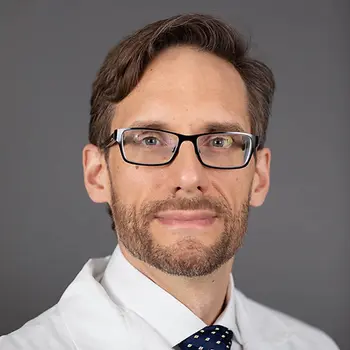
Brigham And Women's Crohn's And Colitis Center
Dr. Christopher C. Thompson is the Director of Endoscopy at Brigham and Women’s Hospital (BWH), Co-director of the Center for Weight Management and Wellness, and Professor of Medicine at Harvard Medical School. He is also the Advanced Endoscopy Fellowship Program Director and clinical faculty at Boston Children’s Hospital and the Dana-Farber Cancer Institute. Dr. Thompson’s clinical interests include endoscopic surgery applied to foregut conditions, with a focus on endoscopic treatment of obesity, GERD, Zenker’s diverticula, achalasia, gastroparesis, postsurgical complications, and pancreatobiliary disease. He spends the majority of his time performing these advanced endoscopic procedures and also cares for these patients in the ambulatory setting. The remainder of his time is devoted to research in endoscopic surgery, with a focus on device development, clinical outcomes, and endoscopic education. His research has resulted in numerous patents, development of new endoscopic procedures, and over 300 publications. He was awarded the Brigham and Women’s Physician Organization Clinical Innovation Award in 2007 for developing and performing the first endoscopic suturing procedure to treat obesity. He also invented anastomosis technology, which has been shown to treat type 2 diabetes effectively in early clinical trials. He was responsible for much of the early work in Bariatric Endoscopy, having been called the founding father of the field, and edited the first textbook and video atlas on the subject. Some of his other important clinical innovations include the development of new endoscopic techniques for treating pancreatic necrosis, gastric outlet obstruction, sleeve gastrectomy stenosis, pancreaticojejunal anastomotic strictures, and postsurgical complications. He also developed an endoscopic part-task simulator used by many fellowship programs (the TEST box).These accomplishments have led to a broad clinical referral base, and to national and international invitations for lectureships and live case demonstrations, including the American College of Gastroenterology (ACG) Blackwell Lectureship, ACG American Journal of Gastroenterology Lecture, American Gastroenterological Association (AGA) Presidential Plenary Lecture, American Society for Gastrointestinal Endoscopy (ASGE) J Edward Berk Presidential Plenary Lecture, ACG Edgar Achkar Visiting Professorship, all post-graduate education courses for the major US gastroenterology and surgical societies, and numerous respected courses throughout Europe, Asia, and South America. He has also mentored more than 20 fellows, many of whom have gone on to thrive in prestigious academic institutions, and he established the first Fellowship in Bariatric Endoscopy. Dr. Thompson is rated as an Elite provider by MediFind in Sleeve Gastrectomy. He is also highly rated in 38 other conditions, according to our data. His clinical expertise encompasses Obesity, Esophageal Varices, Gastrointestinal Fistula, Endoscopy, and Gastric Bypass.

Egil And Pauline Braathen Center/Maroone Cancer Center
Emanuele Menzo is a General Surgeon practicing medicine in Weston, Florida. Dr. Menzo is rated as an Elite provider by MediFind in Sleeve Gastrectomy. He is also highly rated in 35 other conditions, according to our data. His clinical expertise encompasses Hernia, Obesity, Hiatal Hernia, Sleeve Gastrectomy, and Gastrectomy. Dr. Menzo is board certified in American Board Of Surgery, 2004.

Cleveland Clinic Main Campus
Matthew Kroh is a General Surgeon practicing medicine in Cleveland, Ohio. He has been practicing medicine for over 30 years. Dr. Kroh is rated as an Elite provider by MediFind in Sleeve Gastrectomy. He is also highly rated in 18 other conditions, according to our data. His clinical expertise encompasses Gastroparesis, Hiatal Hernia, Obesity, Gastrectomy, and Gastric Bypass. Dr. Kroh is board certified in American Board Of Surgery, 2023.
Summary: Low-dose liposomal iron (17-34 mg elemental/day) was compared with standard conventional oral iron (100-200mg elemental/day) in the treatment of iron deficiency anemia following sleeve gastrectomy. Liposomal iron provided superior hematological improvement and gastrointestinal tolerance.
Summary: In this study, the investigators want to examine the effects of intravenous anesthetic drugs and gases on cognitive functions in the postoperative period in individuals who will undergo surgery for obesity. The investigators believe that the anesthesia method we apply with inhalation gases is also as reliable method as total intravenous anesthesia for postoperative cognitive functions in these pat...
Published Date: January 21, 2025
Published By: Jonas DeMuro, MD, Diplomate of the American Board of Surgery with added Qualifications in Surgical Critical Care, Assistant Professor of Surgery, Renaissance School of Medicine, Stony Brook, NY. Review provided by VeriMed Healthcare Network. Also reviewed by David C. Dugdale, MD, Medical Director, Brenda Conaway, Editorial Director, and the A.D.A.M. Editorial team.
American Society for Metabolic and Bariatric Surgery website. Bariatric surgery procedures. asmbs.org/patients/bariatric-surgery-procedures. Updated May 2021. Accessed January 27, 2025.
Richards WO, Khaitan L, Torquati A. Morbid obesity. In: Townsend CM Jr, Beauchamp RD, Evers BM, Mattox KL, eds. Sabiston Textbook of Surgery. 21st ed. St Louis, MO: Elsevier; 2022:chap 48.
Sullivan S, Edmundowicz SA, Morton JM. Surgical and endoscopic treatment of obesity. In: Feldman M, Friedman LS, Brandt LJ, eds. Sleisenger and Fordtran's Gastrointestinal and Liver Disease. 11th ed. Philadelphia, PA: Elsevier; 2021:chap 8.