Neurologist Search Results
UT Southwestern - Neurology
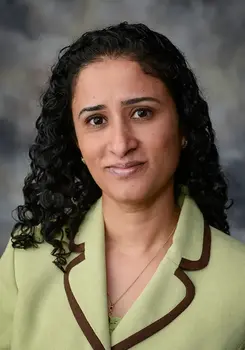
Deepa Sirsi is a Neurologist practicing medicine in Dallas, Texas. Dr. Sirsi is highly rated in 43 conditions, according to our data. Her clinical expertise encompasses Seizures, Epilepsy, Epilepsy in Children, and Generalized Tonic-Clonic Seizure.

Texas Neurology, P.A.
Dr. Heitzman completed his medical degree at Texas Tech University Health Sciences Center. He finished his neurology training at the University of Texas Southwestern Medical Center at Dallas from 1990-1993, serving as Chief Resident from 1992-1993. He completed a fellowship in EMG, neuromuscular disease and neurophysiology at the Cleveland Clinic in Cleveland, Ohio from 1993-1994. He currently holds positions at Baylor University Medical Center at Dallas and the University of Texas Southwestern Medical Center at Dallas. Dr. Heitzman is a Fellow with the American Academy of Neurology. Dr. Heitzman practices general neurology, but has particular interests in ALS, peripheral nerve and muscle problems, EMG and the use of botulinum toxins (cervical dystonia, hemifacial spasm, blepharospasm, sialorrhea and spasticity). He is director of the ALS / Motor Neuron Disorder Clinic at Texas Neurology sponsored by the Muscular Dystrophy Association (MDA). He is currently participating in multiple clinical drug trials for neurologic diseases. Dr. Heitzman is highly rated in 25 conditions, according to our data. His clinical expertise encompasses Amyotrophic Lateral Sclerosis (ALS or Lou Gehrig's Disease), Primary Lateral Sclerosis, Dysarthria, and Spinal Muscular Atrophy (SMA). Dr. Heitzman is board certified in Neuromuscular Medicine- American Board Of Psychiatry And Neurology/Neuromuscular Medicine, Neurology- American Board Of Psychiatry And Neurology/Neurology, Neuromuscular Medicine- American Board Of Psychiatry And Neurology, and Neurology- American Board Of Psychiatry And Neurology.

Baylor Scott & White Neuro-Oncology Associates
Karen Fink, MD, PhD, is the Medical Director of Clinical Neuro-Oncology Research at Baylor University Medical Center. Dr. Fink leads our neuro-oncology team, heading the multi-disciplinary Baylor Scott and White Sammons Cancer Center brain tumor board and multiple clinical trials for patients with brain tumors. She has a long history of involvement in advanced clinical trials in collaboration with industry groups and with prominent neuro-oncology programs nationwide. Dr. Fink received her undergraduate degree in biochemistry from Washington University in St. Louis, Missouri. She then completed her MD and PhD at the Mayo Clinic in Rochester, Minnesota, where she investigated early cellular activation of cancer-causing genes in response to growth signals. Her Neurology residency and Neuro-oncology fellowship were accomplished at UT Southwestern Medical Center in Dallas. She stayed there after completing her training, becoming the Director of Clinical Neuro-Oncology. She moved to Baylor University Medical Center to found Neuro-Oncology Associates in 2006. At Baylor Scott & White, she continued to offer clinical trials as an investigator in the North American Brain Tumor Consortium, and later, the Brain Tumor trials Collaborative spearheaded at the National Institute of Health. She still works with pharmaceutical and device companies to offer advanced treatments for patients with brain tumors. Dr. Fink has participated in over 50 neuro-oncology clinical trials, been an author on over 50 peer reviewed publications, and over 80 abstracts covering various aspects of Neuro-Oncology research. She mentors Neurology Residents, Oncology fellows and medical students, instilling knowledge regarding the management of primary brain tumor patients and providing an example of compassionate and up-to-date clinical care. Dr. Fink has formally served as a member of the Corporate Compliance Committee and the Multidisciplinary Cancer Committee at Baylor Scott and White. She is a member of the Society for Neuro-Oncology and the American Society of Clinical Oncology. Dr. Fink specializes in the treatment of tumors in the brain, central nervous system, and peripheral nervous system. She collaborates with Neuro-Oncology clinicians and their medical teams in north and central Texas, and with Neurosurgeons, Radiation Oncologists, Medical Oncologists, Neuro-Radiologists and Palliative Care clinicians across the region to coordinate complete care for patients and their loved ones who are dealing with a brain tumor. Dr. Fink has been named one of Texas Monthly's Texas Super Doctors for over 10 years earning her a place on Texas Monthly's Hall of Fame list. Read more about Dr. Fink’s research publications on PubMed.gov. Dr. Fink is highly rated in 16 conditions, according to our data. Her clinical expertise encompasses Astrocytoma, Glioblastoma, Glioma, and Brain Tumor. Dr. Fink is board certified in Neurology- American Board Of Psychiatry And Neurology/Neurology and Neurology- American Board Of Psychiatry And Neurology.

Baylor College Of Medicine
Jacob Mandel, MD, is dedicated to delivering high-quality, compassionate care to Houston and nearby communities. Jacob Mandel specializes in Neurology (Brain and Spine) and works at BCM Neurology. To make an appointment, please call (713) 798-2273. To review all accepted insurance carriers, please visit: https://www.stlukeshealth.org/patients-visitors/patients/billing-insurance/insurances-accepted. Dr. Mandel is highly rated in 16 conditions, according to our data. His clinical expertise encompasses Astrocytoma, Glioblastoma, Glioma, and Brain Tumor. Dr. Mandel is board certified in Neurology From The American Board Of Psychiatry And Neurology, Neuro-Oncology From The American Board Of Psychiatry And Neurology, American Academy Of Neurology, Society Of Neuro-Oncology, American Society Of Clinical Oncology. Dr. Mandel is currently accepting new patients.

Dr. Samden Lhatoo received his initial medical training from the University of Delhi’s Maulana Azad Medical College. He completed his residency in internal medicine at the Postgraduate Institute of Medical Education and Research, Chandigarh, and obtained his Membership of the Royal College of Physicians, London. He went on to train in neurology at the Radcliffe Infirmary at Oxford, Frenchay Hospital in Bristol, and the National Hospital for Neurology and Neurosurgery (NHNN) at Queen Square in London, UK. Board certified (UK) in neurology, Dr. Lhatoo trained in epilepsy with a two-year fellowship at NHNN before completing an epilepsy research fellowship in EEG at the Cleveland Clinic Foundation. Dr. Lhatoo treats patients ages 16 years and older with newly diagnosed or complex cases of refractory epilepsy requiring surgery or medical control of seizures. In his practice, he strives to help people living with epilepsy improve their quality of life and gain control over their seizures. Before coming to Houston, Dr. Lhatoo earned an MBA from the Cleveland Clinic Weatherhead Executive MBA program and was a member of the faculty at Case Western Reserve University. In 2018, Dr. Lhatoo was recruited by McGovern Medical School at UTHealth in Houston, where he currently serves as professor and executive vice chair in the Department of Neurology. Dr. Lhatoo also is director of the Texas Comprehensive Epilepsy Program (TCEP) and co-director of the Texas Institute of Restorative Neurotechnologies. Dr. Lhatoo is highly rated in 14 conditions, according to our data. His clinical expertise encompasses Epilepsy, Generalized Tonic-Clonic Seizure, Seizures, Central Sleep Apnea, and Deep Brain Stimulation.

Texas Neurology, P.A.
Dr. Schiffmann is a renowned expert on neurometabolic diseases. He earned his medical degree from the University of Liège, Belgium and a Master of Health Sciences in Clinical Research from Duke University. He is board-certified in Neurology with a Special Qualification in Child Neurology and is a Fellow of the American Academy of Neurology. Dr. Schiffmann was a lead researcher at the United States National Institutes of Health in Bethesda, Maryland for over 17 years (1991-2007) and then the Director of the Institute of Metabolic Disease at the Baylor Scott & White Research Institute in Dallas, Texas, 2008-2019. Dr. Schiffmann is a Professor in the Department of Internal Medicine, Texas Christian University and a Clinical Professor, Texas A&M University Medical School College of Medicine. He is also a Senior Vice President for Clinical Research at 4D Molecular Therapeutics. Dr. Schiffmann has been performing pre-clinical and clinical research on lysosomal storage diseases since 1991 with a special focus on the natural history, pathogenesis and therapy of Fabry disease, Gaucher disease and the leukodystrophies. One of his particular interests and areas of expertise is to address patients with undiagnosed neurological diseases. Dr. Schiffmann has published 276 peer-reviewed research articles and over 15 book chapters. Dr. Schiffmann is highly rated in 10 conditions, according to our data. His clinical expertise encompasses Gaucher Disease Type 3, Fabry Disease, Gaucher Disease, and Leukodystrophy. Dr. Schiffmann is board certified in Neurology With Special Qualification In Child Neurology- American Board Of Psychiatry And Neurology/Neurology With Special Qualification In Child Neurology and Neurology With Special Qualification In Child Neurology- American Board Of Psychiatry And Neurology.

Baylor College Of Medicine - Neurology
Atul Maheshwari, MD, is dedicated to delivering high-quality, compassionate care to Houston and nearby communities. Atul Maheshwari specializes in Neurology (Brain and Spine) and works at BCM Neurology. To make an appointment, please call (713) 798-2273. To review all accepted insurance carriers, please visit: https://www.stlukeshealth.org/patients-visitors/patients/billing-insurance/insurances-accepted. Dr. Maheshwari is highly rated in 6 conditions, according to our data. His clinical expertise encompasses Epilepsy Juvenile Absence, Epilepsy, Absence Seizure, Seizures, and Deep Brain Stimulation. Dr. Maheshwari is board certified in Certifications:Neurology From The American Board Of Psychiatry And Neurology;Clinical Neurophysiology From The American Board Of Psychiatry And Neurology;Epilepsy From The American Board Of Psychiatry And Neurology. Dr. Maheshwari is currently accepting new patients.

Texas Health Presbyterian Hospital Dallas - Neurocritical Care
Bappaditya Ray is a Neurologist practicing medicine in Dallas, Texas. Dr. Ray is highly rated in 5 conditions, according to our data. His clinical expertise encompasses Subarachnoid Hemorrhage, Stroke, Apoplexy, Thrombectomy, and Gastrostomy.

Texas Health Neurosurgery And Spine Specialists
Dr. Rahul Rao has been involved in research and care in the field of neurology since 2017. He is fellowship-trained in vascular neurology and interventional neurology with clinical focus in the areas of seizures, stroke and other neurological disorders. Dr. Rao uses advanced and minimally invasive therapies and surgical interventions for the brain and spine, including revascularization and thrombectomy to encourage blood flow. He serves as a co-investigator on many clinical trials in neurology to promote advancement in the care of patients with acute and life-threatening neurological conditions.Dr. Rao earned his medical degree from Tulane University Medical School in New Orleans, La. He completed his internal medicine and neurology residencies while at the University of Pittsburgh Medical Center in Pennsylvania. Dr. Rao went on to complete his fellowship training in vascular neurology and interventional neurology through ProMedica Toledo Hospital and the University of Toledo Medical Center in Ohio. He is a member of the American Academy of Neurology, Society of Neurointerventional Surgery, and Society of Vascular and Interventional Neurology. Dr. Rao is highly rated in 1 condition, according to our data. His clinical expertise encompasses Stroke, Cerebral Arteriovenous Malformation, Subarachnoid Hemorrhage, Subdural Hematoma, and Thrombectomy.
UT Southwestern - Neurology
Saima Kayani is a Neurologist and a Pediatrics provider practicing medicine in Dallas, Texas. Dr. Kayani is highly rated in 143 conditions, according to our data. Her clinical expertise encompasses Leigh Syndrome, CLN3 Disease, CLN4 Disease, and CLN5 Disease.

Trinity Neuroscience Institute
George Kariampuzha is a Neurologist practicing medicine in Tyler, Texas. Dr. Kariampuzha is highly rated in 93 conditions, according to our data. His clinical expertise encompasses Seizures, Memory Loss, Drug Induced Dyskinesia, and Migraine. Dr. Kariampuzha is board certified in American Board Of Psychiatry And Neurology.

Trinity Neuroscience Institute
Lester Collins is a Neurologist practicing medicine in Tyler, Texas. Dr. Collins is highly rated in 89 conditions, according to our data. His clinical expertise encompasses Lewy Body Dementia (LBD), Multiple System Atrophy, Stiff Person Syndrome, and Normal Pressure Hydrocephalus. Dr. Collins is board certified in American Board Of Psychiatry And Neurology.
Children's Health Specialty Center
Meagan Patel is a Neurologist and a Pediatrics provider practicing medicine in Dallas, Texas. Dr. Patel is highly rated in 127 conditions, according to our data. Her clinical expertise encompasses Seizures, Memory Loss, GAPO Syndrome, and Hydranencephaly.
University Of Texas Southwestern Medical Center
Jay Harvey is a Neurologist practicing medicine in Dallas, Texas. Dr. Harvey is highly rated in 25 conditions, according to our data. His clinical expertise encompasses Seizures, Generalized Tonic-Clonic Seizure, Memory Loss, and Lennox-Gastaut Syndrome (LGS).
University Of Texas Southwestern Medical Center At Dallas
Ryan Hays is a Neurologist practicing medicine in Frisco, Texas. Dr. Hays is highly rated in 13 conditions, according to our data. His clinical expertise encompasses Seizures, Generalized Tonic-Clonic Seizure, Epilepsy, and Memory Loss.
Houston Neurocare P. A.
Aziz Shaibani, MD, is dedicated to delivering high-quality, compassionate care to Houston and nearby communities. Aziz Shaibani specializes in Neurology (Brain and Spine) and works at Houston Neurocare P. A.. To make an appointment, please call (713) 795-0033. To review all accepted insurance carriers, please visit: https://www.stlukeshealth.org/patients-visitors/patients/billing-insurance/insurances-accepted. Dr. Shaibani is highly rated in 12 conditions, according to our data. His clinical expertise encompasses Inclusion Body Myositis, Myasthenia Gravis, Myositis, Chronic Inflammatory Demyelinating Polyneuropathy, and Thymectomy. Dr. Shaibani is currently accepting new patients.
Office
James Riviello is a Neurologist practicing medicine in Houston, Texas. Dr. Riviello is highly rated in 9 conditions, according to our data. His clinical expertise encompasses Status Epilepticus, Seizures, Epilepsy, Generalized Tonic-Clonic Seizure, and Deep Brain Stimulation.
University Of Texas Southwestern Medical Center
Kan Ding is a Neurologist practicing medicine in Dallas, Texas. Dr. Ding is highly rated in 9 conditions, according to our data. Her clinical expertise encompasses Seizures, Generalized Tonic-Clonic Seizure, Epilepsy, and Traumatic Brain Injury.
Cook Children's Neurosciences
Cynthia Keator is a Neurologist practicing medicine in Fort Worth, Texas. Dr. Keator is highly rated in 8 conditions, according to our data. Her clinical expertise encompasses West Syndrome, Epilepsy in Children, Spasmus Nutans, and Lennox-Gastaut Syndrome (LGS).
Office
Rohini Coorg is a Neurologist practicing medicine in Houston, Texas. Dr. Coorg is highly rated in 8 conditions, according to our data. Her clinical expertise encompasses Tuberous Sclerosis Complex, Tuberous Sclerosis, Seizures, and Cortical Dysplasia.
Scottish Rite For Children
Steven Sparagana is a Neurologist practicing medicine in Dallas, Texas. Dr. Sparagana is highly rated in 6 conditions, according to our data. His clinical expertise encompasses Tuberous Sclerosis Complex, Tuberous Sclerosis, Cortical Dysplasia, and Astrocytoma.
Baylor College Of Medicine
Zulfi Haneef is a Neurologist practicing medicine in Houston, Texas. Dr. Haneef is highly rated in 6 conditions, according to our data. His clinical expertise encompasses Epilepsy, Seizures, Generalized Tonic-Clonic Seizure, Absence Seizure, and Deep Brain Stimulation.
Ghazala Perven is a Neurologist practicing medicine in Dallas, Texas. Dr. Perven is highly rated in 6 conditions, according to our data. Her clinical expertise encompasses Seizures, Generalized Tonic-Clonic Seizure, Epilepsy, and Memory Loss.
Access TeleCare- Teleneurology
Roy Katzin is a Neurologist practicing medicine in Dallas, Texas. Dr. Katzin is highly rated in 6 conditions, according to our data. His clinical expertise encompasses Headache, Transient Ischemic Attack (TIA), Chronic Demyelinizing Neuropathy with IgM Monoclonal, and Peripheral Neuropathy. Dr. Katzin is board certified in .

Kane Hall Barry Neurology
James Barry is a Neurologist practicing medicine in Bedford, Texas. Dr. Barry is highly rated in 55 conditions, according to our data. His clinical expertise encompasses Cerebellar Degeneration, Essential Tremor, Migraine, Relapsing Multiple Sclerosis (RMS), and Thrombectomy. Dr. Barry is board certified in Neurology- American Board Of Neurology and Neurology- American Board Of Psychiatry And Neurology.