Oncologist Search Results
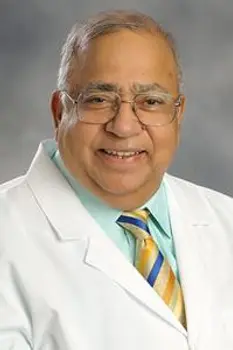
Hematology/Oncology Center
Parvez Khan is an Oncologist practicing medicine in Garden City, Michigan. He has been practicing medicine for over 50 years. Dr. Khan is highly rated in 45 conditions, according to our data. His clinical expertise encompasses Small Cell Lung Cancer (SCLC), Agranulocytosis, Chronic Familial Neutropenia, Idiopathic Neutropenia, and Bone Marrow Aspiration. Dr. Khan is board certified in American Board Of Internal Medicine. Dr. Khan is currently accepting new patients.

Corewell Health Dearborn Hospital Gynecologic Oncology
Barry Rosen is an Oncologist and a Surgical Oncologist practicing medicine in Dearborn, Michigan. He has been practicing medicine for over 49 years. Dr. Rosen is highly rated in 22 conditions, according to our data. His clinical expertise encompasses Ovarian Cancer, Endometrial Cancer, Sertoli-Leydig Cell Tumor, Oophorectomy, and Salpingo-Oophorectomy. Dr. Rosen is board certified in Royal College Of Physicians And Surgeons Of Canada. Dr. Rosen is currently accepting new patients.

Amal Gynecologic Oncology Clinic
Haider Mahdi is an Oncologist practicing medicine in West Bloomfield, Michigan. He has been practicing medicine for over 22 years. Dr. Mahdi is highly rated in 18 conditions, according to our data. His clinical expertise encompasses Endometrial Cancer, Ovarian Cancer, Ovarian Carcinosarcoma, Hysterectomy, and Lymphadenectomy. Dr. Mahdi is board certified in American Board Of Obstetrics And Gynecology and American Board Of Obstetrics And Gynecology. Dr. Mahdi is currently accepting new patients.
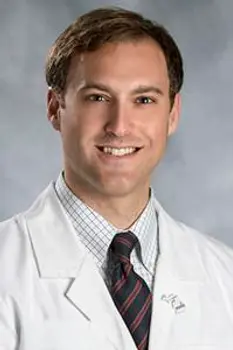
Cancer & Leukemia Center
Andrew Muskovitz is a Hematologist and an Oncologist practicing medicine in Sterling Heights, Michigan. He has been practicing medicine for over 21 years. Dr. Muskovitz is highly rated in 102 conditions, according to our data. His clinical expertise encompasses Small Cell Lung Cancer (SCLC), Lung Adenocarcinoma, Thrombocytopenia, Bone Marrow Aspiration, and Ureteroscopy. Dr. Muskovitz is board certified in American Board Of Internal Medicine, American Board Of Internal Medicine, American Board Of Internal Medicine, and American Board Of Internal Medicine. Dr. Muskovitz is currently accepting new patients.
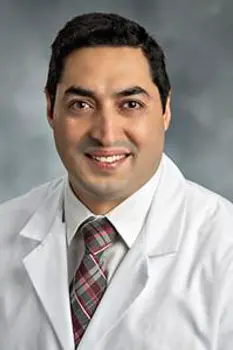
Corewell Health Beaumont Troy Hospital Hematology & Oncology - 44199 Dequindre Rd
Mohammad Chisti is a Hematologist and an Oncologist practicing medicine in Troy, Michigan. He has been practicing medicine for over 21 years. Dr. Chisti is highly rated in 100 conditions, according to our data. His clinical expertise encompasses Follicular Lymphoma, Chronic Myelogenous Leukemia (CML), Anemia, Bone Marrow Aspiration, and Gastrostomy. Dr. Chisti is board certified in American Board Of Internal Medicine, American Board Of Internal Medicine, and American Board Of Internal Medicine. Dr. Chisti is currently accepting new patients.
Karmanos Cancer Institute - Detroit Headquarters
Ammar Sukari is an Oncologist practicing medicine in Detroit, Michigan. He has been practicing medicine for over 27 years. Dr. Sukari is highly rated in 30 conditions, according to our data. His clinical expertise encompasses Head and Neck Squamous Cell Carcinoma (HNSCC), Non-Small Cell Lung Cancer (NSCLC), Lung Cancer, Nasopharyngeal Carcinoma, and Gastrostomy. Dr. Sukari is board certified in American Board Of Internal Medicine. Dr. Sukari is currently accepting new patients.
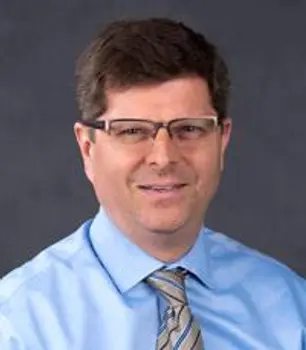
Corewell Health Lakeland Hospitals Cancer Care Specialists Royalton
Edmund Paloyan is an Oncologist practicing medicine in Saint Joseph, Michigan. He has been practicing medicine for over 34 years. Dr. Paloyan is highly rated in 76 conditions, according to our data. His clinical expertise encompasses Paget Disease of the Breast, Familial Colorectal Cancer, Breast Cancer, and Lynch Syndrome. Dr. Paloyan is board certified in American Board Of Internal Medicine. Dr. Paloyan is currently accepting new patients.
Cancer Care Associates
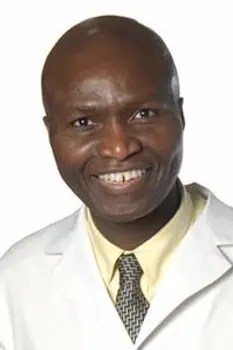
Ishmael Jaiyesimi is a Hematologist Oncology provider practicing medicine in Royal Oak, Michigan. He has been practicing medicine for over 40 years. Dr. Jaiyesimi is highly rated in 76 conditions, according to our data. His clinical expertise encompasses Small Cell Lung Cancer (SCLC), Lung Adenocarcinoma, Thrombocytopenia, Familial Colorectal Cancer, and Bone Marrow Aspiration. Dr. Jaiyesimi is board certified in American Board Of Internal Medicine, American Board Of Internal Medicine, and American Board Of Internal Medicine. Dr. Jaiyesimi is currently accepting new patients.
The Cancer & Hematology Centers
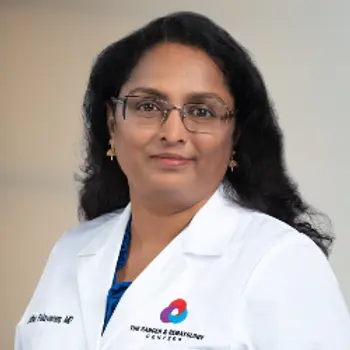
Latha Polavaram is a Hematologist and a Hematologist Oncology provider practicing medicine in Grand Rapids, Michigan. She has been practicing medicine for over 27 years. Dr. Polavaram is highly rated in 73 conditions, according to our data. Her clinical expertise encompasses Chronic Lymphocytic Leukemia (CLL), Non-Hodgkin Lymphoma, B-Cell Lymphoma, Anaplastic Large Cell Lymphoma, and Bone Marrow Aspiration. Dr. Polavaram is board certified in American Board Of Internal Medicine and American Board Of Internal Medicine. Dr. Polavaram is currently accepting new patients.

Corewell Health Beaumont Troy Hospital Oncology - 44344 Dequindre Rd
Youssef Hanna is an Oncologist practicing medicine in Sterling Heights, Michigan. He has been practicing medicine for over 34 years. Dr. Hanna is highly rated in 71 conditions, according to our data. His clinical expertise encompasses Paget Disease of the Breast, Breast Cancer, Lung Adenocarcinoma, and Small Cell Lung Cancer (SCLC). Dr. Hanna is board certified in American Board Of Internal Medicine. Dr. Hanna is currently accepting new patients.

AP MI Heme & Onc Consultants Dr Musa
Faisal Musa is a Hematologist and an Oncologist practicing medicine in Dearborn, Michigan. He has been practicing medicine for over 20 years. Dr. Musa is highly rated in 64 conditions, according to our data. His clinical expertise encompasses Lung Cancer, Pleuropulmonary Blastoma, Lung Adenocarcinoma, Small Cell Lung Cancer (SCLC), and Bone Marrow Aspiration. Dr. Musa is board certified in American Board Of Internal Medicine and American Board Of Internal Medicine. Dr. Musa is currently accepting new patients.
Cancer & Leukemia Center
George Howard is an Oncologist practicing medicine in Sterling Heights, Michigan. He has been practicing medicine for over 24 years. Dr. Howard is highly rated in 113 conditions, according to our data. His clinical expertise encompasses Adult Immune Thrombocytopenia, Familial Colorectal Cancer, Hemangioma Thrombocytopenia Syndrome, Bone Marrow Aspiration, and Gastrostomy. Dr. Howard is board certified in American Board Of Internal Medicine and American Board Of Internal Medicine. Dr. Howard is currently accepting new patients.
The Cancer & Hematology Centers
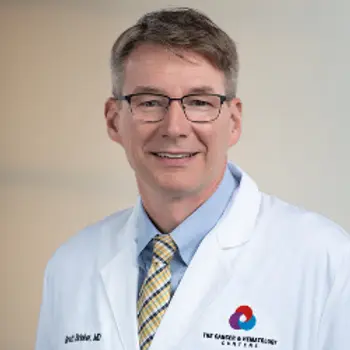
Brett Brinker is a Hematologist Oncology provider practicing medicine in Grand Rapids, Michigan. He has been practicing medicine for over 26 years. Dr. Brinker is highly rated in 60 conditions, according to our data. His clinical expertise encompasses B-Cell Lymphoma, Acute Myeloid Leukemia (AML), Non-Hodgkin Lymphoma, Acute Myeloblastic Leukemia without Maturation, and Bone Marrow Aspiration. Dr. Brinker is board certified in American Board Of Internal Medicine and American Board Of Internal Medicine. Dr. Brinker is currently accepting new patients.
Downriver Oncology Center
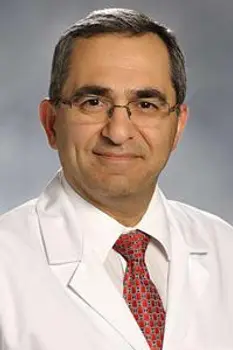
Mohammed Ogaily is an Oncologist practicing medicine in Brownstown Twp, Michigan. He has been practicing medicine for over 39 years. Dr. Ogaily is highly rated in 50 conditions, according to our data. His clinical expertise encompasses Angiosarcoma, Colorectal Cancer, Lynch Syndrome, and Paget Disease of the Breast. Dr. Ogaily is board certified in American Board Of Internal Medicine and American Board Of Internal Medicine. Dr. Ogaily is currently accepting new patients.

The Cancer & Hematology Centers
Colin Hardin is a Hematologist and a Hematologist Oncology provider practicing medicine in Grand Rapids, Michigan. He has been practicing medicine for over 15 years. Dr. Hardin is highly rated in 49 conditions, according to our data. His clinical expertise encompasses Thrombocytopenia, Hemangioma Thrombocytopenia Syndrome, Anemia, Chronic Lymphocytic Leukemia (CLL), and Bone Marrow Aspiration. Dr. Hardin is board certified in American Board Of Internal Medicine, American Board Of Internal Medicine, and American Board Of Internal Medicine. Dr. Hardin is currently accepting new patients.

The Cancer & Hematology Centers - Holland
Eric Batts is a Hematologist Oncology specialist and an Oncologist practicing medicine in Holland, Michigan. He has been practicing medicine for over 25 years. Dr. Batts is highly rated in 48 conditions, according to our data. His clinical expertise encompasses Paget Disease of the Breast, Lung Cancer, Pleuropulmonary Blastoma, and Myelodysplastic Syndrome (MDS). Dr. Batts is board certified in American Board Of Internal Medicine, American Board Of Internal Medicine, and American Board Of Internal Medicine. Dr. Batts is currently accepting new patients.
The Cancer & Hematology Centers
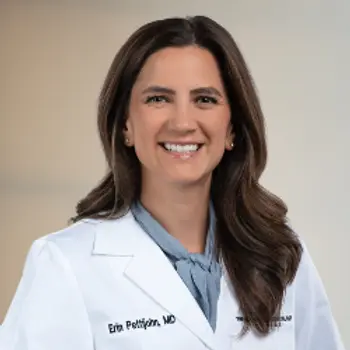
Erin Pettijohn is a Hematologist and a Hematologist Oncology provider practicing medicine in Grand Rapids, Michigan. She has been practicing medicine for over 15 years. Dr. Pettijohn is highly rated in 47 conditions, according to our data. Her clinical expertise encompasses Large-Cell Immunoblastic Lymphoma, B-Cell Lymphoma, Chronic Lymphocytic Leukemia (CLL), Diffuse Large B-Cell Lymphoma (DLBCL), and Bone Marrow Aspiration. Dr. Pettijohn is board certified in American Board Of Internal Medicine, American Board Of Internal Medicine, and American Board Of Internal Medicine. Dr. Pettijohn is currently accepting new patients.
Hematology Oncology Consultants Division Of Michigan Healthcare Professionals PC
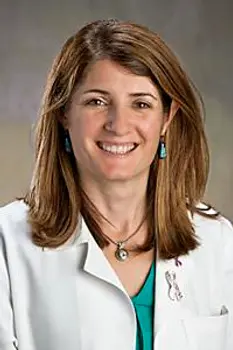
Laura Nadeau is a Hematologist and an Oncologist practicing medicine in Royal Oak, Michigan. She has been practicing medicine for over 27 years. Dr. Nadeau is highly rated in 46 conditions, according to our data. Her clinical expertise encompasses Paget Disease of the Breast, Breast Cancer, Adult Immune Thrombocytopenia, Chronic Familial Neutropenia, and Bone Marrow Aspiration. Dr. Nadeau is board certified in American Board Of Internal Medicine, American Board Of Internal Medicine, and American Board Of Internal Medicine. Dr. Nadeau is currently accepting new patients.
The Cancer & Hematology Centers - Foremost Drive Ste 200
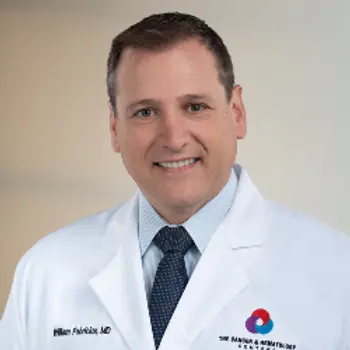
William Fabricius is an Otolaryngologist and a Hematologist practicing medicine in Grand Rapids, Michigan. He has been practicing medicine for over 24 years. Dr. Fabricius is highly rated in 46 conditions, according to our data. His clinical expertise encompasses Chronic Lymphocytic Leukemia (CLL), Multiple Myeloma, Relapsed Refractory Multiple Myeloma (RRMM), and Inflammatory Breast Cancer. Dr. Fabricius is board certified in American Board Of Internal Medicine, American Board Of Internal Medicine, and American Board Of Internal Medicine. Dr. Fabricius is currently accepting new patients.

Oakland Medical Group - Division Of Clinical Hematology & Medical Oncology - Royal Oak
Savitha Balaraman is an Oncologist practicing medicine in Royal Oak, Michigan. She has been practicing medicine for over 31 years. Dr. Balaraman is highly rated in 44 conditions, according to our data. Her clinical expertise encompasses Inflammatory Breast Cancer, Paget Disease of the Breast, Familial Colorectal Cancer, Bone Marrow Aspiration, and Endoscopy. Dr. Balaraman is board certified in American Board Of Internal Medicine. Dr. Balaraman is currently accepting new patients.

The Cancer & Hematology Centers
Jared Knol is an Otolaryngologist and an Oncologist practicing medicine in Grand Rapids, Michigan. He has been practicing medicine for over 18 years. Dr. Knol is highly rated in 42 conditions, according to our data. His clinical expertise encompasses Familial Prostate Cancer, Adult Soft Tissue Sarcoma, Laryngeal Cancer, and Synovial Sarcoma. Dr. Knol is board certified in American Board Of Internal Medicine. Dr. Knol is currently accepting new patients.
Bhadresh Nayak, MD
Bhadresh Nayak is an Oncologist practicing medicine in Sterling Heights, Michigan. He has been practicing medicine for over 40 years. Dr. Nayak is highly rated in 90 conditions, according to our data. His clinical expertise encompasses Congenital Antithrombin 3 Deficiency, Protein S Deficiency, Hereditary Resistance to Anti-Vitamin K, Bone Marrow Aspiration, and Gastrostomy. Dr. Nayak is board certified in American Board Of Internal Medicine and American Board Of Internal Medicine. Dr. Nayak is currently accepting new patients.

The Cancer & Hematology Centers - Foremost Drive Ste 200
Frances Wong is a Hematologist Oncology provider practicing medicine in Grand Rapids, Michigan. She has been practicing medicine for over 19 years. Dr. Wong is highly rated in 38 conditions, according to our data. Her clinical expertise encompasses Thrombocytopenia, Adult Immune Thrombocytopenia, Hemangioma Thrombocytopenia Syndrome, Childhood Iron Deficiency Anemia, and Bone Marrow Aspiration. Dr. Wong is board certified in American Board Of Internal Medicine, American Board Of Internal Medicine, and American Board Of Internal Medicine. Dr. Wong is currently accepting new patients.

Mitchell Folbe MD PC
Mitchell Folbe is an Oncologist practicing medicine in Sterling Heights, Michigan. He has been practicing medicine for over 34 years. Dr. Folbe is highly rated in 37 conditions, according to our data. His clinical expertise encompasses Hemochromatosis, Angiosarcoma, ALK-Positive Non-Small Cell Lung Cancer, Squamous Cell Lung Carcinoma, and Bone Marrow Aspiration. Dr. Folbe is board certified in American Board Of Internal Medicine. Dr. Folbe is currently accepting new patients.

Rogel Cancer Center
Dr. Vaishampayan is the Director of the Phase I program at the Rogel Cancer Center, University of Michigan, Ann Arbor MI. Dr. Vaishampayan is a Professor of Internal Medicine and her research is primarily in translational drug development and early phase clinical trials in cancer with a focus on genitourinary malignancies. She has initiated, obtained funding for, and conducted and published many investigator initiated trials with embedded biomarkers and established multidisciplinary collaboration. She has served as site PI of the UO-1 Early Therapeutics Research Grant at Wayne State University. She was also the chair of the solid tumor division of oncology at WSU. She has completed formal leadership traning course and is Fellow of the Advisory Board (FAB). She is the appointed chair of the Advanced Renal committee of SWOG and a member of the Renal task force of the NCI. She is a board member of the Michigan Society of Hematology/Oncology (MSHO) and organizes annual board review course. Additionally, she has served as track leader for the ASCO education committee GU non prostate (Renal and bladder cancer) track. Dr. Vaishampayan attended Wayne State University for her residency and fellowship completion and attended medical school at Byramjee Jeejeebhoy in Pune, India and completed a higher secondary certificate in the field of science at Fergusson College in Pune, India.In her free time, Dr. Vaishampayan enjoys reading, dance, music and travel. Travel, reading (mysteries preferred), follows football. Dr. Vaishampayan is highly rated in 36 conditions, according to our data. Her clinical expertise encompasses Renal Cell Carcinoma (RCC), Prostate Cancer, Urothelial Cancer, Nephrectomy, and Orchiectomy. Dr. Vaishampayan is board certified in Medical Oncology.