Ophthalmologist Search Results

Childrens Medical Group
Aparna Ramasubramanian, MD, is an independent ophthalmologist at Ascension Wisconsin in Wauwatosa, Wisconsin. Dr. Ramasubramanian diagnoses and treats adults and children with complex eye and vision conditions, such as cataracts, farsightedness, nearsightedness and astigmatism, glaucoma, and pink eye. Dr. Ramasubramanian is highly rated in 12 conditions, according to our data. Her clinical expertise encompasses Retinoblastoma, Strabismus, Hereditary Retinoblastoma, and Gliomatosis Cerebri. Dr. Ramasubramanian is board certified in The American Board Of Ophthalmology - Ophthalmology and Ophthalmology. Dr. Ramasubramanian is currently accepting new patients.

Eye Institute - Froedtert Hospital
Dr. Suson is a comprehensive ophthalmologist with extensive experience in cataract surgery, advanced technology lens implantation and laser vision correction surgery (LASIK). (Learn more on his website). After graduating summa cum laude from Marquette University with a bachelor’s degree in chemistry, Dr. Suson attended medical school at the Medical College of Wisconsin (MCW), where he graduated with honors in research. He completed his residency in ophthalmology at the MCW Eye Institute, where he served as chief resident in his final year. Before joining the MCW faculty, Dr. Suson was in private practice for 20 years with Suson Eye Specialists in Milwaukee, an independent practice founded by his father, Dr. Elieser Suson, who was one of the first faculty members of the Department of Ophthalmology at MCW. Dr. John Suson joined the Department of Ophthalmology & Visual Sciences at MCW as an assistant professor in March 2017. Dr. Suson is highly rated in 3 conditions, according to our data. His clinical expertise encompasses Ocular Hypertension (OHT), Cataract, Glaucoma, and Meibomianitis. Dr. Suson is board certified in Ophthalmology. Dr. Suson is currently accepting new patients.

Eye Institute - Froedtert Hospital
Dr. Geoff Wilkes is a comprehensive ophthalmologist with a special interest in cataracts and intraocular lens implant surgery. He earned his bachelor’s degree from the University of Wisconsin-Madison and his medical degree from the University of Michigan Medical School. After completing a transitional year internship at Aurora St. Luke’s Medical Center in Milwaukee, Dr. Wilkes moved to San Francisco to complete his ophthalmology residency at the California Pacific Medical Center. Dr. Wilkes was raised in Mukwonago, Wisconsin, and is truly delighted to have returned to the Milwaukee area to serve in the communities he has always considered home. He is a patient-focused physician who strives to serve all those that enter his clinics and operating rooms with compassionate, professional and honest care of the highest quality. Dr. Wilkes is highly rated in 1 condition, according to our data. His clinical expertise encompasses Cataract, Late-Onset Retinal Degeneration, Age-Related Macular Degeneration (ARMD), and Glaucoma. Dr. Wilkes is board certified in Ophthalmology. Dr. Wilkes is currently accepting new patients.

Eye Care Specialists, SC
Daniel K. Ferguson, MD, is an independent ophthalmologist at Ascension Wisconsin in West Allis, Wisconsin. Dr. Ferguson diagnoses and treats adults and children with complex eye and vision conditions, such as cataracts, farsightedness, nearsightedness and astigmatism, glaucoma, and pink eye. Dr. Ferguson is highly rated in 8 conditions, according to our data. His clinical expertise encompasses Cataract, Ocular Hypertension (OHT), Glaucoma, and Late-Onset Retinal Degeneration. Dr. Ferguson is board certified in The American Board Of Ophthalmology - Ophthalmology and American Board Of Ophthalmology. Dr. Ferguson is currently accepting new patients.

Ophthalmology Associates
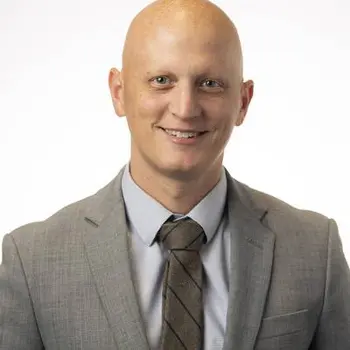
Glenn E. Graves, MD, is an independent ophthalmologist at Ascension Wisconsin in Milwaukee, Wisconsin. Dr. Graves diagnoses and treats adults and children with complex eye and vision conditions, such as cataracts, farsightedness, nearsightedness and astigmatism, glaucoma, and pink eye. Dr. Graves is highly rated in 5 conditions, according to our data. His clinical expertise encompasses Glaucoma, Cataract, Ocular Hypertension (OHT), Age-Related Macular Degeneration (ARMD), and Cataract Removal. Dr. Graves is board certified in The American Board Of Ophthalmology - Ophthalmology and American Board Of Ophthalmology. Dr. Graves is currently accepting new patients.
Ophthalmology Associates
Hart B. Moss, MD, is an independent ophthalmologist at Ascension Wisconsin in Milwaukee, Wisconsin. Dr. Moss diagnoses and treats adults and children with complex eye and vision conditions, such as cataracts, farsightedness, nearsightedness and astigmatism, glaucoma, and pink eye. Dr. Moss is highly rated in 4 conditions, according to our data. His clinical expertise encompasses Cataract, Keratoconus, Age-Related Macular Degeneration (ARMD), Late-Onset Retinal Degeneration, and Corneal Transplant. Dr. Moss is board certified in The American Board Of Ophthalmology - Ophthalmology and American Board Of Ophthalmology. Dr. Moss is currently accepting new patients.
Retina & Vitreous Consultants Of WI, Ltd
Razek Coussa is an Ophthalmologist practicing medicine in Wauwatosa, Wisconsin. Dr. Coussa is highly rated in 34 conditions, according to our data. His clinical expertise encompasses Late-Onset Retinal Degeneration, Age-Related Macular Degeneration (ARMD), Retinitis Pigmentosa, Retinopathy Pigmentary Mental Retardation, and Vitrectomy. Dr. Coussa is board certified in American Board Of Ophthalmology. Dr. Coussa is currently accepting new patients.
Froedtert Eye Institute Pharmacy
Judy Kim is an Ophthalmologist practicing medicine in Milwaukee, Wisconsin. Dr. Kim is highly rated in 21 conditions, according to our data. Her clinical expertise encompasses Diabetic Retinopathy, Age-Related Macular Degeneration (ARMD), Late-Onset Retinal Degeneration, Retinal Detachment, and Vitrectomy.
Milwaukee Eye Care Associates - Milwaukee Eye Care Associates
Nicholas J. Frame, MD, is an independent ophthalmologist at Ascension Wisconsin in Milwaukee, Wisconsin. Dr. Frame diagnoses and treats adults and children with complex eye and vision conditions, such as cataracts, farsightedness, nearsightedness and astigmatism, glaucoma, and pink eye. Dr. Frame is highly rated in 14 conditions, according to our data. His clinical expertise encompasses Glaucoma, Cataract, Uveitis, and Blepharitis. Dr. Frame is board certified in The American Board Of Ophthalmology - Ophthalmology. Dr. Frame is currently accepting new patients.
Eye Care Specialists, SC
Brett W. Rhode, MD, is an independent ophthalmologist at Ascension Wisconsin in West Allis, Wisconsin. Dr. Rhode diagnoses and treats adults and children with complex eye and vision conditions, such as cataracts, farsightedness, nearsightedness and astigmatism, glaucoma, and pink eye. Dr. Rhode is highly rated in 13 conditions, according to our data. His clinical expertise encompasses Cataract, Glaucoma, Ocular Hypertension (OHT), and Diabetic Retinopathy. Dr. Rhode is board certified in and The American Board Of Ophthalmology - Ophthalmology. Dr. Rhode is currently accepting new patients.
Retina & Vitreous Consultants Of WI, Ltd
Lincoln Shaw is an Ophthalmologist practicing medicine in Wauwatosa, Wisconsin. Dr. Shaw is highly rated in 12 conditions, according to our data. His clinical expertise encompasses Age-Related Macular Degeneration (ARMD), Diabetic Retinopathy, Late-Onset Retinal Degeneration, Vitrectomy, and Trabeculectomy. Dr. Shaw is board certified in . Dr. Shaw is currently accepting new patients.
Eye Care Specialists, SC
Daniel Paskowitz is an Ophthalmologist practicing medicine in West Allis, Wisconsin. Dr. Paskowitz is highly rated in 10 conditions, according to our data. His clinical expertise encompasses Cataract, Glaucoma, Adie Syndrome, and Age-Related Macular Degeneration (ARMD). Dr. Paskowitz is board certified in American Board Of Ophthalmology. Dr. Paskowitz is currently accepting new patients.
Eye Care Specialists, SC
Michael Raciti is an Ophthalmologist practicing medicine in West Allis, Wisconsin. He has been practicing medicine for over 17 years. Dr. Raciti is highly rated in 7 conditions, according to our data. His clinical expertise encompasses Cataract, Glaucoma, Diabetic Retinopathy, and Adie Syndrome. Dr. Raciti is board certified in American Board Of Ophthalmology. Dr. Raciti is currently accepting new patients.
Froedtert Eye Institute Pharmacy
Dennis Han is an Ophthalmologist practicing medicine in Milwaukee, Wisconsin. Dr. Han is highly rated in 5 conditions, according to our data. His clinical expertise encompasses Age-Related Macular Degeneration (ARMD), Late-Onset Retinal Degeneration, Retinal Artery Occlusion, and Retinal Vein Occlusion.

Westbrook Health Center
Dr. Thomas Connor earned his bachelor's degree from Haverford College in Pennsylvania and his medical degree from the Johns Hopkins University School of Medicine. After completing a medical internship at Beth Israel Hospital/Harvard Medical School in Boston, Dr. Connor returned to Baltimore to complete his ophthalmology residency at the Wilmer Eye Institute of the Johns Hopkins Hospital. He came to Milwaukee and the Medical College of Wisconsin for a fellowship in medical and surgical diseases of the retina and vitreous. Following completion of his fellowship, he returned to the Wilmer Eye Institute/Johns Hopkins Hospital to serve as assistant chief of service/director of ocular trauma service. He was pleased to return to the MCW Eye Institute and the Department of Ophthalmology in 1994 and has been here since, currently serving as professor of ophthalmology and director of the Vitreoretinal Fellowship Program. He enjoys his role in academic ophthalmology with a busy clinical and surgical practice while also serving as an educator — teaching medical students, residents, fellows, other physicians and the community at large. He is most pleased with his active research collaborations with his fellow colleagues on the retina service and the MCW Advanced Ocular Imaging Program (AOIP).Dr. Connor is a native of Baltimore, Maryland, but has transitioned well into a Packers, Brewers and Bucks fan. He and his wife, Sue, are community chorus singers, are active in scouting, have spent many seasons coaching youth sports, and they are the proud parents of triplets. Dr. Connor is highly rated in 35 conditions, according to our data. His clinical expertise encompasses Stargardt Macular Degeneration, Cone Dystrophy, Late-Onset Retinal Degeneration, Retinitis Pigmentosa, and Vitrectomy. Dr. Connor is board certified in Ophthalmology. Dr. Connor is currently accepting new patients.

Eye Physician Associates, S.C. - Oak Creek
Rosemarie M. Brueggeman, MD, is a board-certified, independent ophthalmologist at Ascension Wisconsin in Oak Creek, Layton, and Mequon, WI. She diagnoses and treats adults and children with complex eye and vision conditions, such as cataracts, farsightedness, nearsightedness and astigmatism, glaucoma, and pink eye. Dr. Brueggeman is highly rated in 13 conditions, according to our data. Her clinical expertise encompasses Glaucoma, Ocular Hypertension (OHT), Cataract, and Blepharitis. Dr. Brueggeman is board certified in The American Board Of Ophthalmology - Ophthalmology and American Board Of Ophthalmology. Dr. Brueggeman is currently accepting new patients.

Eye Institute - Froedtert Hospital
Dr. William Wirostko earned his medical degree in 1994 from the University of Virginia after completing his bachelor’s degree at Colgate University in New York. After his transitional internship at St. Luke’s Hospital in Denver, Colorado, he came to the Medical College of Wisconsin Eye Institute in 1995, where he did his residency in ophthalmology and a fellowship in vitreoretinal surgery. Upon graduation in 2000, Dr. Wirostko became a full-time faculty member at MCW. Since then, he has been actively involved in patient care, research and education of medical students, ophthalmology residents and vitreoretinal surgical fellows. He is recognized in “Best Doctors in America,” and his clinical practice in combination with his research efforts has allowed him to publish more than 45 peer-reviewed articles and 14 book chapters on ophthalmology. Dr. Wirostko is highly rated in 12 conditions, according to our data. His clinical expertise encompasses Choroid Plexus Carcinoma, Melanoma of the Eye, Metastatic Uveal Melanoma, Age-Related Macular Degeneration (ARMD), and Vitrectomy. Dr. Wirostko is board certified in Ophthalmology. Dr. Wirostko is currently accepting new patients.

Eye Physician Associates, S.C. - Oak Creek
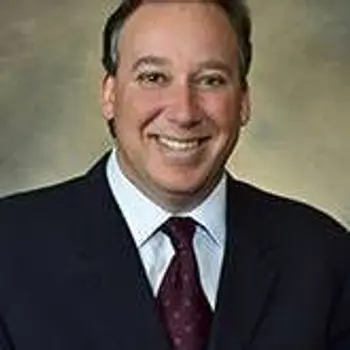
Charles B. Yang, MD, is an independent ophthalmologist at Ascension Wisconsin in Mequon, Wisconsin. Dr. Yang diagnoses and treats adults and children with complex eye and vision conditions, such as cataracts, farsightedness, nearsightedness and astigmatism, glaucoma, and pink eye. Dr. Yang is highly rated in 12 conditions, according to our data. His clinical expertise encompasses Glaucoma, Cataract, Nearsightedness, and Age-Related Macular Degeneration (ARMD). Dr. Yang is board certified in The American Board Of Ophthalmology - Ophthalmology and American Board Of Ophthalmology. Dr. Yang is currently accepting new patients.
Eye Physician Associates, S.C. - Oak Creek
Marc D. Hirsch, MD, is an independent ophthalmologist at Ascension Wisconsin in Oak Creek, Wisconsin. Dr. Hirsch diagnoses and treats adults and children with complex eye and vision conditions, such as cataracts, farsightedness, nearsightedness and astigmatism, glaucoma, and pink eye. Dr. Hirsch is highly rated in 12 conditions, according to our data. His clinical expertise encompasses Cataract, Glaucoma, Presbyopia, and Age-Related Macular Degeneration (ARMD). Dr. Hirsch is board certified in The American Board Of Ophthalmology - Ophthalmology and American Board Of Ophthalmology. Dr. Hirsch is currently accepting new patients.

Eye Institute - Froedtert Hospital
Dr. Timothy S. Wells is a fellowship-trained, board-certified ophthalmologist who specializes in ophthalmic plastic, reconstructive and orbital surgery (also known as oculoplastic surgery or oculoplastics). This specialty includes surgical and medical management of eyelid, lacrimal (tear duct) and orbital disorders. Dr. Wells is a clinician educator and associate professor of ophthalmology at the Medical College of Wisconsin Eye Institute. Dr. Wells was formerly the chief teaching resident at Indiana University in 2003. He completed a prestigious two-year American Society of Ophthalmic Plastic and Reconstructive Surgery (ASOPRS) specialty fellowship in orbital and oculoplastic surgery at the Medical College of Wisconsin in 2005. Dr. Wells has served as attending surgeon at Froedtert Hospital, Children’s Hospital of Wisconsin and Zablocki VA Medical Center since 2005. Dr. Wells was awarded the Residents’ Award for Teaching Excellence in Ophthalmology in 2007. As a member of the ASOPRS, he currently serves on the Education Committee and participates in oral board examination for oculofacial surgeons. Dr. Wells strives to provide excellent care. Dr. Wells is highly rated in 11 conditions, according to our data. His clinical expertise encompasses Progressive Hemifacial Atrophy, Entropion, Cicatricial Pemphigoid, and Benign Essential Blepharospasm. Dr. Wells is board certified in Ophthalmology. Dr. Wells is currently accepting new patients.

Eye Institute - Froedtert Hospital
Dr. Gerald J. Harris is professor of ophthalmology and chief of orbital and ophthalmic plastic surgery at the Froedtert & the Medical College of Wisconsin Eye Institute. He was born in Philadelphia, received his medical degree and ophthalmology training at Northwestern University and was a fellow in orbital and oculoplastic surgery at Columbia University. He served as a U.S. Air Force flight surgeon in Southeast Asia.With a primary commitment to the surgical care of his patients, Dr. Harris has made scholarly contributions in the areas of orbital disease, eyelid reconstruction and lacrimal surgery. His publications include more than 150 original articles and book chapters as well as the surgical text Atlas of Oculofacial Reconstruction. He has delivered 117 invited lectures at institutions and societies worldwide and was honored as the Wendell L. Hughes Lecturer by the American Academy of Ophthalmology. Dr. Harris is editor emeritus of Ophthalmic Plastic and Reconstructive Surgery, having served as editor-in-chief for eight years. He is a member of the Orbital Society and the American Ophthalmological Society and is in the Presidential Track of the American Society of Ophthalmic Plastic and Reconstructive Surgery (ASOPRS), serving as vice president in 2015, president-elect in 2016, president in 2017, and chair of the advisory board in 2018. Dr. Harris is the program director and principal preceptor of an ASOPRS-accredited fellowship training program. Dr. Harris is highly rated in 10 conditions, according to our data. His clinical expertise encompasses Ptosis, Eyelid Drooping, Graves Disease, Periorbital Cellulitis, and Tissue Biopsy. Dr. Harris is board certified in Ophthalmology. Dr. Harris is currently accepting new patients.

Vision Services - Froedtert Hospital
Dr. Sang Hong earned his medical degree from Northwestern University in 1993. After an internship in general surgery and a few years working in otolaryngology, he transitioned into ophthalmology, completing his residency at St. Vincent Catholic Medical Centers of Brooklyn & Queens in New York in 2001. Dr. Hong then spent two years doing fellowships, one in oculoplastics at Albany Medical Center in New York and another in neuro-ophthalmology and orbital surgery at Allegheny General Hospital in Pittsburgh, Pennsylvania. In 2003, he joined the Medical College of Wisconsin ophthalmology department, where, in addition to his clinical work, he continues to teach and mentor medical students, ophthalmology residents, and oculoplastics fellows. Dr. Hong is highly rated in 9 conditions, according to our data. His clinical expertise encompasses Benign Essential Blepharospasm, Graves Disease, Optic Neuritis, and Ptosis. Dr. Hong is board certified in Ophthalmology. Dr. Hong is currently accepting new patients.

Eye Institute - Froedtert Hospital
Dr. Ahmad graduated from the University of Texas at Dallas summa cum laude with a degree in electrical engineering. He then worked for several years as an engineer, but eventually pursued a career in medicine. He completed medical school at the University of Texas, Southwestern Medical Center in Dallas, followed by ophthalmology residency at the prestigious Cole Eye Institute of the Cleveland Clinic. Given an interest in providing care for complex pathologies, he then completed a vitreoretinal diseases and surgery fellowship at The Retina Institute of St. Louis.Following fellowship, Dr. Ahmad returned to his hometown of Cleveland, OHo and led the busy retina service as its primary surgeon in the Department of Ophthalmology at University Hospitals / Case Western Reserve University. Over time, however, he felt a need to dedicate more time to family and this prompted a move into private practice at the Virginia Eye Institute in Richmond, Virginia. After several years in private practice, he decided to return to academic medical practice in order to also teach others and to pursue research interests in big data/artificial intelligence. As such, he joined the Froedtert & the Medical College of Wisconsin health network in summer of 2019 with a secondary appointment at Marquette University’s School of Biomedical Engineering.He is certified by the American Board of Ophthalmology and is an active member of the American Society of Retina Specialists. He has participated in the training of a number of ophthalmologists; he was recognized as “Teacher of the Year” in 2015 at Case Western Reserve University, and received the “Best Clinical Educator” award in 2023 at Medical College of Wisconsin. He has also authored several dozen peer-reviewed papers, book chapters, instructive videos, and online articles regarding vitreoretinal diseases and surgery. Currently, Dr. Ahmad serves as the chief of the vitreoretinal disease and surgery subspecialty section in the Department of Ophthalmology.Dr. Ahmad sees patients at the Eye Institute on the Froedtert Hospital campus, as well as at the Froedtert & the Medical College of Wisconsin Westbrook Health Center. Dr. Ahmad is highly rated in 8 conditions, according to our data. His clinical expertise encompasses Retinal Detachment, Age-Related Macular Degeneration (ARMD), Late-Onset Retinal Degeneration, Diabetic Retinopathy, and Vitrectomy. Dr. Ahmad is board certified in Ophthalmology. Dr. Ahmad is currently accepting new patients.

Eye Institute - Froedtert Hospital
Dr. Edward Barnett earned his Honors Bachelor of Science in psychology from the University of Wisconsin-Madison, graduating Phi Beta Kappa. He then attended the University of Iowa, earning both his MD (Alpha Omega Alpha) and a PhD in neuroscience. Following this, Dr. Barnett completed his internship at St. Luke’s Hospital, an ophthalmology residency at the University of Iowa Hospitals and Clinics, and a glaucoma fellowship at Washington University in St. Louis. From 2001-2013, Dr. Barnett was a faculty member of the Department of Ophthalmology at Washington University, achieving the rank of full professor in 2012. He also served as the clinical director for the department from 2006 to 2013. In 2013, he joined Ophthalmic Consultants of Boston, but was excited to return to his home state in 2015 as a professor of ophthalmology at the Medical College of Wisconsin. He has been honored as one of “America’s Top Ophthalmologists” and “Best Doctors in America.” In addition to being a busy clinician and surgeon, he has also been active in both basic and clinical research with numerous grants, awards and publications.Dr. Barnett was born and raised in Boscobel, Wisconsin, the youngest of nine children. He has been married to his wife, Cate (raised in Brodhead, Wisconsin), for 27 years and has three children. He is a lifelong, die-hard Wisconsin sports fan and has completed two Ironman triathlons. Dr. Barnett is highly rated in 7 conditions, according to our data. His clinical expertise encompasses Glaucoma, Ocular Hypertension (OHT), Gyrate Atrophy of the Choroid and Retina, and Endophthalmitis. Dr. Barnett is board certified in Ophthalmology. Dr. Barnett is currently accepting new patients.

Advanced Retina
Ryan Vogel is an Ophthalmologist practicing medicine in Greenfield, Wisconsin. Dr. Vogel is highly rated in 4 conditions, according to our data. His clinical expertise encompasses Retinal Detachment, Age-Related Macular Degeneration (ARMD), Late-Onset Retinal Degeneration, and Diabetic Retinopathy. Dr. Vogel is board certified in American Board Of Ophthalmology. Dr. Vogel is currently accepting new patients.