The 20 Best Absence Seizure Doctors Near Me in Baltimore, MD
Find the Top Absence Seizure Experts and Specialists
The 20 Best Absence Seizure Doctors near Baltimore, MD
MediFind found 54 doctor with experience in Absence Seizure near Baltimore, MD. Of these, 44 are Experienced, 5 are Advanced and 5 are Distinguished.
Johns Hopkins Outpatient Center
Dr. Gregory Krauss focuses on the evaluation and treatment of seizures and epilepsy. He has a particular interest in treating medically-resistant epilepsy, evaluating unexplained seizure-like episodes, treating seizures associated with tumor and systemic illnesses and family planning counseling for patients with epilepsy. Dr. Krauss also evaluates patients who have failed standard medical therapies for possible treatment with epilepsy surgery, investigational medications or vagal nerve stimulation. Dr. Gregory Krauss received his medical degree from Oregon Health Sciences University. He then completed an internship in medicine at Greenwich Hospital. He went on to complete both a residency in neurology and a fellowship in epilepsy and electrophysiology at The Johns Hopkins Hospital. Dr. Krauss currently sees patients at The Johns Hopkins Outpatient Center in Baltimore on Tuesdays and Wednesdays. Dr. Krauss is rated as a Distinguished provider by MediFind in the treatment of Absence Seizure. His top areas of expertise are Seizures, Generalized Tonic-Clonic Seizure, Epilepsy, and Absence Seizure.
Johns Hopkins Outpatient Center
Dr. Eric Kossoff focuses on the diagnosis and treatment of childhood seizures and epilepsy, particularly treatments other than medications such as diet and neurostimulation. He is one of the world experts on dietary treatment for epilepsy (ketogenic diet) and lectures around the world about this therapy. His specific interests include the ketogenic diet, the modified Atkins diet for children and adults, infantile spasms, benign rolandic epilepsy, the interaction of migraine headaches with epilepsy, and Sturge-Weber syndrome. Dr. Eric Kossoff is also very involved in teaching and is the Director of the Pediatric Neurology Residency Program. He is a professor of neurology and pediatrics at the Johns Hopkins University School of Medicine. He is a co-author of Treatment of Pediatric Neurologic Disorders and the 7th edition of Ketogenic Diet Therapies. Dr. Kossoff sees patients in the Johns Hopkins Outpatient Center (5th floor) in Baltimore on Tuesday afternoons and Thursday mornings. He sees patients at Green Spring Station on Wednesday afternoons. He also participates in telemedicine. Dr. Kossoff received his medical degree from SUNY at Buffalo School of Medicine in New York. He went on to complete a residency in pediatrics at Eastern Virginia Medical School in Norfolk, Virginia. He completed a second residency in child neurology and a fellowship in pediatric epilepsy and clinical neurophysiology at The Johns Hopkins Hospital in Baltimore. Dr. Kossoff is rated as a Distinguished provider by MediFind in the treatment of Absence Seizure. His top areas of expertise are Epilepsy, Epilepsy in Children, Seizures, Endovascular Embolization, and Gastrostomy.
Johns Hopkins Outpatient Center
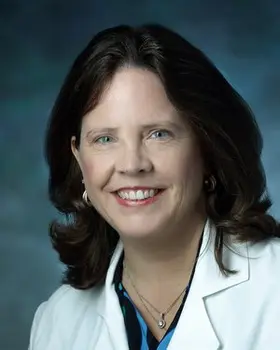
Catherine Chu is the director of the Division of Pediatric Neurology and the John M. Freeman Pediatric Epilepsy Center in the Johns Hopkins Department of Neurology, as well as the vice president of child neurology at the Kennedy Krieger Institute. As a child neurologist, epileptologist and clinical neurophysiologist, Dr. Chu cares for children diagnosed with epilepsy and disorders of the nervous system (neurophysiology). She specializes in electroencephalogram (also known as EEG) analysis, seizure localization, surgical planning and neuromodulation for adult and pediatric patients with difficult to control epilepsy. She is nationally and internationally recognized for her work identifying causes of and treatment options for cognitive dysfunction and seizures in epilepsy and neurodevelopmental disorders. Dr. Chu’s team specializes in identifying and developing tools to detect and understand brain rhythms that support complex cognitive functions throughout development, including how these rhythms are disrupted by seizures and neurodevelopmental disorders. Dr. Chu earned her medical degree and a master’s degree in social anthropology from Harvard University. She completed an internship in pediatrics at Massachusetts General Hospital, and then a residency in neurology and child neurology at Massachusetts General and Brigham and Women’s Hospital. After completing two fellowships at Massachusetts General, one in epilepsy and another in clinical neurophysiology, Dr. Chu earned a master’s degree in medical science, focused on clinical investigation, from Harvard Medical School. Dr. Chu is rated as a Distinguished provider by MediFind in the treatment of Absence Seizure. Her top areas of expertise are Benign Rolandic Epilepsy, Epilepsy in Children, Seizures, and Epilepsy.
Johns Hopkins Outpatient Center
Carl E. Stafstrom is a pediatric neurologist, caring for children with epilepsy. Dr. Stafstrom received his medical degree from the University of Washington School of Medicine in Seattle, with residencies at the University of Washington Medical Center and Tufts New England Medical Center, as well as fellowships at Harvard for neurology research and Boston Children’s Hospital in clinical neurophysiology, electroencephalography, and epilepsy. Dr. Stafstrom previously served as Professor of Neurology and Pediatrics at the University of Wisconsin-Madison School of Medicine and Public Health and Chief of Pediatric Neurology at American Family Children’s Hospital at UW Madison. Dr. Stafstrom is rated as a Distinguished provider by MediFind in the treatment of Absence Seizure. His top areas of expertise are Epilepsy, Seizures, West Syndrome, Juvenile Myoclonic Epilepsy, and Endovascular Embolization.
Johns Hopkins Bayview Medical Center
Dr. Peter Kaplan is Professor of Neurology and serves as the Director of Epilepsy and EEG at Johns Hopkins Bayview Medical Center. He focuses on epilepsy, clinical neurophysiology and nonconvulsive status epilepticus. He has written extensively about these subjects as well as about eclampsia and neurologic disease in women. Dr. Peter Kaplan received his medical training from St. Bartholomews Medical School, University of London. He then obtained membership to the Royal College of Physicians in England. He completed his residency in neurology at Duke University Medical Center. He completed fellowships in epilepsy and clinical neurophysiology at the same institution. Dr. Kaplan currently sees patients at the Johns Hopkins Bayview Medical Center on Tuesdays and Wednesdays. Dr. Kaplan is rated as a Distinguished provider by MediFind in the treatment of Absence Seizure. His top areas of expertise are Seizures, Generalized Tonic-Clonic Seizure, Status Epilepticus, Epilepsy, and Awake Craniotomy.
Johns Hopkins Outpatient Center
Dr. Nathan Crone focuses on the diagnosis and treatment of seizures and epilepsy, including the surgical treatment of epilepsy. He is also one of the attending physicians in the Epilepsy monitoring unit. Dr. Crone''s research interests include the real-time mapping of brain function to reduce the possibility of impacting brain function during surgery for epilepsy. He received his medical degree from Louisiana State University School of Medicine. He then completed his residency in neurology at the University of Chicago and fellowships in epilepsy and cognitive neurology at Johns Hopkins. Dr. Crone is rated as an Advanced provider by MediFind in the treatment of Absence Seizure. His top areas of expertise are Seizures, Epilepsy, Generalized Tonic-Clonic Seizure, Autosomal Dominant Partial Epilepsy with Auditory Features, and Deep Brain Stimulation.
Johns Hopkins Outpatient Center
Khalil Husari, M.D., is a neurologist with expertise in epilepsy, electroencephalography (EEG), and neurophysiology. He specializes in treating patients with seizures and epilepsy, presurgical evaluation for and the management of drug-resistant epilepsy, and the acute and chronic management of patients with status epilepticus. Additionally, he specializes in intraoperative neuromonitoring and is the director of the Intraoperative Neurophysiological Monitoring (IONM) Unit. Dr. Husari earned his medical degree from the University of Jordan School of Medicine, then completed his residency in neurology at the University of Texas Southwestern Medical Center, where he served as a chief resident during his final year. Dr. Husari continued his training as an epilepsy fellow at the Johns Hopkins University School of Medicine. Dr. Husari is rated as an Advanced provider by MediFind in the treatment of Absence Seizure. His top areas of expertise are Seizures, Status Epilepticus, Epilepsy, Generalized Tonic-Clonic Seizure, and Osteotomy.
Johns Hopkins Outpatient Center
Pediatric epileptologist Babitha Haridas specializes in diagnosis and treatment of children with epilepsy, with a focus on those who have refractory epilepsy — patients who continue to have seizures despite taking multiple medications. Dr. Haridas seeks alternate modalities of treatment including ketogenic diet therapy, neurostimulation, and epilepsy surgery. Dr. Haridas obtained her medical degree from the Amrita Institute of Medical Sciences. She completed residency training in pediatrics and pediatric neurology at the University at Buffalo School of Medicine & Biomedical Sciences, then completed an epilepsy fellowship at the Johns Hopkins University School of Medicine. Dr. Haridas has received numerous accolades in medical education, and she is the director of the pediatric epilepsy fellowship program at Johns Hopkins. Her research interests include refractory epilepsy syndromes such as Lennox Gastaut syndrome, status epilepticus, and electrical status epilepticus in sleep. Dr. Haridas sees patients at the Johns Hopkins Outpatient Center in Baltimore. She also sees patients in Maryland via telemedicine on Wednesday afternoons. Dr. Haridas is rated as an Experienced provider by MediFind in the treatment of Absence Seizure. Her top areas of expertise are Epilepsy, Lennox-Gastaut Syndrome (LGS), Seizures, Absence Seizure, and Gastrostomy.
Johns Hopkins Outpatient Center
Dr. Adam Hartman is an Adjunct Associate Professor of Neurology and Pediatrics at Johns Hopkins School of Medicine. He focuses on treating children with epilepsy, with an emphasis on those whose seizures have not been adequately controlled with medication. He evaluates and manages patients in his clinic who may be candidates for epilepsy surgery, including those with Rasmussen syndrome, brain malformations, and perinatal strokes. Patients who may not be surgery candidates due to inborn errors of metabolism (particularly mitochondrial disorders) also are a special interest for Dr. Hartman. Dr. Hartman is currently a Physician at NINDS/NIH, serving as a Program Director in the Division of Clinical Research. Previously, Dr. Hartman was the Associate Program Director for the Pediatric Neurology Residency at Johns Hopkins Hospital. He also was the Co-Director of the Neurology Intensive Care Nursery and an Attending Physician on the Pediatric Neurology Inpatient Service at Johns Hopkins Hospital. Dr. Hartman’s prior laboratory work was funded by National Institute of Neurological Disorders and Stroke (NIH), Technology Development Corporation (State of Maryland), a Johns Hopkins University School of Medicine Clinician Scientist Award, the Pakula Family, and the Becker Family. Dr. Hartman received his medical degree from Northwestern University Medical School. After completing his residency in Pediatrics in the National Capital Uniformed Services Pediatric Residency Program (National Naval Medical Center, Walter Reed Army Medical Center), he served as a general pediatrician in the US Navy for five years (the last as division head of general pediatrics at Naval Medical Center San Diego). He completed his residency in pediatric neurology and a fellowship in clinical neurophysiology/pediatric epilepsy, both at Johns Hopkins. Dr. Hartman is rated as an Experienced provider by MediFind in the treatment of Absence Seizure. His top areas of expertise are Hemimegalencephaly, Seizures, Epilepsy, and Increased Head Circumference.
Johns Hopkins Outpatient Center
Dr. Sun is an expert in both pediatric neurology and cerebrovascular neurology, with a special interest in pediatric and young adult stroke. She focuses on both acute care of stroke as well as longitudinal management of an array of neurologic conditions that affect children and young adults. Dr. Sun’s research focuses broadly on pediatric and young adult stroke, with emphasis on discovering the causes, treatments, and prevention of stroke in the young. More specifically, Dr. Sun is investigating novel monitoring and stroke prevention techniques in children with moyamoya disease, which is a rare disease that places affected children and young adults at high risk of stroke. The goal of Dr. Sun's research is to improve outcomes and quality of life of individuals affected by stroke and moyamoya disease. In addition to her clinical and research interests, Dr. Sun is the associate program director of the Child Neurology residency program at Johns Hopkins. After completing medical school at the Johns Hopkins University School of Medicine, Dr. Sun completed her pediatrics and neurology residency training at Johns Hopkins, and subsequently she completed a fellowship in Vascular Neurology/Stroke. Dr. Sun is rated as an Experienced provider by MediFind in the treatment of Absence Seizure. Her top areas of expertise are Moyamoya Disease, Stroke, Stiff Person Syndrome, Thrombectomy, and Cerebral Artery Bypass Surgery.
Johns Hopkins Outpatient Center
Dr. Sarah Kelley focuses on treating children with epilepsy with an emphasis on those who continue to have seizures after trying multiple medications. Dr. Kelley is the director of the Pediatric Epilepsy Monitoring Unit where she oversees the evaluation and management of children with difficult to control or difficult to diagnose epilepsy. She evaluates and manages patients who may be candidates for epilepsy surgery. Dr. Kelley has additional expertise in the treatment of children with electrical status epilepticus of sleep (ESES). Dr. Kelley is also very involved with teaching and education and in addition to attending in the Epilepsy Monitoring Unit is one of the Attending Physicians on the Pediatric Neurology Inpatient Service. Dr. Kelley received her medical degree from SUNY at Buffalo Medical School in New York. She then went on to complete her pediatrics residency training followed by her Child Neurology training at The Johns Hopkins Hospital in Baltimore. She then completed her fellowship in clinical neurophysiology/pediatric epilepsy at Johns Hopkins. Dr. Kelley sees patients with seizures/epilepsy on Tuesday afternoons and Wednesday and Thursday mornings in the Johns Hopkins Outpatient Center. Telemedicine visits with Dr. Kelley are available in some circumstances. Dr. Kelley is rated as an Experienced provider by MediFind in the treatment of Absence Seizure. Her top areas of expertise are West Syndrome, Status Epilepticus, Seizures, Epilepsy, and Endovascular Embolization.
Johns Hopkins Outpatient Center
Dr. Barañano earned her M.D. and Ph.D. degrees from the Johns Hopkins University School of Medicine, where she also completed residencies in pediatrics and neurology, along with a fellowship in neurogenetics at the Kennedy Krieger Institute. Dr. Barañano is an Associate Professor of Clinical Neurology. She specializes in the diagnosis and management of rare neurogenetic disorders. She has a particular interest in the genetic control and function of the cerebellum and expertise in childhood-onset and inherited ataxias. She is a member of the multidisciplinary Fetal Management group and is available for prenatal consultations. Dr. Barañano's research includes collaborative efforts with the Johns Hopkins Department of Genetic Medicine and the Division of Neurogenetics at the Kennedy Krieger Institute. Dr. Baranano is rated as an Experienced provider by MediFind in the treatment of Absence Seizure. Her top areas of expertise are Hypotonia, Ohdo Syndrome, Say-Barber-Biesecker-Young-Simpson Variant, Focal or Multifocal Malformations in Neuronal Migration, and Hereditary Ataxia.
Johns Hopkins Outpatient Center
Dr. Tanya J. W. McDonald focuses on the diagnosis and treatment of epilepsy and seizures. Her specific interests include dietary therapies for adults with epilepsy, evaluations for seizure surgery and epilepsy in women (including considerations during pregnancy). Her research focuses on the impact of ketogenic diets like the modified Atkins diets, on cardiovascular health measures in adults with epilepsy. Dr. McDonald completed her undergraduate studies at Emory University and received her medical and doctoral degrees from Cornell University. She trained in neurology and epilepsy at Johns Hopkins. Dr. Mcdonald is rated as an Experienced provider by MediFind in the treatment of Absence Seizure. Her top areas of expertise are Seizures, Epilepsy, Generalized Tonic-Clonic Seizure, and Status Epilepticus.
Johns Hopkins Outpatient Center
Dr. Arun Venkatesan serves as Director of the Johns Hopkins Encephalitis Center, where he directs clinical activities and research. At the center he has developed a multidisciplinary program devoted to optimizing diagnosis and management of patients with infectious and autoimmune encephalitis and understanding mechanisms of disease in order to develop more effective treatments. He also plays an active role in the Johns Hopkins Multiple Sclerosis and Transverse Myelitis Centers. He received his undergraduate degree in biomedical engineering from the University of California, Berkeley in 1994, followed by a Ph.D. in microbiology and immunology and an M.D. from the University of California, Los Angeles. He completed his residency in neurology and fellowship in neuroinfectious and neuroinflammatory diseases at Johns Hopkins, after which he was appointed to the faculty in the department of neurology in 2007. His laboratory research focuses on defining causes and mechanisms of central nervous system injury in the setting of infection and neuroinflammation, with a goal towards developing protective and regenerative strategies. He has received funding from the National Institutes of Health, Howard Hughes Medical Institute, National Multiple Sclerosis Society, and Maryland Stem Cell Research Fund. Dr. Venkatesan is rated as an Experienced provider by MediFind in the treatment of Absence Seizure. His top areas of expertise are Encephalitis, Herpes Simplex Encephalitis, Anti-NMDA Receptor Encephalitis, and Multiple Sclerosis (MS).
Johns Hopkins Outpatient Center
Dr. Habela completed a Medical Scientist Training Program at the University of Alabama, Birmingham. She received her PhD in Neurobiology in 2008 and her MD in 2010. After medical school, she specialized in child neurology, and completed 2 years of pediatrics residency and 3 years of child neurology residency at the Johns Hopkins Hospital in 2015. She then completed another 2 years of training specifically focused on the diagnosis, characterization and medical and surgical management of patients with epilepsy during an Epilepsy Fellowship at Johns Hopkins. Dr. Habela’s clinic specializes in pediatric neurology and epilepsy. Her clinical focus in on the care of patients with severe epilepsy with or without other neurodevelopmental disorders that have not been easily controlled with medications. She is also focused on the genetic causes of epilepsy and other neurodevelopmental disabilities with the hope that increasing our understanding of the genetic causes of epilepsy and neurodevelopmental disabilities will improve treatment. Dr. Habela’s basic science research is focused on the genetic mechanisms regulating appropriate proliferation, migration and integration of neurons and glial cells in both the prenatal and postnatal developing brain and how aberrations in these processes result in neurodevelopmental disabilities. Her hypothesis is that deregulation of pre and postnatal neurogenesis and synaptogenesis contributes to the behavioral phenotypes observed in many forms of intellectual disability, epilepsy and autism. Her research applies what we know from human genetic studies to basic science studies examining how specific genetic changes alter neurogenesis, synaptogenesis and overall excitation / inhibition balance in laboratory model systems. Her goal is to provide a better understanding of the molecular mechanisms of these processes and, in turn, possibly identify specific targets for disease modifying treatments for epilepsy. Contact for Research Inquiries 600 N. Wolfe Street Meyer 2-147 Baltimore, MD 21287 Phone: (410) 955-9100. Dr. Habela is rated as an Experienced provider by MediFind in the treatment of Absence Seizure. Her top areas of expertise are 15q11.2 Microdeletion, Primary Lateral Sclerosis, Amyotrophic Lateral Sclerosis (ALS or Lou Gehrig's Disease), Epilepsy, and Endovascular Embolization.
Johns Hopkins Outpatient Center
Brenda Banwell is the director of the Department of Pediatrics, as well as pediatrician-in-chief and co-director of Johns Hopkins Children’s Center, where she helps manage the hospital’s many clinical and research centers. Dr. Banwell is a renowned expert in the research and treatment of pediatric multiple sclerosis (MS) and other neuroimmune disorders. She specializes in and studies the use of neuroimaging to assess the clinical and cognitive impact of the conditions, as well as the function of the immune system in children with these disorders. She also created a standardized clinical care algorithm and clinical database in order to evaluate the clinical impact of MS. Dr. Banwell has published more than 250 manuscripts in high-impact journals, along with over 25 book chapters. In addition, she has over 200 national and international invited lectureships and visiting professorships. An advocate for pediatric multiple sclerosis needs and research, Dr. Banwell serves as chair of the International Medical and Scientific Board of the Multiple Sclerosis International Federation, and the Myelin Oligodendrocyte Glycoprotein Antibody–Associated Disease (MOGAD) International Research Consortium. She is also chair of the pediatric committee of the National Institutes of Health NeuroNEXT program, which conducts studies on treatments for neurological diseases through academic, private, and industry collaborations. Dr. Banwell currently serves as past-chair of the International Pediatric Multiple Sclerosis Study Group, Dr. Banwell earned her medical degree from the University of Western Ontario. She later completed a residency in pediatrics at the University of Western Ontario-Children's Hospital of Western Ontario and a second residency in pediatric neurology at University of Toronto – The Hospital for Sick Children. Her residencies were followed by a fellowship in neuromuscular research at Mayo Clinic. Dr. Banwell is rated as an Experienced provider by MediFind in the treatment of Absence Seizure. Her top areas of expertise are Multiple Sclerosis (MS), CACH Syndrome, Optic Neuritis, and Transverse Myelitis.
Johns Hopkins Outpatient Center
Dr. Felling is the director of the Johns Hopkins Pediatric Stroke Program and specializes in the evaluation and treatment of children with a wide range of cerebrovascular disorders. With combined training in child neurology and vascular neurology he offers expertise in both the acute diagnosis and treatment of stroke as well as longitudinal management of the neurological consequences of stroke in children. Dr. Felling earned both his M.D. and his Ph.D. in neuroscience at Penn State College of Medicine. He completed residency training in pediatrics at the Children’s Hospital of Philadelphia. He also completed residency training in pediatric neurology and a fellowship in vascular neurology at Johns Hopkins. Dr. Felling's goal is to improve the clinical care of patients through the development of efficient pathways for the rapid evaluation and treatment of children presenting with stroke. He is part of a multidisciplinary team of providers that care for children with cerebrovascular disorders. Clinical research efforts are aimed at improving neurological function in children following stroke and other brain injuries. Dr. Felling is rated as an Experienced provider by MediFind in the treatment of Absence Seizure. His top areas of expertise are Stroke, Concussion, Delirium, Thrombectomy, and Endovascular Embolization.
Johns Hopkins Outpatient Center
Dr. Gary Gallia's specialty is endoscopic endonasal surgical approaches to skull base pathologies with a focus on neurosurgical oncology. He utilizes the latest techniques in preoperative imaging, computer-guided surgical navigation, intraoperative monitoring, and minimally invasive and Neuroendoscopy approaches in the management of patients with benign and malignant brain tumors, metastatic tumors to the brain, skull base neoplasms, and pituitary tumors. He is the director of the Neurosurgery Skull Base Center and surgical director of the Johns Hopkins Pituitary Center. Dr. Gary Gallia graduated summa cum laude from the Gibbons Scholar MD/PhD program at Jefferson Medical College and Thomas Jefferson University. He completed his general surgery internship at The Johns Hopkins Hospital where he was awarded surgical intern of the year. He then completed his neurological surgery residency and a postdoctoral fellowship in neuro-oncology at The Johns Hopkins Hospital. Following residency, he completed a minimally invasive and endoscopic neurosurgery fellowship with Dr. Charles Teo at the Prince of Wales Private Hospital and Sydney Children's Hospital in Sydney, Australia. Dr. Gallia is rated as an Experienced provider by MediFind in the treatment of Absence Seizure. His top areas of expertise are Olfactory Neuroblastoma, Chordoma, Pituitary Tumor, Awake Craniotomy, and Craniectomy.
Johns Hopkins Outpatient Center
Dr. Jon Weingart focuses on the surgical treatment of brain tumors including benign and malignant tumors. Dr. Weingart also specializes in spinal disorders, such as cervical and lumbar disc disease, as well as other congenital and developmental abnormalities such as tethered spinal cord, spina bifida and chiari malformation. Dr. Weingart is rated as an Experienced provider by MediFind in the treatment of Absence Seizure. His top areas of expertise are Glioblastoma, Astrocytoma, Glioma, Awake Craniotomy, and Osteotomy.
Johns Hopkins Outpatient Center
Christopher Jackson is a neurosurgeon who specializes in brain tumors and cerebrovascular disorders, including glioma, meningioma, acoustic neuroma, trigeminal neuralgia, brain metastasis, arteriovenous malformation, and aneurysms. He is the director of the Acoustic Neuroma Center. Dr. Jackson earned his medical degree from the Johns Hopkins University School of Medicine, where he also completed his neurosurgical residency. During his residency, Dr. Jackson was honored with multiple distinctions, including the Frank L. Coulson Jr. Award for Clinical Excellence, the Irving J. Sherman Award for Resident Achievement, the Harvey Cushing Hunterian Research Award, and was elected to Alpha Omega Alpha. Dr. Jackson is an active researcher who has published over 35 peer-reviewed articles on brain tumor and cerebrovascular immunology. His laboratory focuses on how brain tumors evade the immune system and become resistant to immunotherapy. Additionally, Dr. Jackson’s laboratory explores the formation of cerebral aneurysms and inflammatory complications of cerebral aneurysm rupture. Dr. Jackson is rated as an Experienced provider by MediFind in the treatment of Absence Seizure. His top areas of expertise are Trigeminal Neuralgia, Meningioma, Glioblastoma, Rhizotomy, and Microvascular Decompression.
Last Updated: 02/22/2026