The 20 Best Cerebrospinal Fluid Leak Doctors Near Me in Lutherville, MD
Find the Top Cerebrospinal Fluid Leak Experts and Specialists

Johns Hopkins Health Care & Surgery Center - Green Spring Station, Lutherville
Dr. Masaru Ishii graduated from University of Pennsylvania Perelman School of Medicine. His clinical specialties include surgical management of nasal airway obstruction, chronic sinusitis and sinonasal tumors, as well as endoscopic surgery for skull base tumors. Dr. Ishii is rated as a Distinguished provider by MediFind in the treatment of Cerebrospinal Fluid Leak. He is also highly rated in 11 other conditions, according to our data. His clinical expertise encompasses Olfactory Neuroblastoma, Prolactinoma, Cerebrospinal Fluid Leak, Septoplasty, and Endoscopy. Dr. Ishii is board certified in Head And Neck Surgery.

Johns Hopkins Outpatient Center
Dr. Gary Gallia's specialty is endoscopic endonasal surgical approaches to skull base pathologies with a focus on neurosurgical oncology. He utilizes the latest techniques in preoperative imaging, computer-guided surgical navigation, intraoperative monitoring, and minimally invasive and Neuroendoscopy approaches in the management of patients with benign and malignant brain tumors, metastatic tumors to the brain, skull base neoplasms, and pituitary tumors. He is the director of the Neurosurgery Skull Base Center and surgical director of the Johns Hopkins Pituitary Center. Dr. Gary Gallia graduated summa cum laude from the Gibbons Scholar MD/PhD program at Jefferson Medical College and Thomas Jefferson University. He completed his general surgery internship at The Johns Hopkins Hospital where he was awarded surgical intern of the year. He then completed his neurological surgery residency and a postdoctoral fellowship in neuro-oncology at The Johns Hopkins Hospital. Following residency, he completed a minimally invasive and endoscopic neurosurgery fellowship with Dr. Charles Teo at the Prince of Wales Private Hospital and Sydney Children's Hospital in Sydney, Australia. Dr. Gallia is rated as a Distinguished provider by MediFind in the treatment of Cerebrospinal Fluid Leak. He is also highly rated in 28 other conditions, according to our data. His clinical expertise encompasses Olfactory Neuroblastoma, Chordoma, Pituitary Tumor, Awake Craniotomy, and Craniectomy. Dr. Gallia is board certified in American Board Of Neurological Surgery.

Johns Hopkins Outpatient Center
Dr. Mark Luciano is the director of the Johns Hopkins Hydrocephalus and Cerebral Fluid Center. A renowned leader in treating hydrocephalus, Dr. Luciano is distinguished both nationally and internationally for his research and educational and clinical work in neuroendoscopy. Dr. Luciano treats adults with hydrocephalus, pseudotumor cerebri, intracranial hypotension, Chiari malformations, and cerebral and spinal cysts. He has significant expertise treating children and adults with cerebrospinal fluid leaks and congenital disorders. Among his accomplishments in neuroscience research and biomedical engineering are his investigation of the cerebrovascular response to hydrocephalus and the invention of a unique device for control of intracranial pressure (ICP) pulsatility to increase blood flow. His National Institutes of Health-funded studies have explored prolonged compression and hypoxia in the brain as a result of hydrocephalus, as well as the interaction between cerebrospinal fluid and vascular systems. Dr. Luciano is rated as a Distinguished provider by MediFind in the treatment of Cerebrospinal Fluid Leak. He is also highly rated in 25 other conditions, according to our data. His clinical expertise encompasses Hydrocephalus, Normal Pressure Hydrocephalus, Increased Intracranial Pressure, Posterior Fossa Decompression, and Stent Placement. Dr. Luciano is board certified in American Board Of Neurological Surgery.

Johns Hopkins Arcade Pharmacy - Zayed Tower
Dr. Majid Khan is a Radiologist and Director, Non-Vascular Spine Intervention at Johns Hopkins University hospitals. Dr. Khan graduated from University of Kashmir, India in 1993. He completed his residency in radiology at the Nassau University Medical Center at Stony Brooks University and then completed his fellowship in Neuroradiology at Johns Hopkins University. Dr. Majid is deeply invested in both diagnostic Neuroradiology with particular emphasis on advanced head & neck and spine tumor imaging. His prime interest is doing spine tumor ablations primarily using microwave ablation devices and has performed the most number of such cases in the United States. He has significant expertise in spine cement augmentation procedures like kyphoplasty and vertebroplasty for treatment of compression fractures due to osteoporosis, multiple myeloma and/or other tumor-associated pathological fractures, sacroplasty for the treatment of fractures of the sacrum, epidural steroid injections, facet and transforaminal nerve blocks. He has treated a considerable number of patients with Tarlov and synovial cysts. Dr. Khan is a core member of Johns Hopkins Headaches and CSF Leak Program doing both targeted and non-targeted blood and fibrin glue patches. In addition, Dr. Khan has performed numerous imaging-guided head and neck biopsies with expertise in deep trans-facial biopsies. Dr. Majid has contributed to numerous publications and book chapters and has given regional, national and international talks, as well as presented research at many national meetings. He is a member of the American Society of Neuroradiology, American College of Radiology, American Society of Spine Radiology, North American Spine Society, Radiologic Society of North America, European Society of Radiology. Dr. Khan is rated as a Distinguished provider by MediFind in the treatment of Cerebrospinal Fluid Leak. He is also highly rated in 11 other conditions, according to our data. His clinical expertise encompasses Cerebrospinal Fluid Leak, Meningocele, Tarlov Cysts, Vertebroplasty, and Bone Graft. Dr. Khan is board certified in American Board Of Radiology.

Johns Hopkins Bayview Medical Center
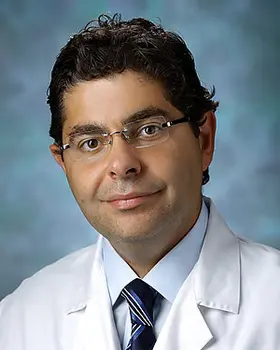
Dr. Debraj “Raj” Mukherjee’s clinical focus is the treatment of patients with primary and metastatic brain lesions. His clinical work and research emphasize the development of individual treatment plans that optimize survival and quality of life in all patients. After receiving his medical degree from Dartmouth Medical School, Dr. Mukherjee was recruited to Johns Hopkins, where he studied epidemiology, biostatistics and clinical design at the Johns Hopkins Bloomberg School of Public Health and served as Director of the Neuro-Oncology Surgical Outcomes Laboratory in the Department of Neurosurgery. Dr. Mukherjee completed neurosurgery residency at Cedars-Sinai Medical Center, where he was named a Robert Wood Johnson Foundation Health & Society Scholar. He completed an open and endoscopic skull base fellowship with the Center for Skull Base Surgery at University of Pittsburgh Medical Center, where he was a Copeland Scholar. Throughout his career, Dr. Mukherjee has led patient-centered research pursuits in neuro-oncology including development of a national registry for patients with brain tumors, creation of disease-specific quality of life instruments for patients with skull base tumors, and development of innovative clinical trials in neuro-oncology. He leads the Meningioma, Brain Metastasis, and Neurosurgical Oncology centers at Johns Hopkins Medicine, and he serves as Assistant Residency Program Director for one of the largest neurosurgical training programs in the country. His work has been supported by the American Medical Association, Glioblastoma Foundation, National Institute on Aging, and National Cancer Institute. Dr. Mukherjee can be contacted at drraj@jhmi.edu. Dr. Mukherjee is rated as an Advanced provider by MediFind in the treatment of Cerebrospinal Fluid Leak. He is also highly rated in 31 other conditions, according to our data. His clinical expertise encompasses Meningioma, Pituitary Tumor, Brain Tumor, Awake Craniotomy, and Craniectomy. Dr. Mukherjee is board certified in American Board Of Neurological Surgery.
Johns Hopkins Outpatient Center
Dr. Ali Bydon is a renowned neurosurgeon and director of the Division of Spine Surgery and the Neurosurgical Spine Center at the Johns Hopkins University School of Medicine. As the endowed Ziya Gokaslan Professor of Neurosurgery, he is dedicated to advancing the field through innovative clinical practices and extensive research. Additionally, Dr. Bydon serves as the vice chair for strategic planning within the Department of Neurosurgery. Dr. Bydon’s clinical practice is centered on degenerative disorders of the spine, spinal tumors, spinal trauma and complex spinal reconstruction. He is an esteemed member of the American Association of Neurological Surgeons and the Congress of Neurological Surgeons. Dr. Bydon earned his medical degree from the University of Michigan School of Medicine in 1999 and completed his residency in neurological surgery at Henry Ford Hospital in Detroit, where he graduated with distinction in 2006. He further honed his skillset by completing fellowships in minimally invasive spine surgery and the surgical treatment of peripheral nerves, followed by a one-year instructorship in spinal oncology and complex reconstructive spinal surgery at Johns Hopkins in 2007. His research focuses on spinal biomechanics and surgical outcomes. He has co-authored over 265 peer-reviewed manuscripts and numerous book chapters. Dr. Bydon has made significant contributions to the understanding of optimal surgical management for conditions such as spinal synovial cysts, cervical myelopathy, lumbar spondylolisthesis, ossified posterior longitudinal ligament, cervical degenerative disorders, cervical myelopathy, thoracic myelopathy and metastatic diseases to the spine, among others. Dr. Bydon has presented at more than 200 national and international scientific meetings, underscoring his commitment to advancing knowledge in the field. An educator who has trained over 75 practicing neurosurgeons, Dr. Bydon has received prestigious accolades, including the Richard Otenasak Faculty Teaching Award and the Chairman’s Neurosurgical Teacher of the Year Award. His leadership roles have included serving on the residency review committee and the patient access committee at Johns Hopkins, as well as a yearlong term as the neurosurgical representative on the Johns Hopkins Faculty Senate. He has also served as a medical director with Johns Hopkins Medicine International, overseeing clinical and educational activities at renowned institutions in Lebanon and Brazil. Dr. Bydon has performed more than 5,000 surgeries. His commitment to excellence in patient care, education and research makes him a leading authority in spine surgery, dedicated to providing transformative care to patients seeking relief and recovery. Dr. Bydon is rated as an Advanced provider by MediFind in the treatment of Cerebrospinal Fluid Leak. He is also highly rated in 17 other conditions, according to our data. His clinical expertise encompasses Spinal Stenosis, Spondylolisthesis, Invertebral Disc Disease, Laminectomy, and Spinal Fusion. Dr. Bydon is board certified in American Board Of Neurological Surgery.

Johns Hopkins Health Care & Surgery Center — Bethesda
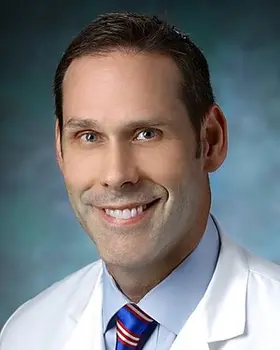
Nyall London has a unique clinical practice focused on the care of patients with sinonasal and skull base cancers. As one of the few surgeons trained in both head and neck cancer surgery, as well as rhinology and skull base surgery, he offers patients comprehensive sinonasal tumor surgical care, including open and endoscopic approaches as well as neck dissection surgery. Dr. London has developed notable patient education events about the multidisciplinary and long-term care of patients with sinonasal malignancies. Additionally, he is an innovator of clinical trials for these rare tumors, with open clinical trial options available and multiple others in development. Internationally recognized for his expertise in the care of patients with sinonasal and skull base cancers, Dr. London was an associate editor for the first international consensus statement on sinonasal tumors, and was appointed president of the International Network for Sinonasal Cancer Research (2024–26). He directs a research laboratory at the National Cancer Institute/National Institutes of Health focused on therapeutic advances and mechanisms of sinonasal tumorigenesis. Dr. London has published more than 130 peer-reviewed research articles, reviews and book chapters, including co-first author publications in Nature, Nature Medicine, Science Translational Medicine and Nature Cell Biology. He earned his medical and doctoral degrees from the University of Utah, and completed his residency in otolaryngology–head and neck surgery at Johns Hopkins. He also accomplished a fellowship in open and endoscopic head and neck and skull base surgery at The Ohio State University, under the direction of Dr. Ricardo Carrau. Dr. London is rated as an Advanced provider by MediFind in the treatment of Cerebrospinal Fluid Leak. He is also highly rated in 14 other conditions, according to our data. His clinical expertise encompasses Olfactory Neuroblastoma, Sinus Cancer, Teratocarcinosarcoma, Endoscopy, and Craniectomy. Dr. London is board certified in Head And Neck Surgery.
Johns Hopkins Health Care & Surgery Center - Green Spring Station, Lutherville
Dr. Timothy Witham is a professor of neurological surgery and orthopaedic surgery at the Johns Hopkins University School of Medicine. His interests include the surgical treatment of degenerative conditions of the cervical and lumbar spine, including instrumented fusion procedures. He also has an expertise in the treatment of spinal tumors, spinal trauma and spinal deformity. Dr. Witham serves as director of the Johns Hopkins Neurosurgery Spinal Fusion Laboratory, director of Johns Hopkins Bayview Medical Center's Spine Program and co-program director of the Johns Hopkins Neurosurgery Residency Program. Dr. Witham received his B.S. in biochemistry from the Pennsylvania State University. He earned his M.D. from the Johns Hopkins University School of Medicine. He completed his residency at the University of Pittsburgh Medical Center. He performed a fellowship in spinal neurosurgery at Johns Hopkins. Dr. Witham joined the Johns Hopkins faculty in 2005. Prior to joining Johns Hopkins, Dr. Witham was chief neurosurgeon at Keesler Medical Center at Keesler Air Force Base in Biloxi, Mississippi. Dr. Witham's research interests include finding novel ways to achieve spinal fusion and improving surgical techniques in the aging spine. A co-author of more than 170 peer-reviewed articles and abstracts, Dr. Witham has been featured as a “Top Doctor” in Baltimore magazine and was a recipient of a United States Air Force meritorious service medal in 2005. He is a member of various professional organizations, including the American College of Surgeons and American Association of Neurological Surgeons. Dr. Witham is rated as an Advanced provider by MediFind in the treatment of Cerebrospinal Fluid Leak. He is also highly rated in 21 other conditions, according to our data. His clinical expertise encompasses Spinal Stenosis, Cervical Spondylosis, Epidural Abscess, Spinal Fusion, and Laminectomy.

Johns Hopkins Health Care & Surgery Center - Green Spring Station, Lutherville
Nicholas Rowan is a sinus and skull base surgeon who helps patients with conditions such as deviated septum, nasal congestion, nasal obstruction, sinus pressure and chronic sinusitis, as well as complex issues like loss of smell, sinus cancers, cerebrospinal fluid (CSF) leaks and tumors that grow near the brain. He frequently performs nasal polyp surgery and endoscopic sinus procedures, using minimally invasive approaches to help patients recover quickly and breathe more easily. For tumors of the skull base or brain, he works closely with neurosurgeons and cancer specialists to deliver coordinated, comprehensive care. Dr. Rowan’s research is focused on improving patients’ quality of life and long-term outcomes after sinus and skull base surgery. A major part of his work involves studying the sense of smell — not just how to restore it, but how it reflects overall health. He explores how smell loss may be an early warning sign of unhealthy aging, frailty or cognitive decline. Through this work, he aims to better understand the biological link between the nose and brain, and what it can reveal about a person’s health trajectory. He works closely with biomedical engineers to develop novel diagnostic and therapeutic technologies, and he is the principal investigator of multiple ongoing clinical trials that are testing new treatments for chronic sinusitis and nasal polyps. A frequent speaker at national and international conferences, Dr. Rowan shares insights from his innovative research and surgical experience. He leads courses and delivers lectures on advanced sinus and skull base techniques, smell loss and the evolving science behind how nasal health connects to overall well-being. Dr. Rowan is rated as an Advanced provider by MediFind in the treatment of Cerebrospinal Fluid Leak. He is also highly rated in 14 other conditions, according to our data. His clinical expertise encompasses Sinusitis, Anosmia, Pituitary Tumor, Endoscopy, and Septoplasty. Dr. Rowan is board certified in Head And Neck Surgery.

Johns Hopkins Outpatient Center
Neurotologist John Carey specializes in the health and diseases of the inner ear that affect both balance and hearing mechanisms. He is a national expert in superior canal dehiscence syndrome, Menière’s disease, vestibular migraine, acoustic neuromas and other causes of vertigo, and serves as chief of the Division of Otology, Neurotology and Skull Base Surgery in the Department of Otolaryngology–Head and Neck Surgery at the Johns Hopkins University School of Medicine. Dr. Carey earned a medical degree from Washington University School of Medicine and completed two years of training in general surgery at Virginia Mason Medical Center. This was followed by residency training in otolaryngology–head and neck surgery at University of Washington Medical Center and fellowship training in neurotology at the Johns Hopkins University School of Medicine. His research interests include superior canal dehiscence syndrome, Menière’s disease, vestibular implants, and the mechanisms of vestibular migraine. He has a particular interest in superior canal dehiscence syndrome, and, with Lloyd Minor, department director from 2003 to 2009, he helped develop the operation used to repair the superior canal. Dr. Carey has been funded by the National Institute on Deafness and Other Communication Disorders, part of the National Institutes of Health. He has authored or co-authored over 150 peer-reviewed publications, 10 book chapters, and 11 reviews. Dr. Carey is rated as an Advanced provider by MediFind in the treatment of Cerebrospinal Fluid Leak. He is also highly rated in 17 other conditions, according to our data. His clinical expertise encompasses Meniere Disease, Vertigo, Acoustic Neuroma, Mastoidectomy, and Endoscopy. Dr. Carey is board certified in Head And Neck Surgery.

Johns Hopkins Health Care & Surgery Center - Green Spring Station, Lutherville
Chetan Bettegowda is the director of the Johns Hopkins Department of Neurosurgery. He offers comprehensive treatments for adult patients with benign and malignant brain tumors, specializing in the treatment of patients with primary brain tumors such as gliomas, meningiomas and pituitary tumors. He performs both open surgery and stereotactic radiosurgery for patients with metastatic tumors to the brain, and also provides stereotactic radiosurgery for other neurological disorders, including spinal tumors, trigeminal neuralgia and skull-base tumors. Dr. Bettegowda is rated as an Advanced provider by MediFind in the treatment of Cerebrospinal Fluid Leak. He is also highly rated in 38 other conditions, according to our data. His clinical expertise encompasses Trigeminal Neuralgia, Astrocytoma, Glioblastoma, Rhizotomy, and Microvascular Decompression. Dr. Bettegowda is board certified in American Board Of Neurological Surgery.

Johns Hopkins Health Care & Surgery Center - Green Spring Station, Lutherville
Dr. Andrew Lane is the Director of the Johns Hopkins Sinus Center and performs the full range of endoscopic sinus procedures, including transnasal skull base and orbital surgeries. He is dedicated to providing cutting-edge care to his patients and developing new therapies for chronic rhinosinusitis through his clinical and basic science research. He is the longest practicing sinus specialist with advanced fellowship training in the Baltimore/Washington region, with two decades of experience in the medical and surgical management of challenging sinus disease. Dr. Lane received a bachelor's degree from Harvard University and an M.D. from the University of Pennsylvania School of Medicine. He completed his internship in general surgery and residency in Otolaryngology-Head and Neck Surgery at the University of North Carolina at Chapel Hill. He came to Johns Hopkins in 2001, after completing a fellowship in advanced endoscopic sinus surgery techniques at the University of Pennsylvania. Dr. Lane maintains a busy clinical practice while also running an NIH-funded laboratory. His research investigates the causes and potential treatments for chronic rhinosinusitis with nasal polyps, as well as how inflammation affects the sense of smell. An author of over 140 published articles and book chapters, he frequently presents his surgical and research results at national and international meetings. He has earned several prestigious awards for his research about nasal polyps and olfactory loss. Dr. Lane is Editor-in-Chief of Current Otorhinolaryngology Reports, Associate Editor of the American Journal of Rhinology and Allergy, and an Editorial Board member of the International Forum of Allergy & Rhinology. He has served on the Board of Directors of the American Rhinologic Society and chaired the Rhinology and Paranasal Sinus Committee of the American Academy of Otolaryngology – Head and Neck Surgery. He is the Rhinology section leader for the Triological Society’s Best Practice committee. Dr. Lane is often invited to speak at outside medical institutions and regularly conducts media interviews about nasal and sinus issues. Dr. Lane is rated as an Advanced provider by MediFind in the treatment of Cerebrospinal Fluid Leak. He is also highly rated in 8 other conditions, according to our data. His clinical expertise encompasses Chronic Rhinosinusitis with Nasal Polyps (CRSwNP), Nasal Polyps, Sinusitis, Endoscopy, and Septoplasty. Dr. Lane is board certified in Head And Neck Surgery.

ENTAA Care - Glen Burnie
Dr. Marcus is a graduate of Emory University School of Medicine in Georgia. He completed his general surgery internship and Otolaryngology residency at Emory University School of Medicine. He completed a fellowship in otology and neurotology at the Silverstein Institute in Florida. Dr. Marcus is rated as an Experienced provider by MediFind in the treatment of Cerebrospinal Fluid Leak. He is also highly rated in 7 other conditions, according to our data. His clinical expertise encompasses Infant Hearing Loss, DFNB1, Cholesteatoma, and Benign Paroxysmal Positional Vertigo. Dr. Marcus is board certified in Head And Neck Surgery.

Johns Hopkins Outpatient Center
Henry Brem is a Neurosurgery provider practicing medicine in Baltimore, Maryland. Dr. Brem is rated as an Experienced provider by MediFind in the treatment of Cerebrospinal Fluid Leak. He is also highly rated in 16 other conditions, according to our data. His clinical expertise encompasses Gliosarcoma, Glioma, Gliomatosis Cerebri, Osteotomy, and Posterior Fossa Decompression. Dr. Brem is board certified in American Board Of Neurological Surgery.

Greater Baltimore Medical Center
Dr. Creighton is an ear and lateral skull base surgeon. Dr. Creighton graduated from the Georgia Institute of Technology with a Bachelor of Science in biomedical engineering and earned his M.D. from Emory University. He completed a general surgery internship at the Mass General Hospital and residency in otolaryngology-head and neck surgery at Harvard. Following this he completed a fellowship in neurotology and lateral skull base surgery at Johns Hopkins. His clinical practice specializes in surgical and medical management of middle ear, inner ear, skull base and facial nerve disorders. These include skull base tumors, vestibular schwannomas (acoustic neuromas), hearing loss, cholesteatoma, cochlear implantation, stapedectomy, CSF leaks and ear drum perforations. He is trained in minimally invasive and endoscopic approaches to the ear for cholesteatoma and ear drum perforations, which reduces the need for visible incisions, and performed the first in office tympanoplsty repairs at Johns Hopkins. Dr. Creighton is rated as an Experienced provider by MediFind in the treatment of Cerebrospinal Fluid Leak. He is also highly rated in 5 other conditions, according to our data. His clinical expertise encompasses Acoustic Neuroma, Schwannoma, Infant Hearing Loss, Mastoidectomy, and Septoplasty. Dr. Creighton is board certified in Head And Neck Surgery.

Johns Hopkins Health Care & Surgery Center - Green Spring Station, Lutherville
Leila J. Mady is a head and neck surgical oncologist and reconstructive surgeon whose practice focuses on the care of patients with benign and malignant head and neck tumors, including thyroid/parathyroid disease, HPV-associated cancers, skin cancer (including melanoma) and parotid masses. With extensive experience in head and neck surgery, including sentinel lymph node biopsy, transoral robotic surgery, and complex regional and free flap reconstruction, her surgical skill set is complemented by in-office diagnostic capabilities such as ultrasound and needle biopsy. Dr. Mady is the director of head and neck surgery for the Baltimore region, and she is actively expanding coordinated, multidisciplinary treatment pathways for patients with head and neck and thyroid cancers across Johns Hopkins. Dr. Mady is a funded population and health services researcher who has led multidisciplinary and international teams with research interests in the side effects related to the cost of medical care, frailty, smell and taste changes related to cancer treatment, and patient-reported and oncologic outcomes in head and neck cancer. As a mentor for a wide range of academic training levels, from undergraduate to postgraduate, Dr. Mady has made a commitment to mentor women and underrepresented groups. She has received national recognition for these efforts by the American Academy of Otolaryngology–Head and Neck Surgery. Dr. Mady completed her medical degree, a doctorate in biomedical health sciences, and a master’s degree in public health at Rutgers University, and served as an associate fellow at the Leonard Davis Institute of Health Economics at the University of Pennsylvania. Dr. Mady is rated as an Experienced provider by MediFind in the treatment of Cerebrospinal Fluid Leak. She is also highly rated in 3 other conditions, according to our data. Her clinical expertise encompasses Head and Neck Squamous Cell Carcinoma (HNSCC), Laryngeal Cancer, Throat Cancer, Glossectomy, and Gastrostomy. Dr. Mady is board certified in Head And Neck Surgery.

Johns Hopkins Outpatient Center
Dr. William Anderson provides comprehensive treatments - such as including deep brain stimulation (DBS) therapies -for movement disorders including, Parkinson's disease, essential tremor, and dystonia. Dr. William Anderson is also a member of the Epilepsy Surgery team, and performs both resectional procedures such as temporal lobectomy, diagnostic procedures such as implantation of monitoring grids and depth electrodes, and therapeutic neuromodulation using vagal nerve and cortical stimulation. Procedures for pain and spasticity performed include intrathecal baclofen therapy and spinal cord stimulation therapy. Dr. Anderson is rated as an Experienced provider by MediFind in the treatment of Cerebrospinal Fluid Leak. He is also highly rated in 6 other conditions, according to our data. His clinical expertise encompasses Parkinson's Disease, Essential Tremor, Spasticity, Deep Brain Stimulation, and Awake Craniotomy. Dr. Anderson is board certified in American Board Of Neurological Surgery.

The Johns Hopkins Hospital
Tej Azad is a Neurosurgery provider practicing medicine in Baltimore, Maryland. Dr. Azad is rated as an Experienced provider by MediFind in the treatment of Cerebrospinal Fluid Leak. He is also highly rated in 11 other conditions, according to our data. His clinical expertise encompasses Spinal Tumor, Traumatic Brain Injury, Subdural Hematoma, Spinal Fusion, and Laminectomy.

Johns Hopkins Outpatient Center
Jenny X. Chen is an expert in the treatment of ear conditions including hearing loss, vertigo, vestibular schwannomas (acoustic neuromas), cholesteatomas, cerebrospinal fluid leaks and eardrum perforations. She is trained in minimally invasive, endoscopic surgical approaches to treating the ear and performs surgeries including cochlear implants, bone-anchored hearing aids and stapedectomy. She treats patients of all ages. Dr. Chen earned her medical degree from Harvard Medical School. She completed residency training in otolaryngology–head and neck surgery at Massachusetts Eye and Ear/Harvard Medical School and advanced fellowship training in otology/neurotology at the Johns Hopkins University School of Medicine. Dr. Chen’s research interests are in surgical education, competency-based medical education, as well as health equity for patients with hearing loss. She is the co-director of undergraduate medical education for the Department of Otolaryngology–Head and Neck Surgery at Johns Hopkins. Videos Meet Our Expert: Jenny X. Chen, M.D., Ed.M.Otologist/Neurotologist. Dr. Chen is rated as an Experienced provider by MediFind in the treatment of Cerebrospinal Fluid Leak. She is also highly rated in 2 other conditions, according to our data. Her clinical expertise encompasses Hearing Loss, Tinnitus, Schwannoma, Mastoidectomy, and Osteotomy. Dr. Chen is board certified in Head And Neck Surgery.

Johns Hopkins Health Care & Surgery Center — Bethesda
Dr. Wade Chien is a fellowship-trained neuro-otologist who sees adults and children with complicated hearing and ear problems, including hearing loss; severe ear infections; vestibular schwannoma (Acoustic neuroma); and neoplasms of the ear and temporal bone. Please call 301-896-3346 for an appointment. Dr. Chien is rated as an Experienced provider by MediFind in the treatment of Cerebrospinal Fluid Leak. He is also highly rated in 11 other conditions, according to our data. His clinical expertise encompasses Hearing Loss, Infant Hearing Loss, Familial Deafness, and DFNB1. Dr. Chien is board certified in Head And Neck Surgery.
Last Updated: 04/28/2026