The 20 Best Chronic Subdural Hematoma Doctors Near Me in Maryland, US
Find the Top Chronic Subdural Hematoma Experts and Specialists
Washington Brain And Spine Institute
Jay Rhee is a Neurosurgery provider practicing medicine in Rockville, Maryland. Dr. Rhee is rated as a Distinguished provider by MediFind in the treatment of Chronic Subdural Hematoma. He is also highly rated in 16 other conditions, according to our data. His clinical expertise encompasses Stroke, Subdural Hematoma, Chronic Subdural Hematoma, Microdiscectomy, and Herniated Disc Surgery. Dr. Rhee is board certified in American Board Of Neurological Surgery. Dr. Rhee is currently accepting new patients.

Shock Trauma Center
Maureen Scarboro is a Neurosurgery provider practicing medicine in Baltimore, Maryland. Dr. Scarboro is rated as a Distinguished provider by MediFind in the treatment of Chronic Subdural Hematoma. She is also highly rated in 6 other conditions, according to our data. Her clinical expertise encompasses Subdural Hematoma, Chronic Subdural Hematoma, Delirium, Stroke, and Laminectomy. Dr. Scarboro is board certified in American Nurses Credentialing Center - Acute Care Nurse Practitioner, 2015. Dr. Scarboro is currently accepting new patients.

UPMC General Surgery
Michael Stasko is a General Surgeon practicing medicine in Cumberland, Maryland. Dr. Stasko is rated as a Distinguished provider by MediFind in the treatment of Chronic Subdural Hematoma. He is also highly rated in 14 other conditions, according to our data. His clinical expertise encompasses Chronic Subdural Hematoma, Paget Disease of the Breast, Anorectal Abscess, Lymphadenectomy, and Colostomy. Dr. Stasko is board certified in American Board Of Surgery. Dr. Stasko is currently accepting new patients.

Shock Trauma Center
Deborah Stein is a General Surgeon practicing medicine in Baltimore, Maryland. Dr. Stein is rated as a Distinguished provider by MediFind in the treatment of Chronic Subdural Hematoma. She is also highly rated in 13 other conditions, according to our data. Her clinical expertise encompasses Traumatic Brain Injury, Subdural Hematoma, Chronic Subdural Hematoma, Gastrostomy, and Fasciotomy. Dr. Stein is board certified in American Board Of Surgery - Surgery (General Surgery), 2003, American Board Of Surgery - Surgical Critical Care, 2004, and American Board Of Anesthesiology - NeuroCritical Care, 2021. Dr. Stein is currently accepting new patients.

Center For Brain And Spine
Aminullah Amini is a Neurosurgery provider practicing medicine in Silver Spring, Maryland. Dr. Amini is rated as a Distinguished provider by MediFind in the treatment of Chronic Subdural Hematoma. He is also highly rated in 47 other conditions, according to our data. His clinical expertise encompasses Subdural Hematoma, Cervical Myelopathy, Congenital Cardiovascular Shunt, Vertebroplasty, and Bone Graft. Dr. Amini is board certified in American Board Of Neurological Surgery - Neurological Surgery, 2012. Dr. Amini is currently accepting new patients.

UPMC General Surgery
Roy Chisholm is a General Surgeon practicing medicine in Cumberland, Maryland. Dr. Chisholm is rated as a Distinguished provider by MediFind in the treatment of Chronic Subdural Hematoma. He is also highly rated in 19 other conditions, according to our data. His clinical expertise encompasses Hernia, Cholecystitis, Gallbladder Disease, Bladder Reconstruction, and Colostomy. Dr. Chisholm is board certified in American Board Of Surgery. Dr. Chisholm is currently accepting new patients.
UMM Neurosurgery UM Medical Center
Bizhan Aarabi is a Neurosurgery provider practicing medicine in Baltimore, Maryland. Dr. Aarabi is rated as a Distinguished provider by MediFind in the treatment of Chronic Subdural Hematoma. He is also highly rated in 11 other conditions, according to our data. His clinical expertise encompasses Chronic Subdural Hematoma, Subdural Hematoma, Cervical Myelopathy, Gastrostomy, and Laminectomy. Dr. Aarabi is board certified in American Board Of Neurological Surgery - Neurological Surgery, 1981. Dr. Aarabi is currently accepting new patients.
Johns Hopkins Children's Center
Judy Huang is a Neurosurgery provider practicing medicine in Baltimore, Maryland. Dr. Huang is rated as a Distinguished provider by MediFind in the treatment of Chronic Subdural Hematoma. She is also highly rated in 31 other conditions, according to our data. Her clinical expertise encompasses Trigeminal Neuralgia, Arteriovenous Malformation, Brain Aneurysm, Microvascular Decompression, and Rhizotomy. Dr. Huang is currently accepting new patients.
University Of Maryland Medical Center
Laura Buchanan is a General Surgeon practicing medicine in Baltimore, Maryland. Dr. Buchanan is rated as a Distinguished provider by MediFind in the treatment of Chronic Subdural Hematoma. She is also highly rated in 5 other conditions, according to our data. Her clinical expertise encompasses Chronic Subdural Hematoma, Subdural Hematoma, Delirium, Gastrostomy, and Colostomy. Dr. Buchanan is board certified in American Board Of Surgery - Surgery (General Surgery), 2015 and American Board Of Surgery - Surgical Critical Care, 2017. Dr. Buchanan is currently accepting new patients.
Atlantic General Surgery Associates LLC
Adam Schechner is a General Surgeon practicing medicine in Bethesda, Maryland. Dr. Schechner is rated as a Distinguished provider by MediFind in the treatment of Chronic Subdural Hematoma. He is also highly rated in 3 other conditions, according to our data. His clinical expertise encompasses Delirium, Chronic Subdural Hematoma, Concussion, Subdural Hematoma, and Hip Replacement.
Office
Kheder Ashker is a Neurosurgery provider practicing medicine in Cumberland, Maryland. Dr. Ashker is rated as a Distinguished provider by MediFind in the treatment of Chronic Subdural Hematoma. He is also highly rated in 10 other conditions, according to our data. His clinical expertise encompasses Chronic Subdural Hematoma, Spondylolisthesis, Subdural Hematoma, Vertebroplasty, and Bone Graft. Dr. Ashker is currently accepting new patients.
Maryland Medical Group Inc.
Truong Bao is a primary care provider, practicing in Internal Medicine in Rockville, Maryland. Dr. Bao is rated as an Advanced provider by MediFind in the treatment of Chronic Subdural Hematoma. He is also highly rated in 41 other conditions, according to our data. His clinical expertise encompasses Osteoarthritis, Familial Colorectal Cancer, Colorectal Cancer, Gastrostomy, and Endoscopy. Dr. Bao is board certified in American Board Of Internal Medicine. Dr. Bao is currently accepting new patients.

Johns Hopkins Outpatient Center
Justin Caplan is a Neurosurgery provider practicing medicine in Baltimore, Maryland. Dr. Caplan is rated as an Advanced provider by MediFind in the treatment of Chronic Subdural Hematoma. He is also highly rated in 11 other conditions, according to our data. His clinical expertise encompasses Brain Aneurysm, Arteriovenous Malformation, Cerebral Arteriovenous Malformation, Thrombectomy, and Carotid Artery Surgery. Dr. Caplan is board certified in American Board Of Neurological Surgery. Dr. Caplan is currently accepting new patients.

Johns Hopkins Bayview Medical Center
Raj Mukherjee is a Neurosurgery provider practicing medicine in Baltimore, Maryland. Dr. Mukherjee is rated as an Advanced provider by MediFind in the treatment of Chronic Subdural Hematoma. He is also highly rated in 31 other conditions, according to our data. His clinical expertise encompasses Meningioma, Pituitary Tumor, Brain Tumor, Awake Craniotomy, and Craniectomy. Dr. Mukherjee is board certified in American Board Of Neurological Surgery. Dr. Mukherjee is currently accepting new patients.

Johns Hopkins Bayview Medical Center
Mark Luciano is a Neurosurgery provider practicing medicine in Baltimore, Maryland. Dr. Luciano is rated as an Advanced provider by MediFind in the treatment of Chronic Subdural Hematoma. He is also highly rated in 25 other conditions, according to our data. His clinical expertise encompasses Hydrocephalus, Normal Pressure Hydrocephalus, Increased Intracranial Pressure, Posterior Fossa Decompression, and Stent Placement. Dr. Luciano is board certified in American Board Of Neurological Surgery. Dr. Luciano is currently accepting new patients.

UMSJMC Radiation Oncology
Neal Naff is a Neurosurgery provider practicing medicine in Towson, Maryland. Dr. Naff is rated as an Advanced provider by MediFind in the treatment of Chronic Subdural Hematoma. He is also highly rated in 24 other conditions, according to our data. His clinical expertise encompasses Hydrocephalus, Congenital Cardiovascular Shunt, Normal Pressure Hydrocephalus, Gamma Knife Radiosurgery, and Awake Craniotomy. Dr. Naff is board certified in American Board Of Neurological Surgery - Neurological Surgery, 2000. Dr. Naff is currently accepting new patients.
UM Capital Region Medical Center
Christopher Michetti is a General Surgeon practicing medicine in Upper Marlboro, Maryland. Dr. Michetti is rated as an Advanced provider by MediFind in the treatment of Chronic Subdural Hematoma. He is also highly rated in 5 other conditions, according to our data. His clinical expertise encompasses Subdural Hematoma, Chronic Subdural Hematoma, Delirium, Gallbladder Removal, and Gastrostomy. Dr. Michetti is board certified in American Board Of Surgery - Surgical Critical Care, 2000 and American Board Of Surgery - Surgery (General Surgery), 2000. Dr. Michetti is currently accepting new patients.
UPMC Neurological Institute
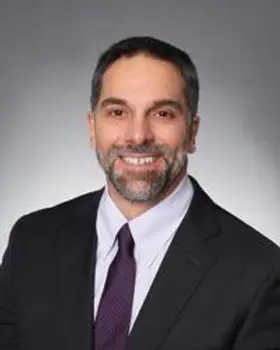
Richard Strauss is a Neurosurgery provider practicing medicine in Cumberland, Maryland. Dr. Strauss is rated as an Advanced provider by MediFind in the treatment of Chronic Subdural Hematoma. He is also highly rated in 8 other conditions, according to our data. His clinical expertise encompasses Delirium, Primitive Neuroectodermal Tumor (PNET), Posterior Fossa Tumor, Bone Graft, and Vertebroplasty. Dr. Strauss is board certified in American Board Of Neurological Surgery. Dr. Strauss is currently accepting new patients.

UMM Neurosurgery UM Medical Center
Cara Lomangino is a General Surgeon practicing medicine in Baltimore, Maryland. Dr. Lomangino is rated as an Advanced provider by MediFind in the treatment of Chronic Subdural Hematoma. She is also highly rated in 3 other conditions, according to our data. Her clinical expertise encompasses Subdural Hematoma, Chronic Subdural Hematoma, Delirium, Subarachnoid Hemorrhage, and Laminectomy. Dr. Lomangino is board certified in American Nurses Credentialing Center - Acute Care Nurse Practitioner, 2008. Dr. Lomangino is currently accepting new patients.

University Of Maryland Baltimore
James Frazier-Iii is a Neurosurgery provider practicing medicine in Baltimore, Maryland. Dr. Frazier-Iii is rated as an Advanced provider by MediFind in the treatment of Chronic Subdural Hematoma. He is also highly rated in 6 other conditions, according to our data. His clinical expertise encompasses Subdural Hematoma, Chronic Subdural Hematoma, Cervical Myelopathy, Vertebroplasty, and Bone Graft. Dr. Frazier-Iii is board certified in American Board Of Neurological Surgery - Neurological Surgery, 2016. Dr. Frazier-Iii is currently accepting new patients.
Last Updated: 09/19/2026