Stroke Treatments
Find Stroke Treatments
Alteplase
What is Activase (Alteplase)?
Approved To Treat
Top Global Experts


Related Clinical Trials
Summary: A parapneumonic pleural infection is a frequently encountered and serious medical emergency with high morbidity and mortality in specific patient groups (especially in the elderly and immunocompromised). The burden of disease is high; extensive hospital stays, reduced Health-Related Quality of Life (HR-QoL) and long times to return to daily activities or to work are reported by patients and in stu...
Summary: Acute ischemic stroke caused by large vessel occlusion (LVO) is a major cause of disability, and mechanical thrombectomy (MT) has become the standard treatment for eligible patients. However, the optimal role of intravenous thrombolysis before MT remains uncertain. The TRACE-BRIDGE trial is a phase 3, investigator-initiated, multicenter, randomized, open-label trial with blinded outcome assessment...
Summary: Retinal vein occlusions (RVOs) are the second leading cause of permanent vision loss in the UK. Current treatments, like anti-VEGF injections or steroids, address complications such as macular fluid but do not target the underlying issue-a clot in the retinal vein. Direct injection of clot-dissolving agents, such as tissue plasminogen activator (tPA), is challenging due to the small size of retina...
Related Latest Advances
Brand Information
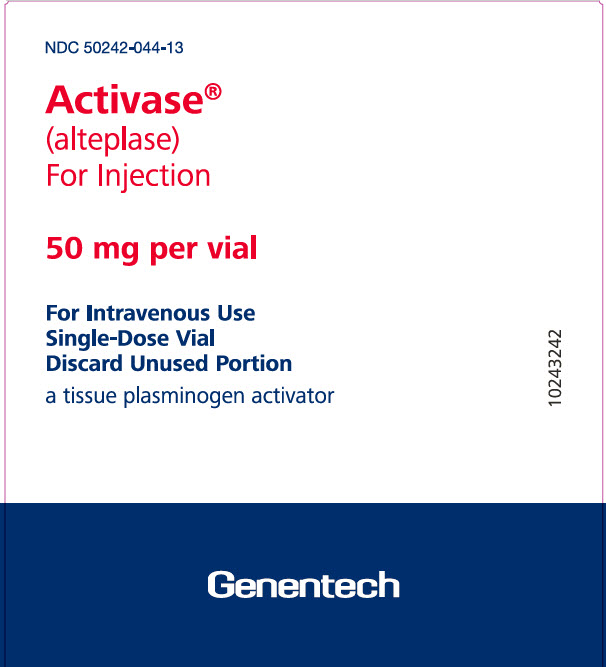
- 50 mg lyophilized powder in single-dose vial with 50 mL SWFI USP for reconstitution
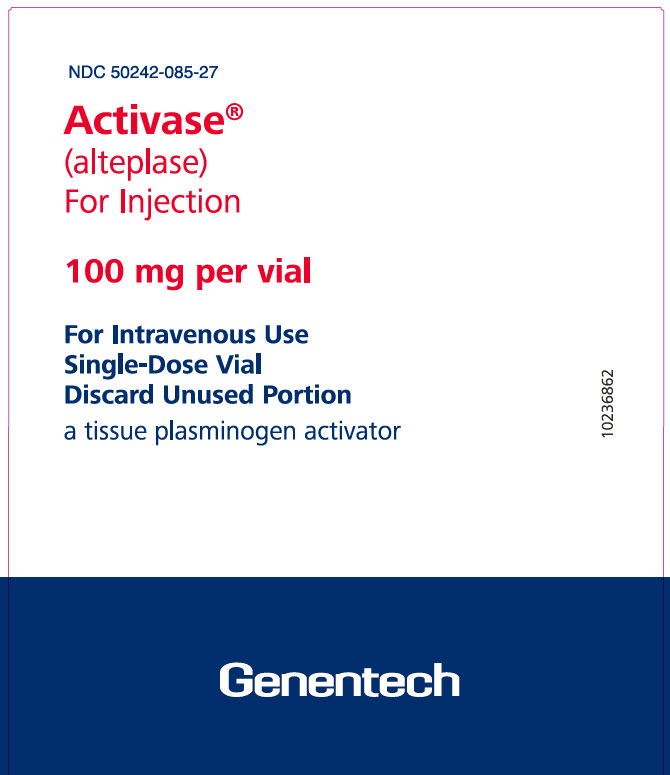
- 100 mg lyophilized powder in single-dose vial with 100 mL SWFI USP for reconstitution
- Bleeding
- Hypersensitivity
- Thromboembolism
- Cholesterol Embolization
(alteplase) for injection
for intravenous use

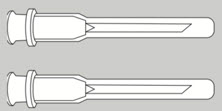
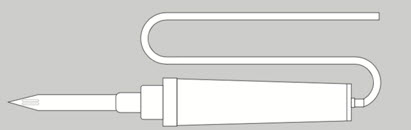
- Activase is for intravenous administration only.
- Do not add any other medication to infusion solutions containing Activase.
- Extravasation of Activase infusion can cause ecchymosis or inflammation. If extravasation occurs, terminate the infusion at that IV site and apply local therapy.
- See full prescribing information for alternative dilution instructions.
- Store lyophilized Activase at controlled room temperature not to exceed 30°C (86°F), or under refrigeration at 2° to 8° C (36° to 46° F). Protect the lyophilized material during extended storage from excessive exposure to light.
- Activase contains no antibacterial preservatives and must be used within 8 hours following reconstitution (when stored at 2-30°C).