The 20 Best Drug Induced Dyskinesia Doctors Near Me in Maryland, US
Find the Top Drug Induced Dyskinesia Experts and Specialists
Nih Clinical Center
Dietrich Haubenberger is a Neurologist practicing medicine in Bethesda, Maryland. Dr. Haubenberger is rated as an Elite provider by MediFind in the treatment of Drug Induced Dyskinesia. He is also highly rated in 9 other conditions, according to our data. His clinical expertise encompasses Essential Tremor, Chorea, Drug Induced Dyskinesia, Deep Brain Stimulation, and Thalamotomy.
Neurology Care Center
Stephen Reich is a Neurologist practicing medicine in Baltimore, Maryland. Dr. Reich is rated as an Elite provider by MediFind in the treatment of Drug Induced Dyskinesia. He is also highly rated in 30 other conditions, according to our data. His clinical expertise encompasses Movement Disorders, Parkinson's Disease, Supranuclear Ophthalmoplegia, Deep Brain Stimulation, and Gastrostomy. Dr. Reich is board certified in American Board Of Psychiatry And Neurology - Neurology, 1989. Dr. Reich is currently accepting new patients.

Johns Hopkins Outpatient Center
Liana Rosenthal is a Neurologist practicing medicine in Baltimore, Maryland. Dr. Rosenthal is rated as a Distinguished provider by MediFind in the treatment of Drug Induced Dyskinesia. She is also highly rated in 27 other conditions, according to our data. Her clinical expertise encompasses Movement Disorders, Parkinson's Disease, Olivopontocerebellar Atrophy, and Drug Induced Dyskinesia. Dr. Rosenthal is board certified in American Board Of Psychiatry And Neurology. Dr. Rosenthal is currently accepting new patients.

Johns Hopkins Outpatient Center
Emile Moukheiber is a Neurologist practicing medicine in Baltimore, Maryland. Dr. Moukheiber is rated as a Distinguished provider by MediFind in the treatment of Drug Induced Dyskinesia. He is also highly rated in 22 other conditions, according to our data. His clinical expertise encompasses Stiff Person Syndrome, Movement Disorders, Parkinson's Disease, and Drug Induced Dyskinesia. Dr. Moukheiber is board certified in American Board Of Psychiatry And Neurology. Dr. Moukheiber is currently accepting new patients.
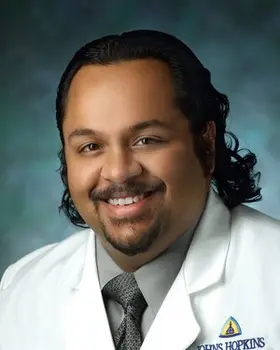
Johns Hopkins Health Care & Surgery Center - Green Spring Station, Lutherville
Ankur Butala is a Neurologist practicing medicine in Lutherville, Maryland. Dr. Butala is rated as a Distinguished provider by MediFind in the treatment of Drug Induced Dyskinesia. He is also highly rated in 42 other conditions, according to our data. His clinical expertise encompasses Parkinson's Disease, Corticobasal Degeneration, Movement Disorders, Drug Induced Dyskinesia, and Deep Brain Stimulation. Dr. Butala is board certified in American Board Of Psychiatry And Neurology. Dr. Butala is currently accepting new patients.

Johns Hopkins Community Physicians - Downtown Bethesda
Kelly Mills is a Neurologist practicing medicine in Bethesda, Maryland. Dr. Mills is rated as a Distinguished provider by MediFind in the treatment of Drug Induced Dyskinesia. He is also highly rated in 19 other conditions, according to our data. His clinical expertise encompasses Movement Disorders, Parkinson's Disease, Essential Tremor, and Drug Induced Dyskinesia. Dr. Mills is currently accepting new patients.
Neurology Care Center
Lisa Shulman is a Neurologist practicing medicine in Baltimore, Maryland. Dr. Shulman is rated as a Distinguished provider by MediFind in the treatment of Drug Induced Dyskinesia. She is also highly rated in 9 other conditions, according to our data. Her clinical expertise encompasses Parkinson's Disease, Movement Disorders, Drug Induced Dyskinesia, and Benign Essential Blepharospasm. Dr. Shulman is board certified in American Board Of Psychiatry And Neurology - Neurology, 1994. Dr. Shulman is currently accepting new patients.
Neurology Care Center
Paul Fishman is a Neurologist practicing medicine in Baltimore, Maryland. Dr. Fishman is rated as a Distinguished provider by MediFind in the treatment of Drug Induced Dyskinesia. He is also highly rated in 15 other conditions, according to our data. His clinical expertise encompasses Essential Tremor, Movement Disorders, Parkinson's Disease, Drug Induced Dyskinesia, and Thalamotomy. Dr. Fishman is board certified in American Board Of Psychiatry And Neurology - Neurology, 1983. Dr. Fishman is currently accepting new patients.
Washington Brain And Spine Institute
Zachary Levine is a Neurosurgery provider practicing medicine in Rockville, Maryland. Dr. Levine is rated as an Advanced provider by MediFind in the treatment of Drug Induced Dyskinesia. He is also highly rated in 9 other conditions, according to our data. His clinical expertise encompasses Movement Disorders, Parkinson's Disease, Radiation Induced Meningioma, Deep Brain Stimulation, and Awake Craniotomy. Dr. Levine is currently accepting new patients.

Maryland Neurological Center
Luke Kao is a Neurologist practicing medicine in Columbia, Maryland. Dr. Kao is rated as an Advanced provider by MediFind in the treatment of Drug Induced Dyskinesia. He is also highly rated in 10 other conditions, according to our data. His clinical expertise encompasses Distal Median Nerve Dysfunction, Common Peroneal Nerve Dysfunction, Morton Neuroma, and Neuralgia. Dr. Kao is board certified in American Board Of Psychiatry And Neurology.

Johns Hopkins Health Care & Surgery Center - Green Spring Station, Lutherville
Alex Pantelyat is a Neurologist practicing medicine in Lutherville, Maryland. Dr. Pantelyat is rated as an Advanced provider by MediFind in the treatment of Drug Induced Dyskinesia. He is also highly rated in 28 other conditions, according to our data. His clinical expertise encompasses Progressive Supranuclear Palsy Atypical, Progressive Supranuclear Palsy, Corticobasal Degeneration, and Supranuclear Ophthalmoplegia. Dr. Pantelyat is currently accepting new patients.

Neurology Consultants - Elkridge
Stephen Grill is a Neurologist practicing medicine in Elkridge, Maryland. Dr. Grill is rated as an Advanced provider by MediFind in the treatment of Drug Induced Dyskinesia. He is also highly rated in 3 other conditions, according to our data. His clinical expertise encompasses Parkinson's Disease, Movement Disorders, Drug Induced Dyskinesia, and Restless Legs Syndrome. Dr. Grill is board certified in American Board Of Psychiatry And Neurology. Dr. Grill is currently accepting new patients.

University Of Maryland Glen Burnie
Sangjin Oh is a Neurologist practicing medicine in Glen Burnie, Maryland. Dr. Oh is rated as an Advanced provider by MediFind in the treatment of Drug Induced Dyskinesia. He is also highly rated in 31 other conditions, according to our data. His clinical expertise encompasses Migraine, Memory Loss, Epilepsy, and Relapsing Multiple Sclerosis (RMS). Dr. Oh is board certified in American Board Of Psychiatry And Neurology - Neurology, 2007. Dr. Oh is currently accepting new patients.

Johns Hopkins Health Care & Surgery Center - Green Spring Station, Lutherville
Scott Newsome is a Neurologist practicing medicine in Lutherville, Maryland. Dr. Newsome is rated as an Advanced provider by MediFind in the treatment of Drug Induced Dyskinesia. He is also highly rated in 15 other conditions, according to our data. His clinical expertise encompasses Stiff Person Syndrome, Multiple Sclerosis (MS), Transverse Myelitis, and Relapsing Multiple Sclerosis (RMS). Dr. Newsome is board certified in American Board Of Psychiatry And Neurology. Dr. Newsome is currently accepting new patients.

Johns Hopkins Outpatient Center
Daniel Gold is a Neurologist practicing medicine in Baltimore, Maryland. Dr. Gold is rated as an Advanced provider by MediFind in the treatment of Drug Induced Dyskinesia. He is also highly rated in 12 other conditions, according to our data. His clinical expertise encompasses Vertigo, Benign Paroxysmal Positional Vertigo, Brown Syndrome, and Stiff Person Syndrome. Dr. Gold is board certified in American Board Of Psychiatry And Neurology. Dr. Gold is currently accepting new patients.
Washington Brain And Spine Institute
Aviva Ellenstein is a Neurologist practicing medicine in Rockville, Maryland. Dr. Ellenstein is rated as an Experienced provider by MediFind in the treatment of Drug Induced Dyskinesia. She is also highly rated in 2 other conditions, according to our data. Her clinical expertise encompasses Movement Disorders, Parkinson's Disease, Secondary Parkinsonism, and Focal Dystonia. Dr. Ellenstein is currently accepting new patients.
Office
Barbara Karp is a Neurologist practicing medicine in Bethesda, Maryland. Dr. Karp is rated as an Advanced provider by MediFind in the treatment of Drug Induced Dyskinesia. She is also highly rated in 6 other conditions, according to our data. Her clinical expertise encompasses Focal Dystonia, Drug Induced Dyskinesia, Benign Essential Blepharospasm, and Movement Disorders.
Neurology Care Center
Joseph Savitt is a Neurologist practicing medicine in Baltimore, Maryland. Dr. Savitt is rated as an Advanced provider by MediFind in the treatment of Drug Induced Dyskinesia. He is also highly rated in 42 other conditions, according to our data. His clinical expertise encompasses Parkinson's Disease, Movement Disorders, Supranuclear Ophthalmoplegia, Progressive Supranuclear Palsy Atypical, and Gastrostomy. Dr. Savitt is board certified in American Board Of Psychiatry And Neurology - Neurology, 2002. Dr. Savitt is currently accepting new patients.
Lea Medical Partners LLC
Dallas Lea is a Physiatrist practicing medicine in Silver Spring, Maryland. Dr. Lea is rated as an Advanced provider by MediFind in the treatment of Drug Induced Dyskinesia. He is also highly rated in 5 other conditions, according to our data. His clinical expertise encompasses Hemiplegia, Meige Syndrome, Drug Induced Dyskinesia, and Muscle Atrophy. Dr. Lea is currently accepting new patients.
Johns Hopkins University
Peter Calabresi is a Neurologist practicing medicine in Baltimore, Maryland. Dr. Calabresi is rated as an Advanced provider by MediFind in the treatment of Drug Induced Dyskinesia. He is also highly rated in 16 other conditions, according to our data. His clinical expertise encompasses Multiple Sclerosis (MS), Optic Neuritis, Relapsing Multiple Sclerosis (RMS), and CACH Syndrome. Dr. Calabresi is currently accepting new patients.
Last Updated: 09/19/2026