Familial Dilated CardiomyopathySymptoms, Doctors, Treatments, Advances & More
Learn About Familial Dilated Cardiomyopathy
View Main Condition: Cardiomyopathy
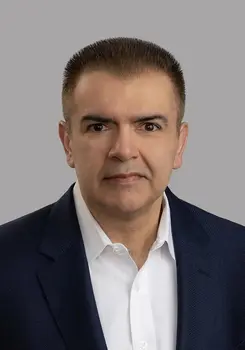
Texas Health Heart And Vascular Specialists
Atif Hussain is a Cardiologist and an Interventional Cardiologist practicing medicine in Denton, Texas. Dr. Hussain is rated as a Distinguished provider by MediFind in the treatment of Familial Dilated Cardiomyopathy. He is also highly rated in 32 other conditions, according to our data. His clinical expertise encompasses Arterial Embolism, Carotid Artery Disease, Familial Hypertension, and Glucocorticoid-Remediable Aldosteronism.

Texas Health Heart And Vascular Specialists
Matthew Dickson, M.D., Ph.D., F.A.C.C., is fellowship-trained and board-certified in internal medicine, cardiac CT, echocardiography, nuclear cardiology, and cardiology. He graduated Summa Cum Laude from Saint Olaf College in Northfield, Minn., with a bachelor's degree in biology before going on to receive his M.D. and Ph.D. from the University of Iowa Carver College of Medicine in Iowa City. He completed his internal medicine internship and residency at Duke University in Durham, N.C., and fellowships in cardiology and advanced multimodality cardiovascular imaging at The University of Texas Southwestern Medical Center in Dallas.Dr. Dickson's areas of special interest include cardiovascular risks in women after menopause, echocardiography, cardiovascular imaging, ambulatory monitoring and exercise testing. He is a member of the American College of Cardiology, American Society of Nuclear Cardiology, American Society for Preventive Cardiology and North American Society for Cardiovascular Imaging. When not caring for the heart-health needs of his patients, Dr. Dickson enjoys jogging, skiing, scuba diving and playing the trumpet. . Dr. Dickson is rated as a Distinguished provider by MediFind in the treatment of Familial Dilated Cardiomyopathy. He is also highly rated in 45 other conditions, according to our data. His clinical expertise encompasses Aortic Regurgitation, Pediatric Myocarditis, Necrosis, and Fainting.
University Of Colorado Hospital
Luisa Mestroni is a Cardiologist practicing medicine in Aurora,, Colorado. Dr. Mestroni is rated as an Elite provider by MediFind in the treatment of Familial Dilated Cardiomyopathy. She is also highly rated in 19 other conditions, according to our data. Her clinical expertise encompasses Dilated Cardiomyopathy (DCM), Familial Dilated Cardiomyopathy, Cardiomyopathy, Heart Transplant, and Transcatheter Aortic Valve Replacement (TAVR).
Summary: The Sponsor is studying an investigational medication called danicamtiv to determine if it can help people with genetic and familial dilated cardiomyopathy (DCM). Investigational means that the safety and effectiveness of danicamtiv have not been established. Currently, there are no approved drugs that are designed specifically to treat genetic or familial DCM. The purpose of this study is to eval...
Summary: The goal of this observational study is to develop a registry of Brazilian patients with hereditary cardiovascular diseases, combining clinical and genomic data. The main questions it aims to answer are: Which genes are most commonly affected? What is the frequency of these genetic alterations in our population? Participants will be interviewed in routine medical care visits and their DNA will be ...
Published Date: May 10, 2022
Published By: Genetic and Rare Diseases Informnation Center