Familial Hypertrophic CardiomyopathySymptoms, Doctors, Treatments, Advances & More
Learn About Familial Hypertrophic Cardiomyopathy
View Main Condition: Cardiomyopathy
Hypertrophic cardiomyopathy is a heart condition that is characterized by the thickening (hypertrophy) of the heart (cardiac) muscle. This condition is called nonsyndromic hypertrophic cardiomyopathy when it is not associated with signs and symptoms affecting other parts of the body and when it cannot be explained by other causes, such as chronic high blood pressure.
Genetic changes that cause disease are called pathogenic variants. Pathogenic variants in one of several genes can cause nonsyndromic hypertrophic cardiomyopathy, but variants in the MYH7 and MYBPC3 genes are the most common genetic cause of this condition.
Hypertrophic cardiomyopathy affects approximately 1 in 500 people worldwide. Nonsyndromic hypertrophic cardiomyopathy likely accounts for more than half of all cases.
Nonsyndromic hypertrophic cardiomyopathy has different inheritance patterns depending on the specific gene involved. When nonsyndromic hypertrophic cardiomyopathy occurs in multiple family members, it may be called familial hypertrophic cardiomyopathy.

Penn Heart And Vascular Center
Sharlene Day is a Cardiologist practicing medicine in Philadelphia, Pennsylvania. Dr. Day is rated as an Elite provider by MediFind in the treatment of Familial Hypertrophic Cardiomyopathy. She is also highly rated in 20 other conditions, according to our data. Her clinical expertise encompasses Hypertrophic Cardiomyopathy (HCM), Cardiomyopathy, Familial Hypertrophic Cardiomyopathy, Orchiectomy, and Heart Transplant. Dr. Day is board certified in Cardiovascular Disease, 2012. Dr. Day is currently accepting new patients.
Brigham And Women's Hospital, Heart And Vascular Center
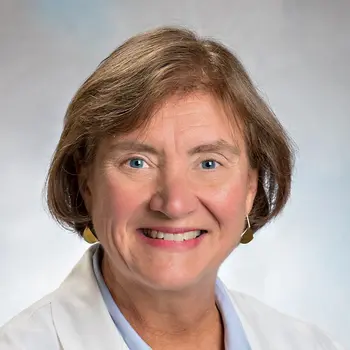
Dr. Christine E. Seidman is the director of the Cardiovascular Genetics Program and a cardiovascular medicine specialist at Brigham and Women’s Hospital (BWH). In addition, she is the Thomas W. Smith Professor of Medicine at Harvard Medical School.She received her medical degree from The George Washington School of Medicine and Health Sciences. She completed an internal medicine residency at The Johns Hopkins Hospital and a cardiology fellowship at Massachusetts General Hospital. Dr. Seidman is board certified in internal medicine and cardiovascular disease. Her clinical interests include cardiovascular medicine and genetics.Dr. Seidman also leads the Seidman Laboratory to elucidate genetic causes for heart disease and other disorders. Notable achievements include the discovery of the first genetic cause of congenital heart malformations. Dr. Seidman promotes collaboration between the Laboratory and the BWH Cardiovascular Genetics Center to translate research discoveries into better diagnostics and improved management strategies. She has authored over 300 peer-reviewed articles and received research funding from the Howard Hughes Medical Institute and National Institutes of Health. Dr. Seidman is rated as an Elite provider by MediFind in the treatment of Familial Hypertrophic Cardiomyopathy. She is also highly rated in 10 other conditions, according to our data. Her clinical expertise encompasses Cardiomyopathy, Familial Hypertrophic Cardiomyopathy, Hypertrophic Cardiomyopathy (HCM), Dilated Cardiomyopathy (DCM), and Heart Transplant. Dr. Seidman is board certified in Internal Medicine and Cardiovascular Disease.
Brigham And Women's Hospital, Heart And Vascular Center
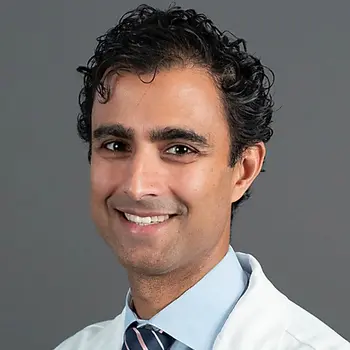
Dr. Neal K. Lakdawala is a cardiovascular medicine specialist at Brigham and Women’s Hospital (BWH). He is also an instructor in medicine at Harvard Medical School (HMS).Dr. Lakdawala received his medical degree from The University of Texas HSCSA. He completed a residency and chief residency in internal medicine at Columbia-Presbyterian Medical Center, a clinical and research fellowship in cardiovascular disease at BWH and a master’s degree in epidemiology at the Harvard School of Public Health. Dr. Lakdawala is board certified in internal medicine, cardiovascular disease and advanced heart failure and transplant cardiology.His clinical expertise includes cardiomyopathy, cardiac sarcoidosis, congestive heart failure, cardiovascular genetics and heart transplantation. Dr. Lakdawala’s research and peer-reviewed publications investigate early phenotypes in genetic cardiomyopathy to identify physiology-based therapeutics for heart failure. He has received research funding from the National Institutes of Health’s Heart Failure Network. Dr. Lakdawala is rated as an Elite provider by MediFind in the treatment of Familial Hypertrophic Cardiomyopathy. He is also highly rated in 17 other conditions, according to our data. His clinical expertise encompasses Cardiomyopathy, Hypertrophic Cardiomyopathy (HCM), Familial Hypertrophic Cardiomyopathy, Heart Transplant, and Cardiac Ablation. Dr. Lakdawala is board certified in Cardiovascular Disease and Advanced Heart Failure And Transplant Cardiology.
Summary: The goal of this observational study is to develop a registry of Brazilian patients with hereditary cardiovascular diseases, combining clinical and genomic data. The main questions it aims to answer are: Which genes are most commonly affected? What is the frequency of these genetic alterations in our population? Participants will be interviewed in routine medical care visits and their DNA will be ...
Published Date: June 16, 2026
Published By: National Institutes of Health