Filters

Specialty
Additional Specialty
Distance
    Gender
    Insurance
    Availability
    Language
    Years of Experience
    Level of Expertise

    Last Updated: 01/09/2026

    Save doctors for later
    Sign Up
    Not sure about your diagnosis?
    Check Your Symptoms
    Already have a doctor?
    Find A Second Opinion

    MediFind found 9 doctor with experience in Kabuki Syndrome near Baltimore, MD. Of these, 5 are Experienced, 2 are Advanced, 1 are Distinguished and 1 are Elite.

    Location
    LocationClose
    9 providers found
      Elite in Kabuki Syndrome
      Medical Genetics | Pediatrics
      Elite in Kabuki Syndrome
      Medical Genetics | Pediatrics
      600 N Wolfe St, Cmsc 2-124, 
      Baltimore, MD 
       (1.1 miles away)
      Languages Spoken:
      English, Danish, German, Icelandic
      Accepting New Patients

      Hans Bjornsson is a Medical Genetics specialist and a Pediatrics provider in Baltimore, Maryland. Dr. Bjornsson is rated as an Elite provider by MediFind in the treatment of Kabuki Syndrome. His top areas of expertise are Kabuki Syndrome, Weaver Syndrome, 3MC Syndrome, Coffin-Lowry Syndrome, and Orchiectomy. Dr. Bjornsson is currently accepting new patients.
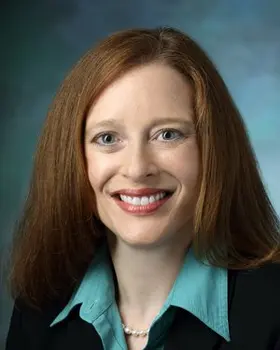
      Jill Fahrner
      Distinguished in Kabuki Syndrome
      Pediatrics | Medical Genetics
      Distinguished in Kabuki Syndrome
      Pediatrics | Medical Genetics

      Rubenstein Child Health Building

      200 North Wolfe Street, Rubenstein BLDG Lower Level, Rubenstein BLDG Lower Level, 
      Baltimore, MD 
       (0.1 miles away)
      Languages Spoken:
      English, French

      Dr. Jill A. Fahrner is an assistant professor in the Departments of Genetic Medicine and Pediatrics at the Johns Hopkins University School of Medicine. Her area of clinical expertise is medical genetics. Dr. Fahrner earned her Ph.D. from Johns Hopkins University and her M.D. from the University of North Carolina. She completed pediatrics residency training at Duke University Medical Center. She joined the McKusick-Nathans Institute of Genetic Medicine as a genetic medicine resident in 2009 and completed her training in 2012. She stayed on as chief resident from 2012-2013 and then joined the faculty as an assistant professor in the Department of Pediatrics within the McKusick-Nathans Institute of Genetic Medicine in 2013. Her current primary appointment is Assistant Professor in the Department of Genetic Medicine, where she is Director of the multidisciplinary Epigenetics and Chromatin Clinic. She is a physician-scientist with a long-standing interest in epigenetic mechanisms of disease. Her clinical focus is on caring for individuals with epigenetic and chromatin disorders, specifically Mendelian disorders of the epigenetic machinery, or chromatin modifying disorders. She has seen hundreds of individuals with congenital disorders involving disrupted epigenetics, most of which exhibit neurodevelopmental disabilities and abnormal growth. Her laboratory research is focused on understanding disease mechanisms and developing therapies for select Mendelian disorders of the epigenetic machinery. She is a member of the American Society of Human Genetics (ASHG), having won an ASHG Reviewer’s Choice Abstract Award for her work on growth retardation in Kabuki syndrome 1. She has received a Johns Hopkins School of Medicine Clinician Scientist Award, a Johns Hopkins School of Medicine Musculoskeletal Pilot and Feasibility Award, a William and Ella Owens Medical Research Foundation Award, the Margaret Ellen Nielsen Fellowship Award, and the Alice and YT Chen Travel Award while at Johns Hopkins. She is the recipient of a prestigious Hartwell Foundation Individual Biomedical Research Award and also has ongoing research funding from the National Institutes of Health. Dr. Fahrner is rated as a Distinguished provider by MediFind in the treatment of Kabuki Syndrome. Her top areas of expertise are Weaver Syndrome, Sotos Syndrome, Kabuki Syndrome, and Marshall-Smith Syndrome.

      Nara L. De Macena Sobreira
      Advanced in Kabuki Syndrome
      Medical Genetics | Pediatrics
      Advanced in Kabuki Syndrome
      Medical Genetics | Pediatrics

      Rubenstein Child Health Building

      Baltimore, MD 
       (0.1 miles away)
      Languages Spoken:
      English, Portuguese

      Dr. Nara Lygia De Macena Sobreira is an assistant professor at the McKusick-Nathans Department of Genetic Medicine at Johns Hopkins University School of Medicine. Her area of expertise is rare Mendelian phenotypes, analysis of next-generation sequencing, and functional testing of candidate causative variants. She earned her M.D. at the University of Pernambuco in Brazil. She finished her Ph.D. in Human Genetics at Johns Hopkins followed by a one-year postdoc also at Johns Hopkins School of Medicine. During her Ph.D., she worked with Dr. David Valle using next-generation sequencing to elucidate the molecular basis of rare Mendelian phenotypes and in 2010 she discovered PTPN11 as the gene responsible for metachondromatosis by using whole-genome sequencing. She completed residencies in clinical genetics at both Universidade Federal de Sao Paulo and Johns Hopkins. Her main clinical and research focus is on identifying the genetic bases of rare phenotypes, mainly, phenotypes associated with cartilage tumors and vascular anomalies (including Ollier disease and Maffucci syndrome), and on understanding the physiopathology of these phenotypes to identify pharmacological strategies to treat them. She has worked extensively on developing strategies to better analyze the variants identified by next-generation sequencing and on novel strategies for data sharing. She participated on the development of PhenoDB, a phenotypic and genomic database, and created PhenoDB Variant Analysis Tool used worldwide. She is also one of the creators of GeneMatcher, VariantMatcher, and one of the co-founders of the Matchmaker Exchange, all intended to share next-generation sequencing data. She has also worked extensively on functional studies that evaluate the possible pathogenic effects of the candidate causative variants. Recent News Articles and Media Coverage Living the Hopkins Mission Honorees, Johns Hopkins Medicine Successes in Characterizing Genes through GeneMatcher with Nara L. M. Sobreira, MD, PhD, Ambry Genetics (April 30, 2018) Enfermedades raras: el desafio es encontrar otros pacientes que tienen el mismo mal, Lun (26 de septiembre de 2019) 2021 Science Writers' Boot Camp, Johns Hopkins Medicine (June 7, 2021) Making the Perfect Match, Johns Hopkins Medicine (February 1, 2020). Dr. De Macena Sobreira is rated as an Advanced provider by MediFind in the treatment of Kabuki Syndrome. Her top areas of expertise are Spondyloepimetaphyseal Dysplasia Strudwick Type, Greenberg Dysplasia, Blepharophimosis, and Early Infantile Epileptic Encephalopathy.

      Learn about our expert tiers
      Hilary J. Vernon
      Experienced in Kabuki Syndrome
      Medical Genetics
      Experienced in Kabuki Syndrome
      Medical Genetics

      Rubenstein Child Health Building

      Baltimore, MD 
       (0.1 miles away)
      Languages Spoken:
      English, Spanish

      Dr. Hilary Vernon is a Professor of Genetic Medicine and pediatrics at the Johns Hopkins University School of Medicine. She is also an attending physician at Kennedy Krieger Institute. Hilary Vernon has expertise in treating inborn errors of metabolism and mitochondrial disorders. She is the director of the Mitochondrial Care Center at The Johns Hopkins Hospital and the Barth Syndrome Interdisciplinary Clinic at the Kennedy Krieger Institute. Her research interests include understanding intermediary metabolism in Barth syndrome and in disorders of branch chain amino acid metabolism. Dr. Vernon also co-directs the Department of Genetic Medicine Clinical Trials Unit, and is the principal investigator on multiple clinical trials for rare diseases. Dr. Vernon received her medical degree and doctorate from Rutgers University, New Brunswick, New Jersey. She completed residencies in genetics and pediatrics at The Johns Hopkins University, and a fellowship in clinical laboratory biochemical genetics at The Johns Hopkins University. Dr. Vernon was recognized with the 2010 Francis F. Schwentker Award for Excellence in Research at Johns Hopkins University and the 2011 James B. Sidbury Jr. Fellowship in Biochemical Genetics at Johns Hopkins University. Dr. Vernon is rated as an Experienced provider by MediFind in the treatment of Kabuki Syndrome. Her top areas of expertise are Methylmalonic Acidemia, Propionic Acidemia, Infantile Neutropenia, Progressive External Ophthalmoplegia, and Gastrostomy.

      David Valle
      Experienced in Kabuki Syndrome
      Medical Genetics
      Experienced in Kabuki Syndrome
      Medical Genetics

      The Johns Hopkins Hospital

      Baltimore, MD 
       (1.0 miles away)
      Languages Spoken:
      English

      Dr. David Valle is a professor of pediatrics and ophthalmology at the Johns Hopkins School of Medicine and former director of the Johns Hopkins Department of Genetic Medicine. He also serves as a geneticist for the Johns Hopkins Children’s Center. Dr. Valle holds a bachelor’s degree and medical degree from Duke University. He completed a pediatric residency at Johns Hopkins University before joining the Johns Hopkins faculty. He is interested in the genetic contributions to health and disease. He is the founding director of the Johns Hopkins Center for Inherited Disease Research. Over the years, his laboratory has discovered the genetic causation for more than 20 diseases, including those responsible for inborn errors of metabolism, inherited retinal degeneration, disorders of cellular organelle biogenesis and genetic variations that contribute risk for common disorders such as schizophrenia. Dr. Valle also serves as director of the Predoctoral Training Program in Human Genetics, as well as co-director of the Genes to Society program. He was a 2014 recipient of the annual Victor A. McKusick Leadership Award from the American Society of Human Genetics, which recognizes individuals whose professional achievements have fostered and enriched the development of human genetics as well as its assimilation into the broader context of science, medicine and health. Dr. Valle is rated as an Experienced provider by MediFind in the treatment of Kabuki Syndrome. His top areas of expertise are Spondyloepimetaphyseal Dysplasia Strudwick Type, Micrognathia, Urea Cycle Disorders (UCD), and Spondyloepiphyseal Dysplasia Congenita.

      Advanced in Kabuki Syndrome
      Advanced in Kabuki Syndrome

      Kennedy Krieger Institute

      707 North Broadway, Neurology And Developmental Med, Neurology And Developmental Med, 
      Baltimore, MD 
       (2.6 miles away)
      Languages Spoken:
      English, Spanish

      Dr. Jaqueline Weissman is an assistant professor in the Department of Neurology, Kennedy Krieger Institute, Department of Pediatrics Johns Hopkins Hospital and Institute of Genomic Medicine at Johns Hopkins Hospital. She is also director of the Center for Tuberous Sclerosis and Related Disorder at Kennedy Krieger Institute. She focuses on genetic and epigenetic causes of neurodevelopmental disorders - particularly intellectual disability - and how specific genetic and epigenetic changes lead to specific neuroanatomic, neurophysiologic and cognitive phenotypes. She is also interested in developing specific cognitive profiles in genetic syndromes as potential outcome measures for trials and to help localize deficits. Currently most of her research is centered around Kabuki Syndrome. Dr. Weissman received her B.A. with. Dr. Harris is rated as an Advanced provider by MediFind in the treatment of Kabuki Syndrome. Her top areas of expertise are Borjeson-Forssman-Lehmann Syndrome, Coffin-Lowry Syndrome, Galactosialidosis, and Odontotrichomelic Syndrome.

      Experienced in Kabuki Syndrome
      Medical Genetics | Pediatrics
      Experienced in Kabuki Syndrome
      Medical Genetics | Pediatrics

      University Of Maryland Pediatric Associates, PA

      22 S Green St, 
      Baltimore, MD 
       (0.8 miles away)
      Languages Spoken:
      English
      Accepting New Patients

      Sofia Saenz-Ayala is a Medical Genetics specialist and a Pediatrics provider in Baltimore, Maryland. Dr. Saenz-Ayala is rated as an Experienced provider by MediFind in the treatment of Kabuki Syndrome. Her top areas of expertise are Musculocontractural Ehlers-Danlos Syndrome (mcEDS), Ehlers-Danlos Syndrome (EDS), Carnitine Palmitoyltransferase 1 Deficiency, and Carnitine Palmitoyltransferase 2 Deficiency. Dr. Saenz-Ayala is currently accepting new patients.

      Experienced in Kabuki Syndrome
      Neurology | Pediatric Neurology
      Experienced in Kabuki Syndrome
      Neurology | Pediatric Neurology
      707 North Broadway, Kennedy Krieger Institute, Kennedy Krieger Institute, 
      Baltimore, MD 
       (2.6 miles away)
      Languages Spoken:
      English

      Shannon Dean is a Neurologist and a Pediatric Neurologist in Baltimore, Maryland. Dr. Dean is rated as an Experienced provider by MediFind in the treatment of Kabuki Syndrome. Her top areas of expertise are Stereotypic Movement Disorder, Tourette Syndrome, Transient Tic Disorder, and Conversion Disorder.

      Experienced in Kabuki Syndrome
      Pediatric Neurology
      Experienced in Kabuki Syndrome
      Pediatric Neurology

      Kennedy Krieger Institute

      716 North Broadway, Room 411, Room 411, 
      Baltimore, MD 
       (2.6 miles away)
      Languages Spoken:
      English

      Miya Asato is a Pediatric Neurologist in Baltimore, Maryland. Dr. Asato is rated as an Experienced provider by MediFind in the treatment of Kabuki Syndrome. Her top areas of expertise are Epilepsy, Autism Spectrum Disorder, Increased Head Circumference, and Seizures.

      Showing 1-9 of 9

      Last Updated: 01/09/2026

      What is the definition of Kabuki Syndrome?

      Kabuki syndrome is a disorder that can affect many parts of the body. It is characterized by distinctive facial features including arched eyebrows; long eyelashes; long openings of the eyelids (long palpebral fissures) with the lower lids turned out (everted) at the outside edges; a flat, broadened tip of the nose; and large protruding earlobes. The name of this disorder comes from the resemblance of its characteristic facial appearance to stage makeup used in traditional Japanese Kabuki theater.

      When should I see a Kabuki Syndrome doctor near Baltimore, MD?

      There are various reasons why you may want to see a specialist, such as: 

      • Your primary care provider recommends it. 
      • Your condition requires expert knowledge and specialized care. 
      • Your symptoms persist or worsen despite treatment. 
      • You need specialized testing or procedures. 
      • You want a second opinion.  

      What should I consider when choosing a Kabuki Syndrome doctor near Baltimore, MD?

      It’s important to see a provider with expertise in your specific condition. Each provider profile in MediFind’s doctor database includes information on which conditions they treat, years of experience, research contributions, languages spoken, insurance plans accepted, and more.  

      How does MediFind rank Kabuki Syndrome doctors near Baltimore, MD?

      MediFind’s rankings are based on a variety of data sources, such as the number of articles a doctor has published in medical journals, participation in clinical trials and industry conferences, as well as the number of patients that provider sees for a given condition. Note that MediFind’s provider database is not based on user reviews, and providers do not pay to be included in the database. 

      What types of insurance are accepted by Kabuki Syndrome doctors near Baltimore, MD?

      Most profiles in MediFind’s doctor database include a list of insurance plans accepted by that provider. However, it’s a good idea to contact the provider’s office to make sure they still accept your insurance, then doublecheck by contacting your insurance plan to confirm they’re in network. 

      How can I book an appointment online with a Kabuki Syndrome doctor near Baltimore, MD?

      MediFind offers direct scheduling for certain providers using the “Request Appointment” button on that provider’s profile. If the schedule option is not available for a provider, tap the red “Show Phone Number” button on their profile to get their contact information. If you prefer to find providers who offer online scheduling, select “Schedules online” under the “Availability” category of the filter feature on the left side of the Kabuki Syndrome doctor search results page. 

      Why is it important to get a second opinion from a different Kabuki Syndrome doctor?

      Second opinions are an opportunity to confirm a diagnosis and its root cause, learn about alternative treatment options, or simply gain peace of mind. Many people, especially those with serious diagnoses, get second opinions so they can understand all their options and make informed decisions, so don’t hesitate to get one if you have any doubts or need more information or clarification regarding your care. Note that some insurance plans require second opinions, while others don’t cover second opinions, so be sure to confirm with your insurance provider first.   

      How can I prepare for my appointment with a Kabuki Syndrome doctor near Baltimore, MD?

      Prepare for your appointment by gathering the following items: 

      • Copies of medical records (dating back at least one year) 
      • Your medical history, including illnesses, medical conditions, surgeries, and other doctors you see 
      • Family history of disease 
      • List of current prescription drugs, over-the-counter medicines, vitamins, and herbal remedies or supplements including names and doses 
      • Allergies to medications, food, latex, insects, etc.  
      • List of questions and concerns 
      • Your insurance card 

      You might also contact the provider’s office to see if they offer transportation or childcare services or if you’re allowed to bring a loved one for support or to take notes during your visit. 

      What questions should I ask my Kabuki Syndrome doctor?

      Here are some sample questions: 

      • Can you explain in simple terms what this condition is and how it’s treated? 
      • What symptoms or side effects should I watch for? 
      • What tests will be involved, and when can I expect results? 
      • Are there other specialists I need to see? 
      • What’s the best way to reach you if I have follow-up questions? 

      How can I learn about the latest clinical trials and research advances my Kabuki Syndrome doctor may know about?

      MediFind’s Clinical Trials tool asks you a series of questions to help you narrow down your search by health condition, age, gender, location, how far you’re willing to travel, and more. Each question you answer filters down the number of trials until you find the ones that are most relevant to you. 

      MediFind’s Latest Advances tool features summaries of recent articles published in medical journals. We use cutting-edge technology to scour medical publication databases for the latest research advancements on any given condition, then we simplify this information in a way that’s useful and easy to understand. 

      Can I filter my search to show male or female Kabuki Syndrome doctors near Baltimore, MD?

      Look for the filter feature on the left side of the Kabuki Syndrome doctor search results page. Select “Female” or “Male” under the “Gender” category to search for female or male providers exclusively. If the “Any” option is selected, it will pull results for both male and female providers. 

      Can I filter my search to find a Kabuki Syndrome doctor that offers video calls?

      Look for the filter feature on the left-side of the Kabuki Syndrome doctor search results page. Select “Offers telehealth visits” under the Availability category to search for providers who offer virtual appointments (video calls). 

      Reviewed on: 11/11/24  

      By: MediFind Medical Staff 

      Read more about our Content Policy

      More Kabuki Syndrome Doctors by city