The 20 Best Metachromatic Leukodystrophy Doctors Near Me in Maryland, US
Find the Top Metachromatic Leukodystrophy Experts and Specialists
Office
Norman Barton is a Neurologist practicing medicine in Phoenix, Maryland. Dr. Barton is rated as a Distinguished provider by MediFind in the treatment of Metachromatic Leukodystrophy. He is also highly rated in 4 other conditions, according to our data. His clinical expertise encompasses Metachromatic Leukodystrophy, Leukodystrophy, Gaucher Disease, and CACH Syndrome.

Montgomery County
Laura Tochen is a Pediatric Neurologist practicing medicine in Rockville, Maryland. Dr. Tochen is rated as an Advanced provider by MediFind in the treatment of Metachromatic Leukodystrophy. She is also highly rated in 7 other conditions, according to our data. Her clinical expertise encompasses CACH Syndrome, Metachromatic Leukodystrophy, Leukodystrophy, Pelizaeus-Merzbacher Disease, and Deep Brain Stimulation. Dr. Tochen is board certified in American Board Of Psychiatry And Neurology, 2014. Dr. Tochen is currently accepting new patients.

Kennedy Krieger Institute
Ali Fatemi is a Pediatric Neurologist practicing medicine in Baltimore, Maryland. Dr. Fatemi is rated as an Advanced provider by MediFind in the treatment of Metachromatic Leukodystrophy. He is also highly rated in 5 other conditions, according to our data. His clinical expertise encompasses Adrenoleukodystrophy (ALD), CACH Syndrome, Pelizaeus-Merzbacher Disease, and Metachromatic Leukodystrophy. Dr. Fatemi is board certified in American Board Of Psychiatry And Neurology. Dr. Fatemi is currently accepting new patients.

Montgomery County
Jullie Rhee is a Nurse Practitioner specialist and a Pediatric Neurologist practicing medicine in Rockville, Maryland. Rhee, NP is rated as an Experienced provider by MediFind in the treatment of Metachromatic Leukodystrophy. Her clinical expertise encompasses Polycystic Lipomembranous Osteodysplasia with Sclerosing Leukoencephalopathy, Spinal Muscular Atrophy Type 2, Leukodystrophy, and Pelizaeus-Merzbacher Disease. Rhee, NP is board certified in Acute Care Certified Pediatric Nurse Practitioner (CPNP-AC): Pediatric Nursing Certification Board, 2011.
Johns Hopkins Health Care & Surgery Center - Green Spring Station, Lutherville
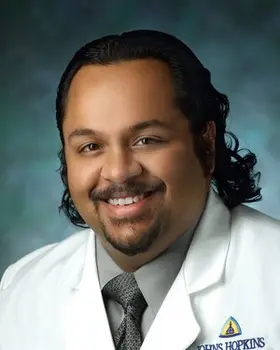
Ankur Butala is a Neurologist practicing medicine in Lutherville, Maryland. Dr. Butala is rated as an Experienced provider by MediFind in the treatment of Metachromatic Leukodystrophy. He is also highly rated in 42 other conditions, according to our data. His clinical expertise encompasses Parkinson's Disease, Corticobasal Degeneration, Movement Disorders, Drug Induced Dyskinesia, and Deep Brain Stimulation. Dr. Butala is board certified in American Board Of Psychiatry And Neurology. Dr. Butala is currently accepting new patients.
Johns Hopkins Health Care & Surgery Center - Green Spring Station, Lutherville
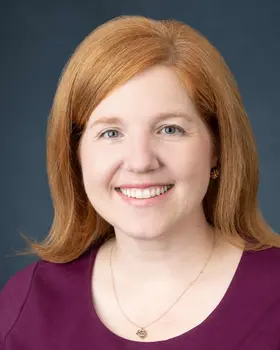
Sara Mixter is a primary care provider, practicing in Pediatrics and Internal Medicine in Lutherville, Maryland. Dr. Mixter is rated as an Experienced provider by MediFind in the treatment of Metachromatic Leukodystrophy. She is also highly rated in 1 other condition, according to our data. Her clinical expertise encompasses Cerebral Palsy, Gastroparesis, Orbital Cellulitis, and Sickle Cell Disease. Dr. Mixter is board certified in American Board Of Internal Medicine and American Board Of Pediatrics. Dr. Mixter is currently accepting new patients.
Office
Harry Holt is a primary care provider, practicing in Family Medicine in Baltimore, Maryland. Dr. Holt is rated as an Experienced provider by MediFind in the treatment of Metachromatic Leukodystrophy. His clinical expertise encompasses Maturity Onset Diabetes of the Young, CACH Syndrome, Leukodystrophy, and Canavan Disease. Dr. Holt is currently accepting new patients.
Neurology Care Center
Julia Biernot is a Neurologist practicing medicine in Baltimore, Maryland. Dr. Biernot is rated as an Experienced provider by MediFind in the treatment of Metachromatic Leukodystrophy. She is also highly rated in 8 other conditions, according to our data. Her clinical expertise encompasses Memory Loss, Cerebellar Degeneration, Neuronal Intranuclear Inclusion Disease (NIID), and Dementia.
University Of Maryland Charles Regional Medical Center Neurology Center Laplata
Getinet Kassa is a Neurologist practicing medicine in La Plata, Maryland. Dr. Kassa is rated as an Experienced provider by MediFind in the treatment of Metachromatic Leukodystrophy. He is also highly rated in 15 other conditions, according to our data. His clinical expertise encompasses Epilepsy, Seizures, Opsoclonus-Myoclonus Syndrome, and Memory Loss. Dr. Kassa is board certified in American Board Of Psychiatry And Neurology - Neurology, 2016 and American Board Of Psychiatry And Neurology - Epilepsy, 2018. Dr. Kassa is currently accepting new patients.
Kennedy Krieger Institute
Eric Mallack is a Pediatric Neurologist and a Neurologist practicing medicine in Baltimore, Maryland. Dr. Mallack is rated as an Experienced provider by MediFind in the treatment of Metachromatic Leukodystrophy. He is also highly rated in 4 other conditions, according to our data. His clinical expertise encompasses Adrenoleukodystrophy (ALD), CACH Syndrome, Early Infantile Epileptic Encephalopathy, and Leukodystrophy. Dr. Mallack is board certified in American Board Of Psychiatry And Neurology. Dr. Mallack is currently accepting new patients.
Last Updated: 09/19/2026