The 20 Best Relapsing Multiple Sclerosis (RMS) Doctors Near Me in Galveston, TX
Find the Top Relapsing Multiple Sclerosis (RMS) Experts and Specialists
UT Physicians
Jerry Wolinsky is a Neurologist practicing medicine in Houston, Texas. Dr. Wolinsky is rated as an Elite provider by MediFind in the treatment of Relapsing Multiple Sclerosis (RMS). He is also highly rated in 2 other conditions, according to our data. His clinical expertise encompasses Relapsing Multiple Sclerosis (RMS), Multiple Sclerosis (MS), and Trigeminal Neuralgia.
Office
Ann Bass is a Neurologist practicing medicine in San Antonio, Texas. Dr. Bass is rated as an Elite provider by MediFind in the treatment of Relapsing Multiple Sclerosis (RMS). She is also highly rated in 18 other conditions, according to our data. Her clinical expertise encompasses Relapsing Multiple Sclerosis (RMS), Multiple Sclerosis (MS), Myelin Oligodendrocyte Glycoprotein Antibody-Associated Disease, and Migraine. Dr. Bass is currently accepting new patients.
University Of Texas Southwestern Medical Center
Benjamin Greenberg is a Neurologist practicing medicine in Dallas, Texas. Dr. Greenberg is rated as an Elite provider by MediFind in the treatment of Relapsing Multiple Sclerosis (RMS). He is also highly rated in 18 other conditions, according to our data. His clinical expertise encompasses Transverse Myelitis, Optic Neuritis, Neuromyelitis Optica, and Multiple Sclerosis (MS).

Texas Health Family Care
Shane Ashford is a primary care provider, practicing in Family Medicine in Denton, Texas. Dr. Ashford is rated as an Experienced provider by MediFind in the treatment of Relapsing Multiple Sclerosis (RMS). He is also highly rated in 29 other conditions, according to our data. His clinical expertise encompasses Cirrhosis, Xanthoma, Familial Combined Hyperlipidemia, and Hypertension. Dr. Ashford is currently accepting new patients.

Texas Health Family Care
Scott Simms is a primary care provider, practicing in Family Medicine in Denton, Texas. Dr. Simms is rated as an Experienced provider by MediFind in the treatment of Relapsing Multiple Sclerosis (RMS). He is also highly rated in 17 other conditions, according to our data. His clinical expertise encompasses High Cholesterol, Sciatica, Sitosterolemia, and Familial Hypertension.

Texas Health Family Care
Karna Gocke is a primary care provider, practicing in Family Medicine in Prosper, Texas. Dr. Gocke is rated as an Experienced provider by MediFind in the treatment of Relapsing Multiple Sclerosis (RMS). She is also highly rated in 33 other conditions, according to our data. Her clinical expertise encompasses Vitamin D Deficiency, Peripheral Neuropathy, Familial Hypertriglyceridemia, Obesity, and Intrauterine Device Insertion.
Texas Health Family Care
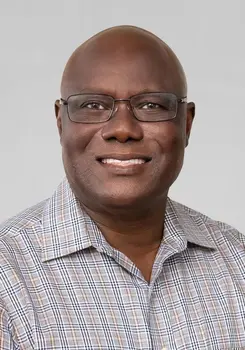
Charles Kwaw is a primary care provider, practicing in Pediatrics and Internal Medicine in Fort Worth, Texas. Dr. Kwaw is rated as an Experienced provider by MediFind in the treatment of Relapsing Multiple Sclerosis (RMS). He is also highly rated in 15 other conditions, according to our data. His clinical expertise encompasses Type 2 Diabetes (T2D), Familial Combined Hyperlipidemia, Xanthoma, Cirrhosis, and Ureteroscopy. Dr. Kwaw is currently accepting new patients.

Trinity Clinic
John Hueter is a Neurologist practicing medicine in Texarkana, Texas. Dr. Hueter is rated as an Advanced provider by MediFind in the treatment of Relapsing Multiple Sclerosis (RMS). He is also highly rated in 20 other conditions, according to our data. His clinical expertise encompasses Migraine, Memory Loss, Autosomal Dominant Partial Epilepsy with Auditory Features, and Epilepsy. Dr. Hueter is board certified in American Board Of Psychiatry And Neurology. Dr. Hueter is currently accepting new patients.
Texas Health Family Care
Kenneth Bernal is a primary care provider, practicing in Family Medicine in Rockwall, Texas. Dr. Bernal is rated as an Experienced provider by MediFind in the treatment of Relapsing Multiple Sclerosis (RMS). He is also highly rated in 22 other conditions, according to our data. His clinical expertise encompasses Vitamin D Deficiency, Xanthoma, Familial Combined Hyperlipidemia, and Bronchitis.
Diversified Management Services, LLC
Danny Bartel is a Neurologist practicing medicine in Wichita Falls, Texas. Dr. Bartel is rated as a Distinguished provider by MediFind in the treatment of Relapsing Multiple Sclerosis (RMS). He is also highly rated in 83 other conditions, according to our data. His clinical expertise encompasses Chronic Inflammatory Demyelinating Polyneuropathy, Autosomal Dominant Partial Epilepsy with Auditory Features, Peripheral Neuropathy, and Myelin Oligodendrocyte Glycoprotein Antibody-Associated Disease. Dr. Bartel is currently accepting new patients.
Texas Orthopedic Hospital
John Harrell is a Physiatrist practicing medicine in Houston, Texas. Dr. Harrell is rated as an Advanced provider by MediFind in the treatment of Relapsing Multiple Sclerosis (RMS). He is also highly rated in 3 other conditions, according to our data. His clinical expertise encompasses Relapsing Multiple Sclerosis (RMS), Tendinitis, Bursitis, and Brittle Cornea Syndrome. Dr. Harrell is currently accepting new patients.

Tomi Ashaye is a Neurologist practicing medicine in Houston, Texas. Dr. Ashaye is rated as an Experienced provider by MediFind in the treatment of Relapsing Multiple Sclerosis (RMS). She is also highly rated in 3 other conditions, according to our data. Her clinical expertise encompasses Seizures, Generalized Tonic-Clonic Seizure, Susac Syndrome, and Memory Loss. Dr. Ashaye is currently accepting new patients.
Texas Health Family Care
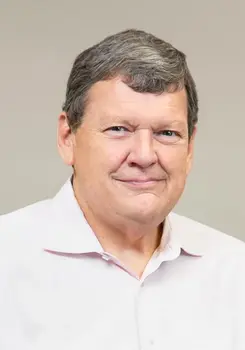
Richard Townsend is a primary care provider, practicing in General Practice in Richardson, Texas. Dr. Townsend is rated as an Experienced provider by MediFind in the treatment of Relapsing Multiple Sclerosis (RMS). He is also highly rated in 26 other conditions, according to our data. His clinical expertise encompasses Vitamin D Deficiency, Gilbert Syndrome, High Cholesterol, and Nephrosclerosis.

Texas Health Family Care
Lynnette Hollon is a Nurse Practitioner practicing medicine in Dallas, Texas. Hollon, NP is rated as an Experienced provider by MediFind in the treatment of Relapsing Multiple Sclerosis (RMS). She is also highly rated in 1 other condition, according to our data. Her clinical expertise encompasses Vitamin D Deficiency, Muscle Spasms, Seasonal Affective Disorder (SAD), and Emphysema.

Texas Health Family And Sports Care
Roger Tolar is a Sports Medicine provider practicing medicine in Keller, Texas. Dr. Tolar is rated as an Experienced provider by MediFind in the treatment of Relapsing Multiple Sclerosis (RMS). He is also highly rated in 3 other conditions, according to our data. His clinical expertise encompasses Vitamin D Deficiency, Homozygous Familial Hypercholesterolemia (HoFH), Heterozygous Familial Hypercholesterolemia (HeFH), and Menopause.

UT Austin Dell Medical School
Karl Koenig is an Orthopedics provider practicing medicine in Austin, Texas. Dr. Koenig is rated as an Experienced provider by MediFind in the treatment of Relapsing Multiple Sclerosis (RMS). He is also highly rated in 4 other conditions, according to our data. His clinical expertise encompasses Osteoarthritis, Arthritis, Acute Pain, Knee Replacement, and Hip Replacement. Dr. Koenig is board certified in The American Board Of Orthopaedic Surgery - Orthopaedic Surgery. Dr. Koenig is currently accepting new patients.
Texas Health Internal Medicine
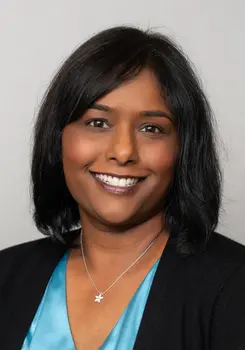
Sunitha Siram is a primary care provider, practicing in Internal Medicine in Bedford, Texas. Dr. Siram is rated as an Experienced provider by MediFind in the treatment of Relapsing Multiple Sclerosis (RMS). She is also highly rated in 18 other conditions, according to our data. Her clinical expertise encompasses High Cholesterol, Melorheostosis, Melorheostosis with Osteopoikilosis, and Osteopenia.

Baylor Scott & White Specialty Clinic - Lakeway
Victor Montoya is a Neurologist practicing medicine in Lakeway, Texas. Dr. Montoya is rated as an Experienced provider by MediFind in the treatment of Relapsing Multiple Sclerosis (RMS). He is also highly rated in 8 other conditions, according to our data. His clinical expertise encompasses Seizures, Memory Loss, Benign Rolandic Epilepsy, and Autosomal Dominant Partial Epilepsy with Auditory Features. Dr. Montoya is board certified in Epilepsy- American Board Of Psychiatry And Neurology, Clinical Neurophysiology- American Board Of Psychiatry And Neurology, and Neurology- American Board Of Psychiatry And Neurology. Dr. Montoya is currently accepting new patients.

Baylor College Of Medicine
George Hutton is a Neurologist practicing medicine in Houston, Texas. Dr. Hutton is rated as a Distinguished provider by MediFind in the treatment of Relapsing Multiple Sclerosis (RMS). He is also highly rated in 5 other conditions, according to our data. His clinical expertise encompasses Multiple Sclerosis (MS), Relapsing Multiple Sclerosis (RMS), Transverse Myelitis, and Meningitis. Dr. Hutton is board certified in National Multiple Sclerosis Society, American Academy Of Neurology, Texas Neurological SocietyDiplomate - American Board Of Psychiatry And Neurology. Dr. Hutton is currently accepting new patients.

John Lindsey is a Neurologist practicing medicine in Houston, Texas. Dr. Lindsey is rated as a Distinguished provider by MediFind in the treatment of Relapsing Multiple Sclerosis (RMS). He is also highly rated in 5 other conditions, according to our data. His clinical expertise encompasses Multiple Sclerosis (MS), Relapsing Multiple Sclerosis (RMS), Neuromyelitis Optica, and Transverse Myelitis. Dr. Lindsey is currently accepting new patients.
Last Updated: 09/19/2026