The 20 Best Richter Syndrome Doctors Near Me in Baltimore, MD
Find the Top Richter Syndrome Experts and Specialists
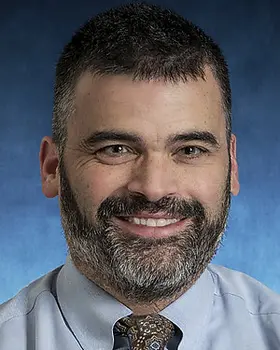
Skip Viragh Outpatient Cancer Center
William Houck is an Oncologist practicing medicine in Baltimore, Maryland. Dr. Houck is rated as a Distinguished provider by MediFind in the treatment of Richter Syndrome. He is also highly rated in 73 other conditions, according to our data. His clinical expertise encompasses Paget Disease of the Breast, Lung Cancer, Chronic Lymphocytic Leukemia (CLL), and Chronic B-Cell Leukemia (CBCL). Dr. Houck is board certified in American Board Of Internal Medicine.
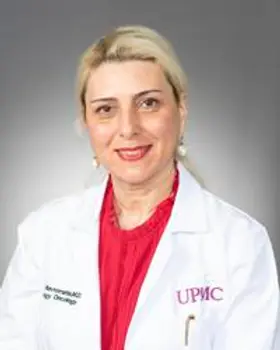
UPMC Hillman Cancer Center At UPMC Western Maryland
Blanche Mavromatis, MD, specializes in hematology oncology and is board certified in internal medicine by the American Board of Internal Medicine. Dr. Mavromatis completed her fellowship at Georgetown University Hospital, residency at Georgetown University Medical Center and medical degree from Thomas Jefferson University Medical College. Dr. Mavromatis is rated as a Distinguished provider by MediFind in the treatment of Richter Syndrome. She is also highly rated in 67 other conditions, according to our data. Her clinical expertise encompasses Breast Cancer, Paget Disease of the Breast, Chronic Lymphocytic Leukemia (CLL), and Richter Syndrome. Dr. Mavromatis is board certified in American Board Of Internal Medicine. Dr. Mavromatis is currently accepting new patients.
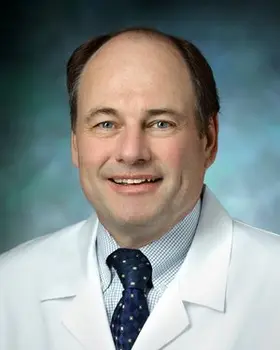
Sidney Kimmel Comprehensive Cancer Center
Dr. Lode J. Swinnen is a cancer specialist in Baltimore caring for patients with lymphoma. Dr. Swinnen received his M.B.Ch.B. degree from the University of Cape Town Medical School. He completed his residency at Presence Saint Joseph Hospital and performed a fellowship in hematology-oncology at Loyola University Stritch School of Medicine. Dr. Swinnen joined the Johns Hopkins faculty in 2002. His research interests include lymphomas and immunodeficiency-associated malignancies. Dr. Swinnen is a member of the Eastern Cooperative Oncology Group and the National Comprehensive Cancer Network. Dr. Swinnen is rated as an Advanced provider by MediFind in the treatment of Richter Syndrome. He is also highly rated in 33 other conditions, according to our data. His clinical expertise encompasses Non-Hodgkin Lymphoma, Diffuse Large B-Cell Lymphoma (DLBCL), Small Lymphocytic Lymphoma (SLL), Chronic Lymphocytic Leukemia (CLL), and Bone Marrow Transplant. Dr. Swinnen is board certified in American Board Of Internal Medicine.

Maryland Oncology Hematology
Edward Lee, M.D. was named one of Baltimore’s “Top Doc’s” by Baltimore Magazine in 2000 and 2002. After receiving additional training in Hematology and Medical Oncology at the University of Maryland in 1984, he remained on faculty until 1997. During his academic career, Dr. Lee was chairman of the training program for five years, started the Bone Marrow Transplant Program at the University of Maryland in 1993, and wrote 50 original articles on leukemia, lymphoma and related diseases. In 1997, Dr. Lee entered private practice as Chief of Hematology and Medical Oncology at Sinai Hospital. Practicing in Columbia since 2001, Dr. Lee treats patients with all forms of cancer, maintaining a particular interest in breast cancer, leukemia, and lymphomas. Learn more at marylandoncology.com. Dr. Lee is rated as an Advanced provider by MediFind in the treatment of Richter Syndrome. He is also highly rated in 42 other conditions, according to our data. His clinical expertise encompasses Polycythemia Vera, Paget Disease of the Breast, Breast Cancer, and Primary Lymphoma of the Brain. Dr. Lee is board certified in American Board Of Internal Medicine.
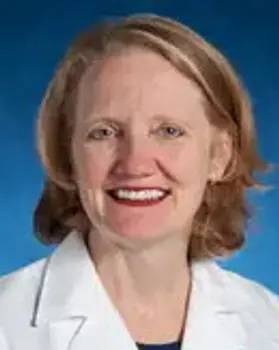
Sidney Kimmel Comprehensive Cancer Center
Dr. Nina Wagner-Johnston is Professor of Oncology at the Johns Hopkins University School of Medicine. Her areas of clinical expertise include non-Hodgkin lymphoma, Hodgkin lymphoma, and HIV-related lymphomas. Dr. Wagner-Johnston serves as the Director for the Lymphoma Drug Development Program at the Johns Hopkins University. Dr. Wagner-Johnston received her baccalaureate degree in nursing from Georgetown University in Washington, DC. She earned her MD and completed her residency training at the University of Chicago, Chicago Illinois. She performed a fellowship in Medical Oncology at Johns Hopkins University, Baltimore, Maryland. Dr. Wagner-Johnston joined the Johns Hopkins faculty in 2015. Prior to joining Johns Hopkins, Dr. Wagner-Johnston was an Assistant Professor at Washington University, St. Louis, Missouri. Her research interests include clinical trial and biomarker development for patients with lymphoma. She is additionally involved in palliative/supportive care research and has a particular interest in chemotherapy-induced peripheral neuropathy. Dr. Wagner-Johnston serves as a member on the NCCN Cancer Related Fatigue Guidelines Panel and the ASCO Neuropathy Guidelines Panel. She has served as a journal reviewer for Annals of Oncology, Leukemia and Lymphoma, Blood, and the Journal of Nuclear Medicine. She is a previous recipient of a Young Investigator Award at the Supportive Oncology Conference as well as a Mentoring Program Award through the American Academy of Hospice and Palliative Medicine. She has served on the National Cancer Institute (NCI) Lymphoma Steering Committee Clinical Trials Design Committee and the NCI Symptom Management and Health Related Quality of Life Steering Committee. She is a member of the American Society of Hematology (ASH), the American Society of Clinical Oncology (ASCO), the AIDS Malignancies Consortium (AMC), and the Eastern Cancer Oncology Group (ECOG) Lymphoma Committee. Dr. Wagner is rated as an Advanced provider by MediFind in the treatment of Richter Syndrome. She is also highly rated in 22 other conditions, according to our data. Her clinical expertise encompasses Non-Hodgkin Lymphoma, B-Cell Lymphoma, Diffuse Large B-Cell Lymphoma (DLBCL), Bone Marrow Transplant, and Bone Marrow Aspiration.

Chesapeake OncologyHematology
Arun Bhandari, M.D. is a native of Maryland and grew up in Silver Spring area. He earned his medical degree from Punjabi University and Government Medical College, Punjab, India and completed his internship and residency in Internal Medicine at New York University program in Queens, NY. He completed his Hematology and Oncology fellowship at University of Tennessee Health Science Center, Memphis, TN, Georgetown University and Washington Hospital Center, Washington, DC and NHLBI at National Institute of Health, Bethesda, MD. He served as a chief fellow at Georgetown University and Washington Hospital Center, Washington, D.C. After completing his fellowship in 2005, he joined as faculty at Allegheny General Hospital in Pittsburgh, PA, where he was actively involved in teaching fellows and residents. He joined COHA in 2007 at which time he opened a location in Annapolis and Kent Island. He has interest in head and neck cancer, brain cancer, breast cancer, lung cancer, gastrointestinal cancer(colon, pancreas, liver, gastric, esophageal etc.), genitourinary cancer (kidney, prostate, bladder etc.), gynecological cancer (ovarian, uterine, cervical, vaginal etc.), skin cancer, Lymphoma, Myeloma, Leukemia and various other blood disorders. He is a member of the American Society of Clinical Oncology and American Society of Hematology. He currently sees patients at Annapolis Cancer Center and Kent Island Center. He speaks English, Hindi, and Punjabi. Dr. Bhandari is rated as an Advanced provider by MediFind in the treatment of Richter Syndrome. He is also highly rated in 12 other conditions, according to our data. His clinical expertise encompasses Pleuropulmonary Blastoma, Multiple Myeloma, Iron Deficiency Anemia, and Childhood Iron Deficiency Anemia. Dr. Bhandari is board certified in American Board Of Internal Medicine.
Maryland Oncology Hematology
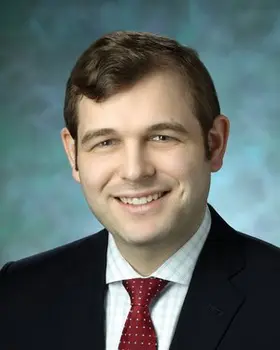
Andrew Mener, M.D. has experience treating a wide range of adult hematologic and oncologic disorders, with a particular interest in treating breast, lung, gastrointestinal and hematologic malignancies. He takes great pride in delivering personalized, compassionate care and strives to effectively explain complex treatment options to his patients. He strongly believes in the importance of treating each and every patient as an individual. Learn more at marylandoncology.com. Dr. Mener is rated as an Advanced provider by MediFind in the treatment of Richter Syndrome. He is also highly rated in 48 other conditions, according to our data. His clinical expertise encompasses Breast Cancer, Paget Disease of the Breast, Iron Deficiency Anemia, and Severe Congenital Neutropenia. Dr. Mener is board certified in American Board Of Internal Medicine.

Maryland Oncology Hematology
As an active participant in the medical community, Mohit Narang, M.D. has served as a primary investigator and research assistant on many trials. During Dr. Narang’s fellowship, he was honored with the invitation to attend the Masterclass in Clinical Oncology at Montecatini, Italy by the European School of Oncology. He holds professional memberships with the American Society of Clinical Oncology, American Society of Hematology, as well as the European Society of Medical Oncology. Learn more at marylandoncology.com. Dr. Narang is rated as an Advanced provider by MediFind in the treatment of Richter Syndrome. He is also highly rated in 43 other conditions, according to our data. His clinical expertise encompasses Multiple Myeloma, Agranulocytosis, Paget Disease of the Breast, Thrombocytopenia, and Bone Marrow Transplant. Dr. Narang is board certified in American Board Of Internal Medicine.
Sidney Kimmel Comprehensive Cancer Center
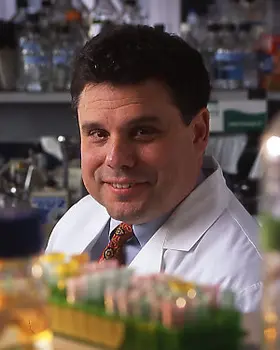
Richard F. Ambinder, M.D., Ph.D., currently serves as the James B. Murphy Professor of Oncology and the Director of the Division of Hematologic Malignancies at the Johns Hopkins Kimmel Cancer Center. He is program co-leader of the Hematologic Malignancies and Bone Marrow Transplantation Program and leads the AIDS Malignancy Consortium (AMC) site at Johns Hopkins and the AMC Translational Sciences Working Group nationally. Dr. Ambinder graduated from Harvard College with a Bachelor’s degree in biochemistry, after which he received his medical degree from the Johns Hopkins University School of Medicine before completing his residency at the Johns Hopkins Hospital. He also earned his Ph.D. in pharmacology from the Johns Hopkins University, and completed his oncology fellowship at Johns Hopkins. Within the clinic, Dr. Ambinder is active in the treatment of lymphoma and Kaposi’s sarcoma. Dr. Ambinder’s research is focused on exploring opportunities to prevent or treat cancer with viral infections. Virus-associated tumors are among the most common malignancies in certain populations and regions. For instance, Burkitt's lymphoma (EBV) and Kaposi's sarcoma (KSHV) are common in equatorial Africa, nasopharyngeal carcinoma (EBV) is common in southern Chinese populations or those with southern Chinese origins, and immunoblastic lymphomas (EBV) are common in immunocompromised patients (organ transplant recipients, AIDS patients, etc). Thus, Dr. Ambinder’s new approaches to prevention, diagnosis, and treatment stand to have a direct impact on the lives of cancer patients around the globe. Additionally, the study of how viruses can impact these tumors is important in creating model systems for the development of new approaches to cancer care. Currently, many immunotherapies target unidentified antigens, making the measurement of relevant immune responses problematic at best. However, in EBV-associated tumors the antigens are well defined, thus allowing the Ambinder lab to define the epitope-specific cellular immune responses. As a result of this breakthrough, interventions designed to alter immune response —whether they be vaccine based interventions, adoptive immunotherapy interventions, or pharmacologic interventions — may all be assessed in terms of relevant surrogate markers. Much in the same way the treatment of Hodgkin's lymphoma with radiotherapy and chemotherapy paved the way for the modern approach to cancer treatment more broadly, the treatment of EBV-associated tumors (including Hodgkin's lymphoma) may pave the way to the more generalized use of these modalities to treat a myriad of cancer types. Dr. Ambinder is rated as an Advanced provider by MediFind in the treatment of Richter Syndrome. He is also highly rated in 23 other conditions, according to our data. His clinical expertise encompasses Hodgkin Lymphoma, Non-Hodgkin Lymphoma, B-Cell Lymphoma, Tissue Biopsy, and Bone Marrow Aspiration. Dr. Ambinder is board certified in American Board Of Internal Medicine.
TidalHealth Peninsula Regional
Justinian Ngaiza is an Oncologist practicing medicine in Salisbury, Maryland. Dr. Ngaiza is rated as a Distinguished provider by MediFind in the treatment of Richter Syndrome. He is also highly rated in 90 other conditions, according to our data. His clinical expertise encompasses Von Willebrand Disease (VWD), Lung Cancer, Lung Adenocarcinoma, Small Cell Lung Cancer (SCLC), and Bone Marrow Aspiration.
Bay Hematology Oncology P.A.
David Smith is a Hematologist practicing medicine in Centreville, Maryland. Dr. Smith is rated as a Distinguished provider by MediFind in the treatment of Richter Syndrome. He is also highly rated in 113 other conditions, according to our data. His clinical expertise encompasses Thrombocytopenia, Hemangioma Thrombocytopenia Syndrome, Adult Immune Thrombocytopenia, and Myelodysplastic Syndrome (MDS).
Peninsula Regional Oncology & Hematology Ocean Pines
Justin Kucinski is a primary care provider, practicing in Internal Medicine in Berlin, Maryland. Dr. Kucinski is rated as a Distinguished provider by MediFind in the treatment of Richter Syndrome. He is also highly rated in 61 other conditions, according to our data. His clinical expertise encompasses Dehydration, Small Cell Lung Cancer (SCLC), Lung Adenocarcinoma, Iron Deficiency Anemia, and Bone Marrow Aspiration.
Luminis Health Medical Group LLC
Russell Schilling is a primary care provider, practicing in Family Medicine in Easton, Maryland. Dr. Schilling is rated as an Advanced provider by MediFind in the treatment of Richter Syndrome. He is also highly rated in 10 other conditions, according to our data. His clinical expertise encompasses Richter Syndrome, Chronic Lymphocytic Leukemia (CLL), Chronic B-Cell Leukemia (CBCL), and Childhood Iron Deficiency Anemia.
Maryland Oncology Hematology PA
"Dr. Ari D. Fishman is a hematologist affiliated with Sibley Memorial Hospital, Holy Cross Hospital and George Washington University Hospital, where he serves as an assistant professor of medicine for the School of Medicine. He practices out of Maryland Oncology and Hematology, located in Wheaton, Maryland and Silver Spring, Maryland. Dr. Fishman earned his medical degree from Sackler School of Medicine. He completed a residency in internal medicine at the Beth Israel Medical Center, followed by a fellowship in hematology and oncology at the Montefiore Medical Center. Dr. Fishman previously worked at Washington Oncology Hematology Center, located in Washington, D.C. and Chevy Chase, Maryland. Dr. Fishman has been named a Top Doctor in Hematology and Oncology by Washingtonian Magazine and a Top Doctor by Consumers’ Checkbook magazine. Dr. Fishman is a member of the American College of Physicians and the American Society of Clinical Oncology. Dr. Fishman has contributed to numerous publications. Selected Publications Fishman AD, Hoffman A, Volterra F, Frymus M, Gentilluci M. ""Intracaval and intracardiac metastatic nonseminomatous germ cell tumor: a rare cause of hemolytic anemia and thrombocytopenia."" Cancer Invest. 2002;20(7-8):996-1001.". Dr. Fishman is rated as an Advanced provider by MediFind in the treatment of Richter Syndrome. He is also highly rated in 55 other conditions, according to our data. His clinical expertise encompasses Schnitzler Syndrome, Monoclonal Gammopathy of Undetermined Significance (MGUS), Myelodysplastic Syndrome (MDS), and Childhood Iron Deficiency Anemia. Dr. Fishman is board certified in American Board Of Internal Medicine.
Maryland Oncology Hematology PA
Nicholas Farrell is a Hematologist Oncology provider practicing medicine in Bethesda, Maryland. Dr. Farrell is rated as an Advanced provider by MediFind in the treatment of Richter Syndrome. He is also highly rated in 47 other conditions, according to our data. His clinical expertise encompasses Lung Cancer, Childhood Iron Deficiency Anemia, Pleuropulmonary Blastoma, and Iron Deficiency Anemia. Dr. Farrell is board certified in American Board Of Internal Medicine.
The Johns Hopkins Hospital
Ravin Garg is a Hematologist Oncology specialist and an Oncologist practicing medicine in Baltimore, Maryland. Dr. Garg is rated as an Advanced provider by MediFind in the treatment of Richter Syndrome. He is also highly rated in 58 other conditions, according to our data. His clinical expertise encompasses Large-Cell Immunoblastic Lymphoma, Paget Disease of the Breast, Breast Cancer, and Thrombotic Thrombocytopenic Purpura. Dr. Garg is board certified in American Board Of Internal Medicine.
Chesapeake Oncology Hematology
Yudhishtra Markan is a Hematologist Oncology specialist and an Oncologist practicing medicine in Glen Burnie, Maryland. Dr. Markan is rated as an Advanced provider by MediFind in the treatment of Richter Syndrome. He is also highly rated in 32 other conditions, according to our data. His clinical expertise encompasses Pleuropulmonary Blastoma, Lung Cancer, Familial Colorectal Cancer, and Colorectal Cancer. Dr. Markan is board certified in American Board Of Internal Medicine.

Maryland Oncology Hematology PA
"Shannon C. O'Connor, M.D., is a medical oncologist with Suburban Hospital. She practices out of Maryland Oncology Hematology. Dr. O'Connor has expertise in hematology and medical oncology with a special focus in women's health, including breast cancer and gynecologic cancers. Dr. O'Connor earned her Master's Degree in Physiology at Georgetown University, followed by her medical degree from St. George's University School of Medicine. She completed a residency at Washington Hospital Center, as well as a fellowship in hematology and oncology. Dr. O'Connor is a member of the American Society of Clinical Oncology, the American Society of Hematology, the Montgomery County Medical Society and the American Medical Association. Selected Publications Catlett JP1, Williams SA, O'Connor SC, Krishnan J, Malkovska V. ""Primary lymphoma of bone: an institutional experience."" Leuk Lymphoma. 2008 Nov;49(11):2125-32. doi: 10.1080/10428190802404030.". Dr. O'connor is rated as an Experienced provider by MediFind in the treatment of Richter Syndrome. She is also highly rated in 46 other conditions, according to our data. Her clinical expertise encompasses Paget Disease of the Breast, Neuroendocrine Carcinoma of the Cervix, Cervical Cancer, and Breast Cancer. Dr. O'connor is board certified in American Board Of Internal Medicine.

Center For Cancer & Blood Disorders
Mark Goldstein is a Hematologist Oncology provider practicing medicine in Bethesda, Maryland. Dr. Goldstein is rated as an Experienced provider by MediFind in the treatment of Richter Syndrome. He is also highly rated in 30 other conditions, according to our data. His clinical expertise encompasses Childhood Iron Deficiency Anemia, Anal Cancer, Myelodysplastic Syndrome (MDS), and Pleuropulmonary Blastoma. Dr. Goldstein is board certified in American Board Of Internal Medicine.

Sidney Kimmel Comprehensive Cancer Center
B.S., Massachusetts Institute of Technology M.D., University of Pennsylvania School of Medicine M.B.A., Carey School of Business at Johns Hopkins. Dr. Fuchs is rated as an Experienced provider by MediFind in the treatment of Richter Syndrome. He is also highly rated in 15 other conditions, according to our data. His clinical expertise encompasses Myelodysplastic Syndrome (MDS), Multiple Myeloma, Diffuse Large B-Cell Lymphoma (DLBCL), Acute Myeloid Leukemia (AML), and Bone Marrow Aspiration. Dr. Fuchs is board certified in American Board Of Internal Medicine.
Last Updated: 06/30/2026