The 20 Best Vertigo Doctors Near Me in Baltimore, MD
Find the Top Vertigo Experts and Specialists

Johns Hopkins Bayview Medical Center
David Newman-Toker, M.D., Ph.D., is an internationally recognized leader in neuro-otology, acute stroke diagnosis, and diagnostic errors research. He completed his undergraduate studies at Yale University, his medical degree at University of Pennsylvania, his residency training and neuro-ophthalmology fellowship at Harvard University, his neuro-otology fellowship at Johns Hopkins University School of Medicine, and his doctoral degree in clinical research methods at the Johns Hopkins Bloomberg School of Public Health. He has served as a full-time faculty member at the Johns Hopkins University School of Medicine since 2002. He is the David Robinson Professor of Vestibular Neurology and also holds appointments in Otolaryngology, Ophthalmology, Emergency Medicine, Acute Care Nursing, Health Sciences Informatics, Epidemiology, and Health Policy & Management at Johns Hopkins. Dr. Newman-Toker is a bedside-to-populations translational researcher, with a focus on eliminating diagnostic errors and achieving diagnostic excellence. He is a leader in the national and international movements to eliminate patient harms from diagnostic error. Dr. Newman-Toker’s clinical focus is on diagnosis of acute disorders affecting the brainstem and cranial nerves, particularly stroke. He is recognized for his research in novel eye-movement-based bedside methods for diagnosing stroke in patients with acute dizziness and vertigo in the emergency department and, in 2024, won the international Bárány Society’s Hallpike-Nylén Prize for clinical research achievement. Dr. Newman-Toker serves as director of the Division of Neuro-Visual & Vestibular Disorders in the Department of Neurology. He also directs the Armstrong Institute Center for Diagnostic Excellence, whose mission is to catalyze efforts to improve diagnostic performance, develop the science of diagnostic safety, and enhance diagnostic research. He has been the principal investigator on numerous National Institutes of Health, Agency for Healthcare Research and Quality (AHRQ), and foundation grants. He has published over 165 journal articles and given more than 300 invited lectures. He has served as an expert consultant on diagnostic safety and quality to AHRQ, the National Quality Forum, and the National Academy of Medicine. He has testified before Congress on the use of artificial intelligence for medical diagnosis. He was president of the Society to Improve Diagnosis in Medicine from 2018-2020. Dr. Newman is rated as an Elite provider by MediFind in the treatment of Vertigo. He is also highly rated in 6 other conditions, according to our data. His clinical expertise encompasses Vertigo, Benign Paroxysmal Positional Vertigo, Stroke, and Brown Syndrome. Dr. Newman is board certified in American Board Of Psychiatry And Neurology.

Johns Hopkins Outpatient Center
Neurotologist John Carey specializes in the health and diseases of the inner ear that affect both balance and hearing mechanisms. He is a national expert in superior canal dehiscence syndrome, Menière’s disease, vestibular migraine, acoustic neuromas and other causes of vertigo, and serves as chief of the Division of Otology, Neurotology and Skull Base Surgery in the Department of Otolaryngology–Head and Neck Surgery at the Johns Hopkins University School of Medicine. Dr. Carey earned a medical degree from Washington University School of Medicine and completed two years of training in general surgery at Virginia Mason Medical Center. This was followed by residency training in otolaryngology–head and neck surgery at University of Washington Medical Center and fellowship training in neurotology at the Johns Hopkins University School of Medicine. His research interests include superior canal dehiscence syndrome, Menière’s disease, vestibular implants, and the mechanisms of vestibular migraine. He has a particular interest in superior canal dehiscence syndrome, and, with Lloyd Minor, department director from 2003 to 2009, he helped develop the operation used to repair the superior canal. Dr. Carey has been funded by the National Institute on Deafness and Other Communication Disorders, part of the National Institutes of Health. He has authored or co-authored over 150 peer-reviewed publications, 10 book chapters, and 11 reviews. Dr. Carey is rated as an Elite provider by MediFind in the treatment of Vertigo. He is also highly rated in 17 other conditions, according to our data. His clinical expertise encompasses Meniere Disease, Vertigo, Acoustic Neuroma, Mastoidectomy, and Endoscopy. Dr. Carey is board certified in Head And Neck Surgery.

Johns Hopkins Outpatient Center
With fellowship training in neuro-ophthalmology and additional training in neuro-vestibular disorders, Dr. Daniel Gold sees patients with neuro-ophthalmic disorders (affecting vision, eyelids, pupils, or causing nystagmus or double vision) in addition to oto-neurologic disorders (causing dizziness and vertigo). Videos 2018 Best Consulting Physician Award Tele-(Dizzy) Medicine. Dr. Gold is rated as an Elite provider by MediFind in the treatment of Vertigo. He is also highly rated in 12 other conditions, according to our data. His clinical expertise encompasses Vertigo, Benign Paroxysmal Positional Vertigo, Brown Syndrome, and Stiff Person Syndrome. Dr. Gold is board certified in American Board Of Psychiatry And Neurology.
Johns Hopkins Hospital
David Zee is a Neurologist practicing medicine in Baltimore, Maryland. Dr. Zee is rated as an Elite provider by MediFind in the treatment of Vertigo. He is also highly rated in 23 other conditions, according to our data. His clinical expertise encompasses Vertigo, Brown Syndrome, Cerebelloparenchymal Disorder 3, and Benign Paroxysmal Positional Vertigo.

Johns Hopkins Outpatient Center
Neurotologist Bryan Ward specializes in treating disorders of the ear and skull base, such as chronic ear disease, obstructive and patulous eustachian tube dysfunction, and conditions that cause dizziness, such as superior canal dehiscence syndrome, Meniere’s disease and bilateral vestibulopathy. Dr. Ward earned his medical degree from the University of Pittsburgh School of Medicine. He completed residency training in otolaryngology at the Johns Hopkins University School of Medicine, followed by fellowship training in eustachian tube disorders at Boston Children’s Hospital. He returned to Johns Hopkins for additional fellowship training in otology and neurotology. He has research interests in vestibular physiology and pathophysiology, with a particular focus on magnetic resonance imaging (MRI) and interactions between strong magnetic fields and the inner ear. The magnetic fields of MRI machines can induce a force in the inner ear that may cause dizziness and vertigo. This is a fundamentally new way of stimulating the vestibular system, and he is studying how the brain adapts to this stimulus. Dr. Ward is interested in understanding novel disorders of the inner ear vestibular system by developing improved MRI and via temporal bone histopathology. His clinical research interests include eustachian tube disorders, the pathophysiology of inner ear disorders such as superior semicircular canal dehiscence syndrome, Meniere’s disease and bilateral vestibulopathy, as well as novel treatments, including the development of a vestibular implant (led by Charles Della Santina). Dr. Ward is rated as a Distinguished provider by MediFind in the treatment of Vertigo. He is also highly rated in 8 other conditions, according to our data. His clinical expertise encompasses Meniere Disease, Vertigo, Patulous Eustachian Tube, Myringotomy, and Adenoidectomy. Dr. Ward is board certified in Head And Neck Surgery.
Neurological Medicine P.A.
Lawrence Whicker is a Neurologist practicing medicine in Greenbelt, Maryland. Dr. Whicker is rated as a Distinguished provider by MediFind in the treatment of Vertigo. He is also highly rated in 35 other conditions, according to our data. His clinical expertise encompasses Autosomal Dominant Partial Epilepsy with Auditory Features, Memory Loss, Seizures, and Peripheral Neuropathy.
Office
Gerard Hogan is a Radiologist practicing medicine in Salisbury, Maryland. Dr. Hogan is rated as a Distinguished provider by MediFind in the treatment of Vertigo. He is also highly rated in 55 other conditions, according to our data. His clinical expertise encompasses Retroversion of the Uterus, Bronchogenic Cyst, Gallbladder Disease, and Diverticular Disease.
Chesapeake Open Mri L. L. C.
Kevin Berger is a Neuroradiologist practicing medicine in Annapolis, Maryland. Dr. Berger is rated as a Distinguished provider by MediFind in the treatment of Vertigo. He is also highly rated in 27 other conditions, according to our data. His clinical expertise encompasses Vertigo, Relapsing Multiple Sclerosis (RMS), Choroid Plexus Cyst, and Familial Porencephaly.
Office
Andrew Vennos is a Radiologist practicing medicine in Salisbury, Maryland. Dr. Vennos is rated as a Distinguished provider by MediFind in the treatment of Vertigo. He is also highly rated in 66 other conditions, according to our data. His clinical expertise encompasses CAPOS Syndrome, Pleurisy, Pleural Effusion, Bone Marrow Aspiration, and Liver Embolization.
Chesapeake Open Mri L. L. C.
Arthur Kane is a Neuroradiologist practicing medicine in Annapolis, Maryland. Dr. Kane is rated as a Distinguished provider by MediFind in the treatment of Vertigo. He is also highly rated in 21 other conditions, according to our data. His clinical expertise encompasses Vertigo, Mikulicz Disease, Chronic Rhinosinusitis with Nasal Polyps (CRSwNP), and Relapsing Multiple Sclerosis (RMS).
Office
William Reid is a Neuroradiologist practicing medicine in Salisbury, Maryland. Dr. Reid is rated as a Distinguished provider by MediFind in the treatment of Vertigo. He is also highly rated in 71 other conditions, according to our data. His clinical expertise encompasses Gallbladder Disease, Pleurisy, Pleural Effusion, Vertebroplasty, and Bone Graft.
Washington Open Mri Inc
William Prominski is a Radiologist practicing medicine in Owings Mills, Maryland. Dr. Prominski is rated as a Distinguished provider by MediFind in the treatment of Vertigo. He is also highly rated in 2 other conditions, according to our data. His clinical expertise encompasses Vertigo, Herniated Disk, Scoliosis, and Hepatic Hemangioma.
Chevy Chase ENT Associates
Dr. Leslie F. Hao is an otolaryngologist affiliated with Sibley Memorial Hospital. She practices out of Chevy Chase ENT Associates in Chevy Chase, Md. Dr. Hao earned her medical degree from the Columbia University College of Physicians and Surgeons, where she served as the William Randolph Heart Research Fellow of the Deafness Research Foundation. She earned the Alfred Steiner Research Prize and the Harold Lamport Award for her medical student research. Dr. Hao completed a residency in otolaryngology and head and neck surgery at the University of Maryland Medical Center, where she was awarded the VA Gold Pin for outstanding patient care. Dr. Hao is a fellow of the American Academy of Otolaryngology. Dr. Hao was named a Top Doctor in the Washington, D.C., Baltimore and Washington-Baltimore areas by Castle Connolly in 2012. She has also been named a Top Doctor by U.S. News & World Report, as well as Consumers’ Checkbook magazine. Dr. Hao is rated as a Distinguished provider by MediFind in the treatment of Vertigo. She is also highly rated in 15 other conditions, according to our data. Her clinical expertise encompasses TMJ Disorders, Benign Paroxysmal Positional Vertigo, Jones Syndrome, and Trachoma. Dr. Hao is board certified in Head And Neck Surgery.

Johns Hopkins Outpatient Center
Charles C. Della Santina specializes in surgery for treatment of hearing, balance and other ear disorders including otosclerosis, cholesteatoma, conductive and sensorineural hearing loss, acoustic neuroma/vestibular schwannoma, glomus and other tumors of the temporal bone, and other problems that cause hearing loss or abnormal vestibular (inner ear balance) sensation. He is the director of the Johns Hopkins Cochlear Implant Center. He performs acoustic neuroma surgery, cochlear implantation, stapes surgery, middle ear bone reconstruction, bone-conduction hearing device implantation, other middle ear and mastoid surgeries, removal of glomus and other temporal bone tumors, surgical treatment of temporal bone cerebrospinal fluid leaks and encephaloceles, and surgery for vestibular disorders including superior canal dehiscence syndrome, Meniere’s disease, bilateral loss of vestibular sensation, gentamicin ototoxicity and other disorders. Dr. Della Santina earned a medical degree from the University of California San Francisco School of Medicine and a doctorate in biomedical engineering from the University of California, Berkeley College of Engineering. He completed residency training in otolaryngology at the Johns Hopkins University School of Medicine in 2002, and has served on the Johns Hopkins faculty since then. A biomedical engineer, electrical engineer and neurophysiologist, Dr. Della Santina founded and directs the Johns Hopkins Vestibular NeuroEngineering Lab. His research group focuses on developing a vestibular implant to treat chronic unsteadiness and oscillopsia (shaky vision during head movement) caused by gentamicin ototoxicity and other causes of bilateral vestibular hypofunction. His group’s world-leading research on vestibular implantation has been published in leading journals including the New England Journal of Medicine. Dr. Della Santina's more than 140 publications also include studies of inner ear physiology and anatomy, new clinical tests of vestibular function, and the effects of cochlear implantation, superior canal dehiscence syndrome and gentamicin on the inner ear. A biomedical engineer, electrical engineer and neurophysiologist, Dr. Della Santina founded and directs the Johns Hopkins Vestibular NeuroEngineering Lab. His research group focuses on developing a vestibular implant to treat chronic unsteadiness and oscillopsia (shaky vision during head movement) caused by gentamicin ototoxicity and other causes of bilateral vestibular hypofunction. Dr. Della Santina's more than 110 publications also include studies of inner ear physiology and anatomy; new clinical tests of vestibular function; and the effects of cochlear implantation, superior canal dehiscence syndrome, and gentamicin on the inner ear. Dr. Santina is rated as an Advanced provider by MediFind in the treatment of Vertigo. He is also highly rated in 8 other conditions, according to our data. His clinical expertise encompasses Jones Syndrome, Infant Hearing Loss, DFNB1, and Vertigo. Dr. Santina is board certified in Head And Neck Surgery.
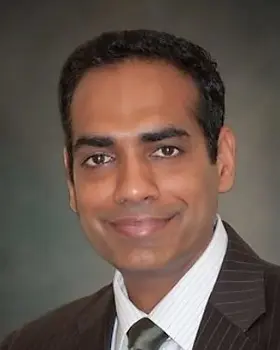
Charter Radiology LLC
Dr. Kathuria received his medical degree and completed his radiology residency training from Pt. B.D. Sharma Postgraduate Institute of Medical Sciences in India. To understand the impact of diseases, their prevention and cure at broad population level, he spent two years pursuing a masters in public health at University at Buffalo, SUNY. He then completed three fellowship trainings including diagnostic neuroradiology, interventional neuroradiology and advanced neuroimaging from University of Rochester, NY. He joined Johns Hopkins as a faculty member in April 2008. He went on to complete three fellowship trainings including diagnostic neuroradiology, interventional neuroradiology and advanced neuroimaging from University of Rochester, NY. He then served as a Johns Hopkins faculty member before leaving Johns Hopkins to work in a private practice. Dr. Kathuria has been recognized with awards including the 2010 Best Scientific Exhibit Award at the ASSR Annual Symposium for Percutaneous Technique in Approaching Anterior Epidural Space for Diagnosis and Therapeutic Interventions and a 2007 Certificate of Merit for diffusion tensor imaging and fiber tracking in Wallerian degeneration at the American Roentgen Ray Society Annual Meeting. Dr. Kathuria is rated as an Advanced provider by MediFind in the treatment of Vertigo. He is also highly rated in 27 other conditions, according to our data. His clinical expertise encompasses Herniated Disk, Scoliosis, Familial Porencephaly, Choroid Plexus Cyst, and Vertebroplasty. Dr. Kathuria is board certified in American Board Of Radiology.
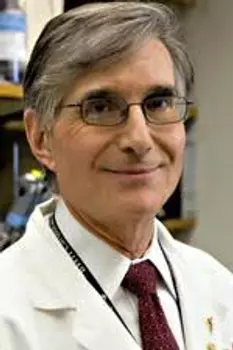
TidalHealth Peninsula Regional
Peter Libby is a Neuroradiologist practicing medicine in Salisbury, Maryland. Dr. Libby is rated as an Advanced provider by MediFind in the treatment of Vertigo. He is also highly rated in 73 other conditions, according to our data. His clinical expertise encompasses Stroke, Bronchogenic Cyst, Gallbladder Disease, Bone Graft, and Vertebroplasty.

The Johns Hopkins Hospital
Dr. Saber Tehrani is an Assistant Professor of Neurology at Johns Hopkins University School of Medicine. Dr. Saber Tehrani has unique subspecialty training in vascular neurology, neuro-ophthalmology, and vestibular neurology. He is available for consultation for patients with strokes affecting vision or balance. Research Summary Dr. Saber Tehrani’s research efforts are focused on posterior circulation stroke diagnosis and outcomes, and how such strokes can affect vision and balance. He is using novel ways to objectively measure abnormal eye movements indicative of stroke. Dr. Tehrani is rated as an Advanced provider by MediFind in the treatment of Vertigo. He is also highly rated in 2 other conditions, according to our data. His clinical expertise encompasses Vertigo, Stroke, Pica, Gastrostomy, and Stent Placement. Dr. Tehrani is board certified in American Board Of Psychiatry And Neurology.

The Johns Hopkins Hospital
A leading expert on brain injury, Dr. Daniel F. Hanley has been a professor of neurology, neurosurgery, and anesthesiology/critical care medicine at the Johns Hopkins University School of Medicine since 1996 and was named the Jeffrey and Harriet Legum Chair of Acute Care Neurology. Dr. Hanley founded and directed the Johns Hopkins Neurocritical Care Unit, one of the first critical care units dedicated solely to neurosurgical and neurological patients. Subsequently, in 1999, he founded and continues to direct the BIOS Clinical Trials Coordinating Center (BIOS CTCC), formerly known as the Division of Brain Injury Outcomes. Under Dr. Hanley’s leadership, BIOS CTCC, an academic contract research organization based at Johns Hopkins, has organized and completed more than 20 large clinical trials. He has been awarded over 70 clinical and basic research grants, predominantly from the National Institutes of Health and the FDA Orphan Products Grants Program. Dr. Hanley’s 40-year career in medicine has focused on clinical trial design, the organization and interpretation of drug and device trials, the development of strategic research plans, and FDA regulatory compliance. He has led international, NIH-sponsored trials including the MISTIE III and CLEAR III trials investigating minimally invasive neurosurgical techniques to treat hemorrhagic stroke. As principal investigator for the National Center for Advancing Translational Sciences (NCATS) Johns Hopkins Trial Innovation Center, Dr. Hanley leads collaborative efforts to advance education and therapeutics through innovative CTSA clinical trials. Currently, Dr. Hanley is the PI or multi-PI for several ongoing trials. These include a multisite phase 2/3 randomized controlled dementia prevention trial (MAP), a large multicenter clinical trial involving automated monitoring of atrial fibrillation (REACT AF), and a first-in-patient phase 2a biomarker and edema attenuation in intracerebral hemorrhage trial (BEACH). Dr. Hanley has published over 400 peer-reviewed articles and book chapters, received the Humboldt Research Prize for accomplishments in brain injury research, and mentored nearly 100 researchers. His trainees, which include a large number of trialists, have led 25 brain intensive care units, and over 40 have been named full professors, program leaders, or department chairs. He has served on public boards including the American Academy of Neurology, National Stroke Association, and NIH National Institute of Nursing Research. Dr. Hanley is rated as an Advanced provider by MediFind in the treatment of Vertigo. He is also highly rated in 5 other conditions, according to our data. His clinical expertise encompasses Stroke, Hydrocephalus, Vertigo, Thrombectomy, and Gastrostomy. Dr. Hanley is board certified in American Board Of Psychiatry And Neurology and American Board Of Internal Medicine.

Johns Hopkins Health Care & Surgery Center — Bethesda
Dr. Wade Chien is a fellowship-trained neuro-otologist who sees adults and children with complicated hearing and ear problems, including hearing loss; severe ear infections; vestibular schwannoma (Acoustic neuroma); and neoplasms of the ear and temporal bone. Please call 301-896-3346 for an appointment. Dr. Chien is rated as an Advanced provider by MediFind in the treatment of Vertigo. He is also highly rated in 11 other conditions, according to our data. His clinical expertise encompasses Hearing Loss, Infant Hearing Loss, Familial Deafness, and DFNB1. Dr. Chien is board certified in Head And Neck Surgery.

The Johns Hopkins Hospital
Dr. Julianna Czum’s primary focus is cardiothoracic imaging, with clinical subspecialties in noninvasive cardiovascular and thoracic imaging. Dr. Czum earned her medical degree from UMDNJ - Robert Wood Johnson Medical School before going on to an internship at Mary Imogene Bassett Hospital and residency at St. Barnabas Medical Center. She completed a fellowship in cardiovascular magnetic resonance in a combined Henry Jackson Foundation-funded program at the National Institutes of Health, National Naval Medical Center and Uniformed Services University of the Health Sciences. Dr. Czum joined the diagnostic faculty in June 2022. Dr. Czum is rated as an Advanced provider by MediFind in the treatment of Vertigo. She is also highly rated in 6 other conditions, according to our data. Her clinical expertise encompasses Pleurisy, ALK-Positive Non-Small Cell Lung Cancer, Chronic Cough, and Lung Nodules. Dr. Czum is board certified in American Board Of Radiology.
Last Updated: 04/28/2026