The 20 Best Cerebral Hypoxia Doctors Near Me in Baltimore, MD
Find the Top Cerebral Hypoxia Experts and Specialists

Johns Hopkins Outpatient Center
Jonathan Jun is a Pulmonary Medicine specialist and a Sleep Medicine provider practicing medicine in Baltimore, Maryland. Dr. Jun is rated as an Elite provider by MediFind in the treatment of Cerebral Hypoxia. He is also highly rated in 5 other conditions, according to our data. His clinical expertise encompasses Cerebral Hypoxia, Obstructive Sleep Apnea, Obesity Hypoventilation Syndrome (OHS), and Central Sleep Apnea. Dr. Jun is board certified in American Board Of Internal Medicine. Dr. Jun is currently accepting new patients.
Gregg Semenza is a Pediatrics provider practicing medicine in Baltimore, Maryland. Dr. Semenza is rated as an Elite provider by MediFind in the treatment of Cerebral Hypoxia. He is also highly rated in 2 other conditions, according to our data. His clinical expertise encompasses Cerebral Hypoxia, Pulmonary Hypertension, Hypertension, and Anemia.

Johns Hopkins Outpatient Center
Paul Hassoun is a Pulmonary Medicine provider practicing medicine in Baltimore, Maryland. Dr. Hassoun is rated as a Distinguished provider by MediFind in the treatment of Cerebral Hypoxia. He is also highly rated in 7 other conditions, according to our data. His clinical expertise encompasses Pulmonary Hypertension, Systemic Sclerosis (SSc), Cerebral Hypoxia, Pulmonary Veno-Occlusive Disease, and Lung Transplant. Dr. Hassoun is board certified in American Board Of Internal Medicine. Dr. Hassoun is currently accepting new patients.

Johns Hopkins Bayview Medical Center
Joseph Scafidi is a Pediatric Neurologist practicing medicine in Baltimore, Maryland. Dr. Scafidi is rated as a Distinguished provider by MediFind in the treatment of Cerebral Hypoxia. He is also highly rated in 3 other conditions, according to our data. His clinical expertise encompasses Cerebral Hypoxia, Benign Rolandic Epilepsy, Seizures, Epilepsy in Children, and Endovascular Embolization. Dr. Scafidi is board certified in American Board Of Psychiatry And Neurology. Dr. Scafidi is currently accepting new patients.

University Of Maryland Bel Air
Archana Sood is a primary care provider, practicing in Family Medicine in Bel Air, Maryland. Dr. Sood is rated as a Distinguished provider by MediFind in the treatment of Cerebral Hypoxia. She is also highly rated in 4 other conditions, according to our data. Her clinical expertise encompasses Cerebral Hypoxia, Nonsyndromic Hearing Loss, Vitamin B12 Deficiency, and Subacute Combined Degeneration. Dr. Sood is currently accepting new patients.
Frederick Medical & Pulmonary Assoc.
Phuong Ho is a Pulmonary Medicine provider practicing medicine in Frederick, Maryland. Dr. Ho is rated as a Distinguished provider by MediFind in the treatment of Cerebral Hypoxia. He is also highly rated in 13 other conditions, according to our data. His clinical expertise encompasses Lung Metastases, Chronic Obstructive Pulmonary Disease (COPD), Cerebral Hypoxia, and Emphysema. Dr. Ho is currently accepting new patients.
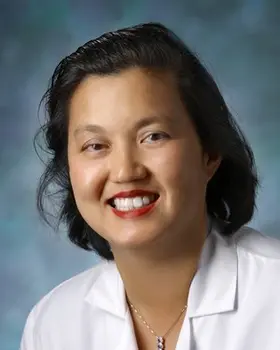
Johns Hopkins Community Physicians - Howard County, Columbia North
Alice Lee is a primary care provider, practicing in Pediatrics and Internal Medicine in Columbia, Maryland. Dr. Lee is rated as an Experienced provider by MediFind in the treatment of Cerebral Hypoxia. Her clinical expertise encompasses Cerebral Hypoxia, Familial Combined Hyperlipidemia, Xanthoma, and Cirrhosis. Dr. Lee is board certified in American Board Of Internal Medicine and American Board Of Pediatrics. Dr. Lee is currently accepting new patients.

Lifebridge Community Pulmonary
Surjit Julka is a Pulmonary Medicine provider practicing medicine in Pikesville, Maryland. Dr. Julka is rated as an Advanced provider by MediFind in the treatment of Cerebral Hypoxia. He is also highly rated in 15 other conditions, according to our data. His clinical expertise encompasses Asthma in Children, Chronic Obstructive Pulmonary Disease (COPD), Asthma, and Lung Metastases. Dr. Julka is board certified in The American Board Of Internal Medicine - Pulmonary Disease and The American Board Of Internal Medicine - Internal Medicine. Dr. Julka is currently accepting new patients.

Johns Hopkins Health Care & Surgery Center - Green Spring Station, Lutherville
Karthik Suresh is a Pulmonary Medicine specialist and an Oncologist practicing medicine in Lutherville, Maryland. Dr. Suresh is rated as an Advanced provider by MediFind in the treatment of Cerebral Hypoxia. He is also highly rated in 6 other conditions, according to our data. His clinical expertise encompasses Pneumonia, Interstitial Lung Disease, Acute Interstitial Pneumonia, and Pulmonary Hypertension. Dr. Suresh is board certified in American Board Of Internal Medicine. Dr. Suresh is currently accepting new patients.

The Johns Hopkins Hospital
William Checkley is a Pulmonary Medicine specialist and an Intensive Care Medicine provider practicing medicine in Baltimore, Maryland. Dr. Checkley is rated as an Advanced provider by MediFind in the treatment of Cerebral Hypoxia. He is also highly rated in 7 other conditions, according to our data. His clinical expertise encompasses Pneumonia, Chronic Obstructive Pulmonary Disease (COPD), Cerebral Hypoxia, and Asthma. Dr. Checkley is currently accepting new patients.

Johns Hopkins Bayview Medical Center
Theodore Iwashyna is a Pulmonary Medicine provider practicing medicine in Baltimore, Maryland. Dr. Iwashyna is rated as an Advanced provider by MediFind in the treatment of Cerebral Hypoxia. He is also highly rated in 6 other conditions, according to our data. His clinical expertise encompasses Acute Respiratory Distress Syndrome (ARDS), Severe Acute Respiratory Syndrome (SARS), Cerebral Hypoxia, and COVID-19. Dr. Iwashyna is board certified in American Board Of Internal Medicine. Dr. Iwashyna is currently accepting new patients.

Johns Hopkins Bayview Medical Center
Daniel Brodie is a Pulmonary Medicine specialist and an Intensive Care Medicine provider practicing medicine in Baltimore, Maryland. Dr. Brodie is rated as an Advanced provider by MediFind in the treatment of Cerebral Hypoxia. He is also highly rated in 8 other conditions, according to our data. His clinical expertise encompasses Acute Respiratory Distress Syndrome (ARDS), COVID-19, Respiratory Acidosis, Embolectomy, and Lung Transplant. Dr. Brodie is board certified in American Board Of Internal Medicine. Dr. Brodie is currently accepting new patients.

Johns Hopkins Health Care & Surgery Center - Green Spring Station, Lutherville
Todd Kolb is an Intensive Care Medicine specialist and a Pulmonary Medicine provider practicing medicine in Lutherville, Maryland. Dr. Kolb is rated as an Advanced provider by MediFind in the treatment of Cerebral Hypoxia. He is also highly rated in 4 other conditions, according to our data. His clinical expertise encompasses Pulmonary Hypertension, Systemic Sclerosis (SSc), Pulmonary Veno-Occlusive Disease, and Cerebral Hypoxia. Dr. Kolb is currently accepting new patients.

The Johns Hopkins Hospital
Mahendra Damarla is a Pulmonary Medicine provider practicing medicine in Baltimore, Maryland. Dr. Damarla is rated as an Advanced provider by MediFind in the treatment of Cerebral Hypoxia. He is also highly rated in 2 other conditions, according to our data. His clinical expertise encompasses Cerebral Hypoxia, Pulmonary Hypertension, Acute Respiratory Distress Syndrome (ARDS), and Pneumonia. Dr. Damarla is board certified in American Board Of Internal Medicine. Dr. Damarla is currently accepting new patients.

Howard County Center For Lung And Sleep Medicine
Edward Schaefer is a Pulmonary Medicine specialist and a Sleep Medicine provider practicing medicine in Columbia, Maryland. Dr. Schaefer is rated as an Advanced provider by MediFind in the treatment of Cerebral Hypoxia. He is also highly rated in 8 other conditions, according to our data. His clinical expertise encompasses Obstructive Sleep Apnea, Cerebral Hypoxia, Lung Metastases, and Chronic Obstructive Pulmonary Disease (COPD). Dr. Schaefer is board certified in American Board Of Internal Medicine. Dr. Schaefer is currently accepting new patients.

Johns Hopkins Bayview Medical Center
Frances Northington is a Neonatologist practicing medicine in Baltimore, Maryland. Dr. Northington is rated as an Advanced provider by MediFind in the treatment of Cerebral Hypoxia. She is also highly rated in 5 other conditions, according to our data. Her clinical expertise encompasses Hypothermia, Intraventricular Hemorrhage of the Newborn, Premature Infant, and Cerebral Hypoxia. Dr. Northington is board certified in American Board Of Pediatrics. Dr. Northington is currently accepting new patients.

The Johns Hopkins Hospital
Jochen Steppan is a Pediatrics provider practicing medicine in Baltimore, Maryland. Dr. Steppan is rated as an Advanced provider by MediFind in the treatment of Cerebral Hypoxia. He is also highly rated in 3 other conditions, according to our data. His clinical expertise encompasses Pulmonary Hypertension, Hypertension, Cerebral Hypoxia, and Heart Failure with Preserved Ejection Fraction (HFpEF). Dr. Steppan is board certified in American Board Of Anesthesiology. Dr. Steppan is currently accepting new patients.

Johns Hopkins Bayview Medical Center
Ashraf Fawzy is a Pulmonary Medicine provider practicing medicine in Baltimore, Maryland. Dr. Fawzy is rated as an Advanced provider by MediFind in the treatment of Cerebral Hypoxia. He is also highly rated in 3 other conditions, according to our data. His clinical expertise encompasses Chronic Obstructive Pulmonary Disease (COPD), Cerebral Hypoxia, Emphysema, and Bronchitis. Dr. Fawzy is board certified in American Board Of Internal Medicine. Dr. Fawzy is currently accepting new patients.

Johns Hopkins Howard County Medical Center
Kala Davis is a Pulmonary Medicine provider practicing medicine in Columbia, Maryland. Dr. Davis is rated as an Advanced provider by MediFind in the treatment of Cerebral Hypoxia. She is also highly rated in 13 other conditions, according to our data. Her clinical expertise encompasses Lung Metastases, Chronic Obstructive Pulmonary Disease (COPD), Lung Adenocarcinoma, EGFR Positive Lung Cancer, and Advanced Bronchoscopy. Dr. Davis is board certified in The American Board Of Internal Medicine - Pulmonary Disease, The American Board Of Internal Medicine - Sleep Medicine, American Board Of Internal Medicine, The American Board Of Internal Medicine - Internal Medicine, and The American Board Of Internal Medicine - Critical Care Medicine. Dr. Davis is currently accepting new patients.

The Johns Hopkins Hospital
Roy Brower is a Pulmonary Medicine provider practicing medicine in Baltimore, Maryland. Dr. Brower is rated as an Advanced provider by MediFind in the treatment of Cerebral Hypoxia. He is also highly rated in 4 other conditions, according to our data. His clinical expertise encompasses Acute Respiratory Distress Syndrome (ARDS), Cerebral Hypoxia, Acute Interstitial Pneumonia, Lung Transplant, and Gastrostomy. Dr. Brower is board certified in American Board Of Internal Medicine. Dr. Brower is currently accepting new patients.
Last Updated: 09/19/2026