MediFind found 64 doctor with experience in Hereditary Ataxia near Baltimore, MD. Of these, 52 are Experienced, 7 are Advanced and 5 are Distinguished.
Johns Hopkins Outpatient Center
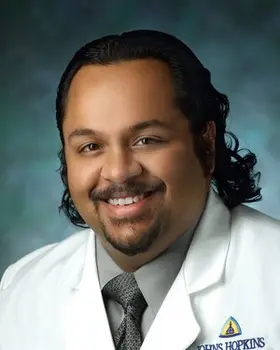
Dr. Ankur Butala specializes in the care of persons with complex neuropsychiatric conditions, including persons with advanced Parkinson Disease or other movement or neurodegenerative disorders. Upon graduating from a selective Physician-Scientist program at Albany Medical College, he joined the University of Massachusetts in an uncommon residency in both Neurology and Psychiatry. Dual-trained neuropsychiatrists such as Dr. Butala have experience with: Parkinson Disease and atypical Parkinsonism, Huntington Disease, Ataxia, Dystonia, early-onset dementia, traumatic brain injury and chronic traumatic encephalopathy, autism spectrum disorders, medication refractory mood and psychotic disorders, epilepsy and functional neurological disorders. In residency, he developed an interest in circuit models of brain function and how non-pharmacological approaches such as Neuromodulation and brain stimulation may be used to address treatment-resistant conditions. Consequently, he joined Johns Hopkins University School of Medicine as a Clinical and Research Fellow from 2015 to 2018, where he developed a skill set including deep brain stimulation, non-invasive brain stimulation (tDCS), and measurement of eye movements. Currently, Dr. Butala's clinical and research interests are in diagnosing and managing persons with advanced Parkinson's Disease, movement disorders, and neuropsychiatric conditions using neuromodulation, cannabinoids, and entheogens. He has ongoing multidisciplinary collaborations with colleagues at the Whiting School of Engineering - Center of Speech & Language Processing in using Machine-Learning Models and Artificial Intelligence to improve the detection and diagnosis of Movement and Neuropsychiatric disorders. LinkedIn https://www.linkedin.com/in/ankurbutalamd Videos Neurology: Junior Faculty Spotlight. Dr. Butala is rated as a Distinguished provider by MediFind in the treatment of Hereditary Ataxia. His top areas of expertise are Parkinson's Disease, Corticobasal Degeneration, Movement Disorders, Drug Induced Dyskinesia, and Deep Brain Stimulation.
Johns Hopkins Outpatient Center
As the director of the Johns Hopkins Movement Disorders Division, Dr. Kelly Mills cares for patients who have movement disorders such as Parkinson’s disease, atypical parkinsonism, dystonia, ataxia, tremor and Huntington’s disease. He also evaluates and manages patients needing deep brain stimulation to manage their movement symptoms and provides botulinum toxin treatment for various disorders. In his research, Dr. Mills explores the cognitive dysfunction that can occur in movement disorders such as Parkinson’s disease. He is particularly interested in describing the role of the basal ganglia in cognition, especially in the context of various diseases that can affect this structure. His work focuses on clarifying how certain treatments might impact cognitive and psychiatric problems. For instance, Dr. Mills studies how deep brain stimulation, when used to treat movement symptoms, can impact cognitive function such as attention, memory or impulsivity. Dr. Mills is a Maryland native and a graduate of the University of Maryland School of Medicine, where he developed an interest in neurology and movement disorders. He trained at the University of California, San Francisco, where he completed his neurology residency as well as a clinical and research fellowship in movement disorders, with a particular emphasis on deep brain stimulation to treat Parkinson’s disease, tremor and dystonia. Dr. Mills is rated as a Distinguished provider by MediFind in the treatment of Hereditary Ataxia. His top areas of expertise are Movement Disorders, Parkinson's Disease, Essential Tremor, and Drug Induced Dyskinesia.
Johns Hopkins Outpatient Center
Dr. Ricardo Roda earned a combined MD/PhD degree from University of Rochester and completed an adult neurology residency, followed by a clinical neuromuscular fellowship at Johns Hopkins University School of Medicine. During residency, Dr. Roda developed a special interest in both auto-immune disorders and genetic disorders. Following residency, he spent three years in neurogenetics branch of National Institute of Neurological Disorders and Stroke (NINDS) working with Dr. Craig Blackstone, focusing on the use of the newer DNA sequencing techniques in genetic diagnosis, and in establishing genotype/phenotype correlations neuromuscular disorders. His current clinical interests include developing testing strategies for undiagnosed genetic disorders and myasthenia gravis. Dr. Roda is rated as a Distinguished provider by MediFind in the treatment of Hereditary Ataxia. His top areas of expertise are Spastic Paraplegia Type 7, Hereditary Spastic Paraparesis, Myasthenia Gravis, and Spastic Paraplegia Type 2.
Johns Hopkins Outpatient Center
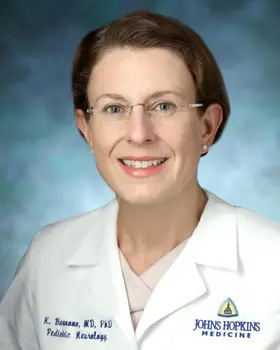
Dr. Barañano earned her M.D. and Ph.D. degrees from the Johns Hopkins University School of Medicine, where she also completed residencies in pediatrics and neurology, along with a fellowship in neurogenetics at the Kennedy Krieger Institute. Dr. Barañano is an Associate Professor of Clinical Neurology. She specializes in the diagnosis and management of rare neurogenetic disorders. She has a particular interest in the genetic control and function of the cerebellum and expertise in childhood-onset and inherited ataxias. She is a member of the multidisciplinary Fetal Management group and is available for prenatal consultations. Dr. Barañano's research includes collaborative efforts with the Johns Hopkins Department of Genetic Medicine and the Division of Neurogenetics at the Kennedy Krieger Institute. Dr. Baranano is rated as an Advanced provider by MediFind in the treatment of Hereditary Ataxia. Her top areas of expertise are Hypotonia, Ohdo Syndrome, Say-Barber-Biesecker-Young-Simpson Variant, Focal or Multifocal Malformations in Neuronal Migration, and Hereditary Ataxia.
Johns Hopkins Outpatient Center
Dr. Kheradmand is an Associate Professor of Neurology and Otolaryngology-Head and Neck Surgery, and specializes in vertigo, dizziness, imbalance, and disorders of eye movements. Dr. Kheradmand's research combines normal human neurophysiology and investigations in patients with disorders such as ocular misalignment, abnormal eye movements, nystagmus, and vestibular dysfunction. A special focus has been on understanding the mechanisms of spatial disorientation, and how their deleterious effects can be ameliorated. This work is translational, with an iterative process between the clinic and the laboratory with the goal of developing more accurate clinical diagnosis and better modes of treatment. Videos Vestibular Neuritis - Angela's Story Recent News Articles and Media Coverage He Got Dizzy and Sick When He Turned His Head. Why? New York Times (Nov. 7, 2025). Dr. Kheradmand is rated as an Advanced provider by MediFind in the treatment of Hereditary Ataxia. His top areas of expertise are Hereditary Ataxia and Vertigo.
Johns Hopkins Outpatient Center
Dr. Moukheiber trained in neurology at Tufts Medical Center and completed his fellowship in movement disorders at Johns Hopkins. His primary interests include using telehealth/teleneurology to help bridge the gap between tertiary care available in well-funded facilities and the dearth of it in significantly underserved and remote areas; especially pertaining to movement disorders in general and ataxia in particular. He has worked with a number of non-government organizations and founded his own entity that provides home health care in the form of advanced nursing, physical therapy and occupational therapy to underserved communities in third world countries, with particular emphasis on neurodegenerative diseases. Dr. Moukheiber is rated as an Advanced provider by MediFind in the treatment of Hereditary Ataxia. His top areas of expertise are Stiff Person Syndrome, Movement Disorders, Parkinson's Disease, and Drug Induced Dyskinesia.
Johns Hopkins Outpatient Center
With fellowship training in neuro-ophthalmology and additional training in neuro-vestibular disorders, Dr. Daniel Gold sees patients with neuro-ophthalmic disorders (affecting vision, eyelids, pupils, or causing nystagmus or double vision) in addition to oto-neurologic disorders (causing dizziness and vertigo). Videos 2018 Best Consulting Physician Award Tele-(Dizzy) Medicine. Dr. Gold is rated as an Advanced provider by MediFind in the treatment of Hereditary Ataxia. His top areas of expertise are Vertigo, Benign Paroxysmal Positional Vertigo, Brown Syndrome, and Stiff Person Syndrome.
Johns Hopkins Outpatient Center
Dr. Alexander Pantelyat cares for patients with movement disorders such as Parkinson's disease and related syndromes, essential tremor, dystonia, chorea and normal pressure hydrocephalus. He also provides botulinum toxin injections for movement disorders and is involved in deep brain stimulation programming and intraoperative neurophysiological monitoring.His research explores atypical parkinsonian disorders, such as dementia with Lewy bodies, progressive supranuclear palsy, corticobasal syndrome/degeneration and multiple system atrophy; cognitive aspects of movement disorders; and music-based rehabilitation of neurodegenerative diseases.Dr. Pantelyat earned his medical degree from Temple University School of Medicine in Philadelphia, where he was elected a member of the Alpha Omega Alpha Honor Medical Society and received the Matthew T. Moore Prize in Neurology. He completed his residency training in Neurology at the University of Pennsylvania in Philadelphia, and a fellowship in movement disorders at the University of Pennsylvania/Philadelphia VA Medical Center. As part of his fellowship, Dr. Pantelyat also completed the Clinical Research Certificate Program at the Center for Clinical Epidemiology and Biostatistics. He is a 2013 American Academy of Neurology Palatucci Advocacy Leader and grant recipient. Dr. Pantelyat is rated as an Experienced provider by MediFind in the treatment of Hereditary Ataxia. His top areas of expertise are Progressive Supranuclear Palsy, Progressive Supranuclear Palsy Atypical, Supranuclear Ophthalmoplegia, and Corticobasal Degeneration.
Johns Hopkins Outpatient Center
Neurologist Ashley Paul specializes in movement disorders and also serves as a clinician educator. Dr. Paul has expertise in Parkinson's Disease, atypical parkinsonism, tremors, chorea, dystonia, ataxia, restless leg syndrome, rapid eye movement sleep behavioral disorders, periodic limb movement of sleep and deep brain stimulation. She offers botulinum toxin injections for the treatment of dystonia. Dr. Paul is rated as an Experienced provider by MediFind in the treatment of Hereditary Ataxia. Her top areas of expertise are Movement Disorders, Drug Induced Dyskinesia, Hereditary Ataxia, and Acute Cerebellar Ataxia.
Johns Hopkins Outpatient Center
Neurologist Scott Newsome specializes in the care of patients with neuroimmunological and neuroinflammatory disorders of the central nervous system. He works within the Division of Neuroimmunology and Neurological Infections at The Johns Hopkins Hospital, and has special interest in evaluating and treating patients with multiple sclerosis, transverse myelitis, neuromyelitis optica and stiff person syndrome. After completing fellowship training, Dr. Newsome joined the Johns Hopkins Multiple Sclerosis and Transverse Myelitis Centers, and he is the director of the Johns Hopkins Neurosciences Consultation and Infusion Center and the Stiff Person Syndrome Center. He is also director of the Johns Hopkins Neuroimmunology and Neurological Infectious Disease Fellowship Program and co-director of the Multiple Sclerosis Experimental Therapeutics Program. Dr. Newsome received his medical degree from the New York College of Osteopathic Medicine, with honors. During his neurology residency, he was awarded the Golden Apple Outstanding Resident Teaching Award, and later was chosen to be chief resident. He subsequently completed a fellowship in neuroimmunology at The Johns Hopkins Hospital with the support of a Sylvia Lawry Physician Fellowship Award from the National Multiple Sclerosis Society. Identifying and testing novel therapies and therapeutic strategies for multiple sclerosis and other neuroimmunological disorders is Dr. Newsome’s main research focus. Other research endeavors include validating the use of new quantitative clinical outcome measures and imaging techniques in multiple sclerosis and identifying risk factors of disease onset and severity, response to treatment and long-term outcomes in neuroimmunological disorders. An adviser for the National Multiple Sclerosis Society and a member of the Miller-Coulson Academy of Clinical Excellence, Dr. Newsome has also served as president of the Consortium of Multiple Sclerosis Centers. Dr. Newsome is rated as an Experienced provider by MediFind in the treatment of Hereditary Ataxia. His top areas of expertise are Stiff Person Syndrome, Multiple Sclerosis (MS), Transverse Myelitis, and Relapsing Multiple Sclerosis (RMS).
Johns Hopkins Outpatient Center
Dr. Jee Bang cares for patients with disorders of cognition and movement, such as Huntington disease, progressive supranuclear palsy, corticobasal degeneration, multiple system atrophy, dementia with Lewy bodies, frontotemporal dementia, and Alzheimer disease. Dr. Bang is rated as an Experienced provider by MediFind in the treatment of Hereditary Ataxia. Her top areas of expertise are Huntington Disease, Mcleod Neuroacanthocytosis Syndrome, Supranuclear Ocular Palsy, and Progressive Supranuclear Palsy.
Johns Hopkins Outpatient Center
Dr. Probasco is a professor at the Johns Hopkins University School of Medicine Department of Neurology. He is the Vice Chair for Quality, Safety, and Service for the department. He also serves as the Director of the Johns Hopkins Division of Advanced Clinical Neurology as well as the Medical Director of the Johns Hopkins Inpatient General Neurology Service. He co-directs the Johns Hopkins Encephalitis Center and the Johns Hopkins Center for Refractory Status Epilepticus and Neuroinflammation. He cares for general neurology inpatients and outpatients, specializing in autoimmune and paraneoplastic syndromes as well as neurological immune-related adverse events following immunotherapies for cancer. After completing his undergraduate studies in biochemistry at the University of New Mexico, Dr. Probasco attended the University of Oxford as a Rhodes Scholar and earned a second undergraduate degree in psychology, philosophy and physiology. He went on to earn his medical degree at the University of California, San Francisco. He completed an internship in internal medicine at Johns Hopkins Bayview Medical Center and a residency in neurology at Johns Hopkins, where he was the faculty liaison/executive chief resident. He went on to complete an instructorship in inpatient general neurology at Johns Hopkins. Dr. Probasco’s research interests include increasing care value through improving outcomes, incorporation of patient experience of disease and treatment, the efficiency of care delivery, and diagnostic test utilization in general and specifically in relation to autoimmune and paraneoplastic neurological syndromes, including encephalitis. Finally, he is interested in the management of neurological immune-related adverse events following immunotherapies for the treatment of cancer. Dr. Probasco has been recognized at the departmental, institutional, and national levels for teaching and clinical excellence, including the American Academy of Neurology’s A.B. Baker Teacher Recognition Award and the Frank L. Coulson, Jr. Award from the Johns Hopkins Medicine Miller-Coulson Academy of Clinical Excellence. He is a past graduate of the Johns Hopkins Armstrong Institute Resident Scholars (AIRS) program in Patient Safety and Quality. As a faculty member, he was inducted into the Miller-Coulson Academy of Clinical Excellence in 2019. He serves as Editor-in-Chief of NEJM Journal Watch Neurology. Videos The impact of COVID-19 on the Department of Neurology‚Äôs clinical care and medical education programs. Dr. Probasco is rated as an Experienced provider by MediFind in the treatment of Hereditary Ataxia. His top areas of expertise are Encephalitis, Anti-NMDA Receptor Encephalitis, Status Epilepticus, Creutzfeldt-Jakob Disease, and Gastrostomy.
The Johns Hopkins Hospital
Dr. R. Samuel Mayer is an associate professor of physical medicine and rehabilitation at the Johns Hopkins University School of Medicine. His clinical interests include complications of critical illness, spine disorders, pain management, disorders of muscle tone and cancer rehabilitation. Dr. Mayer serves as the director of cancer rehabilitation, director of undergraduate medical education and residency program director for the Department of Physical Medicine and Rehabilitation. He graduated from the honors program in medical education at Northwestern University School of Medicine and completed his residency in physical medicine and rehabilitation at Rush Medical College. He was chair of the Committee on Medical Education for the American Medical Student Association while he was a medical student. After completing his residency, he remained on faculty at Rush Medical College, eventually becoming the residency program director and acting chair of the Department of Physical Medicine and Rehabilitation. He joined the Department of Physical Medicine and Rehabilitation at Johns Hopkins in 2001. Dr. Mayer serves as director of the Medical Student Summer Clinical Experience in Physical Medicine and Rehabilitation for the Association of Academic Physiatrists. He is Editor in Chief of Knowledge NOW, the American Academy of Physical Medicine and Rehabilitation's online encyclopedia of the field. In 2014, he was named Distinguished Clinician by the American Academy of Physical Medicine and Rehabilitation. Dr. Mayer is rated as an Experienced provider by MediFind in the treatment of Hereditary Ataxia. His top areas of expertise are Pediatric Low-Grade Glioma (pLGG), Hemiplegia, Guillain-Barre Syndrome, and Miller-Fisher Syndrome.
Johns Hopkins Outpatient Center
"David Rastall is a physician scientist and fellowship-trained neurologist specializing in neuro-visual and vestibular disorders. He diagnoses and treats patients with eye movement disorders and dizziness resulting from ataxia, cerebellar damage, brainstem damage, or peripheral vestibular lesions, with symptoms including vertigo, nystagmus, oscillopsia, diplopia and dizziness. Dr. Rastall helped develop and participates in the teledizzy initiative, a transformative approach to medicine incorporating data science and cutting-edge technologies including artificial intelligence, machine learning and counterfactual analysis to efficiently pair dizzy patients with emergencies at remote locations with world-leading Johns Hopkins vestibular neurologists. Among the procedures he offers are video-oculography, video head impulse test, quantitative sensory and motor testing for ocular alignment, photo funds evaluation and video ocular counter-roll evaluation. Dr. Rastall obtained his doctorate in osteopathic medicine from Michigan State University College of Osteopathic Medicine, where he remained for residency training in neurology and ophthalmology. He underwent fellowship training in vestibular and ocular motor oto-neurology at the Johns Hopkins University School of Medicine. Dr. Rastall’s research interests include developing machine learning and artificial intelligence approaches to increase diagnostic accuracy of eye movement disorders, chronic dizziness, and neurodegenerative disorders; developing medical “spy-ware"" to allow passive, interaction-free longitudinal patient measurements; and creation of an eye movement and behavioral “behaviorome"" in healthy aging and neurodegeneration. He is also interested in ocular motor phenotyping of healthy aging, neurodegeneration and cerebellar disease.". Dr. Rastall is rated as an Experienced provider by MediFind in the treatment of Hereditary Ataxia. His top areas of expertise are Primary Lateral Sclerosis, Amyotrophic Lateral Sclerosis (ALS or Lou Gehrig's Disease), and Hereditary Ataxia.
Johns Hopkins Outpatient Center
Dr. Charlotte Sumner is a Professor of Neurology and Neuroscience at Johns Hopkins University School of Medicine. Dr. Sumner cares for patients with genetically-mediated neuromuscular diseases. Her practice is notable for a focus on individuals with inherited neuromuscular disorders of peripheral nerves and motor neurons, including spinal muscular atrophy (SMA) and Charcot-Marie-Tooth (CMT) disease. She co-directs the Johns Hopkins Muscular Dystrophy Association Care Center, the Spinal Muscular Atrophy (SMA), and the Charcot-Marie-Tooth (CMT) clinics, which deliver multidisciplinary clinical care, engage in international natural history studies, and provide cutting edge therapeutics. Dr. Sumner’s research focuses on developing treatments for degenerative disorders of motor neurons and peripheral nerves. Her laboratory uses human tissues and induced pluripotent cell lines, mouse models and cultured cells to characterize disease mechanisms and develop treatments. Dr. Charlotte Sumner received her medical degree from the University of Pennsylvania School of Medicine following undergraduate studies at Princeton University. She completed internal medicine internship and neurology residency at the University of California San Francisco, after which she returned to the east coast for a neuromuscular fellowship at Johns Hopkins and a neurogenetics fellowship in the Neurogenetics Branch at the National Institute of Neurological Disorders and Stroke. She joined the neurology faculty at Johns Hopkins in 2006. Dr. Sumner is rated as an Experienced provider by MediFind in the treatment of Hereditary Ataxia. Her top areas of expertise are Spinal Muscular Atrophy (SMA), Charcot-Marie-Tooth Disease, Primary Lateral Sclerosis, Spinal Muscular Atrophy Type 2, and Gastrostomy.
Johns Hopkins Outpatient Center
Dr. Tom Crawford has been a member of the Department of Neurology since 1987. He is co-director of the MDA clinic for Neuromuscular Disorders and Neurologist for the Ataxia Telangiectasia Clinical Center at Johns Hopkins. His practice involves general child neurology with a principal interest in caring for children with neuromuscular, neuromotor, and ataxic disorders. Primary research interests involve the basic science and clinical characterization of two important neurologic disorders that affect children: Spinal Muscular Atrophy and Ataxia Telangiectasia. He is also actively involved in the Biology of neurofilaments by characterization of transgenic animal models. He is on the Medical and Scientific Advisory Boards of Families of Spinal Muscular Atrophy, and the Medical Advisory Committee for the Muscular Dystrophy Association. He is the Neurologist for the Ataxia Telangiectasia Clinical Center at Johns Hopkins, which has evaluated almost half of the known patients with this disorder in the United States. Additional specific clinical interests include evaluation and treatment of children with brachial plexus palsies. Dr. Crawford received his medical degree from the University of Southern California. He completed a pediatric internship and residency at the Pediatric Pavilion of the Los Angeles County / University of Southern California Medical Center, followed by a pediatric chief residency. He completed his training in Neurology with Special Qualification in Child Neurology at the Los Angeles Childrens Hospital. He then traveled east to the laboratory of Dr John Griffin at Johns Hopkins for a fellowship in Neuromuscular Disorders. Prior to medical training and Neurology residency, he majored in Psychology and Religion at Yale College. Dr. Crawford has published extensively and presented nationally and internationally. He has an active role in teaching medical students and residents in neurology. In addition, Dr. Crawford has special interest and experience in EMG studies of children and adults. Dr. Crawford is rated as an Experienced provider by MediFind in the treatment of Hereditary Ataxia. His top areas of expertise are Primary Lateral Sclerosis, Spinal Muscular Atrophy (SMA), Ataxia-Telangiectasia, and Spinal Muscular Atrophy Type 2.
Rubenstein Child Health Building
Dr. Hilary Vernon is a Professor of Genetic Medicine and pediatrics at the Johns Hopkins University School of Medicine. She is also an attending physician at Kennedy Krieger Institute. Hilary Vernon has expertise in treating inborn errors of metabolism and mitochondrial disorders. She is the director of the Mitochondrial Care Center at The Johns Hopkins Hospital and the Barth Syndrome Interdisciplinary Clinic at the Kennedy Krieger Institute. Her research interests include understanding intermediary metabolism in Barth syndrome and in disorders of branch chain amino acid metabolism. Dr. Vernon also co-directs the Department of Genetic Medicine Clinical Trials Unit, and is the principal investigator on multiple clinical trials for rare diseases. Dr. Vernon received her medical degree and doctorate from Rutgers University, New Brunswick, New Jersey. She completed residencies in genetics and pediatrics at The Johns Hopkins University, and a fellowship in clinical laboratory biochemical genetics at The Johns Hopkins University. Dr. Vernon was recognized with the 2010 Francis F. Schwentker Award for Excellence in Research at Johns Hopkins University and the 2011 James B. Sidbury Jr. Fellowship in Biochemical Genetics at Johns Hopkins University. Dr. Vernon is rated as an Experienced provider by MediFind in the treatment of Hereditary Ataxia. Her top areas of expertise are Methylmalonic Acidemia, Propionic Acidemia, Infantile Neutropenia, Progressive External Ophthalmoplegia, and Gastrostomy.
Rubenstein Child Health Building
Dr. Ada Hamosh is the Dr. Frank V. Sutland Professor of Pediatric Genetics in the Departments of Genetic Medicine and Pediatrics. Since 2002, she has served as clinical director of the McKusick-Nathans Institute of Genetic Medicine, now Department of Genetic Medicine and scientific director of the Online Mendelian Inheritance in Man® (OMIM), a catalog of more than 16,800 human genes and genetic disorders created by Dr. Victor A. McKusick. Her research centers the molecular basis of Mendelian disorders, the integration of genetics into clinical practice and the diagnosis and management of inborn errors of metabolism. Dr. Hamosh earned a bachelor’s degree in biology from Wesleyan University, a medical degree from Georgetown University School of Medicine and a master’s of public health from Johns Hopkins University School of Public Health. She later completed a fellowship in medical and biochemical genetics from the Johns Hopkins School of Medicine, before joining the Johns Hopkins faculty in 1992. Dr. Hamosh began her genetics career focusing on cystic fibrosis, serving as coordinator of the International Cystic Fibrosis Genotype-Phenotype Consortium. She served as chair of the Maryland State Advisory Council for Hereditary & Congenital Disorders from 2001-2009, during which time she also served on the executive committee of the Genetic Counseling Training Program, run by Johns Hopkins University and the National Human Genome Research Institute. Dr. Hamosh has authored more than 128 publications on a variety of topics. In addition, she is a member of 16 professional associations and advisory committees including the American Society of Human Genetics, the Steering Committee of the Global Alliance for Genomics and Health, and the executive board of the Human Genome Organization, of which she will be President from 2023-2025. Dr. Hamosh was recognized in Baltimore magazine as one of the region’s top doctors in 2013, and 2016-2020. Dr. Hamosh is rated as an Experienced provider by MediFind in the treatment of Hereditary Ataxia. Her top areas of expertise are Methylmalonic Acidemia, Maple Syrup Urine Disease, Ornithine Transcarbamylase Deficiency, Phenylketonuria (PKU), and Deep Brain Stimulation.
Johns Hopkins Outpatient Center
Dr. Ranjit Abraham Varghese is an assistant professor of orthopaedic surgery at the Johns Hopkins University School of Medicine. He is a specialist in pediatric orthopaedics. He focuses on the treatment of cerebral palsy, neuromuscular disorders, andpediatric hip and foot disorders. Dr. Varghese earned his medical degree from Kasturba Medical College of Manipal University in Mangalore India, where he also did his residency. He later earned a master’s degree in health science and clinical epidemiology at the University of British Columbia, Canada. He completed fellowships in pediatric orthopaedics at the University of British Columbia and the University of Minnesota. He also completed a combined orthopedics oncology fellowship at Harvard Medical School, Massachusetts General Hospital, Beth Israel Deaconess Medical Center and Boston Children’s Hospital. He serves as medical director of the Ortho-Cerebral Palsy Program at the Kennedy Krieger Institute. His research interests include cerebral palsy, hip disorders and outcome evaluations. Dr. Varghese is rated as an Experienced provider by MediFind in the treatment of Hereditary Ataxia. His top areas of expertise are Spastic Diplegia Infantile Type, Slipped Capital Femoral Epiphysis, Koolen De Vries Syndrome, and Wildervanck Syndrome.
Johns Hopkins Outpatient Center
Dr. Pardo's interest in transverse myelitis centers on management of acute myelitis, biomarkers of the disease in cerebrospinal fluid (CSF) and blood, and the role of neuroimmune factors in the pathogenesis of myelopathies. Along with others neurologists and health care providers in the Johns Hopkins Transverse Myelitis Center, Dr. Pardo focuses on a comprehensive approach in the diagnosis and management of myelopathies, myelitis, neuroimmunological and neuroinfectious disorders. Dr. Pardo is rated as an Experienced provider by MediFind in the treatment of Hereditary Ataxia. His top areas of expertise are Acute Flaccid Myelitis (AFM), Neurosarcoidosis, Transverse Myelitis, Zika Virus Disease, and Gastrostomy.
Last Updated: 01/09/2026