The 20 Best Secondary Parkinsonism Doctors Near Me in Baltimore, MD
Find the Top Secondary Parkinsonism Experts and Specialists
Neurology Care Center
Joseph Savitt is a Neurologist practicing medicine in Baltimore, Maryland. Dr. Savitt is rated as a Distinguished provider by MediFind in the treatment of Secondary Parkinsonism. He is also highly rated in 42 other conditions, according to our data. His clinical expertise encompasses Parkinson's Disease, Movement Disorders, Progressive Supranuclear Palsy Atypical, Progressive Supranuclear Palsy, and Gastrostomy. Dr. Savitt is board certified in American Board Of Psychiatry And Neurology - Neurology, 2002. Dr. Savitt is currently accepting new patients.

Johns Hopkins Outpatient Center
Jason Chua is a Psychiatrist and a Neurologist practicing medicine in Baltimore, Maryland. Dr. Chua is rated as an Experienced provider by MediFind in the treatment of Secondary Parkinsonism. He is also highly rated in 5 other conditions, according to our data. His clinical expertise encompasses Primary Lateral Sclerosis, Parkinson's Disease, Movement Disorders, and Camptocormism. Dr. Chua is board certified in American Board Of Psychiatry And Neurology. Dr. Chua is currently accepting new patients.
Neurology Care Center
Paul Fishman is a Neurologist practicing medicine in Baltimore, Maryland. Dr. Fishman is rated as an Advanced provider by MediFind in the treatment of Secondary Parkinsonism. He is also highly rated in 15 other conditions, according to our data. His clinical expertise encompasses Essential Tremor, Movement Disorders, Parkinson's Disease, Drug Induced Dyskinesia, and Thalamotomy. Dr. Fishman is board certified in American Board Of Psychiatry And Neurology - Neurology, 1983. Dr. Fishman is currently accepting new patients.
Neurology Care Center
Stephen Reich is a Neurologist practicing medicine in Baltimore, Maryland. Dr. Reich is rated as an Advanced provider by MediFind in the treatment of Secondary Parkinsonism. He is also highly rated in 30 other conditions, according to our data. His clinical expertise encompasses Movement Disorders, Parkinson's Disease, Supranuclear Ophthalmoplegia, Deep Brain Stimulation, and Gastrostomy. Dr. Reich is board certified in American Board Of Psychiatry And Neurology - Neurology, 1989. Dr. Reich is currently accepting new patients.
Neurology Care Center
Friedrich Von Coelln is a Neurologist practicing medicine in Baltimore, Maryland. Dr. Von Coelln is rated as an Advanced provider by MediFind in the treatment of Secondary Parkinsonism. He is also highly rated in 15 other conditions, according to our data. His clinical expertise encompasses Parkinson's Disease, Movement Disorders, Essential Tremor, Lewy Body Dementia (LBD), and Gastrostomy. Dr. Von Coelln is board certified in American Board Of Psychiatry And Neurology - Neurology, 2014. Dr. Von Coelln is currently accepting new patients.
Neurology Care Center
Lisa Shulman is a Neurologist practicing medicine in Baltimore, Maryland. Dr. Shulman is rated as an Advanced provider by MediFind in the treatment of Secondary Parkinsonism. She is also highly rated in 9 other conditions, according to our data. Her clinical expertise encompasses Parkinson's Disease, Movement Disorders, Drug Induced Dyskinesia, and Benign Essential Blepharospasm. Dr. Shulman is board certified in American Board Of Psychiatry And Neurology - Neurology, 1994. Dr. Shulman is currently accepting new patients.

University Of Maryland Medical Center
John Lynch is a primary care provider, practicing in Internal Medicine in Baltimore, Maryland. Dr. Lynch is rated as an Experienced provider by MediFind in the treatment of Secondary Parkinsonism. He is also highly rated in 2 other conditions, according to our data. His clinical expertise encompasses Stroke, Guillain-Barre Syndrome, Miller-Fisher Syndrome, Chronic Polyradiculoneuritis, and Thrombectomy. Dr. Lynch is board certified in American Board Of Internal Medicine - Internal Medicine, 1987. Dr. Lynch is currently accepting new patients.

UMMC Midtown Campus
Tariq Mahmood is a primary care provider, practicing in Internal Medicine in Baltimore, Maryland. Dr. Mahmood is rated as an Experienced provider by MediFind in the treatment of Secondary Parkinsonism. He is also highly rated in 22 other conditions, according to our data. His clinical expertise encompasses Anemia, Dementia, Maturity Onset Diabetes of the Young, and Glucocorticoid-Remediable Aldosteronism. Dr. Mahmood is currently accepting new patients.

Johns Hopkins Community Physicians - Remington, Baltimore
David Eisenberg is a primary care provider, practicing in Internal Medicine in Baltimore, Maryland. Dr. Eisenberg is rated as an Experienced provider by MediFind in the treatment of Secondary Parkinsonism. He is also highly rated in 6 other conditions, according to our data. His clinical expertise encompasses Glucocorticoid-Remediable Aldosteronism, Familial Hypertension, Hypertension, and Maturity Onset Diabetes of the Young. Dr. Eisenberg is board certified in American Board Of Internal Medicine. Dr. Eisenberg is currently accepting new patients.
Johns Hopkins Bayview Medical Center
George Ricaurte is a Neurologist practicing medicine in Baltimore, Maryland. Dr. Ricaurte is rated as an Advanced provider by MediFind in the treatment of Secondary Parkinsonism. He is also highly rated in 7 other conditions, according to our data. His clinical expertise encompasses Parkinson's Disease, Movement Disorders, Lewy Body Dementia (LBD), and Essential Tremor. Dr. Ricaurte is currently accepting new patients.
Howard D. Weiss MD PA
Shawn Smyth is a Neurologist practicing medicine in Baltimore, Maryland. Dr. Smyth is rated as a Distinguished provider by MediFind in the treatment of Secondary Parkinsonism. He is also highly rated in 12 other conditions, according to our data. His clinical expertise encompasses Secondary Parkinsonism, Progressive Supranuclear Palsy, Progressive Supranuclear Palsy Atypical, and Supranuclear Ophthalmoplegia. Dr. Smyth is currently accepting new patients.
Howard D. Weiss MD PA
Howard Weiss is a Neurologist practicing medicine in Baltimore, Maryland. Dr. Weiss is rated as a Distinguished provider by MediFind in the treatment of Secondary Parkinsonism. He is also highly rated in 4 other conditions, according to our data. His clinical expertise encompasses Movement Disorders, Parkinson's Disease, Lewy Body Dementia (LBD), and Secondary Parkinsonism.
Office
Paul Dash is a Neurologist practicing medicine in Baltimore, Maryland. Dr. Dash is rated as an Experienced provider by MediFind in the treatment of Secondary Parkinsonism. He is also highly rated in 5 other conditions, according to our data. His clinical expertise encompasses Migraine, Migraine with Brainstem Aura, Alzheimer's Disease, and Vascular Dementia. Dr. Dash is currently accepting new patients.
University Of Maryland Medical Center Midtown Campus
Chandana Chauhan is a Neurologist practicing medicine in Baltimore, Maryland. Dr. Chauhan is rated as an Experienced provider by MediFind in the treatment of Secondary Parkinsonism. She is also highly rated in 4 other conditions, according to our data. Her clinical expertise encompasses Amyotrophic Lateral Sclerosis (ALS or Lou Gehrig's Disease), Spinal and Bulbar Muscular Atrophy, Spinal Muscular Atrophy (SMA), and Spinal Muscular Atrophy Type 3. Dr. Chauhan is currently accepting new patients.
Office Of Liaqat Ali, M.D.
Liaqat Ali is a primary care provider, practicing in Internal Medicine in Baltimore, Maryland. Dr. Ali is rated as an Experienced provider by MediFind in the treatment of Secondary Parkinsonism. He is also highly rated in 5 other conditions, according to our data. His clinical expertise encompasses Renovascular Hypertension, End-Stage Renal Disease (ESRD), Sepsis, Endoscopy, and Hernia Surgery. Dr. Ali is board certified in The American Board Of Internal Medicine - Internal Medicine. Dr. Ali is currently accepting new patients.
South Baltimore County
Alexander Choi is a Psychiatrist and a Neurologist practicing medicine in Halethorpe, Maryland. Dr. Choi is rated as an Experienced provider by MediFind in the treatment of Secondary Parkinsonism. He is also highly rated in 3 other conditions, according to our data. His clinical expertise encompasses Parkinson's Disease, Movement Disorders, Conversion Disorder, and Camptocormism. Dr. Choi is currently accepting new patients.
St. Agnes Healthcare Inc.
Bonnie Kaas is a Neurologist practicing medicine in Baltimore, Maryland. Dr. Kaas is rated as an Experienced provider by MediFind in the treatment of Secondary Parkinsonism. She is also highly rated in 8 other conditions, according to our data. Her clinical expertise encompasses Movement Disorders, Parkinson's Disease, Supranuclear Ophthalmoplegia, and Camptocormism. Dr. Kaas is currently accepting new patients.

Johns Hopkins Health Care & Surgery Center - Green Spring Station, Lutherville
Alex Pantelyat is a Neurologist practicing medicine in Lutherville, Maryland. Dr. Pantelyat is rated as an Advanced provider by MediFind in the treatment of Secondary Parkinsonism. He is also highly rated in 28 other conditions, according to our data. His clinical expertise encompasses Progressive Supranuclear Palsy, Progressive Supranuclear Palsy Atypical, Corticobasal Degeneration, and Supranuclear Ophthalmoplegia. Dr. Pantelyat is currently accepting new patients.
Johns Hopkins Health Care & Surgery Center - Green Spring Station, Lutherville
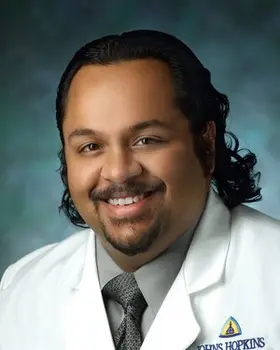
Ankur Butala is a Neurologist practicing medicine in Lutherville, Maryland. Dr. Butala is rated as an Advanced provider by MediFind in the treatment of Secondary Parkinsonism. He is also highly rated in 42 other conditions, according to our data. His clinical expertise encompasses Parkinson's Disease, Corticobasal Degeneration, Movement Disorders, Drug Induced Dyskinesia, and Deep Brain Stimulation. Dr. Butala is board certified in American Board Of Psychiatry And Neurology. Dr. Butala is currently accepting new patients.
Brain Spine Institute Neurology-Suite 200
Molly Del Santo Sugawara is a Neurologist practicing medicine in Baltimore, Maryland. Dr. Del Santo Sugawara is rated as an Advanced provider by MediFind in the treatment of Secondary Parkinsonism. She is also highly rated in 5 other conditions, according to our data. Her clinical expertise encompasses Secondary Parkinsonism, Movement Disorders, Parkinson's Disease, and Drug Induced Dyskinesia. Dr. Del Santo Sugawara is currently accepting new patients.
Last Updated: 09/26/2026