
Overview
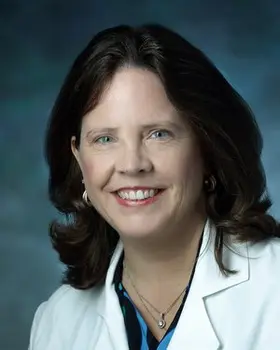
Dr. Habela completed a Medical Scientist Training Program at the University of Alabama, Birmingham. She received her PhD in Neurobiology in 2008 and her MD in 2010. After medical school, she specialized in child neurology, and completed 2 years of pediatrics residency and 3 years of child neurology residency at the Johns Hopkins Hospital in 2015. She then completed another 2 years of training specifically focused on the diagnosis, characterization and medical and surgical management of patients with epilepsy during an Epilepsy Fellowship at Johns Hopkins. Dr. Habela’s clinic specializes in pediatric neurology and epilepsy. Her clinical focus in on the care of patients with severe epilepsy with or without other neurodevelopmental disorders that have not been easily controlled with medications. She is also focused on the genetic causes of epilepsy and other neurodevelopmental disabilities with the hope that increasing our understanding of the genetic causes of epilepsy and neurodevelopmental disabilities will improve treatment. Dr. Habela’s basic science research is focused on the genetic mechanisms regulating appropriate proliferation, migration and integration of neurons and glial cells in both the prenatal and postnatal developing brain and how aberrations in these processes result in neurodevelopmental disabilities. Her hypothesis is that deregulation of pre and postnatal neurogenesis and synaptogenesis contributes to the behavioral phenotypes observed in many forms of intellectual disability, epilepsy and autism. Her research applies what we know from human genetic studies to basic science studies examining how specific genetic changes alter neurogenesis, synaptogenesis and overall excitation / inhibition balance in laboratory model systems. Her goal is to provide a better understanding of the molecular mechanisms of these processes and, in turn, possibly identify specific targets for disease modifying treatments for epilepsy. Contact for Research Inquiries 600 N. Wolfe Street Meyer 2-147 Baltimore, MD 21287 Phone: (410) 955-9100.
Dr. Habela is highly rated in 4 conditions, according to our data. Her clinical expertise encompasses 15q11.2 Microdeletion, Primary Lateral Sclerosis, Amyotrophic Lateral Sclerosis (ALS or Lou Gehrig's Disease), Epilepsy, and Endovascular Embolization.
Dr. Habela is board certified in American Board Of Psychiatry And Neurology. She is actively involved in clinical research, co-authoring 30 peer reviewed articles.
Graduate Institution
Residency
Specialties
Licenses
Board Certifications
Fellowships
Hospital Affiliations
Languages Spoken
Gender
Insurance
Accepted insurance can change. Please verify directly with the provider.
Accepted insurance plans:
- EPO
- HMO
- POS
- PPO
- EPO
- HMO
- POS
- PPO
- HMO
- POS
- PPO
- EPO
- HMO
- PPO
- INSURANCE PLAN
- MEDICARE PDP
- PPO
- HMO
- POS
- PPO
- EPO
- HMO
- PPO
- HMO
- MANAGED MEDICAID PLAN
- MEDICARE MAPD
- MEDICARE-MEDICAID PLAN
- OTHER MEDICAID
- STATE MEDICAID
- INSURANCE PLAN
- MANAGED MEDICAID PLAN
- MEDICARE MAPD
- MEDICARE PDP
- MEDICARE SNP
- MEDICARE-MEDICAID PLAN
- OTHER MEDICARE PART D
- EPO
- HMO
- POS
- PPO
Locations
601 North Caroline Street, Floor 5, Floor 5, Baltimore, MD 21287
Additional Areas of Focus
Dr. Habela has provided the following conditions as areas of focus. Please note that we may not have enough data to validate their experience in some of these conditions.
Clinical Research
Clinical research consists of overseeing clinical studies of patients undergoing new treatments and therapies, and publishing articles in peer reviewed medical journals. Providers who actively participate in clinical research are generally at the forefront of the fields and aware of the most up-to-date advances in treatments for their patients.

Johns Hopkins Bayview Medical Center
Andrew Mammen is a Neuromusculoskeletal Medicine specialist and a Neurologist practicing medicine in Baltimore, Maryland. Dr. Mammen is highly rated in 10 conditions, according to our data. His clinical expertise encompasses Myositis, Polymyositis, Dermatomyositis, and Necrotizing Myopathy (NM). Dr. Mammen is board certified in American Board Of Psychiatry And Neurology.

Johns Hopkins Outpatient Center
Brenda Banwell is the director of the Department of Pediatrics, as well as pediatrician-in-chief and co-director of Johns Hopkins Children’s Center, where she helps manage the hospital’s many clinical and research centers. Dr. Banwell is a renowned expert in the research and treatment of pediatric multiple sclerosis (MS) and other neuroimmune disorders. She specializes in and studies the use of neuroimaging to assess the clinical and cognitive impact of the conditions, as well as the function of the immune system in children with these disorders. She also created a standardized clinical care algorithm and clinical database in order to evaluate the clinical impact of MS. Dr. Banwell has published more than 250 manuscripts in high-impact journals, along with over 25 book chapters. In addition, she has over 200 national and international invited lectureships and visiting professorships. An advocate for pediatric multiple sclerosis needs and research, Dr. Banwell serves as chair of the International Medical and Scientific Board of the Multiple Sclerosis International Federation, and the Myelin Oligodendrocyte Glycoprotein Antibody–Associated Disease (MOGAD) International Research Consortium. She is also chair of the pediatric committee of the National Institutes of Health NeuroNEXT program, which conducts studies on treatments for neurological diseases through academic, private, and industry collaborations. Dr. Banwell currently serves as past-chair of the International Pediatric Multiple Sclerosis Study Group, Dr. Banwell earned her medical degree from the University of Western Ontario. She later completed a residency in pediatrics at the University of Western Ontario-Children's Hospital of Western Ontario and a second residency in pediatric neurology at University of Toronto – The Hospital for Sick Children. Her residencies were followed by a fellowship in neuromuscular research at Mayo Clinic. Dr. Banwell is highly rated in 16 conditions, according to our data. Her clinical expertise encompasses Multiple Sclerosis (MS), CACH Syndrome, Optic Neuritis, and Transverse Myelitis. Dr. Banwell is board certified in Royal College Of Physicians And Surgeons Of Canada.
The Kennedy Krieger Institute
Dr. Comi graduated from SUNY Buffalo School of Medicine and received her training in pediatrics at the Children's Hospital of Buffalo and her child neurology training at Johns Hopkins Medicine. Her clinical specialization is in the treatment of the neurological aspects of Sturge-Weber syndrome and other disorders related to capillary malformation. Dr. Comi's clinical research interests focus on improving the early diagnosis and treatment of brain involvement in Sturge-Weber syndrome in order to prevent ischemic brain injury in affected infants and young children, and on studies to understand what causes Sturge-Weber syndrome. Her laboratory research work deals with the pathogenesis of Sturge-Weber syndrome, recently shown to be caused by a somatic mutation, and on developing new drug targets, screening assays, models and therapeutic strategies for Sturge-Weber syndrome. Her lab group also works on developing better neuroprotective and neuroregenerative responses to brain injury resulting from impaired blood flow to the brain. Dr. Comi is highly rated in 24 conditions, according to our data. Her clinical expertise encompasses Sturge-Weber Syndrome, Parkes Weber Syndrome, Stork Bite, Epilepsy in Children, and Endovascular Embolization. Dr. Comi is board certified in American Board Of Psychiatry And Neurology.
Frequently Asked Questions about Dr. Christa W. Habela
How do I make an appointment with Dr. Christa W. Habela?
You can book an appointment with Dr. Christa W. Habela by calling their office at 410-955-4259. MediFind provides direct contact information so you can schedule visits, second opinions, or consultations without navigating third-party calendars.
Is Dr. Christa W. Habela a top-rated expert for 15q11.2 Microdeletion?
MediFind is an objective health platform that identifies experts based on real-world data. Dr. Christa W. Habela is classified as an Elite expert for 15q11.2 Microdeletion, meaning they are among the top experts in the country for this condition. This ranking is based on their volume of patients, published research, and peer connections.
What conditions does Dr. Christa W. Habela specialize in?
While Dr. Christa W. Habela is a Pediatrics, they have specific expertise in 15q11.2 Microdeletion, Primary Lateral Sclerosis, and Amyotrophic Lateral Sclerosis (ALS or Lou Gehrig's Disease). MediFind analyzes a doctor's articles and referral patterns to identify their specific areas of focus within Pediatrics.
Does Dr. Christa W. Habela participate in research or clinical trials?
Yes. Dr. Christa W. Habela has published 30 articles and abstracts on conditions like 15q11.2 Microdeletion. You can view a list of Dr. Christa W. Habela's latest peer-reviewed publications and clinical trial participation on their profile to see if they are active in new treatments.
Does Dr. Christa W. Habela accept my insurance?
Dr. Christa W. Habela accepts most major insurance plans, including Aetna and Anthem BCBS. We recommend calling the office directly at 410-955-4259 to verify that your specific plan is currently accepted before your visit.
Areas of Expertise
MediFind evaluates expertise by pulling from factors such as number of articles a doctor has published in medical journals, participation in clinical trials, speaking at industry conferences, prescribing and referral patterns, and strength of connections with other experts in their field.
Learn more about MediFind’s expert tiers
- Elite
- 15q11.2 MicrodeletionDr. Habela isElite. Learn about 15q11.2 Microdeletion.
- Advanced
- Amyotrophic Lateral Sclerosis (ALS or Lou Gehrig's Disease)
- EpilepsyDr. Habela isAdvanced. Learn about Epilepsy.
- Primary Lateral SclerosisDr. Habela isAdvanced. Learn about Primary Lateral Sclerosis.
- Experienced
- Absence SeizureDr. Habela isExperienced. Learn about Absence Seizure.
- Cerebral HypoxiaDr. Habela isExperienced. Learn about Cerebral Hypoxia.
- Cortical DysplasiaDr. Habela isExperienced. Learn about Cortical Dysplasia.
- DiGeorge SyndromeDr. Habela isExperienced. Learn about DiGeorge Syndrome.
- Endovascular EmbolizationDr. Habela isExperienced. Learn about Endovascular Embolization.
- Epilepsy in ChildrenDr. Habela isExperienced. Learn about Epilepsy in Children.