The 20 Best Dyskeratosis Congenita Doctors Near Me in Austin, TX
Find the Top Dyskeratosis Congenita Experts and Specialists

Kudakwashe Maloney is a Dermatologist practicing medicine in Houston, Texas. She has been practicing medicine for over 17 years. Dr. Maloney is rated as an Experienced provider by MediFind in the treatment of Dyskeratosis Congenita. She is also highly rated in 2 other conditions, according to our data. Her clinical expertise encompasses Actinic Keratosis, Squamous Cell Skin Carcinoma, Basal Cell Skin Cancer, and Neurocutaneous Melanosis. Dr. Maloney is currently accepting new patients.

Texas Health Family Care
Natalia Gutierrez is a primary care provider, practicing in Family Medicine in Carrollton, Texas. Dr. Gutierrez is rated as an Experienced provider by MediFind in the treatment of Dyskeratosis Congenita. She is also highly rated in 11 other conditions, according to our data. Her clinical expertise encompasses Idiopathic Neutropenia, Type 2 Diabetes (T2D), Hypertension, and Glucocorticoid-Remediable Aldosteronism.
Matthew J. Rowley M.D. P.A.
Matthew Rowley is a Dermatologist practicing medicine in Lufkin, Texas. Dr. Rowley is rated as a Distinguished provider by MediFind in the treatment of Dyskeratosis Congenita. He is also highly rated in 80 other conditions, according to our data. His clinical expertise encompasses Actinic Keratosis, Warts, Contact Dermatitis, and Seborrheic Keratosis. Dr. Rowley is currently accepting new patients.

Keehan Dermatology
Patrick Keehan is a Dermatologist practicing medicine in Fort Worth, Texas. Dr. Keehan is rated as an Experienced provider by MediFind in the treatment of Dyskeratosis Congenita. He is also highly rated in 63 other conditions, according to our data. His clinical expertise encompasses Psoriasis, Actinic Keratosis, Eosinophilic Pustular Folliculitis, and Warts. Dr. Keehan is currently accepting new patients.
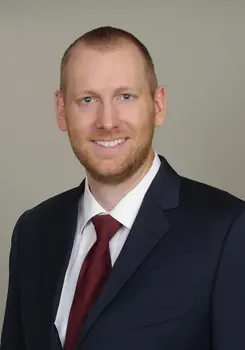
Texas Health Family Care
Robert Petrie is a primary care provider, practicing in Family Medicine in Fort Worth, Texas. Dr. Petrie is rated as an Experienced provider by MediFind in the treatment of Dyskeratosis Congenita. He is also highly rated in 11 other conditions, according to our data. His clinical expertise encompasses Obesity, Obesity in Children, High Cholesterol, and Glucocorticoid-Remediable Aldosteronism.

Rachel Schmidtberger is a Dermatologist practicing medicine in Katy, Texas. Dr. Schmidtberger is rated as an Advanced provider by MediFind in the treatment of Dyskeratosis Congenita. She is also highly rated in 118 other conditions, according to our data. Her clinical expertise encompasses Sunburn, Psoriasis, Warts, and Actinic Keratosis. Dr. Schmidtberger is currently accepting new patients.

Steven Douglas Pedro, MD
Steven Pedro is a Dermatologist practicing medicine in Fort Worth, Texas. Dr. Pedro is rated as an Advanced provider by MediFind in the treatment of Dyskeratosis Congenita. He is also highly rated in 76 other conditions, according to our data. His clinical expertise encompasses Sunburn, Graham-Little-Piccardi-Lassueur Syndrome, Lichen Simplex Chronicus, and Intertrigo. Dr. Pedro is currently accepting new patients.

Robert Lin is a Dermatologist practicing medicine in Houston, Texas. Dr. Lin is rated as an Advanced provider by MediFind in the treatment of Dyskeratosis Congenita. He is also highly rated in 66 other conditions, according to our data. His clinical expertise encompasses Lichen Simplex Chronicus, Rosacea, Eosinophilic Pustular Folliculitis, and Actinic Keratosis. Dr. Lin is currently accepting new patients.
Dermatology & Cutaneous Surgery PLLC
Victoria Serralta is a Dermatologist practicing medicine in Arlington, Texas. Dr. Serralta is rated as an Advanced provider by MediFind in the treatment of Dyskeratosis Congenita. She is also highly rated in 109 other conditions, according to our data. Her clinical expertise encompasses Melanoma, Giant Congenital Melanocytic Nevus, Giant Congenital Nevus, and Familial Atypical Multiple Mole Melanoma Syndrome. Dr. Serralta is currently accepting new patients.
Office
Kaveh Nezafati is a Dermatologist practicing medicine in Frisco, Texas. Dr. Nezafati is rated as an Advanced provider by MediFind in the treatment of Dyskeratosis Congenita. He is also highly rated in 78 other conditions, according to our data. His clinical expertise encompasses Actinic Keratosis, Warts, Seborrheic Keratosis, and Psoriasis. Dr. Nezafati is currently accepting new patients.
Sagis PLLC
Nicole Bender is a Dermatologist practicing medicine in Houston, Texas. Dr. Bender is rated as an Advanced provider by MediFind in the treatment of Dyskeratosis Congenita. She is also highly rated in 104 other conditions, according to our data. Her clinical expertise encompasses Basal Cell Skin Cancer, Actinic Keratosis, Warts, and Squamous Cell Skin Carcinoma. Dr. Bender is currently accepting new patients.
David Grice DO PA
David Grice is a Dermatologist practicing medicine in Grand Prairie, Texas. Dr. Grice is rated as an Advanced provider by MediFind in the treatment of Dyskeratosis Congenita. He is also highly rated in 66 other conditions, according to our data. His clinical expertise encompasses Plaque Psoriasis, Contact Dermatitis, Ecthyma, and Eosinophilic Pustular Folliculitis. Dr. Grice is currently accepting new patients.
Austin Regional Clinic PA
Shwol-huo Kiang is a Dermatologist practicing medicine in Austin, Texas. Dr. Kiang is rated as an Advanced provider by MediFind in the treatment of Dyskeratosis Congenita. He is also highly rated in 102 other conditions, according to our data. His clinical expertise encompasses Eosinophilic Pustular Folliculitis, Actinic Keratosis, Warts, and Sebaceous Adenoma. Dr. Kiang is currently accepting new patients.
Prestige Dermatology, PLLC
Ryan Pham is a Dermatologist practicing medicine in Burleson, Texas. Dr. Pham is rated as an Advanced provider by MediFind in the treatment of Dyskeratosis Congenita. He is also highly rated in 148 other conditions, according to our data. His clinical expertise encompasses Rosacea, Warts, Epidermoid Cyst, and Actinic Keratosis. Dr. Pham is board certified in Dermatology- American Osteopathic Board Of Dermatology. Dr. Pham is currently accepting new patients.
UT Southwestern Medical Center
Travis Vandergriff is a Dermatologist practicing medicine in Dallas, Texas. Dr. Vandergriff is rated as an Advanced provider by MediFind in the treatment of Dyskeratosis Congenita. He is also highly rated in 136 other conditions, according to our data. His clinical expertise encompasses Epidermoid Cyst, Kimura Disease, Melanoma, and Warts. Dr. Vandergriff is currently accepting new patients.
Sagis PLLC
Eduardo Rodriguez is a Dermatologist practicing medicine in Houston, Texas. Dr. Rodriguez is rated as an Advanced provider by MediFind in the treatment of Dyskeratosis Congenita. He is also highly rated in 74 other conditions, according to our data. His clinical expertise encompasses Basal Cell Skin Cancer, Cutis Gyrata Syndrome, Epidermoid Cyst, and Bowen's Disease. Dr. Rodriguez is currently accepting new patients.
Sagis PLLC
Christopher Chu is a Dermatologist practicing medicine in Houston, Texas. Dr. Chu is rated as an Advanced provider by MediFind in the treatment of Dyskeratosis Congenita. He is also highly rated in 79 other conditions, according to our data. His clinical expertise encompasses Epidermoid Cyst, Actinic Keratosis, Basal Cell Skin Cancer, and Squamous Cell Skin Carcinoma. Dr. Chu is currently accepting new patients.
Office
Mobolaji Opeola is a Dermatologist practicing medicine in San Antonio, Texas. Dr. Opeola is rated as an Advanced provider by MediFind in the treatment of Dyskeratosis Congenita. She is also highly rated in 100 other conditions, according to our data. Her clinical expertise encompasses Female Pattern Baldness, Malignant Hypertension, Epidermoid Cyst, and Eosinophilic Pustular Folliculitis. Dr. Opeola is currently accepting new patients.

Chinelo Fangtang is a Dermatologist practicing medicine in Humble, Texas. Dr. Fangtang is rated as an Experienced provider by MediFind in the treatment of Dyskeratosis Congenita. She is also highly rated in 67 other conditions, according to our data. Her clinical expertise encompasses Actinic Keratosis, Spider Angioma, Telangiectasia, and Warts. Dr. Fangtang is currently accepting new patients.

Dallas Associated Dermatologists
Jerald Sklar is a Dermatologist practicing medicine in Dallas, Texas. Dr. Sklar is rated as an Experienced provider by MediFind in the treatment of Dyskeratosis Congenita. He is also highly rated in 80 other conditions, according to our data. His clinical expertise encompasses Neurocutaneous Melanosis, Giant Congenital Nevus, Giant Congenital Melanocytic Nevus, and Familial Atypical Multiple Mole Melanoma Syndrome. Dr. Sklar is board certified in Dermatology- American Board Of Dermatology. Dr. Sklar is currently accepting new patients.
Last Updated: 09/19/2026