Overview
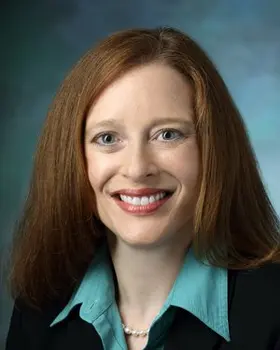
Dr. Jill A. Fahrner is an assistant professor in the Departments of Genetic Medicine and Pediatrics at the Johns Hopkins University School of Medicine. Her area of clinical expertise is medical genetics. Dr. Fahrner earned her Ph.D. from Johns Hopkins University and her M.D. from the University of North Carolina. She completed pediatrics residency training at Duke University Medical Center. She joined the McKusick-Nathans Institute of Genetic Medicine as a genetic medicine resident in 2009 and completed her training in 2012. She stayed on as chief resident from 2012-2013 and then joined the faculty as an assistant professor in the Department of Pediatrics within the McKusick-Nathans Institute of Genetic Medicine in 2013. Her current primary appointment is Assistant Professor in the Department of Genetic Medicine, where she is Director of the multidisciplinary Epigenetics and Chromatin Clinic. She is a physician-scientist with a long-standing interest in epigenetic mechanisms of disease. Her clinical focus is on caring for individuals with epigenetic and chromatin disorders, specifically Mendelian disorders of the epigenetic machinery, or chromatin modifying disorders. She has seen hundreds of individuals with congenital disorders involving disrupted epigenetics, most of which exhibit neurodevelopmental disabilities and abnormal growth. Her laboratory research is focused on understanding disease mechanisms and developing therapies for select Mendelian disorders of the epigenetic machinery. She is a member of the American Society of Human Genetics (ASHG), having won an ASHG Reviewer’s Choice Abstract Award for her work on growth retardation in Kabuki syndrome 1. She has received a Johns Hopkins School of Medicine Clinician Scientist Award, a Johns Hopkins School of Medicine Musculoskeletal Pilot and Feasibility Award, a William and Ella Owens Medical Research Foundation Award, the Margaret Ellen Nielsen Fellowship Award, and the Alice and YT Chen Travel Award while at Johns Hopkins. She is the recipient of a prestigious Hartwell Foundation Individual Biomedical Research Award and also has ongoing research funding from the National Institutes of Health.
Dr. Fahrner is highly rated in 10 conditions, according to our data. Her clinical expertise encompasses Weaver Syndrome, Sotos Syndrome, Kabuki Syndrome, Marshall-Smith Syndrome, and Orchiectomy.
Dr. Fahrner is board certified in American Board Of Medical Genetics And Genomics. She is actively involved in clinical research, co-authoring 37 peer reviewed articles. Dr. Fahrner is currently accepting new patients.
Specialties
Licenses
Board Certifications
Fellowships
Languages Spoken
Gender
Insurance
Accepted insurance can change. Please verify directly with the provider.
Accepted insurance plans:
- EPO
- HMO
- POS
- PPO
- HMO
- POS
- PPO
- EPO
- HMO
- PPO
- INSURANCE PLAN
- MEDICARE PDP
- PPO
- HMO
- POS
- PPO
- HMO
- INDEMNITY
- POS
- PPO
Locations
200 North Wolfe Street, Rubenstein BLDG Lower Level, Rubenstein BLDG Lower Level, Baltimore, MD 21287
Clinical Research
Clinical research consists of overseeing clinical studies of patients undergoing new treatments and therapies, and publishing articles in peer reviewed medical journals. Providers who actively participate in clinical research are generally at the forefront of the fields and aware of the most up-to-date advances in treatments for their patients.
Nancy Braverman is a Medical Genetics specialist and a Pediatrics provider practicing medicine in Baltimore, Maryland. Dr. Braverman is highly rated in 14 conditions, according to our data. Her clinical expertise encompasses Zellweger Syndrome, Acromesomelic Dysplasia, Achondrogenesis, and Acromesomelic Dysplasia Campailla Martinelli Type.
William Gahl is a Medical Genetics specialist and a Pediatrics provider practicing medicine in Bethesda, Maryland. Dr. Gahl is highly rated in 31 conditions, according to our data. His clinical expertise encompasses Oculocutaneous Albinism Type 2, Hermansky-Pudlak Syndrome, Oculocutaneous Albinism Type 1, Oculocutaneous Albinism, and Deep Brain Stimulation.

Rubenstein Child Health Building
Dr. Julie Hoover-Fong is a Professor of Genetic Medicine and Pediatrics and Director of the Greenberg Center for Skeletal Dysplasias at Johns Hopkins University. Dr. Hoover-Fong holds a bachelor’s degree in Human Nutrition from The Ohio State University, where she also completed her medical degree. She received her Ph.D. in the Graduate Training Program in Clinical Investigation at the Johns Hopkins University School of Medicine and Bloomberg School of Public Health. Dr. Hoover-Fong completed a pediatric internship and residency at Washington University in St. Louis and a fellowship in medical genetics at Johns Hopkins University in Baltimore. She joined the Johns Hopkins University faculty in 2002 and progressed to Professor of Genetic Medicine and Pediatrics in 2019. She practices and oversees the clinical operations, research and educational ventures for the patients, families and healthcare providers served by the Greenberg Center. Her clinical team develops and improves diagnostic and treatment guidelines for comprehensive care of patients with all types of bone conditions including dwarfism, orofacial clefting, craniosynostosis and more. Dr. Hoover-Fong also mentors and teaches medical students, residents and genetic medicine trainees. As an active clinical researcher, Dr. Hoover-Fong is the Principal Investigator of multiple global clinical trials for achondroplasia, the first multi-center, investigator-initiated natural history study for achondroplasia, and multiple clinical studies for patients with orofacial clefting, hypophosphatasia and other conditions. She is also a co-investigator on the ELSI and Phenotype Review Committees for the Mendel Project, a whole exome sequencing venture to identify the genetic cause of Mendelian conditions. From an institutional service perspective, Dr. Hoover-Fong serves on the Johns Hopkins Associate Professor Promotions Committee and the Advisory Committee for the Graduate Training Program in Clinical Investigation. She serves on the Medical Advisory Board of the Little People of America, is a member of the Miller-Coulson Academy of Clinical Excellence at Johns Hopkins University and is a charter member of the International Skeletal Dysplasia Management Consortium, publishing best practice guidelines for patients with skeletal dysplasias. Dr. Hoover-Fong is highly rated in 26 conditions, according to our data. His clinical expertise encompasses Achondroplasia, Rhizomelic Syndrome, Spondyloepimetaphyseal Dysplasia Strudwick Type, Adenoidectomy, and Myringotomy. Dr. Hoover-Fong is board certified in American Board Of Medical Genetics And Genomics. Dr. Hoover-Fong is currently accepting new patients.
Frequently Asked Questions about Dr. Jill A. Fahrner
How do I make an appointment with Dr. Jill A. Fahrner?
You can book an appointment with Dr. Jill A. Fahrner by calling their office at 443-287-9494. MediFind provides direct contact information so you can schedule visits, second opinions, or consultations without navigating third-party calendars.
Is Dr. Jill A. Fahrner a top-rated expert for Weaver Syndrome?
MediFind is an objective health platform that identifies experts based on real-world data. Dr. Jill A. Fahrner is classified as an Elite expert for Weaver Syndrome, meaning they are among the top experts in the country for this condition. This ranking is based on their volume of patients, published research, and peer connections.
What conditions does Dr. Jill A. Fahrner specialize in?
While Dr. Jill A. Fahrner is a Pediatrics, they have specific expertise in Weaver Syndrome, Sotos Syndrome, and Kabuki Syndrome. MediFind analyzes a doctor's articles and referral patterns to identify their specific areas of focus within Pediatrics.
Does Dr. Jill A. Fahrner participate in research or clinical trials?
Yes. Dr. Jill A. Fahrner has published 37 articles and abstracts on conditions like Weaver Syndrome. You can view a list of Dr. Jill A. Fahrner's latest peer-reviewed publications and clinical trial participation on their profile to see if they are active in new treatments.
Does Dr. Jill A. Fahrner accept my insurance?
Dr. Jill A. Fahrner accepts most major insurance plans, including Aetna and CareFirst. We recommend calling the office directly at 443-287-9494 to verify that your specific plan is currently accepted before your visit.
Areas of Expertise
MediFind evaluates expertise by pulling from factors such as number of articles a doctor has published in medical journals, participation in clinical trials, speaking at industry conferences, prescribing and referral patterns, and strength of connections with other experts in their field.
Learn more about MediFind’s expert tiers
- Elite
- Weaver SyndromeDr. Fahrner isElite. Learn about Weaver Syndrome.
- Distinguished
- Kabuki SyndromeDr. Fahrner isDistinguished. Learn about Kabuki Syndrome.
- Sotos SyndromeDr. Fahrner isDistinguished. Learn about Sotos Syndrome.
- Advanced
- Achalasia Microcephaly SyndromeDr. Fahrner isAdvanced. Learn about Achalasia Microcephaly Syndrome.
- Acromegaloid Facial Appearance Syndrome
- Cortical DysplasiaDr. Fahrner isAdvanced. Learn about Cortical Dysplasia.
- Dubowitz SyndromeDr. Fahrner isAdvanced. Learn about Dubowitz Syndrome.
- Hypertrichosis-Acromegaloid Facial Appearance Syndrome
- Marshall-Smith SyndromeDr. Fahrner isAdvanced. Learn about Marshall-Smith Syndrome.
- MicrocephalyDr. Fahrner isAdvanced. Learn about Microcephaly.
- Experienced
- Acromicric DysplasiaDr. Fahrner isExperienced. Learn about Acromicric Dysplasia.
- Alpha ThalassemiaDr. Fahrner isExperienced. Learn about Alpha Thalassemia.
- AnemiaDr. Fahrner isExperienced. Learn about Anemia.
- Autism Spectrum DisorderDr. Fahrner isExperienced. Learn about Autism Spectrum Disorder.
- Cardiomyopathic LentiginosisDr. Fahrner isExperienced. Learn about Cardiomyopathic Lentiginosis.
- CHARGE SyndromeDr. Fahrner isExperienced. Learn about CHARGE Syndrome.
- HypotoniaDr. Fahrner isExperienced. Learn about Hypotonia.
- Increased Head CircumferenceDr. Fahrner isExperienced. Learn about Increased Head Circumference.
- Liver FailureDr. Fahrner isExperienced. Learn about Liver Failure.
- OrchiectomyDr. Fahrner isExperienced. Learn about Orchiectomy.
- Rett SyndromeDr. Fahrner isExperienced. Learn about Rett Syndrome.
- Williams SyndromeDr. Fahrner isExperienced. Learn about Williams Syndrome.