Cardiologist Search Results
Office
David Brill is a Cardiologist practicing medicine in Takoma Park, Maryland. Dr. Brill is highly rated in 14 conditions, according to our data. His clinical expertise encompasses Apoplexy, Angina, Aortic Valve Stenosis, Transcatheter Aortic Valve Replacement (TAVR), and Aortic Valve Replacement. Dr. Brill is currently accepting new patients.

Johns Hopkins Health Care & Surgery Center - Green Spring Station, Lutherville
Dr. Erin D. Michos is a Professor of Medicine within the Division of Cardiology at Johns Hopkins School of Medicine, with joint appointment in the Department of Epidemiology at the Johns Hopkins Bloomberg School of Public Health. She is the Director of Women's Cardiovascular Health and the Associate Director of Preventive Cardiology within the Johns Hopkins Ciccarone Center for the Prevention of Cardiovascular Disease. Dr. Michos is an internationally known expert in Preventive Cardiology and Women’s Health, having authored >700 publications and 11 book chapters. Her research involves (1) Women’s Cardiovascular Health; (2) Lipids and Lipid management; (3) Cardio-Kidney-Metabolic and Obesity disease management (4) Coronary artery calcium, inflammation and biomarkers of cardiovascular risk. She is the co-Editor-in-Chief for the American Journal of Preventive Cardiology. She is Co-Director of the IMPACT Center (Improving Participation Among Diverse Populations in Cardiovascular Clinical Trials) at Johns Hopkins, funded by the American Heart Association (AHA). She is a co-investigator in several NIH-funded studies including the Multi-Ethnic Study of Atherosclerosis and Atherosclerosis Risk in Communities cohorts. She has served as the Training Director for four AHA Strategic Focused Research Networks. She has mentored over 60 individuals and the recipient of 2 mentoring awards. Additionally, she was the recipient of the Nanette Wegner Award for Women’s Health Medical Leadership by the Women Heart Organization and the Donna Vogel Women’s Health Champion Award by Johns Hopkins University. Dr. Michos completed medical school at Northwestern University, Internal Medicine residency and Cardiology fellowship at the Johns Hopkins Hospital, and a Masters of Health Science degree at the Johns Hopkins Bloomberg School of Public Health. Dr. Michos is highly rated in 30 conditions, according to our data. Her clinical expertise encompasses Atherosclerosis, Vitamin D Deficiency, Peripartum Cardiomyopathy, Percutaneous Coronary Intervention (PCI), and Thrombectomy. Dr. Michos is board certified in American Board Of Internal Medicine. Dr. Michos is currently accepting new patients.

Johns Hopkins Health Care & Surgery Center - Green Spring Station, Lutherville
Dr. Michael J. Blaha MD MPH is Professor of Cardiology and Epidemiology and presently serves as the Director of Clinical Research for the Johns Hopkins Ciccarone Center for the Prevention of Cardiovascular Disease, Director of the Cardiometabolic Clinic, and Program Director for the Preventive Cardiology Fellowship. His clinical interests include primary and secondary prevention of cardiovascular disease, with emphasis on early intervention in patients with advanced subclinical atherosclerosis detected with cardiac computed tomography. Dr. Blaha represents the 4th generation of physicians in his family. After earning a BS in pre-medical studies and classical civilization at the University of Notre Dame in 2001, Dr. Blaha went to Vanderbilt University where in 2006 he received his MD as well as an MPH. in clinical epidemiology and biostatistics. Dr. Blaha then completed his Internal Medicine residency in the Osler Medical Housestaff Training Program at Johns Hopkins in 2009 before completing a fellowship in Cardiology at Johns Hopkins in 2012. In 2018, Dr. Blaha received the Dr. Fred Brancati award at Johns Hopkins for excellence in mentoring. He has mentored over 30 trainees, many of which have gone on to hold prominent academic appointments. In 2021, Dr. Blaha was named to the Clarivate Highly Cited Researcher List, representing the top 1% of world’s researchers, and was first named to the Baltimore Magazine Best Doctors List. In 2022, he received the Arthur S. Agatston Cardiovascular Disease Prevention Award. Clinically, he practices as a preventive cardiologist specializing in cardiometabolic disease and in the interpretation of cardiac CT. His clinic specializes in patients with cardiometabolic disease and advanced subclinical atherosclerosis, and the focused use of an array of lifestyle and pharmacotherapies to mitigate that risk. Dr. Blaha is highly rated in 25 conditions, according to our data. His clinical expertise encompasses Atherosclerosis, Coronary Heart Disease, High Cholesterol, Coronary Artery Bypass Graft (CABG), and Percutaneous Coronary Intervention (PCI). Dr. Blaha is currently accepting new patients.

Johns Hopkins Outpatient Center
Roger Blumenthal is the Kenneth Jay Pollin Professor of Cardiology, professor of medicine and director of the Johns Hopkins Ciccarone Center for the Prevention of Cardiovascular Disease in Baltimore, Maryland. His principal clinical and research interests involve: 1) strategies to improve cardiovascular risk assessment to identify those adults at elevated risk and those at very low risk of cardiovascular disease and 2) the optimal management of atherosclerotic vascular disease. He is an expert in the pathogenesis, treatment and prevention of atherosclerotic vascular disease. Dr. Blumenthal was the principal developer of the Johns Hopkins Ciccarone Center for the Prevention of Cardiovascular Disease. He is on the official national spokesperson panel for the American Heart Association and has co-written more than 600 articles dealing with many aspects of coronary heart disease and atherosclerosis management. An experienced writer, Dr. Blumenthal is on the editorial board of Circulation, Cardiology Today, and The American College of Cardiology and Extended Learning Center. He is a fellow of the American College of Cardiology and the American Heart Association’s Epidemiology and Prevention Council. He was co-editor-in-chief of the textbook Preventive Cardiology – A Companion to Braunwald’s Heart Disease. He received his medical degree from Cornell Medical College, where he was awarded the Weiss Prize for Excellence in Clinical Medicine. He did his internal medicine and cardiology fellowship training at The Johns Hopkins Hospital before joining the Johns Hopkins cardiology faculty. Dr. Blumenthal was the 2019 recipient of the Landon School Anthony Kupka Distinguished Alumnus Award. He was co-chairperson of the 2019 American College of Cardiology/American Heart Guideline on prevention of cardiovascular disease. Dr. Blumenthal is highly rated in 19 conditions, according to our data. His clinical expertise encompasses Atherosclerosis, Coronary Heart Disease, Metabolic Syndrome, Percutaneous Coronary Intervention (PCI), and Heart Bypass Surgery. Dr. Blumenthal is board certified in American Board Of Internal Medicine. Dr. Blumenthal is currently accepting new patients.

Johns Hopkins Health Care & Surgery Center - Green Spring Station, Lutherville
Dr. Wendy Post is professor of medicine at the Johns Hopkins University School of Medicine and holds a joint appointment as professor of epidemiology at the Johns Hopkins Bloomberg School of Public Health. She is the Lou and Nancy Grasmick Professor of Cardiology. Dr. Post is a cardiologist at the Johns Hopkins Ciccarone Center for the Prevention of Cardiovascular Disease and the Echocardiography Laboratory and is associate faculty at the Welch Center for Prevention, Epidemiology, and Clinical Research at Johns Hopkins University. She is Director of Cardiovascular Research for the Division of Cardiology and Director of Research for the Hopkins Cardiovascular Fellowship Training Program. Dr. Post received her undergraduate degree in biology from Harvard University. She earned her medical degree from Columbia College of Surgeons and Physicians, Columbia University. After completing her internship and residency at Harvard Medical School’s Beth Israel Hospital, Dr. Post received her master’s degree in epidemiology from the Harvard School of Public Health. She was a research fellow at the Framingham Heart Study, in Framingham, Mass., and completed a fellowship in cardiology at The Johns Hopkins Hospital. Dr. Post joined the Johns Hopkins faculty in 1997. Dr. Post’s research interests include prediction and prevention of coronary heart disease and sudden cardiac death, noninvasive imaging of subclinical atherosclerosis, genetics of cardiovascular disease, sex and racial/ethnic differences in cardiovascular disease, and cardiovascular disease in HIV/AIDS and COVID-19. She is the chair of the steering committee, and the principal investigator for the Hopkins field center for the NIH-funded Multi-Ethnic Study of Atherosclerosis (MESA). Dr. Post also leads Multicenter AIDS Cohort Study (MACS) Cardiovascular Disease sub-studies. She has been the PI for three R01 grants from NHLBI investigating cardiovascular disease in HIV, and is dual PI on the cardiology NHLBI training grant, which has been continuously funded for over 45 years. Dr. Post is a manuscript reviewer for multiple publications and is currently associate editor of Circulation. She has over 350 peer-reviewed research publications. Dr. Post was elected as a member of the American Society for Clinical Investigation (ASCI) in 2015. She mentors multiple medical students, medical house staff, fellows and junior faculty. She was a member of the Hopkins Professorial Promotions Committee and a former Johns Hopkins University Provost Fellow. She was co-chair of the Johns Hopkins University Committee on the Biomedical Scientific Workforce. Dr. Post is highly rated in 16 conditions, according to our data. Her clinical expertise encompasses Atherosclerosis, Coronary Heart Disease, Carotid Artery Disease, Hormone Replacement Therapy (HRT), and Aortic Valve Replacement. Dr. Post is board certified in American Board Of Internal Medicine. Dr. Post is currently accepting new patients.

Johns Hopkins Endoscopy & Surgery Center - Columbia
Dr. Nisha A. Gilotra is a cardiologist in the Johns Hopkins Medicine Division of Cardiology with expertise in advanced heart failure, including the care of heart transplant and ventricular assist device patients. Dr. Gilotra specializes in inflammatory cardiomyopathies, including sarcoidosis, myocarditis and inherited causes of cardiomyopathy. Dr. Gilotra received her medical degree from Jefferson Medical College in Philadelphia, PA. She completed her medical residency, general cardiology fellowship and advanced heart failure fellowship at Johns Hopkins University School of Medicine. Between fellowships, she served as an Assistant Chief of Service for the Department of Medicine. Dr. Gilotra is highly rated in 15 conditions, according to our data. Her clinical expertise encompasses Sarcoidosis, Myocarditis, Cardiomyopathy, Heart Transplant, and Endoscopy. Dr. Gilotra is currently accepting new patients.

Johns Hopkins Outpatient Center
Seth Martin is a Cardiologist practicing medicine in Baltimore, Maryland. Dr. Martin is highly rated in 12 conditions, according to our data. His clinical expertise encompasses High Cholesterol, Atherosclerosis, Heart Attack, Heart Bypass Surgery, and Pacemaker Implantation. Dr. Martin is board certified in American Board Of Internal Medicine. Dr. Martin is currently accepting new patients.

Johns Hopkins Bayview Medical Center
Dr. David Douglass Spragg is a Professor of Medicine in the Department of Medicine (Division of Cardiology) at Johns Hopkins. In addition, he is the inaugural Edward St. John Professor of Cardiology. His research focuses on treatments for atrial fibrillation (AF), and particularly on catheter ablation for AF. Dr. Spragg received his undergraduate degree in the Comparative Study of Religion from Harvard College. He earned his medical degree from the College of Physicians and Surgeons at Columbia University. After pursuing a Sarnoff Cardiovascular research fellowship at Brigham and Women's Hospital, Dr. Spragg completed his internship and residency at Massachusetts General Hospital. He came to Johns Hopkins in 2001 for Cardiology and Cardiac EP fellowships. He served as chief fellow for the Cardiology program, and was recognized for his research during fellowship as the Michel Mirowski Cardiology Fellow. Dr. Spragg joined the faculty as an Assistant Professor in 2006, and was promoted to Associate Professor in 2014. He was promoted to the rank of Professor of Medicine in 2024. Besides his teaching and clinical appointments at the Johns Hopkins School of Medicine, Dr. Spragg is the Director of the Johns Hopkins Atrial Fibrillation Research Program. He is a Fellow of the Heart Rhythm Society. Dr. Spragg is highly rated in 12 conditions, according to our data. His clinical expertise encompasses Atrial Fibrillation, Arrhythmias, Ventricular Tachycardia, Cardiac Ablation, and Pacemaker Implantation. Dr. Spragg is board certified in American Board Of Internal Medicine. Dr. Spragg is currently accepting new patients.

Johns Hopkins Outpatient Center
Dr. Chiadi Ndumele is the Director of Obesity and Cardiometabolic Research, Director of the Heart Failure Prevention Program and Associate Professor of Medicine and Epidemiology in the Division of Cardiology at Johns Hopkins University. Dr. Ndumele is a preventive cardiologist with doctorate level training in epidemiology, who leads a research program related to characterizing the relationship of obesity and cardiometabolic risk factors with the development of cardiovascular disease, with a particular focus on heart failure risk, and to refining strategies for cardiovascular disease prevention. His work additionally addresses the impact of social determinants of health on cardiometabolic risk factors and downstream cardiovascular outcomes. Dr. Ndumele received his M.D. from Harvard University and his Internal Medicine training at Brigham and Women’s Hospital, where he also served as Chief Medical Resident. He subsequently trained in Cardiology at Johns Hopkins University, where he was also Chief Cardiology Fellow in his final year and where he also received his MHS and PhD in Epidemiology. Dr. Ndumele’s research has been supported by multiple grants from the NIH, Robert Wood Johnson Foundation and the American Heart Association (AHA). He is Chair of the Council on Lifestyle and Cardiometabolic Health of the AHA, Past Chair of the AHA Obesity Committee, and Co-Chair of the AHA Cardiovascular-Kidney-Metabolic Health Initiative. Dr. Ndumele is highly rated in 11 conditions, according to our data. His clinical expertise encompasses Atherosclerosis, Heart Failure, Heart Failure with Preserved Ejection Fraction (HFpEF), and Metabolic Syndrome. Dr. Ndumele is currently accepting new patients.

Johns Hopkins Bayview Medical Center
Joban Vaishnav is a cardiologist specializing in heart failure in Baltimore, Maryland. Additionally, she is an assistant professor at the Baltimore-based Johns Hopkins University School of Medicine. She has special interest in amyloidosis. Dr. Vaishnav earned her medical degree from St. Louis University School of Medicine. She completed a residency in internal medicine at The Johns Hopkins Hospital, where she also completed fellowships in cardiology and advanced heart failure and transplant cardiology. Dr. Vaishnav is highly rated in 10 conditions, according to our data. Her clinical expertise encompasses Cardiac Amyloidosis, Heart Failure, Heart Failure with Preserved Ejection Fraction (HFpEF), Heart Transplant, and Tissue Biopsy. Dr. Vaishnav is board certified in American Board Of Internal Medicine. Dr. Vaishnav is currently accepting new patients.
University Of Maryland Medical Center
Bradley Maron is a Cardiologist practicing medicine in Baltimore, Maryland. Dr. Maron is highly rated in 9 conditions, according to our data. His clinical expertise encompasses Pulmonary Hypertension, Hypertension, Heart Failure, Hypertrophic Cardiomyopathy (HCM), and Heart Transplant. Dr. Maron is board certified in American Board Of Internal Medicine - Cardiovascular Disease, 2013. Dr. Maron is currently accepting new patients.

The Johns Hopkins Hospital
Dr. Joao Lima is a professor of medicine, radiology and epidemiology at the Johns Hopkins School of Medicine. His pioneering work in cardiac imaging using advanced MRI, CT and echocardiography has led to noninvasive techniques for predicting cardiovascular disease and calculating its extent, as well as measuring the effectiveness of modern cardiac treatments. He holds numerous patents on devices and methods for cardiac imaging and image-guided therapies. Dr. Lima graduated medical school at the University of Bahia, Brazil. He completed his cardiology fellowship at Johns Hopkins and spent two years on the faculty of the University of Pennsylvania before returning to Hopkins as a faculty member in 1992. A long-time investigator with the Multi-Ethnic Study of Atherosclerosis (MESA), Dr. Lima is credited with more than 175 articles out of that study and nearly 575 publications over his career. He is associate editor of Journal of the American College of Cardiology and serves on the editorial board of the Italian Journal of Cardiology while reviewing for other journals including the New England Journal of Medicine, Circulation and Annals of Internal Medicine. Dr. Lima has been invited to present his research throughout the Americas, Europe and Asia. Dr. Lima is highly rated in 9 conditions, according to our data. His clinical expertise encompasses Atherosclerosis, Heart Attack, Apoplexy, Heart Failure, and Bone Marrow Aspiration. Dr. Lima is board certified in American Board Of Internal Medicine. Dr. Lima is currently accepting new patients.

Greater Baltimore Medical Center
Dr. Seamus Whelton MD, MPH, is an Associate Professor of Cardiology and member of the Ciccarone Center for the Prevention of Cardiovascular Disease. His primary clinical and research expertise includes the pathogenesis, risk prediction, prevention, and treatment of atherosclerotic cardiovascular disease with an emphasis on the identification of coronary artery calcium via cardiac CT scanning. He is Director of the Advanced Subclinical Atherosclerosis Clinic, which focuses on the treatment of patients with incidentally discovered coronary artery calcium detected by CT imaging. He is also an expert on the pathogenesis, epidemiology, and risk factors for aortic valve calcification. He has led pioneering research to describe the use aortic valve calcification to predict the risk of aortic stenosis. Dr. Whelton has published more than 130 peer reviewed manuscripts, multiple book chapters, and has been an invited lecturer at both national and international conferences. He is an Associate Editor at the Journal of Cardiovascular Computed Tomography and the American Journal of Preventive Cardiology. He is a member of the American College of Cardiology Prevention of Cardiovascular Disease Leadership Council. He has been the Principal Investigator on grants from the National Institutes of Health and American Heart Association. Dr. Whelton received his undergraduate degree at Princeton University. He then completed a Masters of Public Health in Epidemiology at the Tulane University School of Public Health and Tropical Medicine followed by his Doctor of Medicine degree from the Tulane University School of Medicine. He subsequently completed a post-doctoral fellowship at the Welch Center for Prevention, Epidemiology and Clinical Research at the Johns Hopkins Bloomberg School of Public Health and then completed a fellowship in Cardiology at the Johns Hopkins School of Medicine before joining the Cardiology Faculty at Johns Hopkins in 2017. Videos Dr. Seamus Whelton. Dr. Whelton is highly rated in 7 conditions, according to our data. His clinical expertise encompasses Atherosclerosis, Coronary Heart Disease, Apoplexy, Pacemaker Implantation, and Heart Bypass Surgery. Dr. Whelton is board certified in American Board Of Internal Medicine. Dr. Whelton is currently accepting new patients.

Greater Baltimore Medical Center
Jaideep Patel is a Cardiologist practicing medicine in Baltimore, Maryland. He has been practicing medicine for over 17 years. Dr. Patel is highly rated in 7 conditions, according to our data. His clinical expertise encompasses Atherosclerosis, Cardiac Amyloidosis, Heart Failure, Heart Transplant, and Endoscopy. Dr. Patel is board certified in American Board Of Internal Medicine and Certification Board Of Nuclear Cardiology. Dr. Patel is currently accepting new patients.

The Johns Hopkins Hospital
Dr. Zadeh is Professor of Medicine at the Johns Hopkins University School of Medicine and Director of Cardiac Computed Tomography in the Division of Cardiology at the Johns Hopkins Hospital in Baltimore, MD. After attending medical school in Germany and completing internships in medicine and surgery in Germany and Britain, he spent several years in cardiovascular research at the University of California at San Diego to study coronary artery disease using intravascular ultrasound. He then completed his postgraduate training in Philadelphia and Dallas to join the cardiology faculty at Johns Hopkins Hospital after a CT imaging fellowship in 2005. Dr. Zadeh directs the CT coronary angiography core laboratory for the CorE-320 multicenter trial and is member of its steering committee. He is also co-director of the SCCT Board Review Course and editor of the SCCT Board Review Preparation Book. Dr. Zadeh's particular clinical and investigational focus is the pursuit of strategies to better identify patients at risk for future cardiac events using cardiac imaging. He reviews manuscripts for numerous scientific journals, including JACC, JACCimaging, JCCT, AJR, Heart, AJC, and is an author of articles in Circulation, New England Journal of Medicine, JACC, AHJ, and others. Dr. Arbab-Zadeh is highly rated in 6 conditions, according to our data. His clinical expertise encompasses Coronary Heart Disease, Heart Attack, Atherosclerosis, Heart Bypass Surgery, and Percutaneous Coronary Intervention (PCI). Dr. Arbab-Zadeh is board certified in American Board Of Internal Medicine. Dr. Arbab-Zadeh is currently accepting new patients.

JH Health Care & Surgery Center – White Marsh
Virginia Shalkey Hahn, M.D., is a cardiologist specialized in caring for patients with cardiomyopathy and heart failure. Dr. Hahn received her medical degree from the Perelman School of Medicine at the University of Pennsylvania in 2012. She was a Sarnoff Fellow at Johns Hopkins University School of Medicine. She completed internal medicine residency at the Hospital of the University of Pennsylvania and cardiology/advanced heart failure fellowship at Johns Hopkins Hospital, where she was the Marie-Josée and Henry R Kravis Chief Cardiology Fellow. Dr. Hahn's research is focused on translational studies in heart failure using bioinformatics tools and functional assays. She has won several awards and grants for her research. Dr. Hahn is highly rated in 2 conditions, according to our data. Her clinical expertise encompasses Heart Failure with Preserved Ejection Fraction (HFpEF), Heart Failure, Heart Attack, Apoplexy, and Heart Transplant. Dr. Hahn is board certified in American Board Of Internal Medicine. Dr. Hahn is currently accepting new patients.
Greenspring Valley Cardiovascular Associates-Quarry Lake
Paul Gurbel is a Cardiologist practicing medicine in Baltimore, Maryland. Dr. Gurbel is highly rated in 14 conditions, according to our data. His clinical expertise encompasses Acute Coronary Syndrome, Coronary Heart Disease, Heart Attack, Percutaneous Coronary Intervention (PCI), and Heart Bypass Surgery. Dr. Gurbel is currently accepting new patients.
3333 North Calvert St.
Samer Najjar is a Cardiologist practicing medicine in Baltimore,, Maryland. Dr. Najjar is highly rated in 10 conditions, according to our data. His clinical expertise encompasses Heart Failure, Cardiogenic Shock, Cardiomyopathy, Heart Transplant, and Cardiac Ablation. Dr. Najjar is currently accepting new patients.
National Cancer Institute
Marcus Chen is a Cardiologist practicing medicine in Bethesda, Maryland. Dr. Chen is highly rated in 5 conditions, according to our data. His clinical expertise encompasses Coronary Heart Disease, Anomalous Left Coronary Artery from the Pulmonary Artery, Alkaptonuria, Atherosclerosis, and Transcatheter Aortic Valve Replacement (TAVR). Dr. Chen is currently accepting new patients.
Office
Douglas Rosing is a Cardiologist practicing medicine in Bethesda, Maryland. Dr. Rosing is highly rated in 3 conditions, according to our data. His clinical expertise encompasses Degos Disease, Heart Tumor, Carney Complex, and Cardiomyopathy. Dr. Rosing is currently accepting new patients.

Cardiology Elkton
Erik Marshall is a Cardiologist practicing medicine in Elkton, Maryland. Dr. Marshall is highly rated in 44 conditions, according to our data. His clinical expertise encompasses Aortic Valve Stenosis, Dilated Cardiomyopathy (DCM), Cardiomyopathy, Coronary Heart Disease, and Pacemaker Implantation. Dr. Marshall is board certified in National Board Of Echocardiography, Echocardiography. Dr. Marshall is currently accepting new patients.
Johns Hopkins Outpatient Center
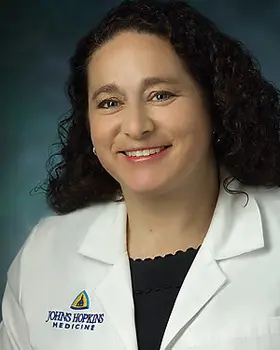
Dr. Stacy Fisher is a cardiologist in Baltimore, Maryland specializing in the care of adult congenital heart disease, pregnancy-related heart disease and congenital heart pulmonary hypertension. She is Associate Director of the Adult Congenital Heart Disease (ACHD) Center at the Johns Hopkins Heart and Vascular Institute and Director of the ACHD Training Program. She is also an Associate Professor of Medicine at the Johns Hopkins University School of Medicine. Her research focus is congenital heart disease in adults including pulmonary hypertension, inherited heart disease and 3D printing translational medicine. She is interested in imaging and using 3D modeling to advance cardiac care and education. Her education includes a Bachelor of Science degree in Microbiology from Miami University in Oxford, Ohio, and a Doctor of Medicine Degree from the University of Maryland School of Medicine in Baltimore, Maryland. She completed an internship and residency in Internal Medicine at Duke University in Durham, North Carolina. Her fellowship in cardiology was at the University of Rochester, Strong Memorial Hospital in Rochester, New York, including serving as the Chief Cardiology Fellow. She was then an Adult Congenital Heart Fellow at the University of Rochester, Strong Memorial Hospital. After completing her fellowship in 2001, she joined a Baltimore cardiology practice and was named Director of Women’s Cardiovascular Services and the Co-Director of the Cardiac Critical Care Unit at Sinai Hospital in Baltimore, positions which she held until 2011. She then joined University of Maryland School of Medicine as Director of Women’s and Complex Heart diseases where she started and directed the Adult Congenital Heart Program and practiced through 2022 when she joined Johns Hopkins. She was recently the President of the American Heart Association’s Greater Maryland Region. Videos Dr. Stacy Fisher. Dr. Fisher is highly rated in 38 conditions, according to our data. Her clinical expertise encompasses Arrhythmias, Familial Ventricular Tachycardia, Ventricular Tachycardia, Aortic Valve Replacement, and Transcatheter Aortic Valve Replacement (TAVR). Dr. Fisher is board certified in American Board Of Internal Medicine. Dr. Fisher is currently accepting new patients.

University Of Maryland Annapolis
Bulent Zaim is a Cardiologist practicing medicine in Annapolis, Maryland. Dr. Zaim is highly rated in 29 conditions, according to our data. His clinical expertise encompasses Dilated Cardiomyopathy (DCM), Acute Coronary Syndrome, Familial Neurocardiogenic Syncope, Heart Attack, and Pacemaker Implantation. Dr. Zaim is board certified in American Board Of Internal Medicine - Cardiovascular Disease, 1989 and American Board Of Internal Medicine - Internal Medicine, 1986. Dr. Zaim is currently accepting new patients.

Ascension Saint Agnes Heart Care
Jeffrey F. Cole, MD, is a cardiologist at Ascension Saint Agnes in Baltimore, MD. Dr. Cole received his medical degree from the University of Pennsylvania. He completed an internship and residency in internal medicine at Hahnemann University Hospital and a fellowship in cardiology at the University of Maryland Medical Center. He is a Fellow of the American College of Cardiology and specializes in coronary artery disease, preventive cardiology and clinical research. Dr. Cole is highly rated in 29 conditions, according to our data. His clinical expertise encompasses Coronary Heart Disease, Angina, Atrioventricular Septal Defect, and Partial Atrioventricular Canal. Dr. Cole is board certified in The American Board Of Internal Medicine - Cardiovascular Disease and The American Board Of Internal Medicine - Internal Medicine. Dr. Cole is currently accepting new patients.

University Of Maryland Waldorf
Gopalakrishnan Srinivasan is a Cardiologist practicing medicine in Waldorf, Maryland. Dr. Srinivasan is highly rated in 28 conditions, according to our data. His clinical expertise encompasses Hypertensive Heart Disease, Pediatric Myocarditis, Necrosis, and Coronary Heart Disease. Dr. Srinivasan is board certified in American Board Of Internal Medicine - Cardiovascular Disease, 1995. Dr. Srinivasan is currently accepting new patients.