Neurologist Search Results

The Johns Hopkins Hospital
Mohammad Khoshnoodi is a Neurologist practicing medicine in Baltimore, Maryland. Dr. Khoshnoodi is highly rated in 13 conditions, according to our data. His clinical expertise encompasses Peripheral Neuropathy, Miller-Fisher Syndrome, Chronic Polyradiculoneuritis, and Guillain-Barre Syndrome. Dr. Khoshnoodi is board certified in American Board Of Psychiatry And Neurology. Dr. Khoshnoodi is currently accepting new patients.

Johns Hopkins Health Care & Surgery Center - Green Spring Station, Lutherville
Dr. Jaishri Blakeley is the Marjorie Bloomberg Tiven Professor of Neurofibromatosis in Neurology, Oncology, and Neurosurgery at Johns Hopkins School of Medicine, director of the Johns Hopkins Comprehensive Neurofibromatosis Center and director of the Neurofibromatosis Therapeutic Acceleration Program (NTAP). She is an active clinician-scientist specializing in the care of people with NF1, NF2, LZTR1, SMARC1 schwannomatoses, and primary brain tumors. Her research expertise in the development of clinical trials for nervous system tumors and specifically, early clinical-translational studies including tumor pharmacokinetic and pharmacodynamic investigations, imaging biomarkers for rare nervous system tumors, and incorporation of patient-focused, functional endpoints into efficacy studies. She has been the national or international leader of 7 clinical trials focused on therapies for glioblastoma, NF1 and NF2. In 2012 she cofounded the NTAP to dramatically shift the landscape of NF1 via necessary, efficient, and expert discovery, translational and clinical research. NTAP focuses on therapeutics, fosters collaboration, facilitates open and timely sharing of results, and streamlines the research process to accelerate therapies for plexiform and cutaneous neurofibromas. Through NTAP, Dr. Blakeley has supported and collaborated with more than 80 laboratories and research teams across the globe enabling meaningful therapeutic development for NF1-associated neoplasms and supporting the development of an exceptional community of clinician scientists focused on NF1 via the Francis S. Collins Scholars Program in Neurofibromatosis Clinical and Translational Research. Her research and programmatic efforts are all in the service of improving outcomes for the patients with NF1, NF2, schwannomatosis, and primary brain cancer for whom she is honored to provide care. Dr. Blakeley is highly rated in 27 conditions, according to our data. Her clinical expertise encompasses Neurofibromatosis, Schwannomatosis, Neurofibromatosis Type 2 (NF2), Neurofibromatosis Type 1 (NF1), and Laminectomy. Dr. Blakeley is board certified in American Board Of Psychiatry And Neurology. Dr. Blakeley is currently accepting new patients.

Johns Hopkins Outpatient Center
Liana Rosenthal, M.D. is an Assistant Professor in the Department of Neurology at Johns Hopkins University School of Medicine in Baltimore, Maryland. Dr. Rosenthal completed medical school at Johns Hopkins with an internship at Johns Hopkins Bayview Medical Center. She completed her neurology residency and movement disorder fellowship at The Johns Hopkins Hospital. Dr. Rosenthal is highly rated in 27 conditions, according to our data. Her clinical expertise encompasses Movement Disorders, Parkinson's Disease, Olivopontocerebellar Atrophy, and Drug Induced Dyskinesia. Dr. Rosenthal is board certified in American Board Of Psychiatry And Neurology. Dr. Rosenthal is currently accepting new patients.

Kennedy Krieger Institute
Dr. Leung obtained her undergraduate degree in biochemical sciences from Harvard University. While attending medical school at Duke University, she completed a year-long research fellowship studying genetic markers of late-onset Alzheimer’s disease at the National Institute on Aging as part of the NIH Clinical Research Training Program. She completed her neurology residency and clinical neurophysiology fellowship at Stanford University Medical Center, and is currently a Ph.D. candidate in the graduate training program in clinical investigation at the Johns Hopkins Bloomberg School of Public Health. Dr. Leung joined the Center for Genetic Muscle Disorders at the Kennedy Krieger Institute as a translational research fellow in 2010 and was appointed to the faculty in 2014. Her clinic specializes in electromyography and the diagnosis and treatment of hereditary muscle diseases. Dr. Leung’s research focuses on the development of imaging biomarkers and outcome measures for muscle diseases. She is the principal investigator for a longitudinal cohort study of whole-body MRI in facioscapulohumeral muscular dystrophy. Dr. Leung is also a site principal investigator for the Ionis-DMPKRx trial, a phase Ib/IIa clinical trial of a novel RNA-based therapy for myotonic muscular dystrophy. Dr. Leung is highly rated in 21 conditions, according to our data. Her clinical expertise encompasses Facioscapulohumeral Muscular Dystrophy (FSHD), Dysferlinopathy, Myotonic Dystrophy, and Myotonic Dystrophy Type 2. Dr. Leung is board certified in American Board Of Psychiatry And Neurology. Dr. Leung is currently accepting new patients.

Johns Hopkins Bayview Medical Center
Dr. Michael Polydefkis focuses on neuromuscular diseases, particularly peripheral nerve diseases. He has a special interest in diabetic and HIV-associated peripheral neuropathy. His expertise includes nerve conduction studies, electromyography and nerve, skin and muscle biopsy reading. Dr. Michael Polydefkis received his medical degree from The Johns Hopkins University School of Medicine. He then became a Howard Hughes Medical Institute research fellow before returning to Johns Hopkins to complete an internship and residency in internal medicine, residency in neurology and a fellowship in neuromuscular diseases. Dr. Polydefkis is highly rated in 17 conditions, according to our data. His clinical expertise encompasses Transthyretin Amyloidosis, Familial Transthyretin Amyloidosis, Primary Amyloidosis, and Peripheral Neuropathy. Dr. Polydefkis is currently accepting new patients.

Johns Hopkins Outpatient Center
Brenda Banwell is the director of the Department of Pediatrics, as well as pediatrician-in-chief and co-director of Johns Hopkins Children’s Center, where she helps manage the hospital’s many clinical and research centers. Dr. Banwell is a renowned expert in the research and treatment of pediatric multiple sclerosis (MS) and other neuroimmune disorders. She specializes in and studies the use of neuroimaging to assess the clinical and cognitive impact of the conditions, as well as the function of the immune system in children with these disorders. She also created a standardized clinical care algorithm and clinical database in order to evaluate the clinical impact of MS. Dr. Banwell has published more than 250 manuscripts in high-impact journals, along with over 25 book chapters. In addition, she has over 200 national and international invited lectureships and visiting professorships. An advocate for pediatric multiple sclerosis needs and research, Dr. Banwell serves as chair of the International Medical and Scientific Board of the Multiple Sclerosis International Federation, and the Myelin Oligodendrocyte Glycoprotein Antibody–Associated Disease (MOGAD) International Research Consortium. She is also chair of the pediatric committee of the National Institutes of Health NeuroNEXT program, which conducts studies on treatments for neurological diseases through academic, private, and industry collaborations. Dr. Banwell currently serves as past-chair of the International Pediatric Multiple Sclerosis Study Group, Dr. Banwell earned her medical degree from the University of Western Ontario. She later completed a residency in pediatrics at the University of Western Ontario-Children's Hospital of Western Ontario and a second residency in pediatric neurology at University of Toronto – The Hospital for Sick Children. Her residencies were followed by a fellowship in neuromuscular research at Mayo Clinic. Dr. Banwell is highly rated in 16 conditions, according to our data. Her clinical expertise encompasses Multiple Sclerosis (MS), CACH Syndrome, Optic Neuritis, and Transverse Myelitis. Dr. Banwell is board certified in Royal College Of Physicians And Surgeons Of Canada. Dr. Banwell is currently accepting new patients.

Johns Hopkins Health Care & Surgery Center - Green Spring Station, Lutherville
Neurologist Scott Newsome specializes in the care of patients with neuroimmunological and neuroinflammatory disorders of the central nervous system. He works within the Division of Neuroimmunology and Neurological Infections at The Johns Hopkins Hospital, and has special interest in evaluating and treating patients with multiple sclerosis, transverse myelitis, neuromyelitis optica and stiff person syndrome. After completing fellowship training, Dr. Newsome joined the Johns Hopkins Multiple Sclerosis and Transverse Myelitis Centers, and he is the director of the Johns Hopkins Neurosciences Consultation and Infusion Center and the Stiff Person Syndrome Center. He is also director of the Johns Hopkins Neuroimmunology and Neurological Infectious Disease Fellowship Program and co-director of the Multiple Sclerosis Experimental Therapeutics Program. Dr. Newsome received his medical degree from the New York College of Osteopathic Medicine, with honors. During his neurology residency, he was awarded the Golden Apple Outstanding Resident Teaching Award, and later was chosen to be chief resident. He subsequently completed a fellowship in neuroimmunology at The Johns Hopkins Hospital with the support of a Sylvia Lawry Physician Fellowship Award from the National Multiple Sclerosis Society. Identifying and testing novel therapies and therapeutic strategies for multiple sclerosis and other neuroimmunological disorders is Dr. Newsome’s main research focus. Other research endeavors include validating the use of new quantitative clinical outcome measures and imaging techniques in multiple sclerosis and identifying risk factors of disease onset and severity, response to treatment and long-term outcomes in neuroimmunological disorders. An adviser for the National Multiple Sclerosis Society and a member of the Miller-Coulson Academy of Clinical Excellence, Dr. Newsome has also served as president of the Consortium of Multiple Sclerosis Centers. Dr. Newsome is highly rated in 15 conditions, according to our data. His clinical expertise encompasses Stiff Person Syndrome, Multiple Sclerosis (MS), Transverse Myelitis, and Relapsing Multiple Sclerosis (RMS). Dr. Newsome is board certified in American Board Of Psychiatry And Neurology. Dr. Newsome is currently accepting new patients.

Skip Viragh Outpatient Cancer Center
Karisa Schreck is co-director of the BRAF Brain Tumor Center at Johns Hopkins. Her research focuses on the development of small-molecule targeted therapies for patients with primary brain tumors. Dr. Schreck has specific expertise in the treatment of BRAF gene mutations. As such, she works with Christine Pratilas’ laboratory to investigate resistance mechanisms to BRAF-targeted therapy. Dr. Schreck also writes and runs clinical trials for novel targeted agents through the Comprehensive Brain Tumor Center and the Alliance for Clinical Trials in Oncology. Dr. Schreck is highly rated in 15 conditions, according to our data. Her clinical expertise encompasses Glioma, Brain Tumor, Astrocytoma, and Glioblastoma. Dr. Schreck is board certified in American Board Of Psychiatry And Neurology. Dr. Schreck is currently accepting new patients.

Johns Hopkins Bayview Medical Center
Dr. Peter Kaplan is Professor of Neurology and serves as the Director of Epilepsy and EEG at Johns Hopkins Bayview Medical Center. He focuses on epilepsy, clinical neurophysiology and nonconvulsive status epilepticus. He has written extensively about these subjects as well as about eclampsia and neurologic disease in women. Dr. Peter Kaplan received his medical training from St. Bartholomews Medical School, University of London. He then obtained membership to the Royal College of Physicians in England. He completed his residency in neurology at Duke University Medical Center. He completed fellowships in epilepsy and clinical neurophysiology at the same institution. Dr. Kaplan currently sees patients at the Johns Hopkins Bayview Medical Center on Tuesdays and Wednesdays. Dr. Kaplan is highly rated in 14 conditions, according to our data. His clinical expertise encompasses Seizures, Generalized Tonic-Clonic Seizure, Status Epilepticus, Epilepsy, and Awake Craniotomy. Dr. Kaplan is board certified in American Board Of Psychiatry And Neurology. Dr. Kaplan is currently accepting new patients.

Johns Hopkins Outpatient Center
Dr. Ahmet Hoke is Professor of Neurology and Neuroscience, W. W. Smith Charitable Trust Professor of Neuroimmunology at Johns Hopkins School of Medicine, Director of the Daniel B. Drachman Division of Neuromuscular Diseases and Director of the Merkin Peripheral Neuropathy and Nerve Regeneration Center at Johns Hopkins University School of Medicine. He completed his medical training at Hacettepe University School of Medicine in Ankara, Turkey followed by his PhD studies in developmental neuroscience at Case Western Reserve University in Cleveland, Ohio, and neurology residency at Johns Hopkins Hospital. After completing his neuromuscular training at University of Calgary, Canada, he returned to Johns Hopkins University as faculty and rose through the ranks. He is the recipient of several awards including Derek Denny Brown Young Neurological Scholar Award (2005) and Wolfe Neuropathy Research prize (2018) given by the American Neurological Association, Myung Memorial Lecture Award (2017) by the Korean Neurological Association, Nejat Eczacibasi Medical Scientist Award (2019) by the Eczacibasi Foundation, Turkey, and Alan J. Gebhart Prize in Excellence in Neuropathy Research (2022) by the Peripheral Nerve Society. He is an Ex-Officio member of the Board of Directors of the American Neurological Association, and Vice-President of the Toxic Neuropathy Consortium. He serves on several editorial boards and is the Editor-in-Chief of Annals of Clinical and Translational Neurology. Dr. Hoke is highly rated in 14 conditions, according to our data. His clinical expertise encompasses Wallerian Degeneration, Peripheral Neuropathy, Tomaculous Neuropathy, Spinal Muscular Atrophy with Arthrogryposis, and Prostatectomy. Dr. Hoke is board certified in American Board Of Psychiatry And Neurology. Dr. Hoke is currently accepting new patients.
The Kennedy Krieger Institute
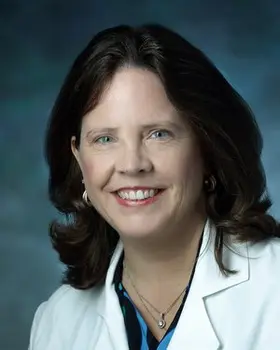
Dr. Comi graduated from SUNY Buffalo School of Medicine and received her training in pediatrics at the Children's Hospital of Buffalo and her child neurology training at Johns Hopkins Medicine. Her clinical specialization is in the treatment of the neurological aspects of Sturge-Weber syndrome and other disorders related to capillary malformation. Dr. Comi's clinical research interests focus on improving the early diagnosis and treatment of brain involvement in Sturge-Weber syndrome in order to prevent ischemic brain injury in affected infants and young children, and on studies to understand what causes Sturge-Weber syndrome. Her laboratory research work deals with the pathogenesis of Sturge-Weber syndrome, recently shown to be caused by a somatic mutation, and on developing new drug targets, screening assays, models and therapeutic strategies for Sturge-Weber syndrome. Her lab group also works on developing better neuroprotective and neuroregenerative responses to brain injury resulting from impaired blood flow to the brain. Dr. Comi is highly rated in 13 conditions, according to our data. Her clinical expertise encompasses Sturge-Weber Syndrome, Parkes Weber Syndrome, Epilepsy in Children, Seizures, and Endovascular Embolization. Dr. Comi is board certified in American Board Of Psychiatry And Neurology. Dr. Comi is currently accepting new patients.

Johns Hopkins Outpatient Center
Dr. Arun Venkatesan serves as Director of the Johns Hopkins Encephalitis Center, where he directs clinical activities and research. At the center he has developed a multidisciplinary program devoted to optimizing diagnosis and management of patients with infectious and autoimmune encephalitis and understanding mechanisms of disease in order to develop more effective treatments. He also plays an active role in the Johns Hopkins Multiple Sclerosis and Transverse Myelitis Centers. He received his undergraduate degree in biomedical engineering from the University of California, Berkeley in 1994, followed by a Ph.D. in microbiology and immunology and an M.D. from the University of California, Los Angeles. He completed his residency in neurology and fellowship in neuroinfectious and neuroinflammatory diseases at Johns Hopkins, after which he was appointed to the faculty in the department of neurology in 2007. His laboratory research focuses on defining causes and mechanisms of central nervous system injury in the setting of infection and neuroinflammation, with a goal towards developing protective and regenerative strategies. He has received funding from the National Institutes of Health, Howard Hughes Medical Institute, National Multiple Sclerosis Society, and Maryland Stem Cell Research Fund. Dr. Venkatesan is highly rated in 13 conditions, according to our data. His clinical expertise encompasses Encephalitis, Herpes Simplex Encephalitis, Anti-NMDA Receptor Encephalitis, and Multiple Sclerosis (MS). Dr. Venkatesan is board certified in American Board Of Psychiatry And Neurology. Dr. Venkatesan is currently accepting new patients.

Johns Hopkins Outpatient Center
Carlos Romo, M.D., is a neuro-oncologist in Baltimore, Maryland. Dr. Romo specializes in the diagnosis and treatment of brain tumors, including glioblastoma, astrocytomas, oligodendrogliomas, neurofibromas, and schwannomas among others. Dr. Romo earned his medical degree from the School of Medicine and Health Sciences at Tecnológico de Monterrey in Mexico and completed his Neurology residency at the University of Arkansas for Medical Sciences, where he served as chief resident. He then completed a Neuro-oncology clinical and research fellowship in a joint program between The Johns Hopkins University and the National Institutes of Health. Dr. Romo additionally trained as a clinical pharmacology fellow at The Johns Hopkins University and completed training on clinical cancer research at the University of Texas MD Anderson Cancer Center. In his research, Dr. Romo studies drug pharmacokinetics and the blood-brain barrier, and investigates better ways to reach tumors in the central nervous system. Dr. Romo also studies treatments for patient with neurofibromatosis. In addition to patient care and research, Dr. Romo teaches and mentors medical and undergraduate students to help develop a future generation of neurologists. Dr. Romo is highly rated in 13 conditions, according to our data. His clinical expertise encompasses Neurofibromatosis, Neurofibromatosis Type 1 (NF1), Schwannomatosis, and Neurofibromatosis Type 2 (NF2). Dr. Romo is board certified in American Board Of Psychiatry And Neurology. Dr. Romo is currently accepting new patients.

Johns Hopkins Outpatient Center
Dr. Pardo's interest in transverse myelitis centers on management of acute myelitis, biomarkers of the disease in cerebrospinal fluid (CSF) and blood, and the role of neuroimmune factors in the pathogenesis of myelopathies. Along with others neurologists and health care providers in the Johns Hopkins Transverse Myelitis Center, Dr. Pardo focuses on a comprehensive approach in the diagnosis and management of myelopathies, myelitis, neuroimmunological and neuroinfectious disorders. Dr. Pardo-Villamizar is highly rated in 12 conditions, according to our data. His clinical expertise encompasses Acute Flaccid Myelitis (AFM), Neurosarcoidosis, Transverse Myelitis, Zika Virus Disease, and Gastrostomy. Dr. Pardo-Villamizar is board certified in American Board Of Psychiatry And Neurology. Dr. Pardo-Villamizar is currently accepting new patients.

Johns Hopkins Outpatient Center
With fellowship training in neuro-ophthalmology and additional training in neuro-vestibular disorders, Dr. Daniel Gold sees patients with neuro-ophthalmic disorders (affecting vision, eyelids, pupils, or causing nystagmus or double vision) in addition to oto-neurologic disorders (causing dizziness and vertigo). Videos 2018 Best Consulting Physician Award Tele-(Dizzy) Medicine. Dr. Gold is highly rated in 12 conditions, according to our data. His clinical expertise encompasses Vertigo, Benign Paroxysmal Positional Vertigo, Brown Syndrome, and Stiff Person Syndrome. Dr. Gold is board certified in American Board Of Psychiatry And Neurology. Dr. Gold is currently accepting new patients.

Johns Hopkins Health Care & Surgery Center - Green Spring Station, Lutherville
Dr. Argye Hillis is a professor of Neurology, with joint faculty appointments in Physical Medicine and Rehabilitation and in Cognitive Science. She is also the Sheikh Khalifa Stroke Institute Professor of Acute Stroke Diagnoses and Management. Prior to medical training and neurology residency, Dr. Hillis worked as a speech-language pathologist, and conducted clinical research focusing on understanding and treating aphasia and hemispatial neglect. She has brought these areas of experience to impact on her clinical research in neurology, which involves cognitive and neuroimaging studies of aphasia and hemispatial neglect due to acute stroke and focal dementias. She has published extensively on these topics in journals and textbooks. Dr. Hillis is Associate Editor of Stroke and has served as Associate editor of Brain, Annals of Neurology, Aphasiology, American Journal of Speech-Language Pathology, Neurocase, Cognitive Neuropsychology, and Language and Cognitive Processes and served as co-Editor and Chief of Behavioral Neurology. Dr. Hillis serves as the Executive Vice Chair of the Department of Neurology and the Director of the Cerebrovascular Division of Neurology at Johns Hopkins. Dr. Hillis is highly rated in 11 conditions, according to our data. Her clinical expertise encompasses Primary Progressive Aphasia, Stroke, Frontotemporal Dementia, Thrombectomy, and Gastrostomy. Dr. Hillis is board certified in American Board Of Psychiatry And Neurology. Dr. Hillis is currently accepting new patients.

Johns Hopkins Outpatient Center
Dr. Gregory Krauss focuses on the evaluation and treatment of seizures and epilepsy. He has a particular interest in treating medically-resistant epilepsy, evaluating unexplained seizure-like episodes, treating seizures associated with tumor and systemic illnesses and family planning counseling for patients with epilepsy. Dr. Krauss also evaluates patients who have failed standard medical therapies for possible treatment with epilepsy surgery, investigational medications or vagal nerve stimulation. Dr. Gregory Krauss received his medical degree from Oregon Health Sciences University. He then completed an internship in medicine at Greenwich Hospital. He went on to complete both a residency in neurology and a fellowship in epilepsy and electrophysiology at The Johns Hopkins Hospital. Dr. Krauss currently sees patients at The Johns Hopkins Outpatient Center in Baltimore on Tuesdays and Wednesdays. Dr. Krauss is highly rated in 10 conditions, according to our data. His clinical expertise encompasses Seizures, Generalized Tonic-Clonic Seizure, Epilepsy, and Photosensitive Epilepsy. Dr. Krauss is board certified in American Board Of Psychiatry And Neurology. Dr. Krauss is currently accepting new patients.

Montgomery County
Tammy Tsuchida, MD, PhD, is a professor in the departments of Neurology and Pediatrics at the George Washington University School of Medicine and Health Sciences. She completed her fellowships in child neurology and neurophysiology at the University of California, San Francisco, after finishing medical school at Columbia University Vagelos College of Physicians and Surgeons in 1997. At Children's National Hospital, she is a co-director of the Hemimegalencephaly (HME) Program. She consults and teaches in the Neonatal Neurocritical Care Program and Comprehensive Pediatric Epilepsy Program. Her areas of interest are the study and clinical care of neonates and infants with brain injury, seizures and epilepsy as well as neonatal electroencephalogram (EEG). Dr. Tsuchida has made significant contributions to national EEG guidelines and international recommendations for managing neonatal seizures and epilepsy. Dr. Tsuchida is highly rated in 10 conditions, according to our data. Her clinical expertise encompasses Epilepsy in Children, Hemimegalencephaly, Seizures, Epilepsy, and Liver Embolization. Dr. Tsuchida is board certified in Clinical Neurophysiology: American Board Of Psychiatry And Neurology, 2009, Epilepsy: American Board Of Psychiatry And Neurology, 2018, and American Board Of Psychiatry And Neurology, 2003. Dr. Tsuchida is currently accepting new patients.

Johns Hopkins Outpatient Center
Dr. Nathan Crone focuses on the diagnosis and treatment of seizures and epilepsy, including the surgical treatment of epilepsy. He is also one of the attending physicians in the Epilepsy monitoring unit. Dr. Crone''s research interests include the real-time mapping of brain function to reduce the possibility of impacting brain function during surgery for epilepsy. He received his medical degree from Louisiana State University School of Medicine. He then completed his residency in neurology at the University of Chicago and fellowships in epilepsy and cognitive neurology at Johns Hopkins. Dr. Crone is highly rated in 10 conditions, according to our data. His clinical expertise encompasses Seizures, Epilepsy, Amyotrophic Lateral Sclerosis (ALS or Lou Gehrig's Disease), Generalized Tonic-Clonic Seizure, and Deep Brain Stimulation. Dr. Crone is board certified in American Board Of Psychiatry And Neurology. Dr. Crone is currently accepting new patients.

Johns Hopkins Health Care & Surgery Center - Green Spring Station, Lutherville
Dr. Mackenzie Cervenka focuses on the diagnosis and treatment of patients with seizures and epilepsy, including surgical treatment and dietary therapies. She is an attending physician in the Epilepsy Monitoring Unit. Her specific interests include evaluations for seizure surgery, continuous electroencephalography in the intensive care unit, epilepsy in women (including considerations during pregnancy), and dietary therapies for adults with epilepsy. Dr. Cervenka's research focuses the efficacy of Ketogenic diets in the treatment of adults with epilepsy. She also studies brain mapping in preparation for epilepsy surgery. Dr. Cervenka completed her undergraduate studies at the University of Virginia and received her medical degree from the University of Virginia School of Medicine. She then completed her internship in internal medicine and residency in neurology at the University of Maryland Medical Center. Dr. Cervenka completed a fellowship in epilepsy and clinical neurophysiology at Johns Hopkins. Dr. Cervenka currently sees patients in The Johns Hopkins Outpatient Center on Monday and Wednesday afternoons. She also sees patients in The Johns Hopkins Adult Epilepsy Diet Center on Friday mornings once a month. Dr. Cervenka is highly rated in 9 conditions, according to our data. Her clinical expertise encompasses Epilepsy, Seizures, Lennox-Gastaut Syndrome (LGS), and Status Epilepticus. Dr. Cervenka is board certified in American Board Of Psychiatry And Neurology. Dr. Cervenka is currently accepting new patients.

Johns Hopkins Outpatient Center
Elias Sotirchos, M.D., specializes in the diagnosis, management and treatment of neuroimmunological disorders that involve the central nervous system, including multiple sclerosis (MS), neuromyelitis optica spectrum disorder (NMOSD), and myelin oligodendrocyte glycoprotein antibody-associated disease (MOGAD). His research focuses on developing and validating novel imaging and blood-based biomarkers of these conditions, and clinical trials of experimental therapeutic agents. Dr. Sotirchos earned his medical degree from the National and Kapodistrian University of Athens and subsequently completed his internship and neurology residency training at The Johns Hopkins Hospital. He then pursued advanced clinical and research training in neuroimmunology at Johns Hopkins as a National MS Society Sylvia Lawry Fellow. Dr. Sotirchos is highly rated in 8 conditions, according to our data. His clinical expertise encompasses Optic Neuritis, Multiple Sclerosis (MS), Neuromyelitis Optica, and Transverse Myelitis. Dr. Sotirchos is board certified in American Board Of Psychiatry And Neurology. Dr. Sotirchos is currently accepting new patients.

Johns Hopkins Outpatient Center
Dr. Probasco is a professor at the Johns Hopkins University School of Medicine Department of Neurology. He is the Vice Chair for Quality, Safety, and Service for the department. He also serves as the Director of the Johns Hopkins Division of Advanced Clinical Neurology as well as the Medical Director of the Johns Hopkins Inpatient General Neurology Service. He co-directs the Johns Hopkins Encephalitis Center and the Johns Hopkins Center for Refractory Status Epilepticus and Neuroinflammation. He cares for general neurology inpatients and outpatients, specializing in autoimmune and paraneoplastic syndromes as well as neurological immune-related adverse events following immunotherapies for cancer. After completing his undergraduate studies in biochemistry at the University of New Mexico, Dr. Probasco attended the University of Oxford as a Rhodes Scholar and earned a second undergraduate degree in psychology, philosophy and physiology. He went on to earn his medical degree at the University of California, San Francisco. He completed an internship in internal medicine at Johns Hopkins Bayview Medical Center and a residency in neurology at Johns Hopkins, where he was the faculty liaison/executive chief resident. He went on to complete an instructorship in inpatient general neurology at Johns Hopkins. Dr. Probasco’s research interests include increasing care value through improving outcomes, incorporation of patient experience of disease and treatment, the efficiency of care delivery, and diagnostic test utilization in general and specifically in relation to autoimmune and paraneoplastic neurological syndromes, including encephalitis. Finally, he is interested in the management of neurological immune-related adverse events following immunotherapies for the treatment of cancer. Dr. Probasco has been recognized at the departmental, institutional, and national levels for teaching and clinical excellence, including the American Academy of Neurology’s A.B. Baker Teacher Recognition Award and the Frank L. Coulson, Jr. Award from the Johns Hopkins Medicine Miller-Coulson Academy of Clinical Excellence. He is a past graduate of the Johns Hopkins Armstrong Institute Resident Scholars (AIRS) program in Patient Safety and Quality. As a faculty member, he was inducted into the Miller-Coulson Academy of Clinical Excellence in 2019. He serves as Editor-in-Chief of NEJM Journal Watch Neurology. Videos The impact of COVID-19 on the Department of Neurology‚Äôs clinical care and medical education programs. Dr. Probasco is highly rated in 7 conditions, according to our data. His clinical expertise encompasses Encephalitis, Anti-NMDA Receptor Encephalitis, Status Epilepticus, Creutzfeldt-Jakob Disease, and Gastrostomy. Dr. Probasco is board certified in American Board Of Psychiatry And Neurology. Dr. Probasco is currently accepting new patients.

Johns Hopkins Bayview Medical Center
1988-1992, Assistant Professor, Department of Pharmacology, Semmelweis Medical University, Budapest, Hungary. 1992-1996, Instructor, Department of Anesthesiology and Critical Care Medicine, Johns Hopkins University School of Medicine, Baltimore, MD. 2001-2014, Assistant Professor, Division of Geriatric Medicine and Gerontology, Johns Hopkins University School of Medicine, Baltimore, MD. 2012-2014, Assistant Professor, Department of Neurology, Johns Hopkins University School of Medicine, Baltimore, MD. 2014-present, Associate Professor, Division of Geriatric Medicine and Gerontology, Johns Hopkins University School of Medicine, Baltimore, MD. 2014-present, Department of Neurology, Johns Hopkins University School of Medicine, Baltimore, MD. Dr. Yasar is highly rated in 7 conditions, according to our data. Her clinical expertise encompasses Normal Pressure Hydrocephalus, Hydrocephalus, Congenital Cardiovascular Shunt, and Dementia. Dr. Yasar is board certified in American Board Of Internal Medicine. Dr. Yasar is currently accepting new patients.

Johns Hopkins Bayview Medical Center
Dr. Elisabeth Marsh's clinical interest is in cerebrovascular neurology, and her clinical research focuses on stroke outcomes and recovery. Her clinical responsibilities include attending on the inpatient Stroke Service at the Johns Hopkins Hospital and inpatient Neurology Service at the Johns Hopkins Bayview Medical Center. In 2014, Dr. Marsh was named the Medical Director of the Comprehensive Stroke Program at the Johns Hopkins Bayview Medical Center. She implemented the Bayview Stroke Intervention Clinic (BaSIC), a multi-disciplinary follow-up clinic designed to promote patient follow-up, reduce hospital readmission rates, and enhance post-stroke recovery. Her current focus is on the under-reported neurologic deficits (particularly with respect to depression, fatigue, and cognition) that significantly impair long-term functional outcome and patient satisfaction, despite scores on metrics such as the NIH stroke scale that indicate a “good recovery”. She leads a team of vascular neurologists, emergency medicine physicians, neurosurgeons, interventional neuroradiologists, neurointensivists, and rehabilitation specialists, who work together to provide the highest level of care to all stroke patients, resulting in better functional outcomes and improved quality of life. She is also interested in the treatment of acute stroke and intracranial hemorrhage. Her past work has included evaluation of the predictors of hemorrhagic transformation following ischemic stroke. Using multivariable regression, she created a model that predicts rate of hemorrhagic transformation in patients with acute stroke on anticoagulation, the Hemorrhage Risk Stratification (HeRS) score. The tool is available for free through Apple by searching 'Johns Hopkins HeRS score' in the App Store. Dr. Marsh is highly rated in 7 conditions, according to our data. Her clinical expertise encompasses Stroke, Apoplexy, Transient Ischemic Attack (TIA), Thrombectomy, and Gastrostomy. Dr. Marsh is board certified in American Board Of Psychiatry And Neurology. Dr. Marsh is currently accepting new patients.

Johns Hopkins Outpatient Center
Dr. Mowry became interested in multiple sclerosis (MS) prior to beginning college and first performed MS research as an undergraduate biology major at Georgetown University. As a neurology resident at the University of Pennsylvania, she began her multiple sclerosis clinical research activities in conducting a study of visual dysfunction and quality of life in multiple sclerosis. During her fellowship at UCSF, Dr. Mowry evaluated prognostic factors in multiple sclerosis and examined health-related quality of life in multiple sclerosis, particularly as a marker of disease burden. She also earned a Master’s Degree in Clinical Research at UCSF. Dr. Mowry continued as a member of the faculty there before joining the Johns Hopkins Department of Neurology as an Assistant Professor in July, 2011; she received a joint appointment in Epidemiology in 2013. She was appointed as the inaugural Richard T. and Frances W. Johnson Professor in 2022. Over the past several years, Dr. Mowry has worked primarily to perform epidemiologic investigations of multiple sclerosis (MS) risk and prognostic factors and has evaluated both genetic and environmental contributors. While she has had a major role in several such studies, her most significant work led to the identification of the association of vitamin D status with relapse and brain lesion risk in patients with MS (Annals of Neurology 2010, Annals of Neurology 2012, European Journal of Neurology 2015). She also conducted the first pilot study comparing gut bacterial populations in patients with MS and healthy individuals (Journal of Investigative Medicine 2014). She was recently funded to investigate the impact of vitamin D supplementation on the metabolomics profile in patients with MS compared to healthy controls. She enjoys designing and conducting clinical trials in MS and is the Principal Investigator of the Vitamin D to Ameliorate Multiple Sclerosis (VIDAMS) multicenter vitamin D trial (NCT01490502), which is sponsored by the National MS Society and a smaller multicenter pilot study investigating vitamin D pharmacokinetics in MS patients and healthy controls (NCT01667796). She is also the recipient of a Harry Weaver Award from the National MS Society, in which she is investigating the impact of intermittent calorie restriction in MS. Finally, as Director of the MS Experimental Therapeutics Program at Johns Hopkins, she assists colleagues with study design and helps oversee the conduct of MS clinical trials. Dr. Mowry is highly rated in 6 conditions, according to our data. Her clinical expertise encompasses Multiple Sclerosis (MS), Relapsing Multiple Sclerosis (RMS), Optic Neuritis, and Neuromyelitis Optica. Dr. Mowry is board certified in American Board Of Psychiatry And Neurology. Dr. Mowry is currently accepting new patients.