Neurologist Search Results

Reading Hospital Neurology Suite 3020
Thomas Leahy is a Neurologist practicing medicine in West Reading, Pennsylvania. Dr. Leahy is highly rated in 24 conditions, according to our data. His clinical expertise encompasses Stroke, Seizures, Epilepsy, and Vertebral Artery Dissection. Dr. Leahy is board certified in American Board Of Psychiatry And Neurology.

Reading Hospital Neurology Suite 3020
Jasdeep Khurana is a Neurologist practicing medicine in West Reading, Pennsylvania. Dr. Khurana is highly rated in 17 conditions, according to our data. Her clinical expertise encompasses Seizures, Partial Familial Epilepsy, Memory Loss, and Partial Seizure. Dr. Khurana is board certified in American Board Of Psychiatry And Neurology.

Reading Hospital
Mohammad Khoshnoodi is a Neurologist practicing medicine in West Reading, Pennsylvania. Dr. Khoshnoodi is highly rated in 13 conditions, according to our data. His clinical expertise encompasses Peripheral Neuropathy, Chronic Polyradiculoneuritis, Guillain-Barre Syndrome, and Miller-Fisher Syndrome. Dr. Khoshnoodi is board certified in American Board Of Psychiatry And Neurology.

Reading Hospital Neurology Suite 3020
Jyoti Pillai is a Neurologist practicing medicine in West Reading, Pennsylvania. Dr. Pillai is highly rated in 13 conditions, according to our data. Her clinical expertise encompasses Seizures, Epilepsy, Memory Loss, and Generalized Tonic-Clonic Seizure. Dr. Pillai is board certified in American Board Of Psychiatry And Neurology.
Reading Hospital Neurology Suite 104
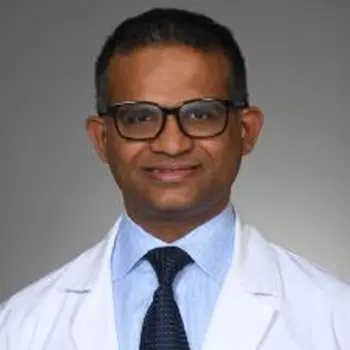
Dronacharya Lamichhane is a Neurologist practicing medicine in Wyomissing, Pennsylvania. Dr. Lamichhane is highly rated in 64 conditions, according to our data. His clinical expertise encompasses Movement Disorders, Parkinson's Disease, Secondary Parkinsonism, and Supranuclear Ocular Palsy. Dr. Lamichhane is board certified in American Board Of Psychiatry And Neurology.
Phoenixville Hospital
Konark Malhotra is a Neurologist practicing medicine in Phoenixville, Pennsylvania. Dr. Malhotra is highly rated in 6 conditions, according to our data. His clinical expertise encompasses Stroke, Multicentric Reticulohistiocytosis, Transient Ischemic Attack (TIA), Thrombectomy, and Stent Placement. Dr. Malhotra is board certified in American Board Of Psychiatry And Neurology.
Pottstown Hospital
Chad Miller is a Neurologist practicing medicine in Pottstown, Pennsylvania. Dr. Miller is highly rated in 4 conditions, according to our data. His clinical expertise encompasses Stroke, Subarachnoid Hemorrhage, Apoplexy, Transmyocardial Revascularization, and Stent Placement. Dr. Miller is board certified in American Board Of Psychiatry And Neurology.
Pottstown Hospital
Peter Nguyen is a Neurologist practicing medicine in Pottstown, Pennsylvania. Dr. Nguyen is highly rated in 4 conditions, according to our data. His clinical expertise encompasses Subarachnoid Hemorrhage, Stroke, Apoplexy, Cerebral Arteriovenous Malformation, and Gastrostomy. Dr. Nguyen is board certified in American Board Of Psychiatry And Neurology.
Pottstown Hospital
Varoon Thavapalan is a Neurologist practicing medicine in Pottstown, Pennsylvania. Dr. Thavapalan is highly rated in 2 conditions, according to our data. His clinical expertise encompasses Stroke, Subdural Hematoma, Chronic Subdural Hematoma, Microdiscectomy, and Herniated Disc Surgery. Dr. Thavapalan is board certified in American Board Of Psychiatry And Neurology.
Penn Neuroscience Center - Neurology
Eric Lancaster is a Neurologist practicing medicine in Philadelphia, Pennsylvania. Dr. Lancaster is highly rated in 95 conditions, according to our data. His clinical expertise encompasses Encephalitis, Anti-NMDA Receptor Encephalitis, Paraneoplastic Cerebellar Degeneration, and Isaacs' Syndrome. Dr. Lancaster is currently accepting new patients.

UPMC Hillman Cancer Center
Jan Drappatz, MD, is a neuro-oncologist, an associate professor at the University of Pittsburgh School of Medicine, and the director of the Neuro-oncology program at UPMC. Dr. Drappatz specializes in the treatment of primary and metastatic brain tumors and neurologic complications of cancer. Dr. Drappatz is highly rated in 27 conditions, according to our data. His clinical expertise encompasses Astrocytoma, Glioblastoma, Glioma, and Gliomatosis Cerebri. Dr. Drappatz is board certified in American Board Of Psychiatry And Neurology. Dr. Drappatz is currently accepting new patients.

Vickie & Jack Farber Institute For Neuroscience - Honickman Center
Michael Sperling is a Neurologist practicing medicine in Philadelphia, Pennsylvania. Dr. Sperling is highly rated in 25 conditions, according to our data. His clinical expertise encompasses Seizures, Epilepsy, Generalized Tonic-Clonic Seizure, Absence Seizure, and Deep Brain Stimulation. Dr. Sperling is board certified in Neurology. Dr. Sperling is currently accepting new patients.

Vickie & Jack Farber Institute For Neuroscience - Honickman Center
Goran Rakocevic is a Neurologist and a Neuromusculoskeletal Medicine provider practicing medicine in Philadelphia, Pennsylvania. Dr. Rakocevic is highly rated in 22 conditions, according to our data. His clinical expertise encompasses Stiff Person Syndrome, Inclusion Body Myositis, Myasthenia Gravis, and Spinal and Bulbar Muscular Atrophy. Dr. Rakocevic is board certified in Neuromuscular Medicine and Neurology. Dr. Rakocevic is currently accepting new patients.
Reading Hospital Neurology Suite 210
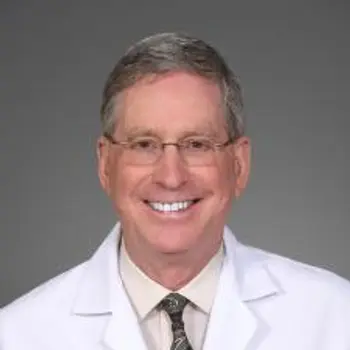
Clifford Reed is a Neurologist practicing medicine in West Reading, Pennsylvania. Dr. Reed is highly rated in 22 conditions, according to our data. His clinical expertise encompasses Multiple Sclerosis (MS), Relapsing Multiple Sclerosis (RMS), Migraine, and Migraine with Brainstem Aura. Dr. Reed is board certified in American Board Of Psychiatry And Neurology.

Reading Hospital Neurology Suite 3020
Tejinder Singh is a Neurologist practicing medicine in West Reading, Pennsylvania. Dr. Singh is highly rated in 21 conditions, according to our data. His clinical expertise encompasses Seizures, Epilepsy, Benign Rolandic Epilepsy, and Memory Loss. Dr. Singh is board certified in American Board Of Psychiatry And Neurology.

Vickie & Jack Farber Institute For Neuroscience - Honickman Center
Christopher Skidmore is a Neurologist practicing medicine in Philadelphia, Pennsylvania. Dr. Skidmore is highly rated in 17 conditions, according to our data. His clinical expertise encompasses Seizures, Epilepsy, Generalized Tonic-Clonic Seizure, Memory Loss, and Deep Brain Stimulation. Dr. Skidmore is board certified in Neurology, Epilepsy, Neurology, Clinical Neurophysiology, and Neurology. Dr. Skidmore is currently accepting new patients.

Vickie & Jack Farber Institute For Neuroscience - Honickman Center
Dr. Marinos Dalakas, MD is a Neurology Specialist in Philadelphia, PA and has over 50 years of experience in the medical field. He graduated from University Of Athens, School Of Health Sciences in 1972. He is affiliated with medical facilities Thomas Jefferson University Hospital and Jefferson Methodist Hospital. Dr. Dalakas is highly rated in 16 conditions, according to our data. His clinical expertise encompasses Stiff Person Syndrome, Chronic Inflammatory Demyelinating Polyneuropathy, Hereditary Hyperekplexia, Chronic Polyradiculoneuritis, and Laminectomy. Dr. Dalakas is board certified in Neurology. Dr. Dalakas is currently accepting new patients.

University Of Pittsburgh Physicians, Department Of Neurology
Raul Nogueira, MD, specializes in stroke and is board-certified in neurology by the American Board of Psychiatry and Neurology. He practices at UPMC Stroke Institute at Mercy. Dr. Nogueira completed his medical degree and residency at Universidade Federal do Ceará followed by a residency and fellowship at Massachusetts General Hospital - Harvard Medical School. Dr. Nogueira is highly rated in 15 conditions, according to our data. His clinical expertise encompasses Stroke, Subarachnoid Hemorrhage, Fibromuscular Dysplasia (FMD), Thrombectomy, and Stent Placement. Dr. Nogueira is board certified in American Board Of Psychiatry And Neurology.

Vickie & Jack Farber Institute For Neuroscience - Honickman Center
Maromi Nei is a Neurologist practicing medicine in Philadelphia, Pennsylvania. Dr. Nei is highly rated in 15 conditions, according to our data. Her clinical expertise encompasses Seizures, Generalized Tonic-Clonic Seizure, Epilepsy, and Memory Loss. Dr. Nei is board certified in Neurology, Epilepsy, Neurology, Clinical Neurophysiology, and Neurology. Dr. Nei is currently accepting new patients.

Jefferson Hospital For Neuroscience
Thomas Leist is a Neurologist practicing medicine in Philadelphia, Pennsylvania. Dr. Leist is highly rated in 14 conditions, according to our data. His clinical expertise encompasses Multiple Sclerosis (MS), Relapsing Multiple Sclerosis (RMS), Chronic Inflammatory Demyelinating Polyneuropathy, and Neuromyelitis Optica. Dr. Leist is board certified in Neurology. Dr. Leist is currently accepting new patients.
University Of Penn - Medical Group
Brett Cucchiara is a Neurologist practicing medicine in Philadelphia, Pennsylvania. Dr. Cucchiara is highly rated in 13 conditions, according to our data. His clinical expertise encompasses Stroke, Transient Ischemic Attack (TIA), Migraine with Brainstem Aura, Thrombectomy, and Transmyocardial Revascularization. Dr. Cucchiara is board certified in Vascular Neurology, American Board Of Psychiatry & Neurology.

University Of Pittsburgh Physicians
Parthasarathy Thirumala, MD, is a neurologist and is certified by the American Board of Psychiatry and Neurology. He is director of the Center of Clinical Neurophysiology and is a professor of Neurology at the University of Pittsburgh School of Medicine. He received his medical degree from Stanley Medical School and completed his residency and fellowship at UPMC. Dr. Thirumala is highly rated in 11 conditions, according to our data. His clinical expertise encompasses Glossopharyngeal Neuralgia, Herpes Zoster Oticus, Stroke, Microvascular Decompression, and Carotid Artery Surgery. Dr. Thirumala is board certified in American Board Of Psychiatry And Neurology and American Board Of Psychiatry And Neurology. Dr. Thirumala is currently accepting new patients.
St. Christopher's Pediatric Associates Neurology - Jenkintown
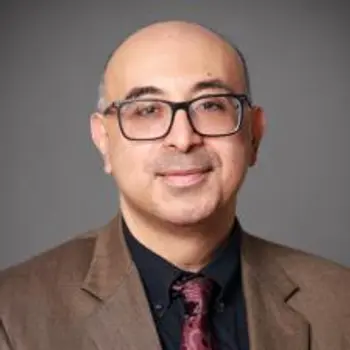
Sameh Morkous is a Neurologist and a Sleep Medicine provider practicing medicine in Jenkintown, Pennsylvania. Dr. Morkous is highly rated in 11 conditions, according to our data. His clinical expertise encompasses Seizures, Generalized Tonic-Clonic Seizure, Cramp-Fasciculation Syndrome, and GAPO Syndrome. Dr. Morkous is board certified in American Board Of Psychiatry And Neurology.

Children's Hospital Of Philadelphia
Nicholas Abend is a Pediatric Neurologist practicing medicine in Philadelphia, Pennsylvania. Dr. Abend is highly rated in 10 conditions, according to our data. His clinical expertise encompasses Status Epilepticus, Seizures, Epilepsy in Children, and Epilepsy. Dr. Abend is board certified in American Board Of Psychiatry And Neurology, Epilepsy, 2013 and American Board Of Psychiatry And Neurology, Neurology With Special Qualifications In Child Neurology, 2008.

UPMC Department Of Neurology
Page Pennell, MD, FAES, is a neurologist certified by the American Board of Psychiatry and Neurology. She is Henry B. Higman Professor of Neurology and chair of the Department of Neurology at the University of Pittsburgh School of Medicine. She received her medical degree from the University of Florida College of Medicine and completed her residency and fellowship at the University of Michigan Health System.Dr. Pennell is an expert in the management of women with epilepsy during pregnancy. Her research studies focus on improving mother and child outcomes in pregnant women with epilepsy, and the effects of hormones on seizures. She has served as President of the American Epilepsy Society and on the Board of Directors for several organizations, including the American Epilepsy Society and the Epilepsy Foundation.View the full list of Dr. Pennell's publications on PubMed. https://pubmed.ncbi.nlm.nih.gov/?term=Pennell+P&cauthor_id=31782407. Dr. Pennell is highly rated in 9 conditions, according to our data. Her clinical expertise encompasses Epilepsy, Seizures, Epilepsy in Children, and Generalized Tonic-Clonic Seizure. Dr. Pennell is board certified in American Board Of Psychiatry And Neurology and American Board Of Psychiatry And Neurology. Dr. Pennell is currently accepting new patients.