Neurosurgeon Search Results
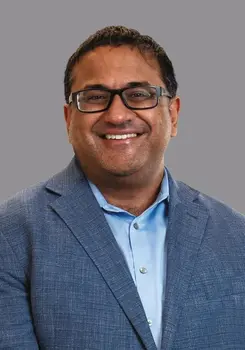
Texas Health Neurosurgery And Spine Specialists
Dr. Moneeb Ehtesham is a fellowship-trained neurosurgeon with specialized expertise in cerebrovascular/endovascular neurosurgery and complex spinal surgery. He has served in teaching and senior academic research and leadership capacities for over two decades. Dr. Ehtesham currently serves as an Associate Professor at the TCU Burnett School of Medicine. His areas of special focus include open and endovascular surgery for aneurysms and other cerebrovascular conditions as well as spinal surgery. Additionally, he has been recognized for his research in the areas of stem cell therapies and brain tumors. He was a recipient of the Young Investigator Award from the American Association of Neurological Surgeons and Congress of Neurological Surgeons.Dr. Ehtesham completed his neurological surgery residency at Vanderbilt University Medical Center in Nashville, where he served as chief resident in his final year. He also completed his neurointerventional/ endovascular neurosurgery fellowship at Vanderbilt. Dr. Ehtesham is a Diplomate of the American Board of Neurological Surgery and a Fellow of the American Association of Neurological Surgeons and the American College of Surgeons. Dr. Ehtesham is highly rated in 26 conditions, according to our data. His clinical expertise encompasses Subarachnoid Hemorrhage, Stroke, Subdural Hematoma, Laminectomy, and Stent Placement. Dr. Ehtesham is currently accepting new patients.
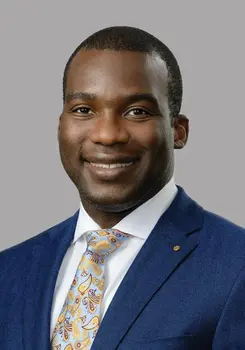
Texas Health Neurosurgery And Spine Specialists
"Dr. Olaide Ajayi is board-certified by the American Board of Neurological Surgeons and is a Fellow of the American Association of Neurological Surgeons. He is the Medical Director of Spine Surgery at Texas Health Harris Methodist Hospital in Fort Worth.Dr. Ajayi completed his Neurosurgery Residency as well as a Complex and Minimally Invasive Spine Fellowship at Loma Linda University Medical Center in Southern California. He also received his Medical Doctorate from the same institution. He has authored and contributed to many peer review publications on various neurosurgical and spine related topics.His areas of special focus include the surgical management of degenerative scoliosis, spine tumors, spine trauma, complex and minimally invasive spine surgery, and degenerative spine disease. Dr. Ajayi takes a comprehensive approach in the management of spinal disease, utilizing conservative treatment options when feasible, as well as minimally invasive and complex reconstructive approaches when necessary.Dr. Ajayi is a member of the North American Spine Society (NASS), American Association of Neurological Surgeons (AANS), Congress of Neurological Surgeons (CNS) and AANS/CNS Joint Spine Section.WATCH NOW:</h5>Patient Testimonial: North Texas Neurosurgical & Spine Center (Dr. Ajayi)</a>". Dr. Ajayi is highly rated in 23 conditions, according to our data. His clinical expertise encompasses Subdural Hematoma, Chronic Subdural Hematoma, Delirium, Microdiscectomy, and Herniated Disc Surgery. Dr. Ajayi is currently accepting new patients.

Axis Brain & Back Institute
Dr. Dixon is a board-certified, fellowship-trained neurosurgeon specializing in spine surgery and the surgical treatment of brain pathologies. Her surgical specialties include minimally invasive decompression and stabilization of cervical, thoracic, and lumbar fusions. Dr. Dixon prioritizes getting to know her patients and understanding their pain, joining them on their journey to recovery. “I have been a patient myself. I have had surgery. I understand what a person goes through and how scary it can be,” Dr. Dixon says. “It is so rewarding to see patients before and after. When they are able to play with their kids and grandkids.” Dr. Dixon is one of approximately 100 neurosurgeons nationally who are fellowship-trained in endovascular and microsurgical techniques for treating aneurysms, vascular malformations, carotid artery stenosis, and other vascular diseases. She completed her fellowship training at the Mayo Clinic and her neurosurgery residency at the Ohio University COM-Riverside Methodist/Grant Medical Center in Columbus. She received her medical degree from the University of New England COM. Dr. Dixon FACS FACOS is highly rated in 22 conditions, according to our data. Her clinical expertise encompasses Subdural Hematoma, Brain Aneurysm, Subarachnoid Hemorrhage, Laminectomy, and Awake Craniotomy. Dr. Dixon FACS FACOS is board certified in Neurological Surgery- American Osteopathic Board Of Surgery/Neurological Surgery and Neurological Surgery- American Osteopathic Board Of Surgery.
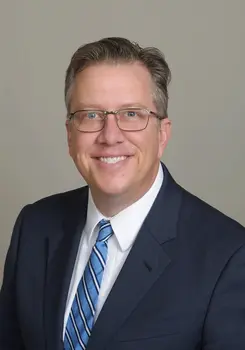
Texas Health Neurosurgery And Spine Specialists
Dr. Harvey is a board-certified neurosurgeon with fellowship training in complex spine surgery. He also completed a one-year fellowship in neurosurgical oncology at The University of Texas MD Anderson Cancer Center in Houston. Dr. Harvey's area of special focus is the treatment of brain and spine tumors with additional interest in spinal cord trauma. He is an Arizona native who received his medical degree from the Arizona College of Osteopathic Medicine at Midwestern University in Glendale before completing his residency training in neurosurgery at the University of Illinois in Bloomington. As part of his residency, Harvey completed his complex spine fellowship at the University of Illinois Peoria. In addition to practicing medicine, he is a Major in the United States Army Reserve Medical Corps. He speaks Finnish and some Spanish. Dr. Harvey is highly rated in 21 conditions, according to our data. His clinical expertise encompasses Subdural Hematoma, Chronic Subdural Hematoma, Delirium, Awake Craniotomy, and Bone Graft. Dr. Harvey is currently accepting new patients.
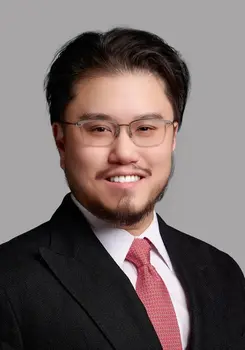
Texas Health Neurosurgery And Spine Specialists
Dr. Cyrus Wong is board-certified by the American Board of Neurological Surgery and a Fellow of the American Association of Neurological Surgeons (FAANS). After previously serving for years as the Division Chief of Neurosurgery at Texas Health Harris Methodist Hospital Fort Worth, he is currently Chair of the Department of Neurosciences, overseeing the three divisions of Neurosurgery, Neurology, and Neuro-Intensive care. Dr. Wong is also the longstanding Medical Director of Spinal Deformity and Complex Spine Surgery. In addition, he is a member of Texas Health Fort Worth’s Medical Executive Committee and Operations Cabinet, and previously served on its Ethics Council. Dr. Wong is involved in neurosurgical research and medical education as Assistant Professor at Texas Christian University School of Medicine and has been recognized as a “Top Doc” in Neurosurgery by Fort Worth Magazine and 360West Magazine over multiple years.Dr. Wong completed his residency in neurosurgery and fellowship training in complex spinal surgery at Vanderbilt University Medical Center in Nashville. He received his medical degree from the Johns Hopkins University School of Medicine in Baltimore, Maryland, where he played a part in the development of a novel brainstem tumor model.Dr. Wong has authored several chapters in widely published textbooks and presented at national and international conferences on the topic of spinal disease and its treatment. His unique expertise in spinal surgery includes the treatment of adult spinal deformity/scoliosis, complex spinal reconstruction, spinal tumors, as well as minimally invasive spine surgery. He also treats benign and malignant brain tumors.Dr. Wong is a Diplomate of the American Board of Neurological Surgery and a Fellow Member of the American Association of Neurological Surgeons (AANS), as well as a member of the Congress of Neurological Surgeons (CNS), AANS/CNS Joint Spine Section, AO Spine, and the North American Spine Society. Dr. Wong is highly rated in 17 conditions, according to our data. His clinical expertise encompasses Subdural Hematoma, Scoliosis, Chronic Subdural Hematoma, Laminectomy, and Microdiscectomy. Dr. Wong is currently accepting new patients.
Texas Health Neurosurgery And Spine Specialists
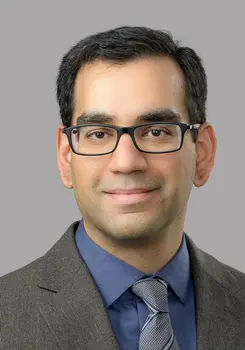
Dr. Ahmed Shakir brings in-depth clinical and teaching experience in neurosurgery to Texas Health Neurosurgery and Spine Specialists. He is board-certified by the American Board of Neurological Surgery and is fellowship-trained in spine surgery from Vanderbilt University Medical Center in Nashville. Dr. Shakir received his medical degree from The University of Texas Southwestern Medical School at Dallas before going on to complete his neurological surgery residency training at Medical College of Georgia in Augusta, GA. He has also worked as a clinical assistant professor in the Department of Neurosurgery at The University of Texas Health Science Center in San Antonio.Dr. Shakir’s special interests include spinal trauma, spinal oncology and degenerative spine disorders. He is a member of the American Association of Neurological Surgeons and Congress of Neurological Surgeons. Dr. Shakir is highly rated in 9 conditions, according to our data. His clinical expertise encompasses Stroke, Subdural Hematoma, Chronic Subdural Hematoma, Laminectomy, and Gastrostomy. Dr. Shakir is currently accepting new patients.

Feigenbaum Neurosurgery, PA
Dr. Frank Feigenbaum is a Board-Certified Neurosurgeon practicing in Dallas with extensive experience in treating Tarlov and meningeal cyst patients. Dr. Feigenbaum has developed and refined a surgical treatment for meningeal cysts with proven statistical results. Outcomes data reflect statistically significant improvement in a multitude of symptoms following surgery. He is also licensed in most of the United States of America. Dr. Feigenbaum also treats patients overseas. Dr. Feigenbaum is fully bilingual in English and Spanish and received his medical and surgical training at Georgetown University Medical Center in Washington, D.C. He is Board Certified by the American Association of Neurological Surgeons. In addition, he serves on the Medical Advisory Board of the Tarlov Cyst Foundation. Dr. Feigenbaum is the author of numerous journal articles and book chapters on meningeal cysts as well as other neurosurgical disorders.Dr. Feigenbaum’s personal interests include watching his children participate in numerous activities, travel, baseball, collecting contemporary art, golf, and Roman history. Dr. Feigenbaum is highly rated in 2 conditions, according to our data. His clinical expertise encompasses Tarlov Cysts, Meningocele, Spinal Tumor, Tethered Cord Syndrome, and Laminectomy. Dr. Feigenbaum is board certified in American Board Of Neurological Surgery.

UT Southwestern - Neurosurgery Clinic
Babu Welch is a Neurosurgery provider practicing medicine in Dallas, Texas. Dr. Welch is highly rated in 24 conditions, according to our data. His clinical expertise encompasses Brain Aneurysm, Cerebral Arteriovenous Malformation, Arteriovenous Malformation, Extracranial-Intracranial Bypass Surgery, and Cerebral Artery Bypass Surgery. Dr. Welch is currently accepting new patients.
Texas Health Neurosurgery And Spine Specialists
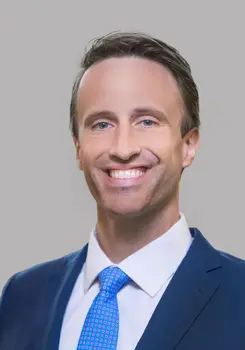
Dr. Joseph Quillin believes that the practice of neurosurgery is a tremendous privilege. His focus is on durable symptom relief, patient quality of life, maximum safe tumor resection, and the prevention of further neurological damage for his patients. His advanced training in brain, spine, and skull base/cerebrovascular disorders has enabled him to care for some of the most complex patients in neurosurgery. Dr. Quillin specializes in neurosurgical oncology and skull base surgery, using techniques such as radiotherapy and minimally invasive endoscopic surgery to promote tumor treatment and removal. He has served the DFW area since 2021.Dr. Quillin earned his medical degree at Louisiana State University Health Sciences Center in Shreveport. He completed his neurological surgery residency and fellowship training in neurological oncology at Emory University in Atlanta, Georgia. He also completed additional fellowship training in skull base/cerebrovascular surgery at Rutgers University in New Brunswick, N.J. Away from the office, Dr. Quillin has served as an ad hoc reviewer for publications including NEUROSURGERY, World Neurosurgery, and the Journal of Neuro-Oncology. He is a member of the American Association of Neurological Surgeons and Congress of Neurological Surgeons. Dr. Quillin is highly rated in 21 conditions, according to our data. His clinical expertise encompasses Meningioma, Pituitary Tumor, Chiari Malformation Type 1, Endoscopic Transnasal Transsphenoidal Surgery, and Awake Craniotomy. Dr. Quillin is currently accepting new patients.

UT Southwestern - Neurosurgery Clinic
Nader Pouratian is a Neurosurgery provider practicing medicine in Dallas, Texas. Dr. Pouratian is highly rated in 15 conditions, according to our data. His clinical expertise encompasses Essential Tremor, Movement Disorders, Parkinson's Disease, Deep Brain Stimulation, and Thalamotomy. Dr. Pouratian is currently accepting new patients.

Baylor College Of Medicine - Neurosurgery
Omar Tanweer, MD, is dedicated to delivering high-quality, compassionate care to Houston and nearby communities. Omar Tanweer specializes in Neurosurgery and works at BCM Neurosurgery. To make an appointment, please call (713) 798-4696. To review all accepted insurance carriers, please visit: https://www.stlukeshealth.org/patients-visitors/patients/billing-insurance/insurances-accepted. Dr. Tanweer is highly rated in 15 conditions, according to our data. His clinical expertise encompasses Subdural Hematoma, Chronic Subdural Hematoma, Stroke, Thrombectomy, and Stent Placement. Dr. Tanweer is currently accepting new patients.

Ascension Medical Group Providence Neurosurgery
Brett Dietze, MD, is a neurosurgeon at Ascension Medical Group Providence in Waco, Texas. He provides advanced care for head, neck and spine disorders. Dr. Dietze starts the conversation by listening to understand you and your health needs. Then, he delivers personalized neurosurgical care for your condition. Dr. Dietze is highly rated in 13 conditions, according to our data. His clinical expertise encompasses Invertebral Disc Disease, Spinal Stenosis, Subdural Hematoma, Microdiscectomy, and Cervical Disc Surgery. Dr. Dietze is board certified in The American Board Of Neurological Surgery - Neurological Surgery. Dr. Dietze is currently accepting new patients.

Baylor College Of Medicine - Neurosurgery
Dr. Viswanathan is fellowship trained in Stereotactic and Functional Neurosurgery, and his clinical practice focuses on deep brain stimulation, trigeminal neuralgia, cancer pain, and chronic pain. Conditions treated include Deep Brain Stimulation for movement disorders, Neurosurgery for pain, and stereotactic surgery. Dr. Viswanathan is highly rated in 12 conditions, according to our data. His clinical expertise encompasses Movement Disorders, Parkinson's Disease, Trigeminal Neuralgia, Cordotomy, and Deep Brain Stimulation. Dr. Viswanathan is currently accepting new patients.

BCM Neurosurgery
Sameer Sheth, MD, PhD, is a board-certified neurosurgeon in Houston, Texas. After completing his bachelor’s degree in Physics and Astronomy at Harvard University, Dr. Sheth earned both his medical degree and PhD from the University of California Los Angeles. Dr. Sheth then completed his residency and Fellowship in Stereotactic and Functional Neurosurgery at Massachusetts General Hospital, the teaching hospital of Harvard Medical School. As a clinician, Dr. Sheth treats patients with disorders such as epilepsy, Parkinson’s disease, essential tremor, and obsessive-compulsive disorder (OCD). He uses a combination of time-tested techniques and new minimally invasive approaches, including deep brain stimulation (DBS), laser therapy, robot-guided surgery, radiosurgery, and other neurosurgical procedures. As a researcher at Baylor College of Medicine, he develops novel therapies for neuropsychiatric disorders and studies the neurophysiological basis of how the human brain makes complex decisions. Recently, Dr. Sheth and his collaborators received an $8.5 million NIH grant to better understand the neurocircuitry of depression. Their study will look at possible causes for treatment-resistant depression and how physicians could use deep brain stimulation to treat this devastating illness. Conditions treated include Deep Brain stimulation for movement disorders and Laser Interstitial Thermal Therapy. Dr. Sheth is highly rated in 10 conditions, according to our data. His clinical expertise encompasses Movement Disorders, Epilepsy, Parkinson's Disease, Deep Brain Stimulation, and Thalamotomy. Dr. Sheth is currently accepting new patients.

Ascension Medical Group Seton - Neurosurgery Health Transformation Building
Ramsey R. Ashour, MD, is a neurosurgeon at Ascension Seton in Austin, Texas. He provides advanced care for head, neck and spine disorders. Dr. Ashour starts the conversation by listening to understand you and your health needs. Then, he delivers personalized neurosurgical care for your condition. Dr. Ashour is highly rated in 8 conditions, according to our data. His clinical expertise encompasses Stroke, Radiation Induced Meningioma, Meningioma, Transmyocardial Revascularization, and Stent Placement. Dr. Ashour is board certified in The American Board Of Neurological Surgery - Neurological Surgery. Dr. Ashour is currently accepting new patients.
Texas Health Neurosurgery And Spine Specialists
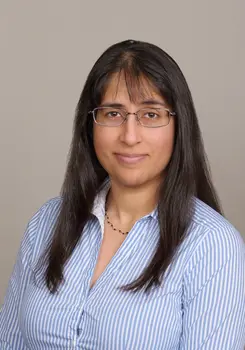
Neurosurgeon Anita Bhansali, M.D., is fellowship-trained in functional neurosurgery from the esteemed Swedish Neuroscience Institute, which is a leader in the comprehensive clinical care of neurological disorders. She is a Fellow of the American Association of Neurological Surgeons. Dr. Bhansali's areas of specialization include the evaluation and treatment of functional neurosurgical disorders such as epilepsy, movement disorders, and pain syndromes. Her additional areas of special interest and focus include the treatment of cervical spine instability and degenerative spine disease, and deep brain and nerve stimulation for Parkinson's disease and other neurological conditions.Dr. Bhansali earned her medical degree at the University of Washington School of Medicine in Seattle. She completed her neurological surgery residency at the University of Chicago Medical Center in Illinois before going on to complete her fellowship training at the Swedish Neuroscience Institute, also in Seattle. She is published in numerous medical journals and publications on a wide variety of topics in neurosurgery. Dr. Bhansali is highly rated in 8 conditions, according to our data. Her clinical expertise encompasses Subarachnoid Hemorrhage, Chronic Subdural Hematoma, Delirium, Deep Brain Stimulation, and Gastrostomy. Dr. Bhansali is currently accepting new patients.

Trinity Clinic
Paul Schmitt is a Neurosurgery provider practicing medicine in Corpus Christi, Texas. Dr. Schmitt is highly rated in 8 conditions, according to our data. His clinical expertise encompasses Brain Aneurysm, Subarachnoid Hemorrhage, Wyburn-Mason Syndrome, Extracranial-Intracranial Bypass Surgery, and Carotid Artery Surgery. Dr. Schmitt is board certified in American Board Of Neurological Surgery. Dr. Schmitt is currently accepting new patients.
Dallas Brain, Spine, And Skull Base Surgery
Joseph Beshay is a Neurosurgery provider practicing medicine in Dallas, Texas. Dr. Beshay is highly rated in 29 conditions, according to our data. His clinical expertise encompasses Meningioma, Spinal Stenosis, Posterior Fossa Tumor, Sacral Nerve Stimulation, and Awake Craniotomy. Dr. Beshay is currently accepting new patients.
UT Southwestern - Department Of Neurological Surgery
Jonathan White is a Neurosurgery provider practicing medicine in Dallas, Texas. Dr. White is highly rated in 27 conditions, according to our data. His clinical expertise encompasses Normal Pressure Hydrocephalus, Hydrocephalus, Brain Aneurysm, Microvascular Decompression, and Thrombectomy. Dr. White is currently accepting new patients.
Office
Shaan Raza is a Neurosurgery provider practicing medicine in Houston, Texas. Dr. Raza is highly rated in 22 conditions, according to our data. His clinical expertise encompasses Meningioma, Olfactory Neuroblastoma, Bone Tumor, Turbinectomy, and Awake Craniotomy.
Office
Marcus Smith is a Neurosurgery provider practicing medicine in Texarkana, Texas. Dr. Smith is highly rated in 17 conditions, according to our data. His clinical expertise encompasses Cervical Spondylosis, Fractured Spine, Subdural Hematoma, Laminectomy, and Bone Graft. Dr. Smith is currently accepting new patients.
University Of Texas Health Science Center San Antonio
Alexander Papanastassiou is a Neurosurgery provider practicing medicine in San Antonio, Texas. Dr. Papanastassiou is highly rated in 12 conditions, according to our data. His clinical expertise encompasses Parkinson's Disease, Hydrocephalus, Seizures, Deep Brain Stimulation, and Sacral Nerve Stimulation. Dr. Papanastassiou is currently accepting new patients.
Parkland Health And Hospital System
Alex Valadka is a Neurosurgery provider practicing medicine in Dallas, Texas. Dr. Valadka is highly rated in 10 conditions, according to our data. His clinical expertise encompasses Traumatic Brain Injury, Subdural Hematoma, Stroke, Craniectomy, and Gastrostomy. Dr. Valadka is currently accepting new patients.
Brain And Spine Specialists Of North Texas - Weatherford
Gregory Ward is a Neurosurgery provider practicing medicine in Weatherford, Texas. Dr. Ward is highly rated in 6 conditions, according to our data. His clinical expertise encompasses Spinal Stenosis, Invertebral Disc Disease, Hydrocephalus, Laminectomy, and Awake Craniotomy. Dr. Ward is currently accepting new patients.
Trinity Neuroscience Institute
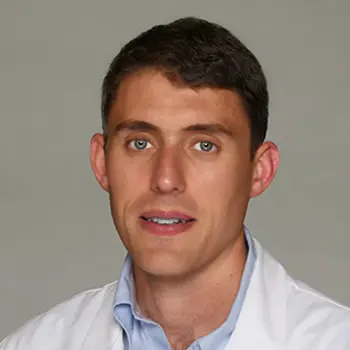
Nicholas Andrade is a Neurosurgery provider practicing medicine in Tyler, Texas. Dr. Andrade is highly rated in 51 conditions, according to our data. His clinical expertise encompasses Subdural Hematoma, Posterior Fossa Tumor, Primitive Neuroectodermal Tumor (PNET), Vertebroplasty, and Bone Graft. Dr. Andrade is board certified in American Board Of Neurological Surgery. Dr. Andrade is currently accepting new patients.