OBGYN Search Results

Dr. Ruano focuses his clinical and research efforts on developing and investigating new minimally invasive fetal therapies such as fetal endoscopic tracheal occlusion (FETO) for congenital diaphragmatic hernia, fetal cystoscopy for fetal bladder obstruction, in utero repair of fetal spina bifida, fetoscopic laser ablation for twin-twin transfusion syndrome, in utero ultrasound-guided treatment for fetal tumors, in utero fetal cardiac interventions and in utero treatment of congenital anomalies. He is also focused on new prenatal imaging technologies including ultrasonography and magnetic resonance imaging. Dr. Ruano is highly rated in 20 conditions, according to our data. His clinical expertise encompasses Diaphragmatic Hernia, Hernia, Lung Agenesis, Endoscopy, and Gastrostomy. Dr. Ruano is currently accepting new patients.
Johns Hopkins All Children's Hospital
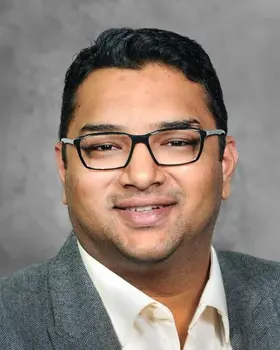
Dr. Doshi specializes in neonatology at Johns Hopkins All Children’s. He sees patients at Sarasota Memorial Hospital, Sarasota Memorial – Venice and HCA Florida Brandon Hospital, through a collaboration with Johns Hopkins All Children’s. He joined the hospital staff in 2025. Dr. Doshi’s clinical and research interests focus on the long-term outcomes among extremely prematurely born patients by monitoring targeted oxygen saturation, nutritional support for optimal growth, and strategies to reduce bronchopulmonary dysplasia rates. He was previously a neonatologist at Golisano Children’s Hospital of Southwest Florida in Fort Myers. He earned his medical degree from Saurashtra University in Surendranagar, India. He completed a residency in pediatrics at Staten Island University Hospital, followed by a fellowship in neonatal-perinatal medicine at Cohen Children’s Medical Center. He also earned a Master of Public Health in epidemiology from Florida International University. He speaks English, Gujarati and Hindi. Dr. Doshi is highly rated in 2 conditions, according to our data. His clinical expertise encompasses Infantile Pneumothorax, Bilirubin Encephalopathy, Transient Familial Hyperbilirubinemia, Gastroschisis, and Gastrostomy. Dr. Doshi is board certified in American Board Of Pediatrics.
Egil And Pauline Braathen Center/Maroone Cancer Center
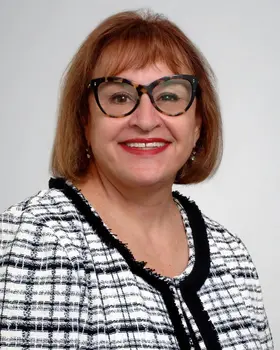
Claudia Mason is an Obstetrics and Gynecologist practicing medicine in Weston, Florida. She has been practicing medicine for over 53 years. Dr. Mason is highly rated in 23 conditions, according to our data. Her clinical expertise encompasses Female Genital Sores, Vaginal Cysts, Vaginal Dryness, Hydrocele, and Intrauterine Device Insertion. Dr. Mason is board certified in American Board Of Obstetrics And Gynecology, 1987.
Egil And Pauline Braathen Center/Maroone Cancer Center
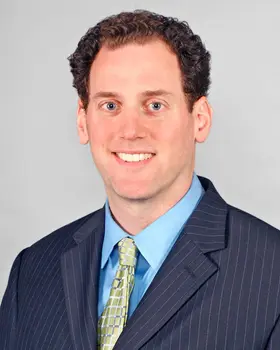
Eric Hurtado is an Obstetrics and Gynecologist practicing medicine in Weston, Florida. He has been practicing medicine for over 29 years. Dr. Hurtado is highly rated in 20 conditions, according to our data. His clinical expertise encompasses Uterine Prolapse, Urinary Incontinence, Stress Urinary Incontinence, Hysterectomy, and Endoscopy. Dr. Hurtado is board certified in American Board Of Obstetrics And Gynecology, 2013.
Egil And Pauline Braathen Center/Maroone Cancer Center
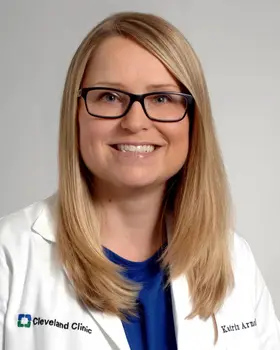
Katrin Arnolds is an Obstetrics and Gynecologist practicing medicine in Weston, Florida. Dr. Arnolds is highly rated in 20 conditions, according to our data. Her clinical expertise encompasses Uterine Fibroids, Solitary Fibrous Tumor, Carney Complex, Hysterectomy, and Intrauterine Device Insertion. Dr. Arnolds is board certified in American Board Of Obstetrics And Gynecology, 2015.
Coral Springs Family Health And Surgery Center
Pamela Padilla is an Obstetrics and Gynecologist practicing medicine in Parkland, Florida. Dr. Padilla is highly rated in 18 conditions, according to our data. Her clinical expertise encompasses Endometriosis, Uterine Fibroids, Angiomyoma, Hysterectomy, and Intrauterine Device Insertion. Dr. Padilla is board certified in American Board Of Obstetrics And Gynecology, 2022.
Coral Springs Family Health And Surgery Center
Tamilla Fork is an Obstetrics and Gynecologist practicing medicine in Parkland, Florida. She has been practicing medicine for over 38 years. Dr. Fork is highly rated in 18 conditions, according to our data. Her clinical expertise encompasses Vulvovaginitis, Pelvic Inflammatory Disease, Vitiligo, Carney Complex, and Intrauterine Device Insertion. Dr. Fork is board certified in American Board Of Obstetrics And Gynecology, 1999.
Tomsich Health And Medical Center Of Palm Beach County
Stephen Livingston is an Obstetrics and Gynecologist practicing medicine in West Palm Beach, Florida. Dr. Livingston is highly rated in 15 conditions, according to our data. His clinical expertise encompasses Pelvic Inflammatory Disease, Vulvovaginitis, Menopause, Vaginal Bleeding Between Periods, and Intrauterine Device Insertion. Dr. Livingston is board certified in American Board Of Obstetrics And Gynecology, 1994.

Pediatrix Medical Group, Inc.
Jared Roeckner is an Obstetrics and Gynecologist practicing medicine in Fort Myers, Florida. Dr. Roeckner is highly rated in 14 conditions, according to our data. His clinical expertise encompasses Endometritis, Pelvic Inflammatory Disease, Preeclampsia, Gestational Diabetes, and Gastrostomy. Dr. Roeckner is board certified in AB Obstetrics & Gynecology - Obstetrics & Gynecology and AB Obstetrics & Gynecology (Maternal-Fetal Medicine).

Matthew Schlumbrecht is an Oncologist and an Obstetrics and Gynecologist practicing medicine in Miami, Florida. Dr. Schlumbrecht is highly rated in 13 conditions, according to our data. His clinical expertise encompasses Ovarian Cancer, Endometrial Cancer, Cervical Cancer, Ovarian Carcinosarcoma, and Hysterectomy. Dr. Schlumbrecht is currently accepting new patients.

FL Urogynecology & Reconstructive Pelvic
Jason R. Thompson, MD, is an independent urogynecologist with a fellowship in female pelvic medicine and reconstructive surgery. As a urogynecologist at Ascension St. Vincent’s in Jacksonville, Florida, Dr. Thompson diagnoses and surgically treats urologic women's health conditions in the bladder and reproductive organs. Dr. Thompson is highly rated in 12 conditions, according to our data. His clinical expertise encompasses Levator Syndrome, Rectocele, Urinary Incontinence, Encopresis, and Bladder Reconstruction. Dr. Thompson is board certified in The American Board Of Obstetrics And Gynecology - Focused Practice Designation In Minimally Invasive Gynecologic Surgery, The American Board Of Obstetrics And Gynecology - Obstetrics And Gynecology, and The American Board Of Obstetrics And Gynecology - Urogynecology And Reconstructive Pelvic Surgery. Dr. Thompson is currently accepting new patients.

Orlando Health Women’s Institute Center For Urogynecology – Spring Lake
Dr. Charbel Salamon is a dual-board-certified urogynecologist and reconstructive pelvic surgeon. He serves as chief of urogynecology at the Orlando Health Women's Institute Center for Urogynecology. Dr. Salamon specializes in diagnosing and treating pelvic floor disorders, including: Urinary incontinence Pelvic organ prolapse (dropping of the bladder, uterus or vagina) Accidental bowel leaks (Fecal incontinence) Vaginal fistula repair Pelvic floor dysfunction Painful bladder syndrome, interstitial cystitis, recurrent UTIs Urethral diverticulum Dr. Salamon is an experienced surgeon who is skilled with minimally invasive, robotic and transvaginal approaches to urogynecology and reconstructive pelvic surgery. As a result, his patients have less pain and shorter recovery times. Dr. Salamon's Training Dr. Salamon received his medical training at St. Joseph's University French Faculty of Medicine in Beirut, Lebanon. He completed a residency in obstetrics and gynecology at the University of Medicine and Dentistry of New Jersey in Newark and a fellowship in urogynecology and reconstructive pelvic surgery at Mount Sinai School of Medicine in New Jersey. Dr. Salamon earned a master's degree in clinical research organization and management from Drexel University in Philadelphia. About Dr. Salamon Dr. Salamon is certified in gynecology and urogynecology and reconstructive pelvic surgery by the American Board of Obstetrics and Gynecology. He is a fellow of the American College of Surgeons and American College of Obstetrics and Gynecology and is an active member of several medical societies and associations. As an academic and clinical leader in urogynecology, Dr. Salamon has written dozens of peer-reviewed articles. He is a member of several national committees and participates in clinical research. He was named a Top New Jersey Doctor for seven consecutive years. Dr. Salamon is highly rated in 8 conditions, according to our data. His clinical expertise encompasses Uterine Prolapse, Frequent or Urgent Urination, Urinary Incontinence, Stress Urinary Incontinence, and Hysterectomy. Dr. Salamon is board certified in American Board Of Obstetrics & Gynecology - Urogynecology And Reconstructive Pelvic Surgery and American Board Of Obstetrics & Gynecology - Obstetrics & Gynecology.
Uf Health Women's Specialists-Emerson
Andrew Kaunitz is an Obstetrics and Gynecologist practicing medicine in Jacksonville, Florida. Dr. Kaunitz is highly rated in 7 conditions, according to our data. His clinical expertise encompasses Menopause, Menorrhagia, Newborn Low Blood Sugar, Hormone Replacement Therapy (HRT), and Salpingo-Oophorectomy.

Goldwasser Urogynecology
Steven E. Goldwasser, MD, is an independent urogynecologist with a fellowship in female pelvic medicine and reconstructive surgery. As a urogynecologist at Ascension St. Vincent’s in St. Augustine, Florida, Dr. Goldwasser diagnoses and surgically treats urologic women's health conditions in the bladder and reproductive organs. Dr. Goldwasser is highly rated in 6 conditions, according to our data. His clinical expertise encompasses Urinary Incontinence, Uterine Prolapse, Stress Urinary Incontinence, Rectocele, and Bladder Reconstruction. Dr. Goldwasser is board certified in The American Board Of Obstetrics And Gynecology - Obstetrics And Gynecology and The American Board Of Obstetrics And Gynecology - Urogynecology And Reconstructive Pelvic Surgery. Dr. Goldwasser is currently accepting new patients.

Orlando Health Medical Group Inc
Dr. Virgil Davila is a dual board-certified urogynecologist and reconstructive pelvic surgeon with the Orlando Health Women's Institute Center for Urogynecology. With 28 years of experience at Orlando Health, Dr. Davila is skilled in minimally invasive, robotic and transvaginal approaches to urogynecology and reconstructive pelvic surgery. As a result, his patients have less pain and shorter recovery times. He believes in being an advocate for his patients and strives to ensure they feel empowered and heard. Dr. Davila's Training Dr. Davila earned a bachelor's degree in chemistry at the University of Miami and his medical degree at Thomas Jefferson University in Philadelphia. He completed his residency at the Naval Medical Center in San Diego, where he served as chief resident in his final year. About Dr. Davila Dr. Davila is certified in urogynecology and reconstructive pelvic surgery by the American Board of Obstetrics and Gynecology and in minimally invasive surgery and robotic surgery by the American Association of Gynecologic Laparoscopists. He has earned additional certification in da Vinci robotic surgery. Dr. Davila is a fellow of the American Congress of Obstetricians and Gynecologists and a member of the American Urogynecologic Society, American Urological Association and International Urogynecology Association. As a lieutenant, he served as head of the OB-GYN department at the U.S. Naval Hospital in Guantanamo Bay, Cuba, and at the former Naval Hospital Orlando. Dr. Davila received a commendation medal for outstanding medical practice. He teaches medical students at Orlando Health Winnie Palmer. Dr. Davila is highly rated in 6 conditions, according to our data. His clinical expertise encompasses Uterine Prolapse, Stress Urinary Incontinence, Pelvic Inflammatory Disease, and Urinary Incontinence. Dr. Davila is board certified in American Board Of Obstetrics & Gynecology - Obstetrics & Gynecology and American Board Of Obstetrics & Gynecology - Urogynecology And Reconstructive Pelvic Surgery.
Martin Memorial Medical Group
Amanda Kalan is a Neonatologist practicing medicine in Port St Lucie, Florida. Dr. Kalan is highly rated in 5 conditions, according to our data. Her clinical expertise encompasses Polyhydramnios, Gestational Diabetes, Premature Infant, Intrauterine Device Insertion, and Salpingo-Oophorectomy. Dr. Kalan is board certified in American Board Of Obstetrics & Gynecology. Dr. Kalan is currently accepting new patients.

The Pelvic Floor Institute
Lennox Hoyte is an Obstetrics and Gynecologist practicing medicine in Bartow, Florida. Dr. Hoyte is highly rated in 5 conditions, according to our data. His clinical expertise encompasses Uterine Prolapse, Stress Urinary Incontinence, Urinary Incontinence, Bladder Reconstruction, and Salpingo-Oophorectomy. Dr. Hoyte is board certified in AB Obstetrics & Gynecology (Female Pelvic Medicine And Reco) and AB Obstetrics & Gynecology - Obstetrics & Gynecology.

Orlando Health Women's Institute Center For Maternal-Fetal Medicine - Clermont
Dr. Chinedu Nwabuobi is a board-certified maternal-fetal medicine physician at Orlando Health Women's Institute Center for Maternal Fetal Medicine. He has advanced training and expertise in conditions that may compromise the health or life of a pregnant person or fetus. His clinical and research interests include: Cardiac diseases in pregnancyHypertensive disorders of pregnancyFetal growth restrictionPreconception counseling and interpregnancy care Global health educationDr. Nwabuobi’s TrainingDr. Nwabuobi earned his bachelor’s degree in biology from Purchase College in Purchase, New York, and his master's degree in medical technology from SUNY Upstate Medical University in Syracuse, New York. He went on to obtain his medical degree from Albert Einstein College of Medicine in Bronx, New York.Following medical school, Dr. Nwabuobi completed a residency in obstetrics and gynecology at the University of Rochester Medical Center, where he was inducted into the Gold Humanism Honor Society and Alpha Omega Alpha Honor Medical Society for excellence in teaching and patient care. Dr. Nwabuobi completed a three-year fellowship in Maternal-Fetal Medicine at the University of South Florida Morsani College of Medicine, where he published extensively and won a research award.About Dr. NwabuobiDr. Nwabuobi is president and co-founder of Get Well Africa, a global health initiative focused on educational programs to reduce morbidity and mortality among pregnant women and children in sub-Saharan Africa. He is a member of the Society for Maternal Fetal Medicine, the American Congress of Obstetricians and Gynecologists, and the American Institute of Ultrasound in Medicine. Outside of work, Dr. Nwabuobi enjoys spending time with family and friends. He also likes to cook, dance, watch sports and travel for medical missions. Dr. Nwabuobi is highly rated in 4 conditions, according to our data. His clinical expertise encompasses Small for Gestational Age, Premature Infant, Preeclampsia, and Gestational Diabetes. Dr. Nwabuobi is board certified in American Board Of Obstetrics And Gynecology - Maternal Fetal Medicine and American Board Of Obstetrics And Gynecology - Obstetrics And Gynecology.

Orlando Health Women's Institute Center For Urogynecology - Winter Park
Dr. Keisha Dyer is a dual board-certified urogynecologist and reconstructive pelvic surgeon with the Orlando Health Women's Institute Center for Urogynecology. Dr. Dyer specializes in diagnosing and treating pelvic floor disorders, including: Urinary incontinence Pelvic organ prolapse (dropping of the bladder, uterus or vagina) Accidental bowel leaks (Fecal incontinence) Vaginal fistula repair Pelvic floor dysfunction Painful bladder syndrome, interstitial cystitis, recurrent UTIs Urethral diverticulum Dr. Dyer's Training She earned a bachelor's degree in molecular biology from Princeton University in New Jersey and her Master of Public Health (MPH) from Columbia University in New York City. Dr. Dyer received her medical degree from the University of Medicine and Dentistry of New Jersey in Newark, where she completed a residency in obstetrics, gynecology and women's health. She was named chief resident of the year by the faculty at Hackensack University Medical Center, their affiliate private hospital. Dr. Dyer completed a fellowship in urogynecology and reconstructive pelvic surgery at the University of California in San Diego. About Dr. Dyer Dr. Dyer is board certified in urogynecology and reconstructive pelvic surgery by the American Board of Obstetrics and Gynecology. She is a fellow of the American Congress of Obstetrics and Gynecology and serves on the board of directors for the American Urogynecologic Society and Pelvic Floor Disorders Research Foundation. Dr. Dyer has presented at conferences internationally and has been published in several peer-reviewed publications. Dr. Dyer is highly rated in 4 conditions, according to our data. Her clinical expertise encompasses Bowel Incontinence, Urinary Incontinence, Stress Urinary Incontinence, Loin Pain Hematuria Syndrome, and Sacral Nerve Stimulation. Dr. Dyer is board certified in American Board Of Obstetrics & Gynecology - Urogynecology And Reconstructive Pelvic Surgery and American Board Of Obstetrics & Gynecology - Obstetrics & Gynecology.

Ascension Sacred Heart Maternal Fetal Medicine
Neil B. Patel, MD, is a board-certified, experienced OBGYN and maternal-fetal medicine (MFM) specialist at Ascension Sacred Heart in Pensacola and Miramar Beach, Florida. Dr. Patel has a special interest in advanced ultrasound diagnostics and provides specialized care to mothers with high-risk pregnancies. He listens to understand your needs and then works with you to create a personalized care plan. Dr. Patel is highly rated in 3 conditions, according to our data. His clinical expertise encompasses High Blood Pressure in Infants, Diaphragmatic Hernia, Hernia, Spinal Fusion, and Percutaneous Coronary Intervention (PCI). Dr. Patel is board certified in The American Board Of Obstetrics And Gynecology - Obstetrics And Gynecology. Dr. Patel is currently accepting new patients.
Diana Health
Shawn Ramsey is an Obstetrics and Gynecologist practicing medicine in Tallahassee, Florida. Dr. Ramsey is highly rated in 22 conditions, according to our data. His clinical expertise encompasses Vaginal Bleeding Between Periods, Angiomyoma, Uterine Fibroids, Hormone Replacement Therapy (HRT), and Tubal Ligation. Dr. Ramsey is currently accepting new patients.
Institute For Women's Health And Body LLC
Amir Shariati is an Obstetrics and Gynecologist practicing medicine in West Palm Beach, Florida. Dr. Shariati is highly rated in 21 conditions, according to our data. His clinical expertise encompasses Urinary Incontinence, Uterine Prolapse, Stress Urinary Incontinence, and Frequent or Urgent Urination. Dr. Shariati is currently accepting new patients.
Jackson Medical Group-Health District
Carmen Tudela is an Obstetrics and Gynecologist practicing medicine in Miami, Florida. Dr. Tudela is highly rated in 19 conditions, according to our data. Her clinical expertise encompasses Angiomyoma, Uterine Fibroids, Ovarian Cysts, Neonatal Ovarian Cyst, and Intrauterine Device Insertion.
Pediatrix Medical Group Of California A Professional Corp
Reese Clark is a Neonatologist practicing medicine in Sunrise, Florida. Dr. Clark is highly rated in 18 conditions, according to our data. His clinical expertise encompasses Premature Infant, Necrotizing Enterocolitis, Bronchopulmonary Dysplasia, Patent Ductus Arteriosus, and Gastrostomy.
Jackson Maternal-Fetal Medicine Center-Kendall
Yvette Cordova is an Obstetrics and Gynecologist practicing medicine in Miami, Florida. Dr. Cordova is highly rated in 17 conditions, according to our data. Her clinical expertise encompasses Angiomyoma, Uterine Fibroids, Ovarian Cysts, Polyhydramnios, and Intrauterine Device Insertion.