25 of the Best Neurologists Near Me in Wexford, PA
Refine by health condition
- Alzheimer's Disease
- Amyotrophic Lateral Sclerosis (ALS or Lou Gehrig's Disease)
- Brain Aneurysm
- Brain Tumor
- Dementia
- Epilepsy
- Encephalitis
- Huntington Disease
- Long Haul COVID
- Lewy Body Dementia (LBD)
- Long Haul COVID
- Migraine
- Multiple Sclerosis (MS)
- Parkinson's Disease
- Peripheral Neuropathy
- Seizures
- Stroke
Neurologist Search Results
MediFind found 158 specialists near Wexford, PA
UPMC Hillman Cancer Center
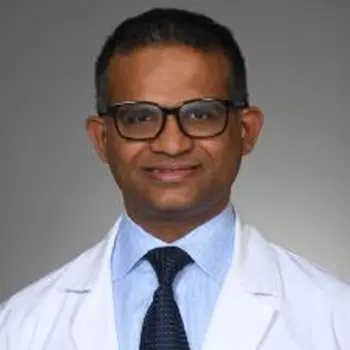
Jan Drappatz, MD, is a neuro-oncologist, an associate professor at the University of Pittsburgh School of Medicine, and the director of the Neuro-oncology program at UPMC. Dr. Drappatz specializes in the treatment of primary and metastatic brain tumors and neurologic complications of cancer. Dr. Drappatz is highly rated in 27 conditions, according to our data. His top areas of expertise are Astrocytoma, Glioblastoma, Glioma, and Gliomatosis Cerebri.
University Of Pittsburgh Physicians, Department Of Neurology
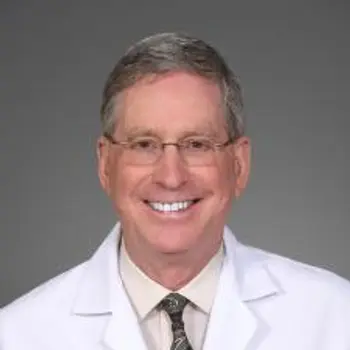
Raul Nogueira, MD, specializes in stroke and is board-certified in neurology by the American Board of Psychiatry and Neurology. He practices at UPMC Stroke Institute at Mercy. Dr. Nogueira completed his medical degree and residency at Universidade Federal do Ceará followed by a residency and fellowship at Massachusetts General Hospital - Harvard Medical School. Dr. Nogueira is highly rated in 15 conditions, according to our data. His top areas of expertise are Stroke, Subarachnoid Hemorrhage, Fibromuscular Dysplasia (FMD), Thrombectomy, and Stent Placement.
University Of Pittsburgh Physicians
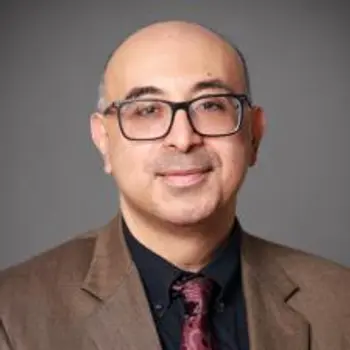
Parthasarathy Thirumala, MD, is a neurologist and is certified by the American Board of Psychiatry and Neurology. He is director of the Center of Clinical Neurophysiology and is a professor of Neurology at the University of Pittsburgh School of Medicine. He received his medical degree from Stanley Medical School and completed his residency and fellowship at UPMC. Dr. Thirumala is highly rated in 12 conditions, according to our data. His top areas of expertise are Glossopharyngeal Neuralgia, Stroke, Herpes Zoster Oticus, Microvascular Decompression, and Carotid Artery Surgery.
UPMC Department Of Neurology
Oscar Lopez, MD, FAAN, is a neurologist and serves as chief of the Division of Cognitive and Behavioral Neurology and director of the Alzheimer's Disease Research Center. He is also a professor of Neurology, Psychiatry, and Clinical and Translational Sciences at the University of Pittsburgh School of Medicine. He received his medical degree from the University of La Plata and completed his residency at Rivadavia Hospital, followed by his fellowship at UPMC.Dr. Lopez’s clinical interests include cognitive disorders of multiple etiologies, and his research interests include clinical symptoms and progression of Alzheimer’s disease and other dementias, biomarkers, and risk factors for Alzheimer’s disease in cognitively normal persons. He has published numerous articles in peer-reviewed journals and is a member of the American Academy of Neurology, the Royal Society of Medicine, the American Neurological Association, the American Society of Behavioral Neurology, and the International Psychogeriatric Association.View the full list of Dr. Lopez’s publications on PubMed. https://pubmed.ncbi.nlm.nih.gov/?term=Lopez%2C+OL. Dr. Lopez is highly rated in 11 conditions, according to our data. His top areas of expertise are Dementia, Alzheimer's Disease, Vascular Dementia, Memory Loss, and Carotid Artery Surgery.
UPMC Department Of Neurology
Page Pennell, MD, FAES, is a neurologist certified by the American Board of Psychiatry and Neurology. She is Henry B. Higman Professor of Neurology and chair of the Department of Neurology at the University of Pittsburgh School of Medicine. She received her medical degree from the University of Florida College of Medicine and completed her residency and fellowship at the University of Michigan Health System.Dr. Pennell is an expert in the management of women with epilepsy during pregnancy. Her research studies focus on improving mother and child outcomes in pregnant women with epilepsy, and the effects of hormones on seizures. She has served as President of the American Epilepsy Society and on the Board of Directors for several organizations, including the American Epilepsy Society and the Epilepsy Foundation.View the full list of Dr. Pennell's publications on PubMed. https://pubmed.ncbi.nlm.nih.gov/?term=Pennell+P&cauthor_id=31782407. Dr. Pennell is highly rated in 9 conditions, according to our data. Her top areas of expertise are Epilepsy, Seizures, Epilepsy in Children, and Generalized Tonic-Clonic Seizure.
UPMC Neurological Institute - Magee
James Sejvar, MD, specializes in neurology and is board certified in neurology by the American Board of Psychiatry and Neurology. He practices at University of Pittsburgh Physicians, Department of Neurology and is affiliated with UPMC East and UPMC McKeesport. Dr. Sejvar completed his fellowship at Centers for Disease Control and Prevention, residency at Mayo Clinic School of Graduate Medical Education, and medical education at Geisel School of Medicine at Dartmouth. Dr. Sejvar is highly rated in 8 conditions, according to our data. His top areas of expertise are Guillain-Barre Syndrome, Acute Flaccid Myelitis (AFM), Encephalitis, and Zika Virus Disease.
UPMC Department Of Neurology
Tharick Pascoal, MD, Ph.D., is a neurologist and assistant professor of Neurology and Psychiatry at the University of Pittsburgh School of Medicine. Dr. Pascoal’s clinical and research interests include cognitive disorders of multiple etiologies, including Alzheimer’s disease and other dementias. He has published several research papers in peer-reviewed journals which can be found here. Dr. Pascoal is highly rated in 7 conditions, according to our data. His top areas of expertise are Alzheimer's Disease, Dementia, Primary Amyloidosis, and Movement Disorders.
UPMC Department Of Neurology
Alexandra Urban, MD, FAAN, FAES, is the Vice Chair for Clinical Affairs and a Professor of Neurology at the University of Pittsburgh School of Medicine and UPMC. Her contributions to the field have been recognized by the American Academy of Neurology (AAN) and the American Epilepsy Society (AES), both of which have awarded her Fellow status. Dr. Urban is highly rated in 7 conditions, according to our data. Her top areas of expertise are Seizures, Epilepsy, Generalized Tonic-Clonic Seizure, Memory Loss, and Deep Brain Stimulation.
UPMC Neurological Institute - Magee
Jenny Linnoila, MD, PhD, specializes in neurology and is board-certified in neurology by the American Osteopathic Board of Neurology & Psychiatry. She practices at University of Pittsburgh Physicians, Department of Neurology and is affiliated with UPMC Magee-Womens Hospital and UPMC Shadyside. Dr. Linnoila completed her medical education at University of Pittsburgh School of Medicine, residency at Massachusetts General Hospital - Harvard Medical School, and fellowship at Mayo Clinic School of Graduate Medical Education. Dr. Linnoila is highly rated in 4 conditions, according to our data. Her top areas of expertise are Encephalitis, Anti-NMDA Receptor Encephalitis, Rasmussen Encephalitis, and Herpes Simplex Encephalitis.
University Of Pittsburgh Physicians, Department Of Neurology
Marcelo Rocha, MD, is a neurologist and is certified by the American Board of Psychiatry and Neurology. He is director of the NIH StrokeNET Research Fellowship and is an assistant professor in the Department of Neurology at the University of Pittsburgh School of Medicine. He received his medical degree from Rutgers Robert Wood Johnson Medical School and completed his residency at Brigham and Women’s Hospital, followed by his fellowship at UPMC.Dr. Rocha’s clinical and research interests focus on the management, diagnosis, and prevention of acute stroke. The goal of his research is to identify the pathophysiological mechanisms of individual tolerance to different sub-types of ischemic stroke. He has published numerous articles in peer-reviewed journals and is a member of the American Academy of Neurology, the American Stroke Association/AHA, and the European Stroke Organization.View the full list of Dr. Rocha’s publications on PubMed.https://pubmed.ncbi.nlm.nih.gov/?term=Rocha%2C+Marcelo. Dr. Rocha is highly rated in 2 conditions, according to our data. His top areas of expertise are Stroke, Apoplexy, Vasoconstriction, Thrombectomy, and Stent Placement.
Office
Frank Lieberman is a Neurologist in Pittsburgh, Pennsylvania. Dr. Lieberman is highly rated in 23 conditions, according to our data. His top areas of expertise are Glioblastoma, Astrocytoma, Glioma, and Gliomatosis Cerebri.
Allegheny Clinic
James Valeriano is a Neurologist in Pittsburgh, Pennsylvania. Dr. Valeriano is highly rated in 19 conditions, according to our data. His top areas of expertise are Seizures, Lennox-Gastaut Syndrome (LGS), Generalized Tonic-Clonic Seizure, and Memory Loss.
West Penn Hosp Outpatient SVCS Allegheny
Tulika Ranjan is a Neurologist in Pittsburgh, Pennsylvania. Dr. Ranjan is highly rated in 18 conditions, according to our data. Her top areas of expertise are Astrocytoma, Glioblastoma, Glioma, and Brain Tumor.
David M Lobas, MD, Ltd
David Lobas is a Neurologist in Pittsburgh, Pennsylvania. Dr. Lobas is highly rated in 10 conditions, according to our data. His top areas of expertise are Seizures, Generalized Tonic-Clonic Seizure, Epilepsy with Myoclonic-Atonic Seizures, and Myoclonic Epilepsy.
UPMC Presbyterian
Alhamza Al is a Neurologist in Pittsburgh, Pennsylvania. Dr. Al is highly rated in 9 conditions, according to our data. His top areas of expertise are Stroke, Fibromuscular Dysplasia (FMD), Chronic Subdural Hematoma, Thrombectomy, and Stent Placement.
Office
Thomas Scott is a Neurologist in Pittsburgh, Pennsylvania. Dr. Scott is highly rated in 8 conditions, according to our data. His top areas of expertise are Multiple Sclerosis (MS), Relapsing Multiple Sclerosis (RMS), Neurosarcoidosis, and Transverse Myelitis.
Office
Sandeep Rana is a Neurologist in Pittsburgh, Pennsylvania. Dr. Rana is highly rated in 8 conditions, according to our data. His top areas of expertise are Amyotrophic Lateral Sclerosis (ALS or Lou Gehrig's Disease), Spinal Muscular Atrophy Type 3, Spinal and Bulbar Muscular Atrophy, Thrombectomy, and Transmyocardial Revascularization.
AHN Nephrology Associates
Andrea Synowiec is a Neurologist in Pittsburgh, Pennsylvania. Dr. Synowiec is highly rated in 7 conditions, according to our data. Her top areas of expertise are Seizures, Migraine, Generalized Tonic-Clonic Seizure, and Status Epilepticus.
University Of Pittsburgh Physicians
Anto Bagic is a Neurologist in Pittsburgh, Pennsylvania. Dr. Bagic is highly rated in 6 conditions, according to our data. His top areas of expertise are Seizures, Epilepsy, Generalized Tonic-Clonic Seizure, and Memory Loss.
UPMC Children's Hospital Of Pittsburgh
Hoda Abdel is a Neurologist in Pittsburgh, Pennsylvania. Dr. Abdel is highly rated in 3 conditions, according to our data. Her top areas of expertise are Duchenne Muscular Dystrophy, Becker Muscular Dystrophy, Cramp-Fasciculation Syndrome, and Nemaline Myopathy.
UPMC Presbyterian
Katherine Anetakis is a Neurologist in Pittsburgh, Pennsylvania. Dr. Anetakis is highly rated in 3 conditions, according to our data. Her top areas of expertise are Spinal Tumor, Delirium, Spinal Stenosis, Carotid Artery Surgery, and Microvascular Decompression.
Child Neurology In Wexford
Shelley Williams, MD, returned in 2007 to the Division of Child Neurology at UPMC Children's Hospital of Pittsburgh after two years at SUNY Upstate Medical University, Syracuse, N.Y. Dr. Williams completed fellowships in child neurology and pediatric epilepsy, as well as her pediatrics residency, at UPMC Children's Hospital. Her medical degree is from Bowman Gray School of Medicine, Wake Forest University, Winston-Salem, N.C. In addition, she has specialty certifications in clinical neurophysiology and child neurology and epilepsy. She directs the pediatric clinical neurophysiology fellow ship program and serves as director of the ketogenic diet and tuberous sclerosis specialty clinics. Her top areas of expertise are Early Infantile Epileptic Encephalopathy, Autosomal Recessive Congenital Methemoglobinemia, PEPCK 1 Deficiency, and Dihydrolipoamide Dehydrogenase Deficiency.
Child Neurology In Wexford
Katherine Cobb-Pitstick, MD, is a neurologist and joined the Division of Child Neurology at UPMC Children’s Hospital of Pittsburgh in September 2021. She is the associate director for medical student education and is an assistant professor of Pediatrics at the University of Pittsburgh School of Medicine. She received her medical degree from the University of Cincinnati College of Medicine and completed her residency at UPMC Children’s Hospital, followed by her fellowship at UPMC.Dr. Cobb-Pitstick’s clinical and research interests include headache medicine and accompanying behavioral comorbidities. She has been the lead author on three studies involving various aspects of migraine and she is an active member of the American Headache Society, the Pediatric Neurology Society, and the American Academy of Neurology.View the full list of Dr. Cobb-Pitstick’s publications on PubMed. Her top area of expertise is Alternating Hemiplegia of Childhood.
UPMC Neurological Institute - Wexford
Priya Cardone, DO, is a Movement Disorders Neurologist and is certified by the American Board of Psychiatry and Neurology. She is a Clinical Assistant Professor at the University of Pittsburgh School of Medicine. She received her medical degree from Lake Erie College of Osteopathic Medicine and completed her residency and subsequent Movement Neurology fellowship at University of Connecticut Hartford Hospital. Her top areas of expertise are Essential Tremor, Movement Disorders, Parkinson's Disease, and Peripheral Neuropathy.
UPMC Neurological Institute-Mercy
Marina Zaretskaya, MD, is a physician and is certified by the American Board of Psychiatry and Neurology. She received her medical degree from the Moscow Institute of Medicine and Dentistry and completed her residency at the Clinical Emergency Hospital and the University of Pittsburgh School of Medicine, followed by her fellowship at the University of Pittsburgh School of Medicine. Dr. Zaretskaya is highly rated in 27 conditions, according to our data. Her top areas of expertise are Seizures, Myasthenia Gravis, Post-Traumatic Epilepsy, and Serotonin Syndrome.
What is a neurologist?
A neurologist is a doctor who diagnoses and treats problems with the nervous system. The nervous system is made up of the brain, spinal cord, and nerves, which send messages between the brain and the rest of the body. A neurologist helps with conditions that affect how the body moves, feels, and thinks. For example, if someone has a lot of migraines, memory problems, or trouble with fine motor skills, a neurologist will run tests to figure out what’s causing those issues, then work with the patient on a treatment plan.
What conditions are commonly treated by neurologists?
Neurologists treat many conditions affecting the nervous system. Some of the most common examples include:
- Migraines, which are intense headaches that come with other symptoms like nausea and sensitivity to light and sound
- Epilepsy, which causes reoccurring seizures, which are sudden bursts of electrical activity in the brain
- Strokes, which happen when blood supply to the brain is interrupted, causing brain damage that can lead to problems with speech or movement
- Parkinson’s disease, which impairs movement, causing symptoms like tremors, stiffness, and trouble with balance and coordination
- Alzheimer’s disease, which affects memory and cognition, leading to problems with thinking, remembering, and making decisions
- Multiple sclerosis, a muscle disorder in which the immune system attacks the nervous system, causing muscle weakness and balance issues
- Obstructive sleep apnea, a sleep disorder in which breathing repeatedly stops and starts during sleep, leading to poor sleep quality and other health problems
What tests are performed by a neurologist?
Neurologists use several tests to diagnose and monitor neurological conditions. They might use imaging tests like MRI (Magnetic Resonance Imaging) and CT (Computed Tomography) scans to take pictures of the brain and spinal cord. An EEG (Electroencephalogram) measures electrical activity in the brain to check for problems like epilepsy. Neurologists may also conduct a lumbar puncture (spinal tap) to look for signs of infection or disease. Blood tests and cognitive evaluations, like memory tests, may also be used to gather more information.
What neurological symptoms shouldn’t be ignored?
According to Yale Medicine, doctors usually start with blood tests to check for unusual cells or changes in
Some neurological symptoms can be signs of serious conditions and should not be ignored. These include:
- Sudden, severe headaches that feel different from what you’ve had before
- Unexplained weakness or numbness in your arms or legs
- Changes in how you see, speak, or move around
- Trouble remembering or making decisions
It’s important to seek medical care as soon as possible if you experience these symptoms because they could be signs of something more serious such as a stroke, brain injury, or neurological disease.
What causes neurological disorders?
Different neurological conditions can have different causes, like genetic problems, infections, injuries, or exposure to things in the environment. Some disorders, such as Alzheimer’s disease, are linked to aging and the slow breakdown of brain cells. Others, like multiple sclerosis, happen when the immune system attacks the body’s own nerve cells by mistake. Traumatic injuries, like concussions, can also cause neurological problems. In some cases, the exact cause of a neurological disorder is unknown. For example, with Parkinson’s disease, doctors don’t know why some people develop it while others don’t, despite ongoing research.
When should I see a Neurologist near Wexford, PA?
There are various reasons why you may want to see a specialist, such as:
- Your primary care provider recommends it.
- Your condition requires expert knowledge and specialized care.
- Your symptoms persist or worsen despite treatment.
- You need specialized testing or procedures.
- You want a second opinion.
What should I consider when choosing a Neurologist near Wexford, PA?
It’s important to see a provider with expertise in your specific condition. Each provider profile in MediFind’s doctor database includes information on which conditions they treat, years of experience, research contributions, languages spoken, insurance plans accepted, and more.
How do I find the best Neurologist near Wexford, PA?
You can find a Neurologist in any of the 10 largest U.S. cities by clicking below:
Neurologist near New York, NY
Neurologist near Los Angeles, CA
Neurologist near Chicago, IL
Neurologist near Houston, TX
Neurologist near Phoenix, AZ
Neurologist near Philadelphia, PA
Neurologist near Atlanta, GA
Neurologist near Boston, MA
Neurologist near Dallas, TX
Neurologist near San Jose, CA
How does MediFind rank Neurologists near Wexford, PA?
MediFind’s rankings are based on a variety of data sources, such as the number of articles a doctor has published in medical journals, participation in clinical trials and industry conferences, as well as the number of patients that provider sees for a given condition. Note that MediFind’s provider database is not based on user reviews, and providers do not pay to be included in the database.
What types of insurance are accepted by Neurologists near Wexford, PA?
Most profiles in MediFind’s doctor database include a list of insurance plans accepted by that provider. However, it’s a good idea to contact the provider’s office to make sure they still accept your insurance, then doublecheck by contacting your insurance plan to confirm they’re in network.
How can I book an appointment online with a Neurologist in Wexford?
MediFind offers direct scheduling for certain providers using the “Request Appointment” button on that provider’s profile. If the schedule option is not available for a provider, tap the red “Show Phone Number” button on their profile to get their contact information. If you prefer to find providers who offer online scheduling, select “Schedules online” under the “Availability” category of the filter feature on the left side of the Neurologist search results page.
Why is it important to get a second opinion from a different Neurologist?
Second opinions are an opportunity to confirm a diagnosis and its root cause, learn about alternative treatment options, or simply gain peace of mind. Many people, especially those with serious diagnoses, get second opinions so they can understand all their options and make informed decisions, so don’t hesitate to get one if you have any doubts or need more information or clarification regarding your care. Note that some insurance plans require second opinions, while others don’t cover second opinions, so be sure to confirm with your insurance provider first.
How can I prepare for my appointment with a Neurologist near Wexford, PA?
Prepare for your appointment by gathering the following items:
- Copies of medical records (dating back at least one year)
- Your medical history, including illnesses, medical conditions, surgeries, and other doctors you see
- Family history of disease
- List of current prescription drugs, over-the-counter medicines, vitamins, and herbal remedies or supplements including names and doses
- Allergies to medications, food, latex, insects, etc.
- List of questions and concerns
- Your insurance card
You might also contact the provider’s office to see if they offer transportation or childcare services or if you’re allowed to bring a loved one for support or to take notes during your visit.
What questions should I ask my Neurologist?
Here are some sample questions:
- Can you explain in simple terms what this condition is and how it’s treated?
- What symptoms or side effects should I watch for?
- What tests will be involved, and when can I expect results?
- Are there other specialists I need to see?
- What’s the best way to reach you if I have follow-up questions?
How can I learn about the latest clinical trials and research advances my Neurologist may know about?
MediFind’s Clinical Trials tool asks you a series of questions to help you narrow down your search by health condition, age, gender, location, how far you’re willing to travel, and more. Each question you answer filters down the number of trials until you find the ones that are most relevant to you.
MediFind’s Latest Advances tool features summaries of recent articles published in medical journals. We use cutting-edge technology to scour medical publication databases for the latest research advancements on any given condition, then we simplify this information in a way that’s useful and easy to understand.
Can I filter my search to show male or female Neurologists near Wexford, PA?
Look for the filter feature on the left side of the Neurologist search results page. Select “Female” or “Male” under the “Gender” category to search for female or male providers exclusively. If the “Any” option is selected, it will pull results for both male and female providers.
What are the most common health conditions that a Neurologist near Wexford, PA might treat?
Can I filter my search to find a Neurologist that offers video calls?
Look for the filter feature on the left-side of the Neurologist search results page. Select “Offers telehealth visits” under the Availability category to search for providers who offer virtual appointments (video calls).