Neurologist Search Results

Neurology Consultants Of Dallas
Steven Gerhardt is a Neurologist practicing medicine in Dallas, Texas. Dr. Gerhardt is highly rated in 31 conditions, according to our data. His clinical expertise encompasses Stroke, Distal Median Nerve Dysfunction, Foot Drop, and Common Peroneal Nerve Dysfunction. Dr. Gerhardt is currently accepting new patients.

Texas Neurology, P.A.
Dr. Heitzman completed his medical degree at Texas Tech University Health Sciences Center. He finished his neurology training at the University of Texas Southwestern Medical Center at Dallas from 1990-1993, serving as Chief Resident from 1992-1993. He completed a fellowship in EMG, neuromuscular disease and neurophysiology at the Cleveland Clinic in Cleveland, Ohio from 1993-1994. He currently holds positions at Baylor University Medical Center at Dallas and the University of Texas Southwestern Medical Center at Dallas. Dr. Heitzman is a Fellow with the American Academy of Neurology. Dr. Heitzman practices general neurology, but has particular interests in ALS, peripheral nerve and muscle problems, EMG and the use of botulinum toxins (cervical dystonia, hemifacial spasm, blepharospasm, sialorrhea and spasticity). He is director of the ALS / Motor Neuron Disorder Clinic at Texas Neurology sponsored by the Muscular Dystrophy Association (MDA). He is currently participating in multiple clinical drug trials for neurologic diseases. Dr. Heitzman is highly rated in 25 conditions, according to our data. His clinical expertise encompasses Amyotrophic Lateral Sclerosis (ALS or Lou Gehrig's Disease), Primary Lateral Sclerosis, Dysarthria, and Spinal Muscular Atrophy (SMA). Dr. Heitzman is board certified in Neuromuscular Medicine- American Board Of Psychiatry And Neurology/Neuromuscular Medicine, Neurology- American Board Of Psychiatry And Neurology/Neurology, Neurology- American Board Of Psychiatry And Neurology, and Neuromuscular Medicine- American Board Of Psychiatry And Neurology. Dr. Heitzman is currently accepting new patients.

Lone Star Neurology
Riaz Tadia is a Neurologist practicing medicine in Richardson, Texas. Dr. Tadia is highly rated in 20 conditions, according to our data. His clinical expertise encompasses Memory Loss, Peripheral Neuropathy, Landau-Kleffner Syndrome, and Neuralgia. Dr. Tadia is board certified in Clinical Neurophysiology- American Board Of Psychiatry And Neurology, Neurology- American Board Of Psychiatry And Neurology/Neurology, Neurology- American Board Of Psychiatry And Neurology, and Clinical Neurophysiology- American Board Of Psychiatry And Neurology/Clinical Neurophysiology. Dr. Tadia is currently accepting new patients.

Neurology Consultants Of Dallas
Samir Shah is a Neurologist practicing medicine in Dallas, Texas. Dr. Shah is highly rated in 17 conditions, according to our data. His clinical expertise encompasses Seizures, Dysarthria, Memory Loss, and Stroke. Dr. Shah is currently accepting new patients.

Texas Neurology, P.A.
Dr. Schiffmann is a renowned expert on neurometabolic diseases. He earned his medical degree from the University of Liège, Belgium and a Master of Health Sciences in Clinical Research from Duke University. He is board-certified in Neurology with a Special Qualification in Child Neurology and is a Fellow of the American Academy of Neurology. Dr. Schiffmann was a lead researcher at the United States National Institutes of Health in Bethesda, Maryland for over 17 years (1991-2007) and then the Director of the Institute of Metabolic Disease at the Baylor Scott & White Research Institute in Dallas, Texas, 2008-2019. Dr. Schiffmann is a Professor in the Department of Internal Medicine, Texas Christian University and a Clinical Professor, Texas A&M University Medical School College of Medicine. He is also a Senior Vice President for Clinical Research at 4D Molecular Therapeutics. Dr. Schiffmann has been performing pre-clinical and clinical research on lysosomal storage diseases since 1991 with a special focus on the natural history, pathogenesis and therapy of Fabry disease, Gaucher disease and the leukodystrophies. One of his particular interests and areas of expertise is to address patients with undiagnosed neurological diseases. Dr. Schiffmann has published 276 peer-reviewed research articles and over 15 book chapters. Dr. Schiffmann is highly rated in 10 conditions, according to our data. His clinical expertise encompasses Gaucher Disease Type 3, Fabry Disease, Gaucher Disease, and Leukodystrophy. Dr. Schiffmann is board certified in Neurology With Special Qualification In Child Neurology- American Board Of Psychiatry And Neurology and Neurology With Special Qualification In Child Neurology- American Board Of Psychiatry And Neurology/Neurology With Special Qualification In Child Neurology. Dr. Schiffmann is currently accepting new patients.

Texas Health Presbyterian Hospital Dallas - Neurocritical Care
Bappaditya Ray is a Neurologist practicing medicine in Dallas, Texas. Dr. Ray is highly rated in 5 conditions, according to our data. His clinical expertise encompasses Subarachnoid Hemorrhage, Stroke, Apoplexy, Thrombectomy, and Gastrostomy. Dr. Ray is currently accepting new patients.
Neurology Consultants Of Dallas
Nirav Pavasia is a Neurologist practicing medicine in Dallas, Texas. Dr. Pavasia is highly rated in 36 conditions, according to our data. His clinical expertise encompasses Parkinson's Disease, Movement Disorders, Essential Tremor, and Tardive Dyskinesia. Dr. Pavasia is currently accepting new patients.
Neurology Consultants Of Dallas
Alejandro Magadan is a Neurologist practicing medicine in Dallas, Texas. Dr. Magadan is highly rated in 27 conditions, according to our data. His clinical expertise encompasses Stroke, Memory Loss, Dysarthria, Alien Hand Syndrome, and Gastrostomy. Dr. Magadan is currently accepting new patients.
Neurology Consultants Of Dallas
Deepa Panjeti-Moore is a Neurologist practicing medicine in Dallas, Texas. Dr. Panjeti-Moore is highly rated in 23 conditions, according to our data. Her clinical expertise encompasses Memory Loss, Benign Rolandic Epilepsy, Seizures, and Epilepsy. Dr. Panjeti-Moore is currently accepting new patients.
Neurology Consultants Of Dallas
Macym Rizvi is a Neurologist practicing medicine in Dallas, Texas. Dr. Rizvi is highly rated in 21 conditions, according to our data. His clinical expertise encompasses Stroke, Landau-Kleffner Syndrome, Seizures, Epilepsy, and Thrombectomy. Dr. Rizvi is currently accepting new patients.
Garland Neurological Clinic
Mahmood Akhavi is a Neurologist practicing medicine in Garland, Texas. Dr. Akhavi is highly rated in 16 conditions, according to our data. His clinical expertise encompasses Unverricht-Lundborg Syndrome, Lafora Disease, Progressive Myoclonic Epilepsy, and Dravet Syndrome. Dr. Akhavi is board certified in Neurology- American Board Of Neurology and Neurology- American Board Of Psychiatry And Neurology. Dr. Akhavi is currently accepting new patients.
FNN Neurology, PLLC
Frederic Nguyen is a Neurologist practicing medicine in Richardson, Texas. He has been practicing medicine for over 17 years. Dr. Nguyen is highly rated in 12 conditions, according to our data. His clinical expertise encompasses Stroke, Cerebellar Degeneration, Generalized Tonic-Clonic Seizure, and Transient Ischemic Attack (TIA). Dr. Nguyen is board certified in Clinical Neurophysiology- American Board Of Psychiatry And Neurology, Neurology- American Board Of Psychiatry And Neurology, and Clinical Neurophysiology- American Board Of Psychiatry And Neurology/Clinical Neurophysiology. Dr. Nguyen is currently accepting new patients.
Neurology Consultants Of Dallas
Puneet Gupta is a Neurologist practicing medicine in Dallas, Texas. Dr. Gupta is highly rated in 7 conditions, according to our data. His clinical expertise encompasses Landau-Kleffner Syndrome, Seizures, Memory Loss, and Stroke. Dr. Gupta is currently accepting new patients.
UT Southwestern - Neurology
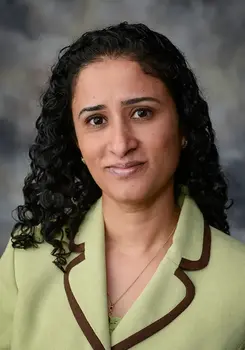
Deepa Sirsi is a Neurologist practicing medicine in Dallas, Texas. Dr. Sirsi is highly rated in 41 conditions, according to our data. Her clinical expertise encompasses Seizures, Epilepsy, Epilepsy in Children, and West Syndrome. Dr. Sirsi is currently accepting new patients.

Plano Neurology
Geeta Rajan is a Neurologist practicing medicine in Plano, Texas. Dr. Rajan is highly rated in 40 conditions, according to our data. Her clinical expertise encompasses Distal Median Nerve Dysfunction, Brain Stem Cancer, Dysembryoplastic Neuroepithelial Tumors (DNET), and Cerebellar Degeneration. Dr. Rajan is board certified in Neurology- American Board Of Neurology, Clinical Neurophysiology- American Board Of Psychiatry And Neurology, Neurology- American Board Of Psychiatry And Neurology, and Clinical Neurophysiology- American Board Of Psychiatry And Neurology/Clinical Neurophysiology. Dr. Rajan is currently accepting new patients.
Texas Neurology
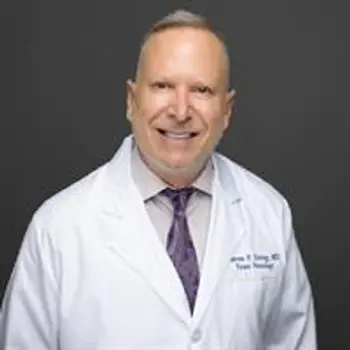
Dr. Herzog is a graduate of Arizona State University and received his medical degree from the University of Arizona College of Medicine. He completed his neurological training at the University of Texas Southwestern Medical Center at Dallas and Parkland Hospital where he served as Chief Resident in Neurology from 1988 to 1989. In 1989, he began private practice at Baylor University Medical Center at Dallas. He served as the Director of Medical Education for the Department of Neurology at Baylor University Medical Center at Dallas from 1989-2009. He is also the Medical Director of the Headache Institute at Texas Neurology which focuses on clinical research and advanced therapies for the treatment of patients with acute and chronic headaches. Dr. Herzog served as Chairman of the 2001 Texas Neurological Society Winter Conference and the 2004 Summer Conference. He is a frequent lecturer across the state and is quoted by print and television on a regular basis. Dr. Herzog served as president of the Texas Neurological Society from 2004 to 2005. Dr. Herzog is highly rated in 40 conditions, according to our data. His clinical expertise encompasses Migraine, Migraine with Brainstem Aura, Chronic Pain, and Vertebral Artery Dissection. Dr. Herzog is board certified in Neurology- American Board Of Psychiatry And Neurology/Neurology and Neurology- American Board Of Psychiatry And Neurology. Dr. Herzog is currently accepting new patients.

Texas Neurology, P.A.
Dr. Nagaraj is a board-certified neurologist who practices general neurology with special interests in multiple sclerosis and neuromuscular disorders. He received his medical degree at the University of Cincinnati College of Medicine and completed neurology residency at the University of North Carolina Hospitals. Dr. Nagaraj completed his fellowship in clinical neurophysiology at Ohio State University in Columbus, Ohio. He is co-director of the Multiple Sclerosis Center at Texas Neurology, which focuses on clinical research and advanced therapies for the treatment of patients with multiple sclerosis. Dr. Nagaraj is highly rated in 27 conditions, according to our data. His clinical expertise encompasses Multiple Sclerosis (MS), Relapsing Multiple Sclerosis (RMS), Peripheral Neuropathy, and Myelin Oligodendrocyte Glycoprotein Antibody-Associated Disease. Dr. Nagaraj is board certified in Clinical Cardiac Electrophysiology- American Board Of Electrodiagnostic Medicine, Neurology- American Board Of Psychiatry And Neurology/Neurology, and Neurology- American Board Of Psychiatry And Neurology. Dr. Nagaraj is currently accepting new patients.

Texas Neurology, P.A.
Dr. Philip is a graduate of Texas A&M University and received her medical degree from the University of Texas Medical School at Houston. She completed her Neurology residency at New York University and Neurophysiology fellowship training at Albert Einstein University in New York. She currently practices general neurology, with particular interest in neuromuscular disease including peripheral nerve disorders, muscle disease and neuromuscular junction disorders. Dr. Philip is highly rated in 24 conditions, according to our data. Her clinical expertise encompasses Foot Drop, Myasthenia Gravis, Cramp-Fasciculation Syndrome, and Spinal and Bulbar Muscular Atrophy. Dr. Philip is board certified in Neurology- American Board Of Neurology, Clinical Neurophysiology- American Board Of Psychiatry And Neurology, Neurology- American Board Of Psychiatry And Neurology/Neurology, Neurology- American Board Of Psychiatry And Neurology, and Clinical Neurophysiology- American Board Of Psychiatry And Neurology/Clinical Neurophysiology. Dr. Philip is currently accepting new patients.

Baylor Scott & White Neuro-Oncology Associates
Karen Fink, MD, PhD, is the Medical Director of Clinical Neuro-Oncology Research at Baylor University Medical Center. Dr. Fink leads our neuro-oncology team, heading the multi-disciplinary Baylor Scott and White Sammons Cancer Center brain tumor board and multiple clinical trials for patients with brain tumors. She has a long history of involvement in advanced clinical trials in collaboration with industry groups and with prominent neuro-oncology programs nationwide. Dr. Fink received her undergraduate degree in biochemistry from Washington University in St. Louis, Missouri. She then completed her MD and PhD at the Mayo Clinic in Rochester, Minnesota, where she investigated early cellular activation of cancer-causing genes in response to growth signals. Her Neurology residency and Neuro-oncology fellowship were accomplished at UT Southwestern Medical Center in Dallas. She stayed there after completing her training, becoming the Director of Clinical Neuro-Oncology. She moved to Baylor University Medical Center to found Neuro-Oncology Associates in 2006. At Baylor Scott & White, she continued to offer clinical trials as an investigator in the North American Brain Tumor Consortium, and later, the Brain Tumor trials Collaborative spearheaded at the National Institute of Health. She still works with pharmaceutical and device companies to offer advanced treatments for patients with brain tumors. Dr. Fink has participated in over 50 neuro-oncology clinical trials, been an author on over 50 peer reviewed publications, and over 80 abstracts covering various aspects of Neuro-Oncology research. She mentors Neurology Residents, Oncology fellows and medical students, instilling knowledge regarding the management of primary brain tumor patients and providing an example of compassionate and up-to-date clinical care. Dr. Fink has formally served as a member of the Corporate Compliance Committee and the Multidisciplinary Cancer Committee at Baylor Scott and White. She is a member of the Society for Neuro-Oncology and the American Society of Clinical Oncology. Dr. Fink specializes in the treatment of tumors in the brain, central nervous system, and peripheral nervous system. She collaborates with Neuro-Oncology clinicians and their medical teams in north and central Texas, and with Neurosurgeons, Radiation Oncologists, Medical Oncologists, Neuro-Radiologists and Palliative Care clinicians across the region to coordinate complete care for patients and their loved ones who are dealing with a brain tumor. Dr. Fink has been named one of Texas Monthly's Texas Super Doctors for over 10 years earning her a place on Texas Monthly's Hall of Fame list. Read more about Dr. Fink’s research publications on PubMed.gov. Dr. Fink is highly rated in 16 conditions, according to our data. Her clinical expertise encompasses Astrocytoma, Glioblastoma, Glioma, and Brain Tumor. Dr. Fink is board certified in Neurology- American Board Of Psychiatry And Neurology/Neurology and Neurology- American Board Of Psychiatry And Neurology. Dr. Fink is currently accepting new patients.

Texas Neurology
Dr. Samuel earned her medical degree from the University of Texas Medical Branch at Galveston. She completed her neurology residency and clinical neurophysiology fellowship training at the University of Texas Southwestern Medical Center at Dallas. She currently practices general neurology, with particular interest in headache, dementia/memory disorders, epilepsy/seizures, spasticity, stroke, and the use of botulinum toxin. She has a focus on both memory disorders and headaches. She is currently involved in several clinical trials for Alzheimer’s disease and migraines. She is affiliated with Baylor University Medical Center and Presbyterian Hospital. Dr. Samuel is highly rated in 15 conditions, according to our data. Her clinical expertise encompasses Migraine, Migraine with Brainstem Aura, Meningitis, and Increased Intracranial Pressure. Dr. Samuel is board certified in Neurology- American Board Of Psychiatry And Neurology/Neurology and Neurology- American Board Of Psychiatry And Neurology. Dr. Samuel is currently accepting new patients.

Texas Neurology, P.A.
Dr. Jamy is a board-certified neurologist who practices general neurology with special interest in epilepsy. She received her medical degree from The Aga Khan University Karachi, Pakistan and completed her neurology residency at the University of Alabama at Birmingham. Dr. Jamy completed her fellowships in epilepsy and clinical neurophysiology at the University of Texas Southwestern Medical Center in Dallas, Texas. Dr. Jamy is highly rated in 14 conditions, according to our data. Her clinical expertise encompasses Autosomal Dominant Partial Epilepsy with Auditory Features, Seizures, Memory Loss, and Partial Familial Epilepsy. Dr. Jamy is board certified in Epilepsy- American Board Of Psychiatry And Neurology, Clinical Neurophysiology- American Board Of Psychiatry And Neurology, and Neurology- American Board Of Psychiatry And Neurology. Dr. Jamy is currently accepting new patients.

Neurology Consultants Of Dallas
Daniel Krampitz is a Neurologist practicing medicine in Dallas, Texas. Dr. Krampitz is highly rated in 11 conditions, according to our data. His clinical expertise encompasses Memory Loss, Stroke, Seizures, and Peripheral Neuropathy. Dr. Krampitz is currently accepting new patients.

Baylor Scott & White Neuroscience Center
Nicole Simpkins is a Neurologist practicing medicine in Dallas, Texas. Dr. Simpkins is highly rated in 9 conditions, according to our data. Her clinical expertise encompasses Seizures, Generalized Tonic-Clonic Seizure, Infant Epilepsy with Migrant Focal Crisis, Epilepsy in Children, and Gastrostomy. Dr. Simpkins is board certified in Neurology- American Board Of Psychiatry And Neurology. Dr. Simpkins is currently accepting new patients.

Baylor Scott & White Neurology - Plano
"Dr. Verma specializes in neurology and clinical neurophysiology. His subspecialty training is in the diagnosis and management of epilepsy and neuromuscular diseases, however, he maintains a broad interest in various neurological conditions including altered mental status, headache, movement disorders, and stroke. Dr. Verma was nominated for the sixth consecutive year for D Magazine's 2025 Best Docs . Dr. Verma was recognized by D Magazine as a ""Best Doctor in Collin County"" for 2020, 2021, 2022, 2023, 2024 and 2025. Dr. Verma has been named a Texas Super Doctor for 2019, 2020, 2021, 2022, 2023, 2024 and 2025 by Texas Monthly.". Dr. Verma is highly rated in 9 conditions, according to our data. His clinical expertise encompasses Stroke, Primary Orthostatic Tremor, Cerebellar Degeneration, and Hydrocephalus. Dr. Verma is board certified in Neurology- American Board Of Neurology, Clinical Neurophysiology- American Board Of Psychiatry And Neurology, Neurology- American Board Of Psychiatry And Neurology/Neurology, Neurology- American Board Of Psychiatry And Neurology, and Clinical Neurophysiology- American Board Of Psychiatry And Neurology/Clinical Neurophysiology. Dr. Verma is currently accepting new patients.

Neurology Consultants Of Dallas
Jennifer Takesaka is a Neurologist practicing medicine in Dallas, Texas. Dr. Takesaka is highly rated in 8 conditions, according to our data. Her clinical expertise encompasses Stroke, Memory Loss, Seizures, and Landau-Kleffner Syndrome. Dr. Takesaka is currently accepting new patients.