Neurosurgeon Search Results
Stanford Health Care
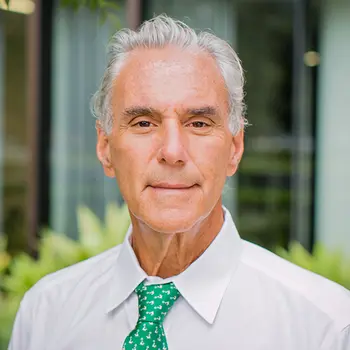
Steven Chang is a Neurosurgery specialist and a General Surgeon practicing medicine in Palo Alto, California. Dr. Chang is highly rated in 89 conditions, according to our data. His clinical expertise encompasses Arteriovenous Malformation, Meningioma, Cerebral Arteriovenous Malformation, Awake Craniotomy, and Gamma Knife Radiosurgery.
Brain Tumor Center
Dr. Mitchel S. Berger is a nationally recognized expert in treating brain and spinal cord tumors as well as tumor-related epilepsy in adults and children. He also is a specialist in brain mapping techniques – used to identify and preserve areas of motor, sensory and language function during surgery – and an expert in using the Gamma Knife, a precise, noninvasive tool that applies radiation beams for tumor treatment. He is director of the Brain Tumor Center, director of the Center for Neurological Injury and Repair and co-director of the Adult Brain Tumor Surgery Program. Berger earned his bachelor's degree from Harvard College in 1975 and his medical degree from the University of Miami Miller School of Medicine in 1979. He completed an internship and a residency at UCSF, and was awarded a clinical fellowship in neuro-oncology by the American Cancer Society and a research fellowship by the Brain Tumor Research Center. He completed further fellowship training in neuro-oncology at UCSF and in pediatric neurosurgery at the Hospital for Sick Children, an affiliate of the University of Toronto. Berger was elected to the American Association of Neurological Surgeons' board of directors and appointed to the American Board of Neurological Surgery. Dr. Berger is highly rated in 23 conditions, according to our data. His clinical expertise encompasses Astrocytoma, Glioblastoma, Glioma, Awake Craniotomy, and Osteotomy. Dr. Berger is board certified in American Board Of Neurological Surgery, Neurological Surgery. Dr. Berger is currently accepting new patients.
Sutter NeuroScience Medical Group
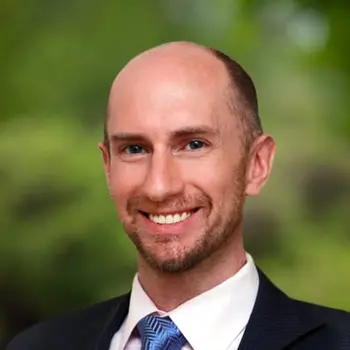
Rudolph Schrot is a Neurologist and a Neurosurgery provider practicing medicine in Sacramento, California. Dr. Schrot is highly rated in 16 conditions, according to our data. His clinical expertise encompasses Tarlov Cysts, Cervical Spondylosis, Notalgia Paresthetica, Sacral Nerve Stimulation, and Laminectomy. Dr. Schrot is board certified in Neurological Surgery. Dr. Schrot is currently accepting new patients.

USC Neurosurgeons Inc.
Gabriel Zada, MD, MS, FAANS, FACS, is Professor of Neurological Surgery, Otolaryngology, and Physiology & Neuroscience at the Keck School of Medicine of USC and an internationally recognized leader in brain, skull base, and pituitary tumor surgery. He serves as Vice Chair of Education and Residency Program Director, Surgical Director of the USC Brain Tumor Center, and Director of the USC Endoscopic Skull Base Surgery Program.Dr. Zada has performed more than 3,000 cranial operations, specializing in minimally invasive and endoscopic approaches for brain, pituitary, and skull base tumors. He completed fellowship training under Dr. Edward Laws at Harvard/Brigham and Women’s Hospital and advanced training under Dr. Paolo Cappabianca in Naples, Italy.An NIH-funded investigator, Dr. Zada has authored more than 400 peer-reviewed publications and 3 surgical textbooks. He is Editor of *Neurosurgical Focus* and President-Elect of the AANS/CNS Joint Section on Tumors. FindExpertMD ranks him the **#1 neurosurgeon in California for pituitary tumors, meningiomas, skull base neoplasms, and neuroendoscopy**. He has treated patients from around the world including Mexico, Guam, Hawaii, Europe. South America, and Canada. Dr. Zada is highly rated in 65 conditions, according to our data. His clinical expertise encompasses Pituitary Tumor, Hypothalamic Tumor, Brain Tumor, Endoscopic Transnasal Transsphenoidal Surgery, and Gamma Knife Radiosurgery. Dr. Zada is board certified in American Board Of Neurological Surgery. Dr. Zada is currently accepting new patients.

Adult Neurofibromatosis Type 1 (NF1) And Schwannomatosis Clinic
Dr. Philip Theodosopoulos is director of the Skull Base Tumor Program and vice chair of neurological surgery at UCSF. Before joining UCSF, he served as director of skull base surgery at the University of Cincinnati for 10 years. Theodosopoulos cares primarily for patients with skull base lesions, particularly malignancies and acoustic neuromas – noncancerous tumors that grow on nerves near the ear. His expertise includes endoscopic treatment of pituitary adenomas and chordomas as well as minimally invasive approaches to the skull base. Theodosopoulos has been a pioneer in the development of new surgical approaches to the skull base. He served as co-principal investigator for the largest prospective multicenter trial of surgical treatment for acoustic neuromas, and he currently serves on the Acoustic Neuroma Association's medical advisory board. He also has extensive expertise in research on patient outcomes. As a resident at UCSF, he completed the full curriculum for outcomes research and clinical epidemiology, and he continues to be involved in outcomes research at both the local and national levels. Theodosopoulos earned his undergraduate degree at the Massachusetts Institute of Technology and completed medical school at Stanford University. He completed his neurosurgical training at UCSF, followed by a fellowship in cerebrovascular and skull base surgery at the Brigham and Women's Hospital, an affiliate of Harvard Medical School. Theodosopoulos has been on the faculty for more than 50 national and international surgical courses. He serves on the education committee for the Congress of Neurological Surgeons. He serves as residency program director for neurological surgery at UCSF. Dr. Theodosopoulos is highly rated in 50 conditions, according to our data. His clinical expertise encompasses Schwannoma, Acoustic Neuroma, Meningioma, Endoscopic Transnasal Transsphenoidal Surgery, and Balloon Sinuplasty. Dr. Theodosopoulos is board certified in American Board Of Neurological Surgery, Neurological Surgery.
Brain Tumor Center
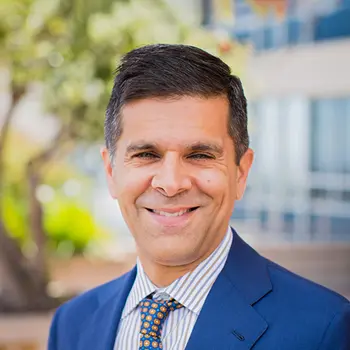
Dr. Manish Aghi is a neurosurgeon specializing in brain tumors at UCSF Medical Center. He cares for adult patients with a wide range of conditions, including astrocytomas and anaplastic astrocytomas, oligodendrogliomas, glioblastomas, meningiomas and pituitary adenomas. As principal investigator at the UCSF Brain Tumor Research Center, his interests include glioblastoma angiogenesis, mechanisms of glioblastoma resistance to anti-angiogenic therapy and experimental glioblastoma therapies such as cancer-killing viruses. Aghi earned his medical degree and a doctoral degree in neurosciences from Harvard Medical School. He completed a residency in neurosurgery at Massachusetts General Hospital. He is a member of the Society for Neuro-Oncology, American Association of Neurological Surgeons, Congress of Neurological Surgeons and Pituitary Network Association. Among his honors are the Preuss and Mahaley awards from the American Association of Neurological Surgeons, and the Ronald L. Bittner Award, Synthes Skull Base Award and Integra Foundation Award from the Congress of Neurological Surgeons. Dr. Aghi is highly rated in 40 conditions, according to our data. His clinical expertise encompasses Pituitary Tumor, Hypothalamic Tumor, Prolactinoma, Balloon Sinuplasty, and Awake Craniotomy. Dr. Aghi is board certified in American Board Of Neurological Surgery, Neurological Surgery.
Buhler Specialty Pavilion
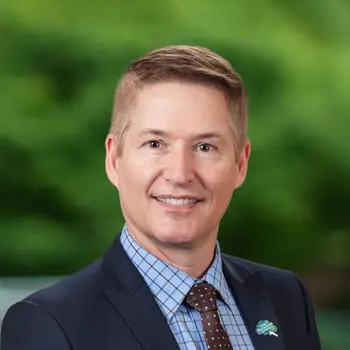
Samuel Ciricillo is a Neurosurgery provider practicing medicine in Sacramento, California. Dr. Ciricillo is highly rated in 40 conditions, according to our data. His clinical expertise encompasses Posterior Fossa Tumor, Primitive Neuroectodermal Tumor (PNET), Hydrocephalus, Awake Craniotomy, and Gastrostomy. Dr. Ciricillo is board certified in Neurosurgery - Board Certified and Not ABMS Specialty. Dr. Ciricillo is currently accepting new patients.
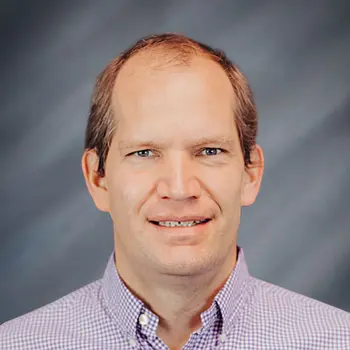
Neurosurgery - Dignity Health Medical Group - Redding, CA
I am the first member in my extended family to enter the field of medicine and health. I did so, because my brother had a serious medical condition at early age that impacted me so much that I elected to get into medicine to help others. I believe an important part of providing medical care is educating the patients and their families/care givers about their condition and the care they get. This way they can make the best decision for themselves and their family. Personal Interests and Hobbies: My hobbies are spending time with family, outdoor activities (hiking, going to a lake or beach, swimming, sports, biking, etc.) and travel. I really enjoy international travel and before the pandemic traveled abroad at least twice a year.My overall philosophy is that I like to provide patient centered, collaborative, educated, evidence based care. I don't see myself as a one person show. I believe, I work as part of a team. I also like the team approach to certain pathologies. One of the things that worked very well, and got very high praise at my last job, was a neuro-oncology (or Brain; Spine tumor) clinic. One day a week, I would set up shop at the local cancer center, where I would first run a multi-disciplinary conference with Oncology, Radiation Oncology, Radiology and other services, followed by a clinic dedicated to patients with brain and spine tumors. Here patients would see me in addition to oncology and radiation oncology in one visit. This approach really improved the patient experience, improved outcomes and reduced complications. I would like to implement something similar like this in Redding. Dr. Widdel is highly rated in 29 conditions, according to our data. His clinical expertise encompasses Meningioma, Posterior Fossa Tumor, Primitive Neuroectodermal Tumor (PNET), Laminectomy, and Awake Craniotomy. Dr. Widdel is board certified in Neurological Surgery. Dr. Widdel is currently accepting new patients.
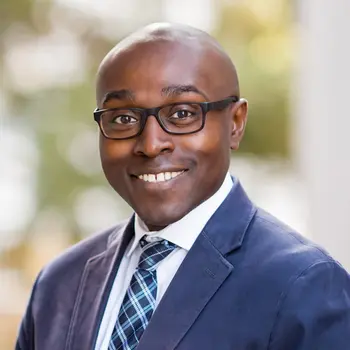
Brain Tumor Center
Dr. Shawn Hervey-Jumper is a neurosurgeon specializing in the treatment of patients with brain tumors, including low- and high-grade gliomas, meningiomas, brain metastases and neurocutaneous syndromes. Hervey-Jumper's research investigates how brain tumors violate important areas of the brain that affect how we move, speak and think. He also explores strategies to promote brain recovery and repair. In addition, he researches ways to map the human brain during surgery with the goal of limiting injury to key functional areas. Hervey-Jumper received his medical degree from the Ohio State University College of Medicine. He completed both a residency in neurosurgery and a fellowship in neuro-oncology at the University of Michigan. He then completed a clinical fellowship in neuro-oncology at UCSF. Hervey-Jumper is a member of the Society for Neuro-Oncology, American Association for Cancer Research, North American Skull Base Society, American Association of Neurological Surgeons (AANS) and Congress of Neurological Surgeons (CNS). He is also a member of the joint section on tumors for the latter organizations. He is an associate professor in residence of neurological surgery at UCSF. Dr. Hervey is highly rated in 26 conditions, according to our data. His clinical expertise encompasses Glioma, Brain Tumor, Astrocytoma, Awake Craniotomy, and Gamma Knife Radiosurgery. Dr. Hervey is board certified in American Board Of Neurological Surgery, Neurological Surgery. Dr. Hervey is currently accepting new patients.
Stanford Neurosurgery
Seunggu Han is a Neurologist and a Neurosurgery provider practicing medicine in Santa Cruz, California. Dr. Han is highly rated in 23 conditions, according to our data. His clinical expertise encompasses Brain Tumor, Glioma, Glioblastoma, Astrocytoma, and Awake Craniotomy. Dr. Han is board certified in Neurological Surgery. Dr. Han is currently accepting new patients.

Peter B. Weber, MD Private Practice
caring, good listener, dedicated, intelligent, compassionate, committed, healing and reassuring. Dr. Weber is highly rated in 23 conditions, according to our data. His clinical expertise encompasses Dysembryoplastic Neuroepithelial Tumors (DNET), Spondylolisthesis, Brain Stem Cancer, Microdiscectomy, and Cervical Disc Surgery. Dr. Weber is board certified in Neurological Surgery. Dr. Weber is currently accepting new patients.
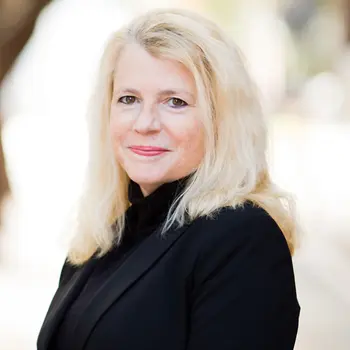
Adult Neurofibromatosis Type 1 (NF1) And Schwannomatosis Clinic
Line Jacques is a General Surgeon and a Neurosurgery provider practicing medicine in San Francisco, California. Dr. Jacques is highly rated in 23 conditions, according to our data. Her clinical expertise encompasses Schwannoma, Thoracic Outlet Syndrome, Neurofibromatosis, Chiari Malformation Type 2, and Sacral Nerve Stimulation. Dr. Jacques is board certified in American Board Of Neurological Surgery, Neurological Surgery. Dr. Jacques is currently accepting new patients.

Neurosurgery At San Francisco Parnassus
Dr. Praveen Mummaneni is co-director of the UCSF Spine Center, vice chair of the neurosurgery department, lead surgeon of the UCSF Parnassus Perioperative Services and director of the minimally invasive surgery spine fellowship. He has been selected by U.S. News & World Report as one of the best doctors in the nation every year since 2005. He has also received top doctor accolades from the San Francisco Chronicle, Marin Magazine and Castle Connolly. Mummaneni earned his medical degree through the six-year BA-MD program at Boston University and completed a residency in neurological surgery at UCSF followed by a fellowship in complex spine surgery at Emory University. He also earned a master of business administration at Louisiana State University and completed a program in innovative healthcare leadership at Stanford University. Mummaneni is the UCSF Joan O'Reilly Distinguished Professor in Spinal Surgery. He leads a neuroinformatics lab at UCSF and has mentored a diverse group of medical students, residents and fellows over the past two decades. He is internationally recognized for his work on minimally invasive approaches to treating spinal deformities, spinal tumors and degenerative disease. He is the UCSF lead for the Quality Outcomes Database Spine Care Project sponsored by the American Association of Neurological Surgeons, the Minimally Invasive Surgery International Spine Study Group for spinal deformities, and the AO Spine Metastatic and Primary Tumor Research and Outcomes Network spine tumor study groups. He is also the UCSF lead for a Department of Defense grant to evaluate timing of surgery for spinal cord injury, a co-investigator of a UCSF HEAL Initiative grant from the National Institutes of Health to study back pain, and a member of the small business review panel at the National Institutes of Health. He has guest lectured at international meetings on six continents and has published more than 530 manuscripts in peer-reviewed journals. He is an editor of nine textbooks on spinal surgery and serves on multiple editorial boards, including as associate editor of Neurosurgery and a previous term editor-in-chief of the Journal of Neurosurgery: Spine. Mummaneni is active in several professional organizations. He was among the first neurosurgeons to obtain active membership in the Scoliosis Research Society (SRS) and to win its Edgar Dawson Fellowship and International Traveling Fellowship. He has served as a director of SRS and is now secretary-elect. He was also president of the San Francisco Neurological Society, president of the California Association of Neurological Surgeon, chair of the American Association of Neurological Surgeons/Congress of Neurological Surgeons Spine Section, and vice president of the Congress of Neurological Surgeons. He is currently a director of the American Board of Neurological Surgery. Dr. Mummaneni is highly rated in 21 conditions, according to our data. His clinical expertise encompasses Spondylolisthesis, Lordosis, Cervical Spondylosis, Spinal Fusion, and Laminectomy. Dr. Mummaneni is board certified in American Board Of Neurological Surgery, Neurological Surgery. Dr. Mummaneni is currently accepting new patients.

UCI Health Neurosurgery Services
Dr. Jefferson W. Chen is a board-certified UCI Health neurosurgeon. who specializes in neurological trauma and critical care, normal pressure hydrocephalus, stroke and brain tumors.He is a leader in such techniques as multimodal brain monitoring for traumatic brain injury and the use of BrainPath® technology to access deep-seated lesions.Chen earned his medical degree and a PhD from Johns Hopkins University School of Medicine in Bethesda, Md., as part of the National Institutes of Health Medical Scientist Training Program. He completed residencies in general and neurological surgery at UC San Diego and a residency in pediatric neurosurgery at Children's Hospital of Los Angeles. He received fellowship training in neurovascular and skull base surgery at the Barrow Neurological Institute of St. Joseph’s Hospital and Medical Center in Phoenix, Ariz.His research interests include the study of the molecular mechanisms and biochemical underpinnings of traumatic brain injury and stroke, and the flow of fluids through the brain. Dr. Chen is highly rated in 20 conditions, according to our data. His clinical expertise encompasses Chronic Subdural Hematoma, Subdural Hematoma, Hydrocephalus, Awake Craniotomy, and Gastrostomy. Dr. Chen is board certified in American Board Of Neurological Surgery - Neurological Surgery.

Brain Tumor Center
Dr. Edward Chang is a neurosurgeon who treats adults with difficult-to-control epilepsy, brain tumors, trigeminal neuralgia, hemifacial spasm and movement disorders. He specializes in advanced brain mapping methods to preserve crucial areas for speech and motor functions in the brain. He also has extensive experience with implantable devices that stimulate specific nerves to relieve seizure, movement, pain and other disorders. He is the chair of the Department of Neurological Surgery. Chang's research focuses on the brain mechanisms for speech, movement and learning. He co-directs the Center for Neural Engineering and Prostheses, a collaborative enterprise of UCSF and the University of California, Berkeley. The center brings together experts in engineering, neurology and neurosurgery to develop state-of-the-art biomedical technology to restore function for patients with neurological disabilities such as paralysis and speech disorders. Chang earned his medical degree at UCSF, where he also completed a residency in neurosurgery. He was honored with the Blavatnik National Laureate for Life Sciences in 2015. In 2020, he was elected to the National Academy of Medicine, an honor that recognizes outstanding achievements and service in the fields of medical sciences, health care and public health. Dr. Chang is highly rated in 19 conditions, according to our data. His clinical expertise encompasses Seizures, Epilepsy, Trigeminal Neuralgia, Deep Brain Stimulation, and Microvascular Decompression. Dr. Chang is board certified in American Board Of Neurological Surgery, Neurological Surgery. Dr. Chang is currently accepting new patients.

Neurosurgery At San Francisco Parnassus
Dr. Ethan Winkler is a neurosurgeon who cares for both adult and pediatric patients. He treats conditions involving the brain, neck or spine, including brain aneurysms (weak, bulging spots on brain arteries), arteriovenous malformations and arteriovenous fistulas (irregular connections between arteries and veins), cavernous malformations (abnormal clusters of small blood vessels that may leak), moyamoya disease (in which progressively narrowing carotid arteries limit blood flow to the brain), stroke and carotid artery disease (in which fatty deposits narrow the vessels bringing blood to the brain). He performs both open microsurgery (techniques using high magnification and very fine instruments) and minimally invasive procedures. In research, Winkler focuses on understanding the mechanisms that result in stroke, such as blood vessel malformations and aneurysms. He directs the UCSF Vascular Anomalies & Stroke Computation Laboratory, which brings together genetic, stem cell and bioengineering technologies to understand how these conditions occur and to design better therapies. To improve patient care, he also seeks to develop safer ways to operate on the brain's blood vessels. Winkler earned his medical degree and a doctorate in neurobiology from the University of Rochester School of Medicine & Dentistry. He completed a residency in neurological surgery at UCSF, followed by a fellowship in endovascular neurosurgery and a fellowship in cerebrovascular and skull base neurosurgery at Barrow Neurological Institute. Dr. Winkler is highly rated in 19 conditions, according to our data. His clinical expertise encompasses Arteriovenous Malformation, Traumatic Brain Injury, Cerebral Arteriovenous Malformation, Endovascular Embolization, and Laminectomy. Dr. Winkler is currently accepting new patients.
Brain Tumor Center
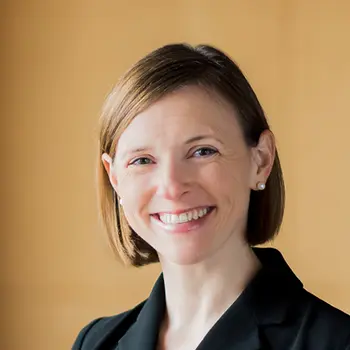
Dr. Jennie Taylor specializes in caring for adults with primary brain tumors, or tumors that start in the brain. As a member of the UCSF Brain Tumor Research Center, she is involved in developing new treatment strategies, innovative imaging techniques and comprehensive tumor analyses, with the goal of improving outcomes for patients with brain tumors. Taylor's research interests include analyzing molecular and imaging markers of resistance to current standard treatments for brain tumors. She also focuses on improving quality of life for patients with primary brain tumors as well as for their caregivers. Taylor earned her medical degree from the University of Kentucky College of Medicine. She completed an internship in medicine and a residency in neurology at the University of Virginia. She completed a fellowship in neuro-oncology at Massachusetts General Hospital and the Dana-Farber Cancer Institute while earning a master's degree in public health from the Harvard T.H. Chan School of Public Health. Taylor is a member of the American Academy of Neurology, Society for Neuro-Oncology and American Society of Clinical Oncology. Dr. Taylor is highly rated in 18 conditions, according to our data. Her clinical expertise encompasses Glioma, Astrocytoma, Brain Tumor, and Glioblastoma. Dr. Taylor is board certified in American Board Of Psychiatry/Neurology-Neurology, Neurology. Dr. Taylor is currently accepting new patients.

Stroke And Neurovascular Center
Alois Zauner is a Neurologist and a Neurosurgery provider practicing medicine in Santa Barbara, California. Dr. Zauner is highly rated in 18 conditions, according to our data. His clinical expertise encompasses Stroke, Subarachnoid Hemorrhage, Brain Aneurysm, Gastrostomy, and Transmyocardial Revascularization. Dr. Zauner is board certified in Neurological Surgery. Dr. Zauner is currently accepting new patients.
Stanford Medicine Children's Health Specialty Services-Walnut Creek-Pediatric Neurolog
Cormac Maher is a Neurosurgery provider practicing medicine in Walnut Creek, California. Dr. Maher is highly rated in 66 conditions, according to our data. His clinical expertise encompasses Arachnoid Cysts, Chiari Malformation, Chiari Malformation Type 1, Posterior Fossa Decompression, and Laminectomy.

Ventura County Neurosurgical Associates
Offers high-quality, individualized care with compassion. Believes communication and collaboration with patients is the foundation for effective relationships. Through effective education, patients are empowered to partner in their care and achieve their health goals. Dr. Westra is highly rated in 16 conditions, according to our data. His clinical expertise encompasses Spinal Stenosis, Spondylolisthesis, Subdural Hematoma, Laminectomy, and Microdiscectomy. Dr. Westra is board certified in Neurological Surgery. Dr. Westra is currently accepting new patients.

Neurosurgery At San Francisco Parnassus
Dr. Lee Tan is a neurosurgeon with expertise in both minimally invasive and traditional open surgical techniques for patients with various spinal disorders. The conditions he treats include scoliosis, kyphosis, flat back syndrome, chin-on-chest deformity, cervical disc herniation, cervical stenosis, ossification of the posterior longitudinal ligament, lumbar disc herniation, spinal stenosis and spondylolisthesis. Trained in neurological and orthopedic spine surgery, he can assess patients from an interdisciplinary perspective. Tan's research interests include spinal biomechanics, motion-preservation surgical techniques and improving surgical outcomes for patients with spinal deformities. Tan received his medical degree from the Indiana University School of Medicine. He then completed a residency in neurological surgery at Rush University Medical Center, followed by a fellowship in complex spine surgery at Columbia University Irving Medical Center. Tan is a member of the American Association of Neurological Surgeons, Congress of Neurological Surgeons and North American Spine Society. Dr. Tan is highly rated in 15 conditions, according to our data. His clinical expertise encompasses Spinal Stenosis, Scoliosis, Epidural Abscess, Laminectomy, and Spinal Fusion. Dr. Tan is board certified in American Board Of Neurological Surgery, Neurological Surgery. Dr. Tan is currently accepting new patients.

Spine & Neurosurgery Associates
I believe in treating patients with empathy and respect, as well as providing a team approach to tackling complex neurosurgical problems, which have been shown to improve outcomes. Dr. Shahi is highly rated in 14 conditions, according to our data. His clinical expertise encompasses Delirium, Chronic Subdural Hematoma, Subdural Hematoma, Laminectomy, and Awake Craniotomy. Dr. Shahi is board certified in Neurological Surgery. Dr. Shahi is currently accepting new patients.

Neurospine Institute Medical Group
Dr. McCormack, Director of the Neurospine Institute, is a Board Certified Neurosurgeon, started the Neurospine Institute to be a new forum for aggregating and disseminating knowledge of the spine in order to promote clinically significant research and to improve patient care for those suffering from spinal disorders. Dr. Mccormack is highly rated in 12 conditions, according to our data. His clinical expertise encompasses Spinal Stenosis, Klippel-Feil Syndrome, Epidural Abscess, Bone Graft, and Microdiscectomy. Dr. Mccormack is board certified in Neurological Surgery. Dr. Mccormack is currently accepting new patients.

Link Neuroscience Institute
Robert Taylor is a Neurologist and a Neurosurgery provider practicing medicine in Oxnard, California. Dr. Taylor is highly rated in 10 conditions, according to our data. His clinical expertise encompasses Stroke, Apoplexy, Subarachnoid Hemorrhage, Stent Placement, and Transmyocardial Revascularization. Dr. Taylor is board certified in Psychiatry & Neurology (Neurology) and Psychiatry & Neurology (Sub: Vascular Neurology). Dr. Taylor is currently accepting new patients.

Link Neuroscience Institute
I believe that we must take the time needed to get to know our patients as individuals and to share with them all surgical and nonsurgical options tailored to their personal needs. This will enable my patients to understand their own medical situation and to knowledgably partake in decisions about their own care. Dr. Oni is highly rated in 10 conditions, according to our data. His clinical expertise encompasses Apoplexy, Stroke, Subarachnoid Hemorrhage, Transmyocardial Revascularization, and Stent Placement. Dr. Oni is currently accepting new patients.