
Overview
Dr. Philip Theodosopoulos is director of the Skull Base Tumor Program and vice chair of neurological surgery at UCSF. Before joining UCSF, he served as director of skull base surgery at the University of Cincinnati for 10 years. Theodosopoulos cares primarily for patients with skull base lesions, particularly malignancies and acoustic neuromas – noncancerous tumors that grow on nerves near the ear. His expertise includes endoscopic treatment of pituitary adenomas and chordomas as well as minimally invasive approaches to the skull base. Theodosopoulos has been a pioneer in the development of new surgical approaches to the skull base. He served as co-principal investigator for the largest prospective multicenter trial of surgical treatment for acoustic neuromas, and he currently serves on the Acoustic Neuroma Association's medical advisory board. He also has extensive expertise in research on patient outcomes. As a resident at UCSF, he completed the full curriculum for outcomes research and clinical epidemiology, and he continues to be involved in outcomes research at both the local and national levels. Theodosopoulos earned his undergraduate degree at the Massachusetts Institute of Technology and completed medical school at Stanford University. He completed his neurosurgical training at UCSF, followed by a fellowship in cerebrovascular and skull base surgery at the Brigham and Women's Hospital, an affiliate of Harvard Medical School. Theodosopoulos has been on the faculty for more than 50 national and international surgical courses. He serves on the education committee for the Congress of Neurological Surgeons. He serves as residency program director for neurological surgery at UCSF.
Dr. Theodosopoulos is highly rated in 50 conditions, according to our data. His clinical expertise encompasses Schwannoma, Acoustic Neuroma, Meningioma, Endoscopic Transnasal Transsphenoidal Surgery, and Balloon Sinuplasty.
Dr. Theodosopoulos is board certified in American Board Of Neurological Surgery, Neurological Surgery. He is actively involved in clinical research, co-authoring 164 peer reviewed articles. Dr. Theodosopoulos is currently accepting new patients.
Specialties
Licenses
Board Certifications
Fellowships
Hospital Affiliations
Languages Spoken
Gender
Insurance
Accepted insurance can change. Please verify directly with the provider.
Accepted insurance plans:
- HMO
- INDEMNITY
- POS
- PPO
- OTHER MEDICAID
- STATE MEDICAID
Locations
400 Parnassus Ave., Eighth Floor, San Francisco, CA 94143
Clinical Research
Clinical research consists of overseeing clinical studies of patients undergoing new treatments and therapies, and publishing articles in peer reviewed medical journals. Providers who actively participate in clinical research are generally at the forefront of the fields and aware of the most up-to-date advances in treatments for their patients.
Brain Tumor Center
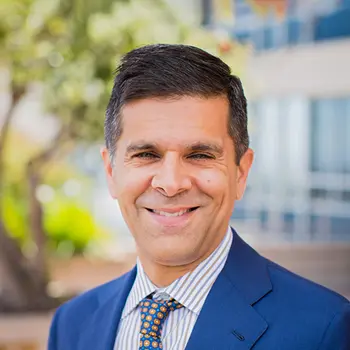
Dr. Manish Aghi is a neurosurgeon specializing in brain tumors at UCSF Medical Center. He cares for adult patients with a wide range of conditions, including astrocytomas and anaplastic astrocytomas, oligodendrogliomas, glioblastomas, meningiomas and pituitary adenomas. As principal investigator at the UCSF Brain Tumor Research Center, his interests include glioblastoma angiogenesis, mechanisms of glioblastoma resistance to anti-angiogenic therapy and experimental glioblastoma therapies such as cancer-killing viruses. Aghi earned his medical degree and a doctoral degree in neurosciences from Harvard Medical School. He completed a residency in neurosurgery at Massachusetts General Hospital. He is a member of the Society for Neuro-Oncology, American Association of Neurological Surgeons, Congress of Neurological Surgeons and Pituitary Network Association. Among his honors are the Preuss and Mahaley awards from the American Association of Neurological Surgeons, and the Ronald L. Bittner Award, Synthes Skull Base Award and Integra Foundation Award from the Congress of Neurological Surgeons. Dr. Aghi is highly rated in 41 conditions, according to our data. His clinical expertise encompasses Pituitary Tumor, Hypothalamic Tumor, Prolactinoma, Balloon Sinuplasty, and Awake Craniotomy. Dr. Aghi is board certified in American Board Of Neurological Surgery, Neurological Surgery. Dr. Aghi is currently accepting new patients.
Brain Tumor Center
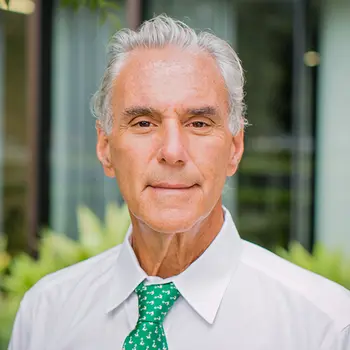
Dr. Mitchel S. Berger is a nationally recognized expert in treating brain and spinal cord tumors as well as tumor-related epilepsy in adults and children. He also is a specialist in brain mapping techniques – used to identify and preserve areas of motor, sensory and language function during surgery – and an expert in using the Gamma Knife, a precise, noninvasive tool that applies radiation beams for tumor treatment. He is director of the Brain Tumor Center, director of the Center for Neurological Injury and Repair and co-director of the Adult Brain Tumor Surgery Program. Berger earned his bachelor's degree from Harvard College in 1975 and his medical degree from the University of Miami Miller School of Medicine in 1979. He completed an internship and a residency at UCSF, and was awarded a clinical fellowship in neuro-oncology by the American Cancer Society and a research fellowship by the Brain Tumor Research Center. He completed further fellowship training in neuro-oncology at UCSF and in pediatric neurosurgery at the Hospital for Sick Children, an affiliate of the University of Toronto. Berger was elected to the American Association of Neurological Surgeons' board of directors and appointed to the American Board of Neurological Surgery. Dr. Berger is highly rated in 23 conditions, according to our data. His clinical expertise encompasses Astrocytoma, Glioblastoma, Glioma, Awake Craniotomy, and Endovascular Embolization. Dr. Berger is board certified in Neurological Surgery and American Board Of Neurological Surgery, Neurological Surgery. Dr. Berger is currently accepting new patients.
Brain Tumor Center
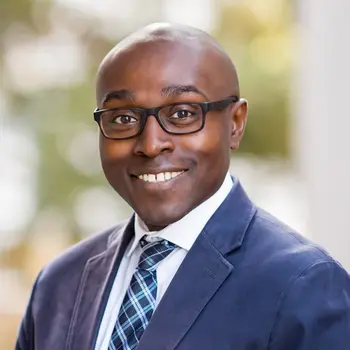
Dr. Shawn Hervey-Jumper is a neurosurgeon specializing in the treatment of patients with brain tumors, including low- and high-grade gliomas, meningiomas, brain metastases and neurocutaneous syndromes. Hervey-Jumper's research investigates how brain tumors violate important areas of the brain that affect how we move, speak and think. He also explores strategies to promote brain recovery and repair. In addition, he researches ways to map the human brain during surgery with the goal of limiting injury to key functional areas. Hervey-Jumper received his medical degree from the Ohio State University College of Medicine. He completed both a residency in neurosurgery and a fellowship in neuro-oncology at the University of Michigan. He then completed a clinical fellowship in neuro-oncology at UCSF. Hervey-Jumper is a member of the Society for Neuro-Oncology, American Association for Cancer Research, North American Skull Base Society, American Association of Neurological Surgeons (AANS) and Congress of Neurological Surgeons (CNS). He is also a member of the joint section on tumors for the latter organizations. He is an associate professor in residence of neurological surgery at UCSF. Dr. Hervey-Jumper is highly rated in 26 conditions, according to our data. His clinical expertise encompasses Glioma, Brain Tumor, Astrocytoma, Awake Craniotomy, and Gamma Knife Radiosurgery. Dr. Hervey-Jumper is board certified in American Board Of Neurological Surgery, Neurological Surgery. Dr. Hervey-Jumper is currently accepting new patients.

Neurosurgery At San Francisco Parnassus
Dr. Praveen Mummaneni is co-director of the UCSF Spine Center, vice chair of the neurosurgery department, lead surgeon of the UCSF Parnassus Perioperative Services and director of the minimally invasive surgery spine fellowship. He has been selected by U.S. News & World Report as one of the best doctors in the nation every year since 2005. He has also received top doctor accolades from the San Francisco Chronicle, Marin Magazine and Castle Connolly. Mummaneni earned his medical degree through the six-year BA-MD program at Boston University and completed a residency in neurological surgery at UCSF followed by a fellowship in complex spine surgery at Emory University. He also earned a master of business administration at Louisiana State University and completed a program in innovative healthcare leadership at Stanford University. Mummaneni is the UCSF Joan O'Reilly Distinguished Professor in Spinal Surgery. He leads a neuroinformatics lab at UCSF and has mentored a diverse group of medical students, residents and fellows over the past two decades. He is internationally recognized for his work on minimally invasive approaches to treating spinal deformities, spinal tumors and degenerative disease. He is the UCSF lead for the Quality Outcomes Database Spine Care Project sponsored by the American Association of Neurological Surgeons, the Minimally Invasive Surgery International Spine Study Group for spinal deformities, and the AO Spine Metastatic and Primary Tumor Research and Outcomes Network spine tumor study groups. He is also the UCSF lead for a Department of Defense grant to evaluate timing of surgery for spinal cord injury, a co-investigator of a UCSF HEAL Initiative grant from the National Institutes of Health to study back pain, and a member of the small business review panel at the National Institutes of Health. He has guest lectured at international meetings on six continents and has published more than 530 manuscripts in peer-reviewed journals. He is an editor of nine textbooks on spinal surgery and serves on multiple editorial boards, including as associate editor of Neurosurgery and a previous term editor-in-chief of the Journal of Neurosurgery: Spine. Mummaneni is active in several professional organizations. He was among the first neurosurgeons to obtain active membership in the Scoliosis Research Society (SRS) and to win its Edgar Dawson Fellowship and International Traveling Fellowship. He has served as a director of SRS and is now secretary-elect. He was also president of the San Francisco Neurological Society, president of the California Association of Neurological Surgeon, chair of the American Association of Neurological Surgeons/Congress of Neurological Surgeons Spine Section, and vice president of the Congress of Neurological Surgeons. He is currently a director of the American Board of Neurological Surgery. Dr. Mummaneni is highly rated in 20 conditions, according to our data. His clinical expertise encompasses Spondylolisthesis, Lordosis, Cervical Spondylosis, Spinal Fusion, and Laminectomy. Dr. Mummaneni is board certified in American Board Of Neurological Surgery, Neurological Surgery. Dr. Mummaneni is currently accepting new patients.
Spine Center
Christopher Ames is a Neurosurgery provider practicing medicine in San Francisco, California. Dr. Ames is highly rated in 16 conditions, according to our data. His clinical expertise encompasses Lordosis, Kyphosis, Scoliosis, Osteotomy, and Spinal Fusion.
Brain Tumor Center
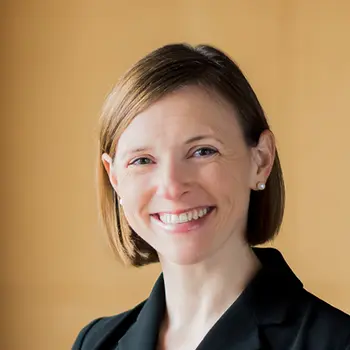
Dr. Jennie Taylor specializes in caring for adults with primary brain tumors, or tumors that start in the brain. As a member of the UCSF Brain Tumor Research Center, she is involved in developing new treatment strategies, innovative imaging techniques and comprehensive tumor analyses, with the goal of improving outcomes for patients with brain tumors. Taylor's research interests include analyzing molecular and imaging markers of resistance to current standard treatments for brain tumors. She also focuses on improving quality of life for patients with primary brain tumors as well as for their caregivers. Taylor earned her medical degree from the University of Kentucky College of Medicine. She completed an internship in medicine and a residency in neurology at the University of Virginia. She completed a fellowship in neuro-oncology at Massachusetts General Hospital and the Dana-Farber Cancer Institute while earning a master's degree in public health from the Harvard T.H. Chan School of Public Health. Taylor is a member of the American Academy of Neurology, Society for Neuro-Oncology and American Society of Clinical Oncology. Dr. Taylor is highly rated in 18 conditions, according to our data. Her clinical expertise encompasses Glioma, Astrocytoma, Brain Tumor, and Glioblastoma. Dr. Taylor is board certified in American Board Of Psychiatry/Neurology-Neurology, Neurology. Dr. Taylor is currently accepting new patients.
Frequently Asked Questions about Dr. Philip V. Theodosopoulos
How do I make an appointment with Dr. Philip V. Theodosopoulos?
You can book an appointment with Dr. Philip V. Theodosopoulos by calling their office at 415-353-7500. MediFind provides direct contact information so you can schedule visits, second opinions, or consultations without navigating third-party calendars.
Is Dr. Philip V. Theodosopoulos a top-rated expert for Schwannoma?
MediFind is an objective health platform that identifies experts based on real-world data. Dr. Philip V. Theodosopoulos is classified as an Elite expert for Schwannoma, meaning they are among the top experts in the country for this condition. This ranking is based on their volume of patients, published research, and peer connections.
What conditions does Dr. Philip V. Theodosopoulos specialize in?
While Dr. Philip V. Theodosopoulos is a Neurosurgery, they have specific expertise in Schwannoma, Acoustic Neuroma, and Meningioma. MediFind analyzes a doctor's articles and referral patterns to identify their specific areas of focus within Neurosurgery.
Does Dr. Philip V. Theodosopoulos participate in research or clinical trials?
Yes. Dr. Philip V. Theodosopoulos has published 164 articles and abstracts on conditions like Schwannoma. You can view a list of Dr. Philip V. Theodosopoulos's latest peer-reviewed publications and clinical trial participation on their profile to see if they are active in new treatments.
Does Dr. Philip V. Theodosopoulos accept my insurance?
Dr. Philip V. Theodosopoulos accepts most major insurance plans, including Humana and Medicaid. We recommend calling the office directly at 415-353-7500 to verify that your specific plan is currently accepted before your visit.
Areas of Expertise
MediFind evaluates expertise by pulling from factors such as number of articles a doctor has published in medical journals, participation in clinical trials, speaking at industry conferences, prescribing and referral patterns, and strength of connections with other experts in their field.
Learn more about MediFind’s expert tiers
- Elite
- Acoustic NeuromaDr. Theodosopoulos isElite. Learn about Acoustic Neuroma.
- Endoscopic Transnasal Transsphenoidal Surgery
- MeningiomaDr. Theodosopoulos isElite. Learn about Meningioma.
- SchwannomaDr. Theodosopoulos isElite. Learn about Schwannoma.
- Distinguished
- AstrocytomaDr. Theodosopoulos isDistinguished. Learn about Astrocytoma.
- Brain Stem CancerDr. Theodosopoulos isDistinguished. Learn about Brain Stem Cancer.
- Brain TumorDr. Theodosopoulos isDistinguished. Learn about Brain Tumor.
- Cerebrospinal Fluid LeakDr. Theodosopoulos isDistinguished. Learn about Cerebrospinal Fluid Leak.
- CraniopharyngiomaDr. Theodosopoulos isDistinguished. Learn about Craniopharyngioma.
- Dysembryoplastic Neuroepithelial Tumors (DNET)Dr. Theodosopoulos isDistinguished. Learn about Dysembryoplastic Neuroepithelial Tumors (DNET).
- GliomaDr. Theodosopoulos isDistinguished. Learn about Glioma.
- Hypothalamic TumorDr. Theodosopoulos isDistinguished. Learn about Hypothalamic Tumor.
- Metastatic Brain TumorDr. Theodosopoulos isDistinguished. Learn about Metastatic Brain Tumor.
- Neuroendocrine TumorDr. Theodosopoulos isDistinguished. Learn about Neuroendocrine Tumor.
- Olfactory NeuroblastomaDr. Theodosopoulos isDistinguished. Learn about Olfactory Neuroblastoma.
- Pituitary TumorDr. Theodosopoulos isDistinguished. Learn about Pituitary Tumor.
- Posterior Fossa TumorDr. Theodosopoulos isDistinguished. Learn about Posterior Fossa Tumor.
- Primitive Neuroectodermal Tumor (PNET)Dr. Theodosopoulos isDistinguished. Learn about Primitive Neuroectodermal Tumor (PNET).
- ProlactinomaDr. Theodosopoulos isDistinguished. Learn about Prolactinoma.
- Radiation Induced MeningiomaDr. Theodosopoulos isDistinguished. Learn about Radiation Induced Meningioma.
- Advanced
- Arachnoid CystsDr. Theodosopoulos isAdvanced. Learn about Arachnoid Cysts.
- Atypical Teratoid Rhabdoid Tumor (ATRT)Dr. Theodosopoulos isAdvanced. Learn about Atypical Teratoid Rhabdoid Tumor (ATRT).
- Awake CraniotomyDr. Theodosopoulos isAdvanced. Learn about Awake Craniotomy.
- Balloon SinuplastyDr. Theodosopoulos isAdvanced. Learn about Balloon Sinuplasty.
- Bone TumorDr. Theodosopoulos isAdvanced. Learn about Bone Tumor.
- Brain AbscessDr. Theodosopoulos isAdvanced. Learn about Brain Abscess.
- Cerebellum Agenesis HydrocephalyDr. Theodosopoulos isAdvanced. Learn about Cerebellum Agenesis Hydrocephaly.
- ChondrosarcomaDr. Theodosopoulos isAdvanced. Learn about Chondrosarcoma.
- ChordomaDr. Theodosopoulos isAdvanced. Learn about Chordoma.
- Choroid Plexus CystDr. Theodosopoulos isAdvanced. Learn about Choroid Plexus Cyst.
- Choroid Plexus PapillomaDr. Theodosopoulos isAdvanced. Learn about Choroid Plexus Papilloma.
- Embryonal Tumor with Multilayered RosettesDr. Theodosopoulos isAdvanced. Learn about Embryonal Tumor with Multilayered Rosettes.
- EpendymomaDr. Theodosopoulos isAdvanced. Learn about Ependymoma.
- Familial PorencephalyDr. Theodosopoulos isAdvanced. Learn about Familial Porencephaly.
- Gamma Knife RadiosurgeryDr. Theodosopoulos isAdvanced. Learn about Gamma Knife Radiosurgery.
- GlioblastomaDr. Theodosopoulos isAdvanced. Learn about Glioblastoma.
- Gliomatosis CerebriDr. Theodosopoulos isAdvanced. Learn about Gliomatosis Cerebri.
- GliosarcomaDr. Theodosopoulos isAdvanced. Learn about Gliosarcoma.
- HydrocephalusDr. Theodosopoulos isAdvanced. Learn about Hydrocephalus.
- NeuroepitheliomaDr. Theodosopoulos isAdvanced. Learn about Neuroepithelioma.
- OligodendrogliomaDr. Theodosopoulos isAdvanced. Learn about Oligodendroglioma.
- OsteotomyDr. Theodosopoulos isAdvanced. Learn about Osteotomy.
- Pallister-Hall SyndromeDr. Theodosopoulos isAdvanced. Learn about Pallister-Hall Syndrome.
- Pediatric Low-Grade Glioma (pLGG)Dr. Theodosopoulos isAdvanced. Learn about Pediatric Low-Grade Glioma (pLGG).
- Pituitary ApoplexyDr. Theodosopoulos isAdvanced. Learn about Pituitary Apoplexy.
- PorencephalyDr. Theodosopoulos isAdvanced. Learn about Porencephaly.
- SchizencephalyDr. Theodosopoulos isAdvanced. Learn about Schizencephaly.
- Sinus CancerDr. Theodosopoulos isAdvanced. Learn about Sinus Cancer.
- Spinal TumorDr. Theodosopoulos isAdvanced. Learn about Spinal Tumor.
- Subdural HematomaDr. Theodosopoulos isAdvanced. Learn about Subdural Hematoma.
- Experienced
- Abdominal Cystic LymphangiomaDr. Theodosopoulos isExperienced. Learn about Abdominal Cystic Lymphangioma.
- ApoplexyDr. Theodosopoulos isExperienced. Learn about Apoplexy.
- Arteriovenous MalformationDr. Theodosopoulos isExperienced. Learn about Arteriovenous Malformation.
- Brain HerniationDr. Theodosopoulos isExperienced. Learn about Brain Herniation.
- Cavernous LymphangiomaDr. Theodosopoulos isExperienced. Learn about Cavernous Lymphangioma.
- Cerebral Arteriovenous MalformationDr. Theodosopoulos isExperienced. Learn about Cerebral Arteriovenous Malformation.
- Cerebral Ventricle CancerDr. Theodosopoulos isExperienced. Learn about Cerebral Ventricle Cancer.
- Chiari MalformationDr. Theodosopoulos isExperienced. Learn about Chiari Malformation.
- Chiari Malformation Type 1Dr. Theodosopoulos isExperienced. Learn about Chiari Malformation Type 1.
- Chiari Malformation Type 2Dr. Theodosopoulos isExperienced. Learn about Chiari Malformation Type 2.
- Chronic Subdural HematomaDr. Theodosopoulos isExperienced. Learn about Chronic Subdural Hematoma.
- Congenital Cardiovascular ShuntDr. Theodosopoulos isExperienced. Learn about Congenital Cardiovascular Shunt.
- Cowden SyndromeDr. Theodosopoulos isExperienced. Learn about Cowden Syndrome.
- Cystic HygromaDr. Theodosopoulos isExperienced. Learn about Cystic Hygroma.
- DeliriumDr. Theodosopoulos isExperienced. Learn about Delirium.
- Diabetes Insipidus (DI)Dr. Theodosopoulos isExperienced. Learn about Diabetes Insipidus (DI).
- Empty Sella SyndromeDr. Theodosopoulos isExperienced. Learn about Empty Sella Syndrome.
- EncephaloceleDr. Theodosopoulos isExperienced. Learn about Encephalocele.
- EndoscopyDr. Theodosopoulos isExperienced. Learn about Endoscopy.
- Epidural AbscessDr. Theodosopoulos isExperienced. Learn about Epidural Abscess.
- GangliogliomaDr. Theodosopoulos isExperienced. Learn about Ganglioglioma.
- Glomus Jugulare TumorDr. Theodosopoulos isExperienced. Learn about Glomus Jugulare Tumor.
- Glomus Tympanum TumorDr. Theodosopoulos isExperienced. Learn about Glomus Tympanum Tumor.
- HemangioblastomaDr. Theodosopoulos isExperienced. Learn about Hemangioblastoma.
- Hygroma CervicalDr. Theodosopoulos isExperienced. Learn about Hygroma Cervical.
- Hypothalamic HamartomasDr. Theodosopoulos isExperienced. Learn about Hypothalamic Hamartomas.
- Isolated ACTH DeficiencyDr. Theodosopoulos isExperienced. Learn about Isolated ACTH Deficiency.
- Linear Nevus Sebaceous SyndromeDr. Theodosopoulos isExperienced. Learn about Linear Nevus Sebaceous Syndrome.
- MedulloblastomaDr. Theodosopoulos isExperienced. Learn about Medulloblastoma.
- MeningitisDr. Theodosopoulos isExperienced. Learn about Meningitis.
- MeningoencephaloceleDr. Theodosopoulos isExperienced. Learn about Meningoencephalocele.
- Neurofibromatosis Type 2 (NF2)Dr. Theodosopoulos isExperienced. Learn about Neurofibromatosis Type 2 (NF2).
- Normal Pressure HydrocephalusDr. Theodosopoulos isExperienced. Learn about Normal Pressure Hydrocephalus.
- Peutz-Jeghers SyndromeDr. Theodosopoulos isExperienced. Learn about Peutz-Jeghers Syndrome.
- Phacomatosis PigmentokeratoticaDr. Theodosopoulos isExperienced. Learn about Phacomatosis Pigmentokeratotica.
- Phacomatosis PigmentovascularisDr. Theodosopoulos isExperienced. Learn about Phacomatosis Pigmentovascularis.
- Pulmonary Arteriovenous Malformation (PAVM)Dr. Theodosopoulos isExperienced. Learn about Pulmonary Arteriovenous Malformation (PAVM).
- Rathke Cleft CystDr. Theodosopoulos isExperienced. Learn about Rathke Cleft Cyst.
- Rosai-Dorfman DiseaseDr. Theodosopoulos isExperienced. Learn about Rosai-Dorfman Disease.
- SeizuresDr. Theodosopoulos isExperienced. Learn about Seizures.
- Sheehan SyndromeDr. Theodosopoulos isExperienced. Learn about Sheehan Syndrome.
- Spinal FusionDr. Theodosopoulos isExperienced. Learn about Spinal Fusion.
- StrokeDr. Theodosopoulos isExperienced. Learn about Stroke.
- Sturge-Weber SyndromeDr. Theodosopoulos isExperienced. Learn about Sturge-Weber Syndrome.
- SubependymomaDr. Theodosopoulos isExperienced. Learn about Subependymoma.
- Tethered Cord SyndromeDr. Theodosopoulos isExperienced. Learn about Tethered Cord Syndrome.
- ThrombophlebitisDr. Theodosopoulos isExperienced. Learn about Thrombophlebitis.
- Tieche-Jadassohn NevusDr. Theodosopoulos isExperienced. Learn about Tieche-Jadassohn Nevus.
- Vein of Galen AneurysmDr. Theodosopoulos isExperienced. Learn about Vein of Galen Aneurysm.
- Von Hippel-Lindau (VHL) SyndromeDr. Theodosopoulos isExperienced. Learn about Von Hippel-Lindau (VHL) Syndrome.
- Wyburn-Mason SyndromeDr. Theodosopoulos isExperienced. Learn about Wyburn-Mason Syndrome.